Rejuvenate Your Mind and Body with a Soothing Head Massage

You know that heavy feeling behind your eyes after a long day? The tight band around your forehead? The way your neck stiffens up like it’s been welded in place? That’s not just fatigue-it’s your nervous system screaming for a break. And the simplest, most underrated fix? A head massage.
It’s not magic. It’s biology. Your scalp has over 10,000 nerve endings. When you stimulate them gently, you send signals straight to your brain that say, “Relax. You’re safe.” No candles. No incense. Just hands, pressure, and time.
Why Your Brain Craves a Head Massage
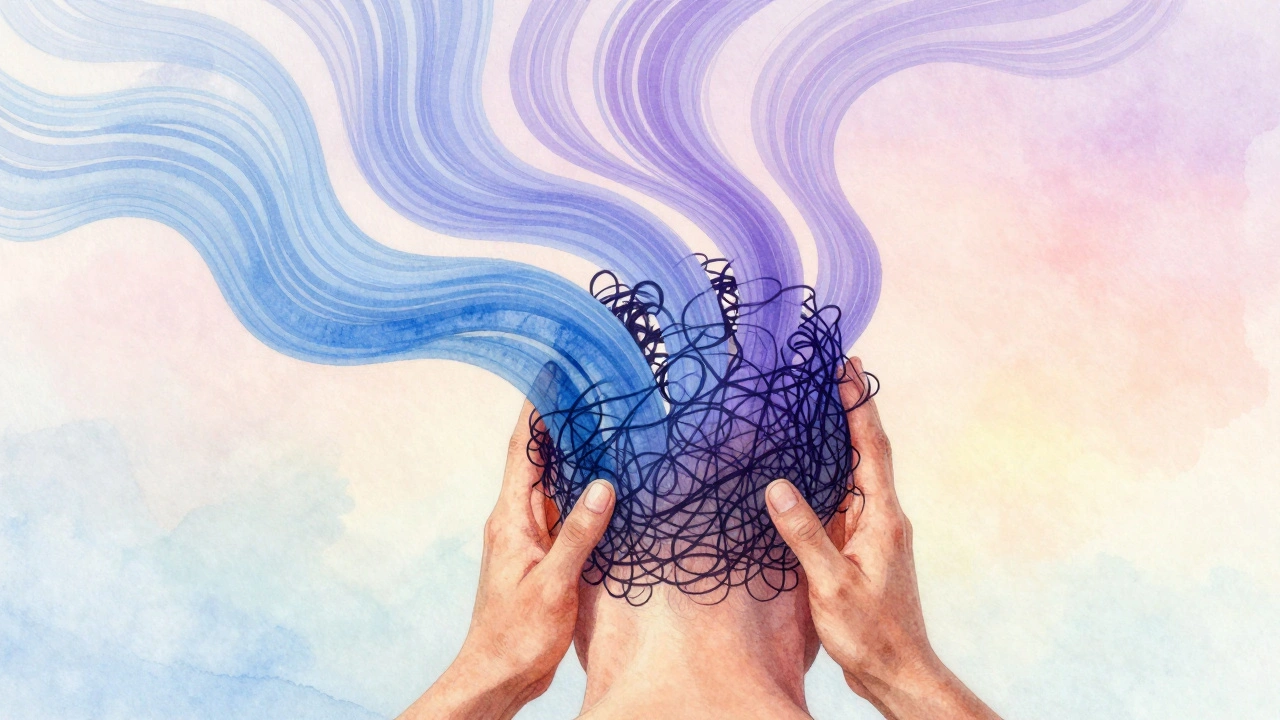
Think of your head as a control center. Every stressor-work emails, traffic, kids crying, bills piling up-gets stored there as tension. Muscles in your scalp, temples, and neck tighten up like coiled springs. Blood flow slows. Oxygen drops. Your mind feels foggy. A head massage doesn’t just rub your scalp-it rewires your stress response.
One 2023 study from the University of Miami found that participants who received just 10 minutes of daily head massage for two weeks reported a 40% drop in cortisol levels. That’s the same reduction as people who meditated for 30 minutes a day. No apps. No subscriptions. Just touch.
And it’s not just about stress. Head massages improve circulation. That means more oxygen and nutrients flowing to your hair follicles, your skin, even your eyes. People who get regular head massages often notice fewer headaches, better sleep, and even clearer thinking. It’s like rebooting your brain with a soft reset.
What Happens During a Head Massage?
A good head massage doesn’t feel like a quick scratch. It’s slow. Deliberate. Almost meditative. You sit or lie down. The therapist starts at your neck-gently kneading the muscles that pull your head forward. Then, they move up to your temples, using circular motions with their fingertips. Not too hard. Just enough to release the tension without bruising.
They’ll press along your hairline, tracing the ridge where your skull meets your forehead. That’s where stress hides. They’ll work the back of your head, massaging the base of your skull-the spot that gets locked up from staring at screens all day. Then, they’ll use their palms to glide over your scalp, like smoothing out a wrinkled blanket.
Some therapists use warm oil. Others use just their hands. The key? Consistent pressure. Not tickling. Not scratching. A steady, rhythmic rhythm that tells your nervous system, “You’re not in danger anymore.”
Most sessions last 15 to 30 minutes. You don’t need to take off your clothes. You don’t need to lie on a table. You just sit in a chair, close your eyes, and breathe. It’s the easiest form of self-care you’ve probably ignored.
The Different Types of Head Massages
Not all head massages are the same. Here are the most common styles you’ll find:
- Traditional Indian Head Massage (or Champi): Originating from Ayurveda, this one uses herbal oils and focuses on pressure points along the head, neck, and shoulders. It’s often done seated, with the client wearing loose clothing.
- Scalp Massage with Essential Oils: Uses lavender, rosemary, or peppermint oil to cool, soothe, or stimulate circulation. Great for tension headaches and dry scalp.
- Reflexology Head Massage: Based on the idea that specific points on the head correspond to organs in the body. Pressing these points is believed to balance internal systems.
- Thai Head Massage: Combines acupressure, stretching, and gentle pulling. Often done on a mat, with the therapist using their thumbs and palms to apply deep, rhythmic pressure.
- Self-Massage Techniques: You can do this at home with a wooden comb, a scalp massager, or even just your fingers. It’s not as deep as a professional session, but it’s better than nothing.
Each type has its own rhythm. Indian head massage feels grounding. Thai feels energizing. Oil-based ones are deeply calming. Pick what fits your mood.
How to Find a Good Head Massage in Your Area
You don’t need to go to a fancy spa. Many wellness centers, yoga studios, and even barbershops now offer head massages as add-ons. Look for places that specialize in:
- Traditional Asian therapies (Ayurveda, Thai, Shiatsu)
- Stress relief or holistic wellness
- Massage therapists with certifications in cranial or scalp work
Check reviews for keywords like “calming,” “relaxing,” “no pressure,” or “left me in a daze.” Avoid places that push full-body packages. A head massage is powerful on its own. You don’t need to spend $100 to feel the difference.
Try searching “head massage near me” or “scalp therapy [your city].” Many therapists list it under “add-on services” or “wellness rituals.”
What to Expect During Your First Session
You walk in. You’re offered a warm towel. You sit in a padded chair. The room is quiet. Maybe there’s soft music. The therapist asks if you have any headaches, injuries, or sensitivities. Then they begin.
At first, you might feel a little odd. Like, “Why is someone touching my head?” But within 30 seconds, your shoulders drop. Your jaw unclenches. You forget why you were stressed.
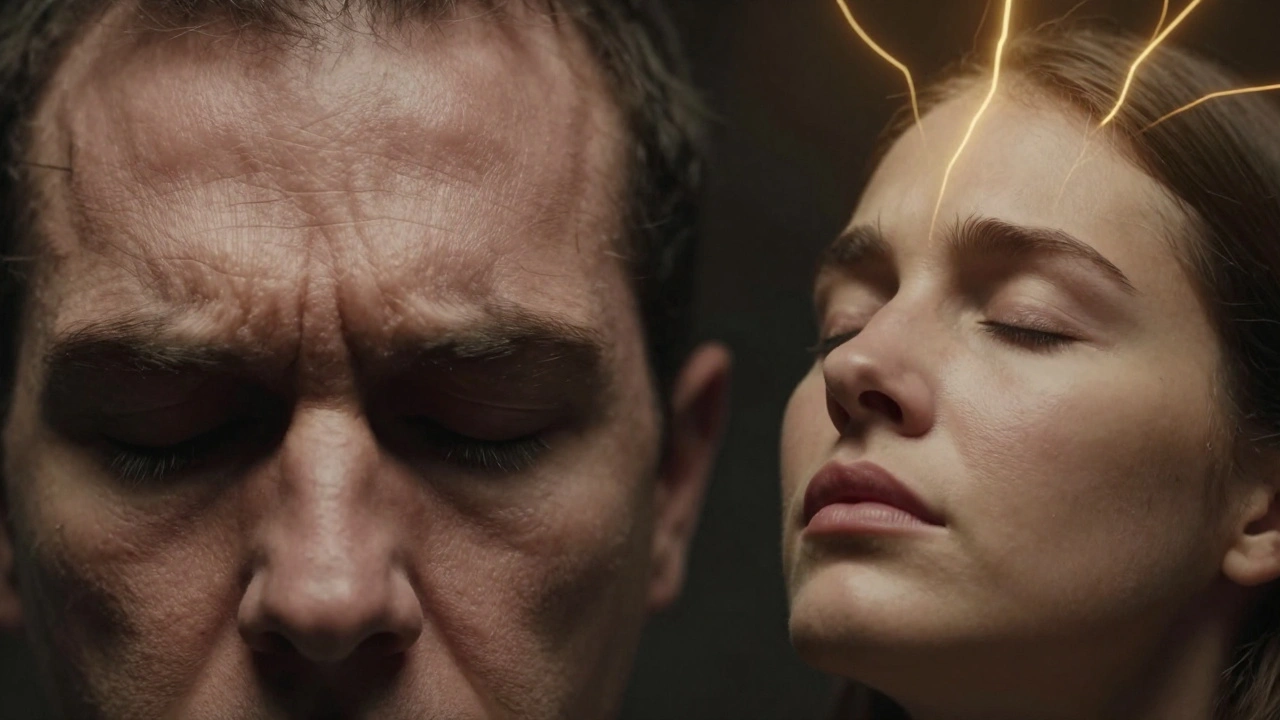
Some people fall asleep. Others feel a tingling sensation-like static electricity-but in a good way. A few report a sudden rush of emotion. That’s normal. Your body holds stress in unexpected places. When you release it, you might cry. Or laugh. Or just sit there, quiet, for five minutes after it’s over.
Afterward, you’ll feel lighter. Not sleepy. Not wired. Just… calm. Like your brain finally stopped running a thousand tabs at once.
Cost and Booking
A 15-minute head massage usually costs between $25 and $45. A 30-minute session runs $45-$75. If it’s part of a longer spa package, it might be bundled for $10-$20 extra.
Booking is simple. Most places let you add it on when you book a facial, acupuncture, or even a haircut. Some therapists offer walk-in slots on weekends. Others require a reservation. Always ask if they use oil, if you’re sensitive to scents, or if they have a quiet room.
Pro tip: Ask for a “scalp-focused” massage. That tells them you want the real deal-not just a quick stroke over your hair.
Do It Yourself: Simple Home Techniques
You don’t need to wait for a therapist. Try this at home:
- Warm a few drops of coconut or jojoba oil in your palms.
- Use your fingertips to press into your scalp, starting at your forehead and moving back.
- Make small circles-no more than the size of a dime.
- Work your way to the back of your head, then down to your neck.
- Do this for 5 minutes before bed. Or while you’re waiting for your coffee to brew.
Use a wooden comb with rounded teeth. Gently stroke from front to back. It stimulates circulation and helps distribute natural oils. Do this daily. It’s like brushing your teeth-but for your nervous system.
Head Massage vs. Full Body Massage
| Aspect | Head Massage | Full Body Massage |
|---|---|---|
| Time Required | 15-30 minutes | 60-90 minutes |
| Cost | $25-$75 | $70-$150 |
| Primary Benefit | Stress reduction, mental clarity, tension relief | Muscle recovery, circulation, flexibility |
| Best For | Work stress, screen fatigue, anxiety, insomnia | Physical strain, athletic recovery, chronic pain |
| After Effects | Calmer mind, clearer thinking, reduced headaches | Looser muscles, deeper sleep, soreness |
| Frequency | Can be done daily | Best once a week or biweekly |
Head massage is the quiet hero. You can do it on your lunch break. You don’t need to undress. You don’t need to plan your whole day around it. It’s the fastest way to reset your mental state.
Frequently Asked Questions
Can a head massage help with hair growth?
Yes, indirectly. While a head massage won’t magically regrow hair, it improves blood flow to the scalp. That means more nutrients reach the follicles. A 2022 study in the Journal of Cosmetic Dermatology showed participants who massaged their scalp for 4 minutes daily for 24 weeks saw a 22% increase in hair thickness. It’s not a cure, but it’s a simple, science-backed support tool.
Is head massage safe if I have migraines?
It depends. Light, gentle pressure on the temples and neck can help ease tension headaches. But if you have severe migraines, especially with aura or sensitivity to touch, avoid deep pressure. Ask your therapist to use very soft strokes and avoid the crown of your head. Always consult your doctor if you’re unsure.
How often should I get a head massage?
If you’re dealing with chronic stress or headaches, aim for once a week. For maintenance, once every two weeks works well. If you’re doing it at home, 5 minutes a day is more effective than one long session a month. Consistency beats intensity every time.
Can children or elderly people get head massages?
Absolutely. Kids with anxiety or trouble sleeping benefit from gentle scalp strokes before bed. Older adults often find head massages soothing for arthritis-related tension in the neck and shoulders. Just use lighter pressure and avoid any areas with skin sensitivity or recent injuries.
Do I need oil for a head massage?
Not at all. Oil helps with glide and adds aromatherapy benefits, but it’s optional. Many people prefer dry scalp massage, especially if they have oily hair or sensitive skin. Your hands are enough. The power comes from pressure and rhythm, not lubrication.
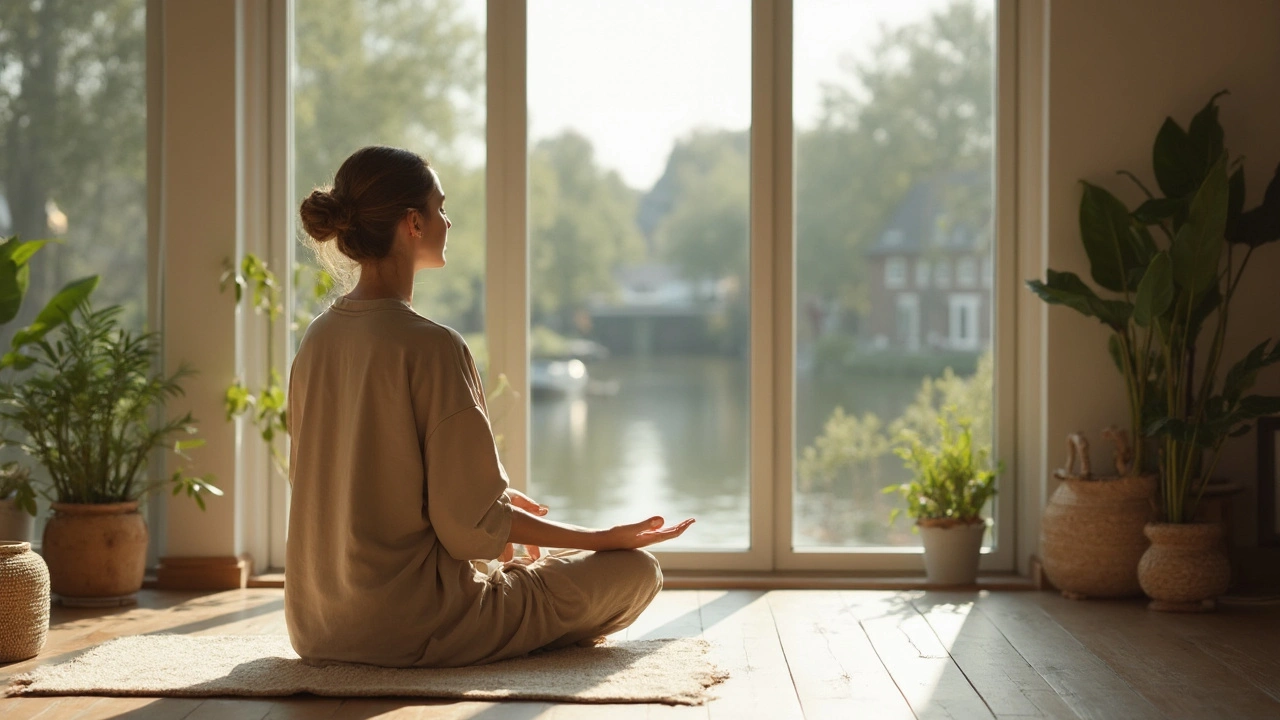
So next time you feel that mental fog creeping in-don’t reach for another coffee. Sit down. Close your eyes. Use your fingers. Just five minutes. You’ll be surprised how much lighter you feel.

Hazel Lopez
February 4, 2026 AT 00:04I used to think head massages were just a spa luxury, but after my mom started doing one every night before bed-just five minutes with her thumbs on my temples-I swear my anxiety dropped. No more 2 a.m. panic spirals. I even got my roommate to try it. Now we sit on the couch and massage each other’s scalps while watching Netflix. Weird? Maybe. Effective? Absolutely.
Tina Reet
February 4, 2026 AT 01:28Let’s be real-this is just another wellness scam dressed up as science. That ‘2023 study’? Probably funded by some oil company trying to sell lavender blends. Cortisol doesn’t drop because of finger pressure-it drops because you’re sitting still for ten minutes. You could get the same effect by staring at a wall. The real problem? We’ve turned self-care into a consumer product. Buy the oil. Book the session. Feel guilty when you skip it. The system wins again.
Melanie Luna
February 5, 2026 AT 04:20As a licensed massage therapist with 12 years in cranial-sacral work, I can confirm: scalp stimulation directly activates the parasympathetic nervous system via the vagus nerve. The pressure points referenced in the article are anatomically valid. That said, most people misapply pressure-they either scratch too lightly or dig in too hard. The sweet spot is firm, slow, and rhythmic. And yes, oil is optional. Dry massage works better for clients with seborrheic dermatitis. Also-please stop calling it ‘rebooting your brain.’ That’s not a physiological term. But the concept? Spot on.
Beth Butler
February 6, 2026 AT 00:41My grandma used to do this with a wooden comb every morning. She said it kept your thoughts clear and your spirit light. I didn’t believe her until I started doing it after my divorce. Five minutes. Just combing from front to back. Now I do it while I make tea. It’s not about the hair. It’s about remembering you’re still here, still breathing. Thank you for writing this.
Rachel Neiman
February 7, 2026 AT 13:23If you’re stressed and not doing this, you’re doing yourself a disservice. It’s free, it’s immediate, and it doesn’t require a subscription. Start small-right now, pause this screen. Use your fingertips. Press into your temples for 10 seconds. Breathe. Do it again. That’s it. You just did your first head massage. No app. No cost. No excuse. Keep going.
Andy Haigh
February 8, 2026 AT 22:15They got you soft with their oxytocin bullshit. You think this is about relaxation? Nah. It’s about control. Massage = submission. You sit there. You close your eyes. You let someone touch your skull. That’s not therapy-that’s conditioning. The elite know this. They’ve been using scalp manipulation since the Roman baths. They want you docile. Quiet. Easy to manage. Don’t fall for it. Fight the system. Grab a cold shower instead. That’s real power.
Patrick Wan
February 9, 2026 AT 08:53Wait-so you’re telling me that the government, Big Pharma, and the spa-industrial complex are all hiding the truth? That a simple, ancient, 5,000-year-old practice-scalp pressure-is more effective than SSRIs? That’s why they ban acupuncture in 14 states! That’s why they don’t teach it in med school! They don’t want you to know that stress can be dissolved with your own fingers! Look at the funding behind the ‘cortisol study’-it’s linked to a Swiss company that owns 78% of the lavender market! This isn’t wellness-it’s a distraction from the real issue: systemic oppression via neurochemical manipulation!