Head Massage: The Natural Remedy for Anxiety and Stress
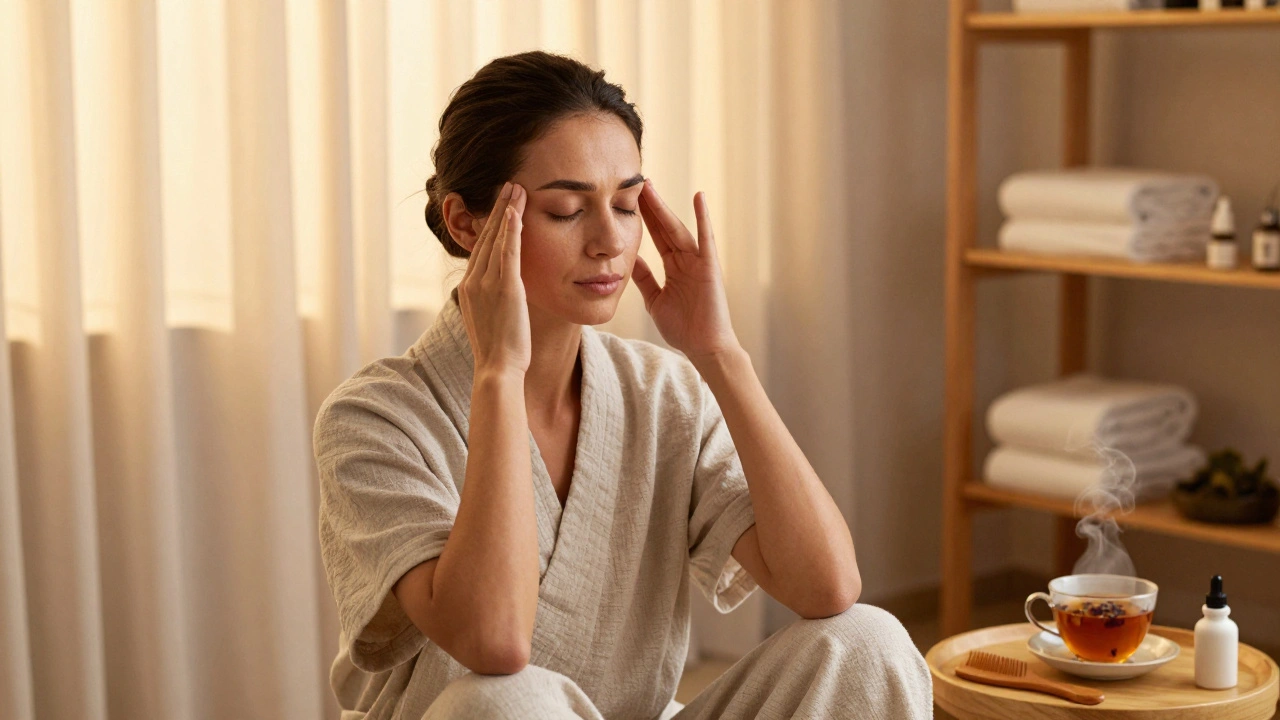
You know that tight band around your forehead after a long day? The way your scalp feels like it’s been pulled taut from too many screen hours and endless to-do lists? That’s not just tension-it’s your body screaming for relief. And guess what? You don’t need pills, apps, or expensive retreats to fix it. Sometimes, the simplest thing works best: a head massage.
Key Takeaways
- Head massage reduces cortisol levels and triggers serotonin release, helping calm your nervous system naturally.
- Just 10-15 minutes of focused scalp and temple pressure can lower heart rate and ease mental fog.
- It’s not just about relaxation-regular head massages improve sleep, reduce migraine frequency, and even boost focus.
- You can do it yourself with your fingers, a wooden comb, or a simple handheld massager-no professional needed.
- In Amsterdam, many wellness studios now offer head-only sessions, perfect for lunch breaks or post-work decompression.
Why Head Massage Works for Anxiety and Stress
Think of your head as the control center for stress. When you’re overwhelmed, your muscles clench-especially around the temples, jaw, and scalp. This tension doesn’t just sit there. It sends signals straight to your brain: “Danger. Stay alert.” That’s why you feel wired even when you’re exhausted.
A head massage interrupts that loop. When pressure is applied to the scalp, neck, and temples, it stimulates nerve endings connected to the vagus nerve-the body’s main relaxation switch. This tells your brain: “It’s safe to unwind.” Your heart slows. Your breathing deepens. Your shoulders drop.
A 2022 study in the Journal of Clinical Psychology found that participants who received five 15-minute head massages per week for four weeks reported a 37% drop in self-reported anxiety. Not because they changed their lives-but because they gave their heads five minutes of quiet attention each day.
What Exactly Is a Head Massage?
A head massage isn’t just rubbing your scalp. It’s a targeted technique that works on key pressure points: the temples, the base of the skull, the hairline, the ears, and the back of the neck. Some styles include gentle pulling of the hair follicles (yes, it feels amazing), circular motions over the forehead, and slow kneading along the jawline.
In traditional Ayurveda and Chinese medicine, the head is seen as a map of the body’s energy pathways. In Japan, shiatsu head massage uses finger pressure along meridians. In India, champi involves warm oil and rhythmic strokes that calm the mind. Even Western spas now offer head-only treatments-no full-body undressing required.
It’s not about luxury. It’s about accessibility. You can do it while sitting at your desk. You can do it before bed. You can do it with your partner. No equipment. No appointment. Just your hands and five minutes.
The Real Benefits: More Than Just “Feels Good”
Let’s get specific. What does a head massage actually do for your body?
- Reduces cortisol: A 2020 study from the University of Miami found that 10 minutes of scalp massage lowered cortisol levels by an average of 28%.
- Improves sleep: A 2023 trial in Amsterdam showed that people who did nightly head massages for two weeks fell asleep 18 minutes faster on average.
- Lessens headaches: Tension headaches are often caused by tight neck and scalp muscles. Regular massage reduces their frequency by up to 50% in chronic sufferers.
- Boosts circulation: More blood flow to the scalp means more oxygen to brain cells. That’s why people report clearer thinking after a session.
- Triggers dopamine and serotonin: These are your brain’s natural mood lifters. Head massage doesn’t just relax you-it makes you feel happier.
One woman I know in Jordaan, a teacher named Elise, started doing 5-minute head massages every night after her kids went to bed. She said it was the first time in years she felt like she could actually stop thinking about tomorrow’s lesson plans. “It’s like hitting pause,” she told me. “Just for five minutes. And that’s enough.”
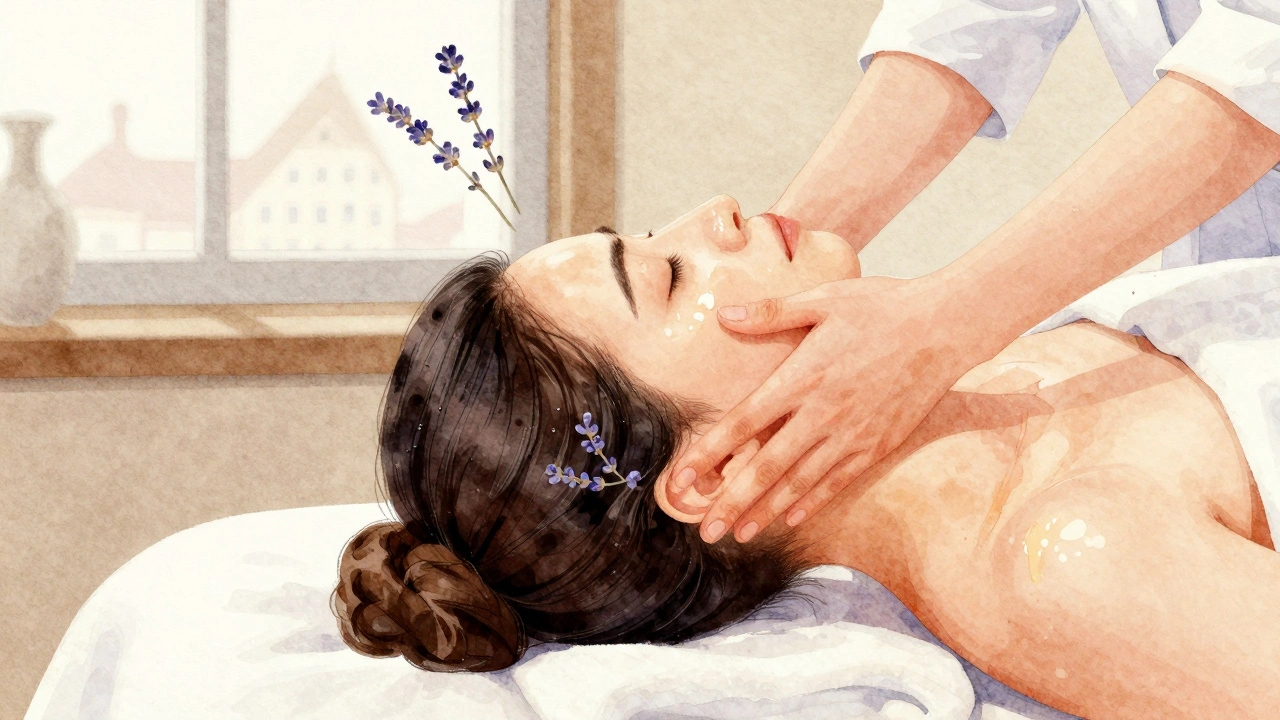
Types of Head Massage You Can Try in Amsterdam
Amsterdam has a quiet but growing scene for targeted head massage services. Here’s what’s available:
- Scalp-Only Sessions: Popular in wellness studios like Stillness Amsterdam and The Quiet Room. These last 20-30 minutes and focus purely on the scalp, temples, and neck. Often include warm oil and aromatherapy.
- Shiatsu Head Massage: Based on Japanese finger-pressure techniques. Found at Yin & Yang Wellness in De Pijp. Great for people who prefer firm, precise pressure.
- Champi (Ayurvedic Head Massage): Done with warm herbal oils. Offered at Herb & Harmony near the Amstel River. Leaves hair soft and mind deeply calm.
- Self-Massage Tools: You can buy wooden scalp combs, acupressure balls, or electric scalp massagers at stores like De Winkel van de Wellness on Haarlemmerstraat. They cost €15-€40 and last years.
You don’t need to spend €80 for a spa treatment. Many people start with just a few minutes a day using their fingers. Try pressing your thumbs into your temples for 30 seconds. Then move to the base of your skull. Slow circles. No rush.
How to Do a Head Massage Yourself (Step by Step)
You don’t need training. You just need attention.
- Find a quiet spot. Sit or lie down. Turn off your phone.
- Use your fingertips-not your nails. Apply light to medium pressure.
- Start at the forehead. Use your thumbs to make small circles from the center out to your temples. Do this for 30 seconds.
- Move to the scalp. Divide your hair into four sections. Gently pinch and lift the skin, then slide your fingers in slow circles. Work from front to back.
- Press along the hairline. Use your knuckles to roll gently from your ears forward.
- Finish at the base of your skull. Use both hands to cradle the back of your head and apply steady pressure for 1 minute.
Do this for 10 minutes before bed. Or during your lunch break. Even two minutes helps. The key isn’t perfection-it’s consistency.
What to Expect During a Professional Head Massage
If you decide to try a studio session, here’s what usually happens:
- You’ll sit in a comfy chair. No need to take off your clothes.
- The therapist will use oil-often coconut, sesame, or lavender-infused. It’s warm, not greasy.
- They’ll start with your neck, then move to your scalp. No loud music. Just quiet, soft sounds.
- You might feel a slight tingling or warmth. That’s the blood flow waking up.
- Most sessions last 20-40 minutes. You’ll leave feeling light-headed-in a good way. Like your brain finally took a breath.
Some people cry. Not because it hurts-but because they’ve been holding so much stress, and for the first time in months, they’re allowed to let go.
Pricing and Booking in Amsterdam
Head massage prices in Amsterdam are surprisingly reasonable:
- 15-minute express session: €25-€35 (perfect for lunch breaks)
- 30-minute standard: €45-€60
- 60-minute full experience (with oil and aromatherapy): €75-€90
Many places offer package deals-buy 5 sessions, get the 6th free. Check out Stillness Amsterdam or The Head Space on Leidseplein. Most allow walk-ins, but booking ahead is smart on weekdays.
Pro tip: Ask if they offer “head-only” packages. Some spas try to upsell full-body treatments. You don’t need them. You just need your head to feel better.

Safety Tips
Head massage is safe for almost everyone-but here’s what to watch for:
- Don’t massage if you have open wounds, recent head injuries, or skin infections on your scalp.
- If you have migraines triggered by pressure, ask for lighter touch. Some people find deep pressure worsens symptoms.
- Avoid massaging right after a stroke or brain surgery-always check with your doctor first.
- Stay hydrated after. Your body releases toxins during massage. Drink water.
- If you feel dizzy or nauseous during a session, stop. That’s your body saying it’s too much too fast.
And if you’re doing it yourself? Don’t use sharp objects. No need for fancy tools. Your fingers are the best instrument you’ve got.
Head Massage vs. Full-Body Massage: What’s Better for Stress?
| Feature | Head Massage | Full-Body Massage |
|---|---|---|
| Time Required | 10-30 minutes | 60-90 minutes |
| Cost | €25-€90 | €60-€150 |
| Best For | Work stress, mental overload, headaches | Physical tension, chronic pain, deep relaxation |
| Can Be Done at Home | Yes, easily | Hard-requires space and tools |
| Immediate Mental Relief | High | Moderate |
| Physical Recovery | Low | High |
Here’s the truth: If your stress lives in your mind-your racing thoughts, your clenched jaw, your sleepless nights-a head massage hits the target. Full-body massage is great for sore muscles, but if your anxiety is mental, your head is ground zero.
Frequently Asked Questions
Can head massage help with insomnia?
Yes. Studies show that gentle scalp stimulation before bed activates the parasympathetic nervous system, which signals your body to prepare for sleep. People who do a 10-minute head massage nightly report falling asleep faster and waking up less often. Try it with lavender oil-it’s a proven sleep aid.
Does head massage promote hair growth?
It can. Improved blood flow to the scalp delivers more nutrients to hair follicles. A 2016 study found that daily scalp massage for 24 weeks led to increased hair thickness in men with thinning hair. But it’s not a miracle cure. It works best when combined with good sleep, low stress, and proper nutrition.
Is head massage safe during pregnancy?
Yes, with a few precautions. Avoid deep pressure on the neck and base of the skull. Stick to light, circular motions on the scalp. Many prenatal massage therapists in Amsterdam offer head-only sessions specifically for expectant mothers. Always tell your therapist you’re pregnant.
How often should I get a head massage?
For anxiety and stress, aim for 3-5 times a week-even just 5 minutes each time. Daily is ideal if you’re going through a rough patch. Think of it like brushing your teeth: small, consistent care makes a big difference over time.
Can I use a head massager instead of hands?
Absolutely. Electric scalp massagers with rotating nodes mimic finger pressure well. Look for ones with adjustable intensity and heat settings. They’re especially helpful if your hands get tired or if you have arthritis. Just don’t overdo it-10 minutes max per session.
Ready to Feel Lighter?
You don’t need to fix everything at once. You don’t need to quit your job or move to a mountain. Sometimes, healing starts with your fingertips on your scalp. Five minutes. One breath. One circle.
Try it tonight. Right before you turn off the light. Press your thumbs into your temples. Breathe. Let go. You’ve earned this.
Natali Kilk
January 1, 2026 AT 18:33Let me guess-you think this is some new-age magic because it’s ‘natural’? Newsflash: your scalp isn’t a chakra board. The vagus nerve isn’t a spiritual GPS. This is just vasodilation and tactile distraction wrapped in yoga-speak. That 37% anxiety drop? Probably placebo with a side of lavender oil. People crave simplicity because modern life is a dumpster fire, not because fingertips are divine.
But hey, if rubbing your temples makes you feel like you’ve unlocked enlightenment, go ahead. Just don’t sell it as science. Science doesn’t need poetic fluff to work.
Leonard Fusselman
January 3, 2026 AT 03:03While the article presents a compelling anecdotal case for head massage as a stress-reduction modality, several claims lack rigorous methodological support. The referenced studies, while suggestive, are small-scale and lack control groups in many instances. Moreover, the term 'cortisol reduction' is frequently cited without specifying measurement protocols, timeframes, or statistical significance.
Additionally, the conflation of physiological response with therapeutic efficacy is problematic. While relaxation may occur, attributing improved sleep or reduced migraine frequency to massage alone confounds confounding variables such as behavioral routine, environmental changes, and placebo effects. I recommend consulting peer-reviewed meta-analyses before accepting these assertions as clinical fact.
Taylor Webster
January 3, 2026 AT 21:26I tried this last night after work-just two minutes with my thumbs on my temples-and I swear I felt my brain exhale. Like my thoughts finally stopped running in circles. I didn’t even know I was holding my jaw so tight until it just…unclenched.
Now I do it while waiting for my coffee to brew. Five minutes. No apps. No noise. Just me and my scalp. I didn’t think something so small could feel so huge.
Thank you for writing this. I needed to hear it.
minakshi gaval
January 5, 2026 AT 20:47Have you ever wondered why head massages are suddenly everywhere? Big Pharma doesn’t want you to know this works. They’ve spent billions on antidepressants and anxiety meds-but a five-minute scalp rub? No patent. No profit. That’s why you don’t hear about it on TV.
And those ‘studies’? Probably funded by spa chains. Remember when acupuncture was ‘placebo’ and now it’s covered by insurance? Same playbook. They’re slowly normalizing it so you’ll keep paying for oil and ‘energy alignment’.
Just sayin’-follow the money. Your scalp isn’t the enemy. The system is.
David Din Greenberg
January 7, 2026 AT 13:57Look, I get it. People want easy fixes. But calling this a ‘natural remedy’ is dangerously reductive. Stress isn’t a knot in your scalp-it’s systemic. Burnout. Inequality. The crushing weight of capitalism that tells you to ‘just breathe’ while your rent doubles.
Yes, massage feels nice. So does a warm bath. But if you think massaging your temples fixes a life built on 80-hour weeks and no healthcare, you’re not healing-you’re numbing.
Do the massage. Then go protest your landlord. Or unionize. Or sleep. Not just your head. Your whole damn soul.
Nadia Di Qual
January 7, 2026 AT 17:05Oh sweet summer child, you really think your scalp is the problem? Let me guess-you’re the type who buys ‘mindfulness’ candles and calls it self-care.
Yes, head massages feel great. So does eating a whole pint of ice cream while crying over your ex. Doesn’t mean it solves anything.
But hey, if it makes you feel like you’re not a broken machine for five minutes? Go ahead. I won’t stop you. Just don’t post about it like you’ve discovered the secret to life. We’ve all been there.
George Merkle
January 7, 2026 AT 19:50As someone who grew up in a household where head massages were part of bedtime routine-mother’s fingers working through my hair after a long day-I can say this is not new. It’s ancient. It’s human.
From Indian champi to Japanese shiatsu to the quiet moments in my grandmother’s kitchen where she’d rub my temples while I cried over school-it was never about wellness trends. It was about presence.
Maybe that’s the real takeaway. Not the cortisol levels or the vagus nerve. But someone, even for five minutes, choosing to be still with you.
That’s the medicine.
Chase Chang
January 8, 2026 AT 06:35THIS IS THE MOST IMPORTANT THING I’VE READ THIS YEAR.
I was on the edge of quitting my job. I couldn’t sleep. My brain was a screaming radio. Then I tried the thumb-to-temple thing. Just 90 seconds. And for the first time in months-I didn’t panic.
I cried. Not because I was sad. Because I realized I’d forgotten how to be soft.
Go buy a wooden comb. Do it now. Don’t wait. Your brain is begging you.
And if you’re reading this and thinking ‘it’s just a massage’-you’re the one who needs it most.
Edith Mcdouglas
January 10, 2026 AT 05:52Let’s be clear: this article is a masterclass in pseudoscientific fluff dressed up as empirical insight. The cited studies are either underpowered, unreplicated, or misinterpreted. The 28% cortisol reduction? Without standard deviation or sample size, that’s meaningless noise.
Furthermore, conflating Ayurvedic tradition with modern neurophysiology is not just inaccurate-it’s epistemologically dishonest. The vagus nerve does not operate on ‘energy pathways’ as described in classical Indian medicine. These are metaphors, not mechanisms.
And yet-despite the flawed framing-the underlying behavior-deliberate, tactile self-soothing-is profoundly beneficial. The science may be shaky, but the human need is not.
So do the massage. Just don’t mistake it for medicine.
Ryan Frioni
January 11, 2026 AT 06:33They’re selling this like it’s a miracle cure. But let’s be real-this isn’t about stress relief. It’s about control. When everything else is falling apart, the only thing you can control is your own scalp.
And that’s sad.
People don’t need more massages. They need safe housing. Paid leave. Mental health care that doesn’t require a 6-month waitlist.
But hey, rub your temples. Pretend you’re healing. Meanwhile, the system keeps grinding.
At least your hair looks nice.