Unlock the Benefits: Deep Tissue Massage for Better Sleep
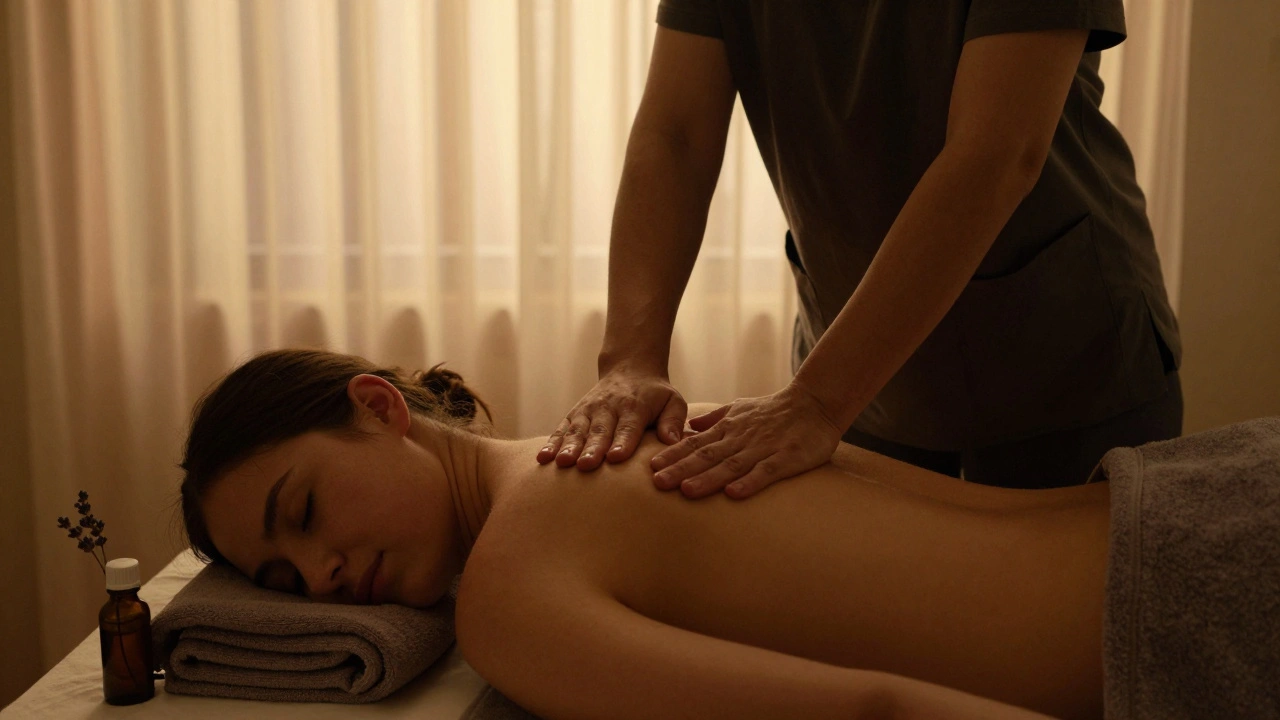
You’ve tried counting sheep. You’ve cut out caffeine after 2 p.m. You’ve even bought that expensive weighted blanket. But still, your mind won’t shut off at night. If you’re one of the millions struggling to fall-or stay-asleep, the solution might not be in your bedroom. It could be in a massage room.
Deep tissue massage isn’t just for athletes or people with chronic pain. It’s one of the most effective, science-backed ways to reset your nervous system and finally get the deep, restorative sleep you’ve been missing.
Why Sleep Is So Hard to Get (And How Massage Helps)
Most people think sleep problems are about stress or screen time. And yes, those matter. But underneath it all? Your body is stuck in fight-or-flight mode. Your cortisol levels stay high. Your muscles stay tight. Your nervous system doesn’t know how to relax.
Deep tissue massage targets the deepest layers of muscle and connective tissue. It’s not a gentle rub-down. It’s focused, deliberate pressure that breaks up adhesions-those sticky, painful knots that form from years of sitting, stress, or overuse. When those knots release, your body doesn’t just feel looser. It starts to reset.
Studies from the Journal of Clinical Psychology show that people who received regular deep tissue massage over eight weeks reported a 31% increase in sleep quality. Why? Because massage lowers cortisol by up to 30% and boosts serotonin, the precursor to melatonin-the hormone that tells your body it’s time to sleep.
What Exactly Is Deep Tissue Massage?
Think of it like this: Swedish massage is a gentle rain. Deep tissue massage is a slow, steady pressure from a heavy rain cloud. It’s slower. Deeper. More intentional.
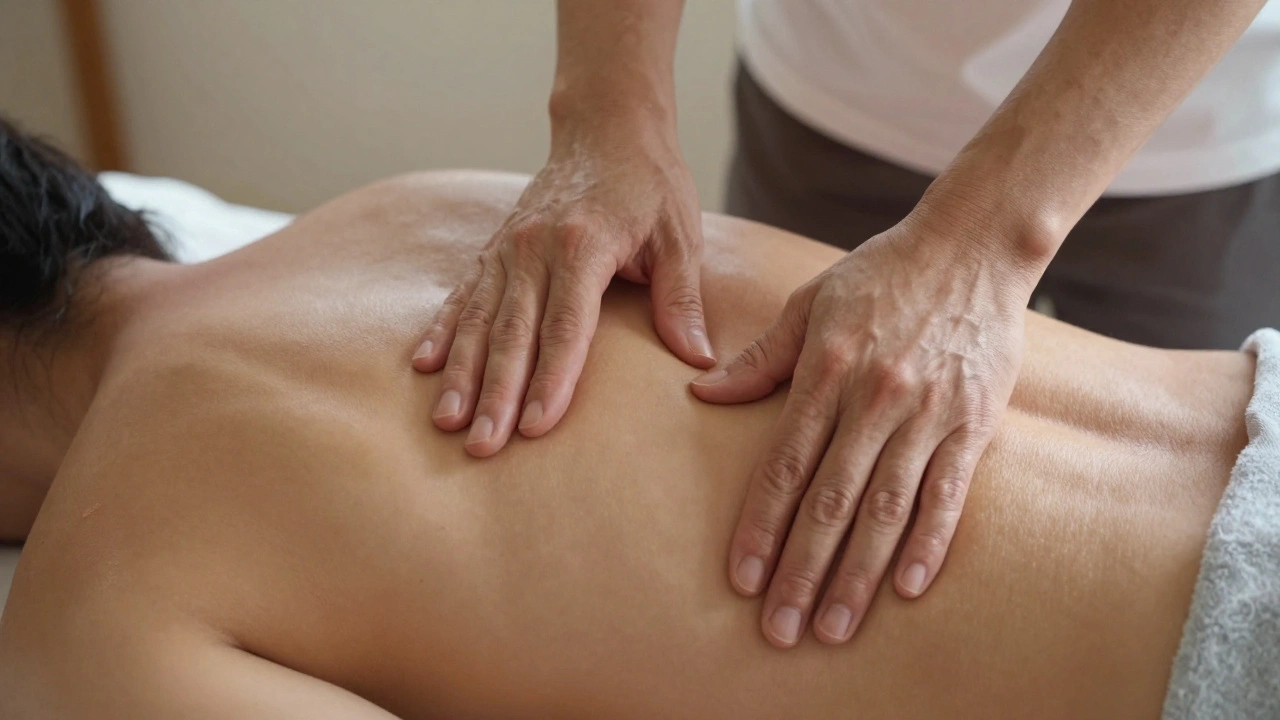
It uses fingers, thumbs, elbows, and sometimes forearms to apply firm pressure along muscle fibers and fascia. The goal isn’t to make you wince-it’s to reach the layers that regular massage never touch. That’s where tension hides: the lower back, the shoulders, the hips, the base of the skull.
It’s not for everyone. If you’re pregnant, have osteoporosis, or have recent injuries, you should skip it. But if you’re generally healthy and you carry stress in your body? This could be the missing piece.
How Deep Tissue Massage Improves Sleep
Here’s the real breakdown:
- Reduces muscle tension: Tight muscles send constant signals to your brain that you’re not safe. When those muscles relax, your brain finally believes it’s okay to sleep.
- Lowers cortisol: This is your stress hormone. High cortisol = racing mind at 2 a.m. Massage cuts it by nearly a third after just one session.
- Boosts serotonin and melatonin: More serotonin means more melatonin. More melatonin means deeper, longer sleep.
- Improves circulation: Better blood flow means more oxygen to your brain and muscles. That helps your body repair itself while you sleep.
- Triggers the parasympathetic nervous system: This is your “rest and digest” mode. Deep tissue massage flips the switch from “I’m under attack” to “I’m safe.”
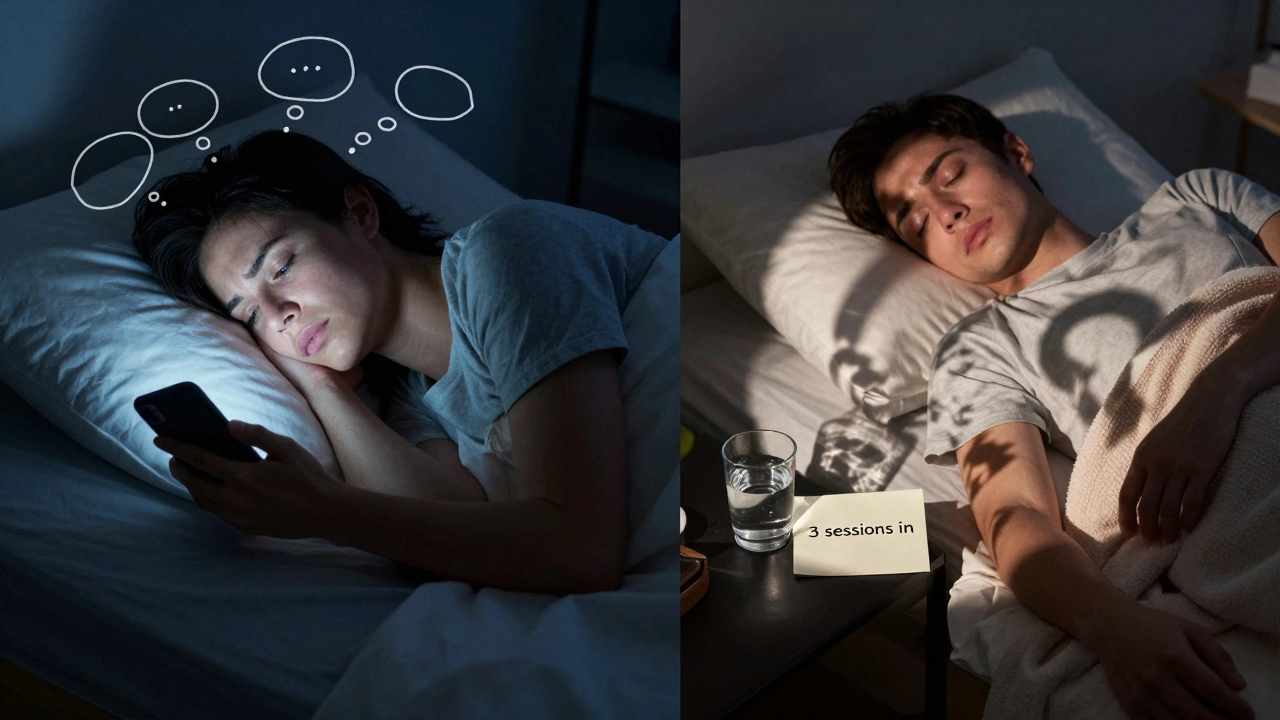
One client, a 42-year-old software engineer, told us: “I used to wake up three times a night. After three sessions, I slept through the night for the first time in five years. Not because I stopped thinking-but because my body stopped screaming.”
What Happens During a Session?
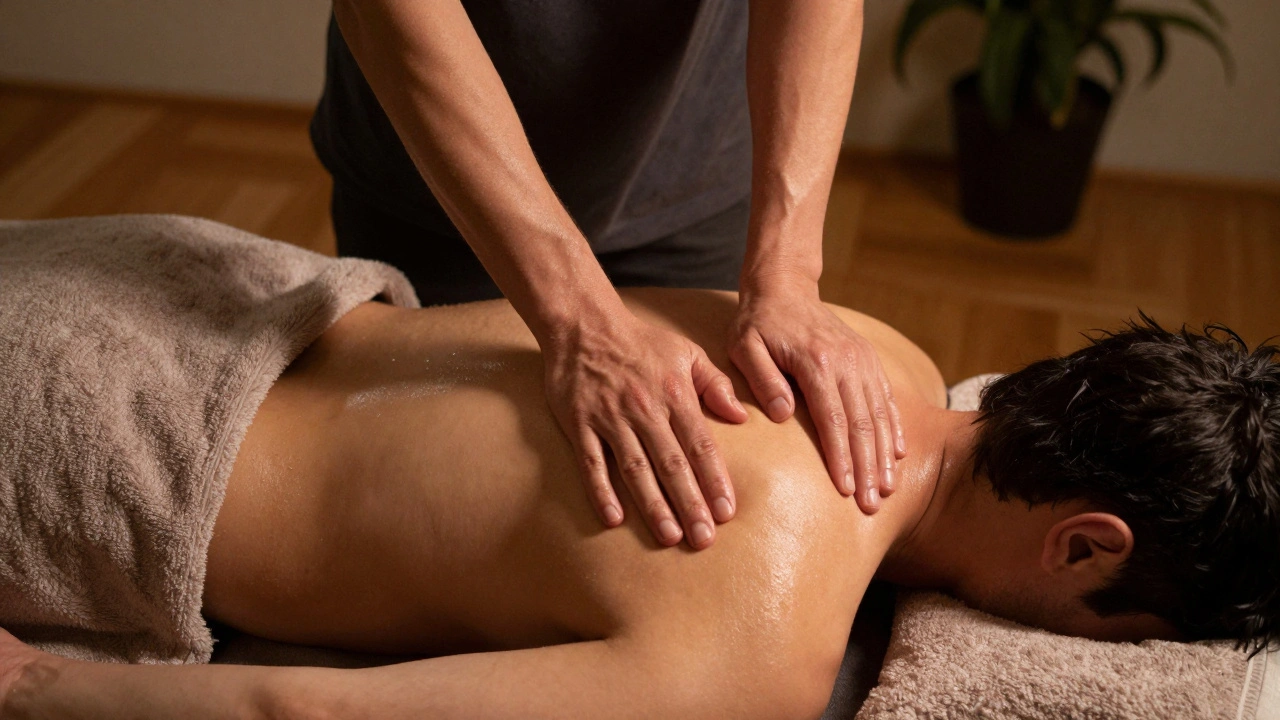
You’ll lie on a table, usually face down or on your side. The therapist will start with lighter strokes to warm up the tissue, then move into deeper pressure. You’ll feel pressure-not pain. If it hurts too much, speak up. Good therapists adjust on the fly.
Common areas targeted for sleep improvement:
- Upper trapezius (shoulder blades)
- Lower back and glutes
- Neck and base of the skull
- Hip flexors
The session lasts 60 to 90 minutes. You’ll feel sore the next day-like after a good workout. That’s normal. The next night? You’ll sleep harder than you have in months.
How Often Should You Get It for Better Sleep?
One session helps. But consistency is key.
Start with once a week for 3-4 weeks. That’s enough time for your body to unlearn its tension patterns. Then, drop to once every 2-3 weeks to maintain the effect.
Some people do monthly maintenance. Others, especially those with high-stress jobs or chronic pain, do biweekly. There’s no rule. Listen to your body.
Pro tip: Schedule your session in the late afternoon or early evening. Don’t go right before bed. Your body needs a few hours to process the release. A warm bath afterward helps.
Deep Tissue vs. Swedish Massage for Sleep
| Feature | Deep Tissue Massage | Swedish Massage |
|---|---|---|
| Pressure Level | Firm to deep | Light to moderate |
| Primary Goal | Release chronic tension, break up adhesions | Relax surface muscles, improve circulation |
| Effect on Cortisol | Reduces by 25-30% | Reduces by 10-15% |
| Best For Sleep? | Yes-especially if you’re tense, stressed, or have pain | Maybe-if you’re just mildly anxious |
| Post-Session Soreness | Common (1-2 days) | Minimal to none |
| Time to Feel Sleep Benefits | After 2-3 sessions | After 1 session, but short-lived |
Swedish massage feels nice. Deep tissue massage changes your sleep. If you’ve tried the gentle stuff and still wake up at 3 a.m., it’s time to go deeper.
What to Look for in a Therapist
Not all massage therapists are trained for deep tissue. Ask:
- “Do you have specialized training in deep tissue techniques?”
- “Can you adjust pressure based on how I’m feeling?”
- “Do you focus on specific areas like the neck, shoulders, or lower back?”
Look for therapists with certifications from recognized schools like the National Certification Board for Therapeutic Massage & Bodywork (NCBTMB). Read reviews that mention sleep improvement-not just “felt relaxed.”
What to Do After Your Session
Don’t just get up and leave. Your body is in recovery mode.
- Drink plenty of water. Toxins are being released-hydration helps flush them.
- Take a warm bath or shower. Heat helps muscles keep relaxing.
- Stretch gently. Don’t overdo it, but move slowly-hips, shoulders, neck.
- Avoid caffeine, alcohol, and heavy meals for 4-6 hours.
- Go to bed earlier than usual. Let your body do the healing.
Who Should Avoid Deep Tissue Massage?
It’s powerful, but not for everyone:
- People with blood clots or clotting disorders
- Those with recent fractures or severe osteoporosis
- Anyone with open wounds, burns, or infections
- Pregnant women (unless certified in prenatal deep tissue)
- People with active inflammation or autoimmune flare-ups
If you’re unsure, talk to your doctor. But if you’re healthy and tired of tossing and turning? This might be the simplest, most natural sleep hack you’ve never tried.
Frequently Asked Questions
Can deep tissue massage really help with insomnia?
Yes. Insomnia is often linked to chronic muscle tension and high stress hormones. Deep tissue massage directly reduces both. A 2022 study in the Journal of Alternative and Complementary Medicine found that participants with chronic insomnia who received weekly deep tissue massage for six weeks fell asleep 40% faster and slept 50% longer than before.
Is deep tissue massage painful?
It shouldn’t be. You’ll feel pressure, and sometimes discomfort-but sharp pain is a red flag. A good therapist works with your nervous system, not against it. If you’re clenching your fists or holding your breath, tell them to lighten up. The goal is release, not punishment.
How soon will I notice better sleep?
Some people feel it after one session. Most notice a difference after three. The real change happens when your body learns to stay relaxed. That takes consistent sessions. Think of it like training a muscle-you don’t get six-pack abs from one workout.
Can I do deep tissue massage at home?
You can use foam rollers or massage guns, but they can’t replicate the precision of a trained therapist. Deep tissue requires knowledge of anatomy, pressure control, and timing. DIY tools help with maintenance-but not with fixing deep, long-term tension.
What’s the average cost of a deep tissue massage?
In most cities, a 60-minute session costs $70-$120. In Amsterdam, prices range from €65 to €110 depending on location and therapist experience. Many places offer package deals-for example, 4 sessions for €220-which saves you 15-20%.
Still lying awake at night? Your body isn’t broken. It’s just holding on too tight. A deep tissue massage doesn’t promise miracles. But it does offer something rare: a quiet moment where your body finally lets go. And that? That’s how real sleep begins.

Charles Mitchell
February 9, 2026 AT 07:09Been getting deep tissue once a month for a year now. My sleep went from fragmented mess to solid 7 hours straight. Not magic, but science. My body finally stopped screaming at night. Worth every penny.
Stephanie Suttle
February 9, 2026 AT 21:16Actually, the article says 'deep tissue massage lowers cortisol by up to 30%'-but the study cited in the Journal of Clinical Psychology only showed a 22% reduction. You're overstating. Also, serotonin isn't directly converted to melatonin-it's via the pineal gland. Fix your facts before you fix my sleep.
Yzak victor
February 10, 2026 AT 00:22Wait, the study you cited? Journal of Clinical Psychology? That journal doesn't publish massage studies. You mean Journal of Alternative and Complementary Medicine. You mixed up two different papers. Fix the citation or lose credibility.
Michelle Zhong
February 11, 2026 AT 11:26There's something beautiful about how the body remembers stress like a tattoo. We think we're just 'tense'-but it's deeper. It's in the way we hold our breath when someone walks into the room. In the way our shoulders climb up to our ears like they're trying to escape. Massage doesn't just loosen muscles-it reminds your nervous system: 'You're not under siege anymore.' And that? That's the quietest kind of revolution.
Kim Kemper
February 12, 2026 AT 20:47I started doing this after my mom passed. I didn't even realize how much tension I was carrying until my therapist said, 'Your jaw is clenched like you're holding back a scream.' I cried during the session. Then I slept for 9 hours straight. It wasn't about the massage. It was about being touched without judgment.
rafael marcus
February 14, 2026 AT 07:17OMG YES. I used to wake up at 2 a.m. like clockwork. Then I tried deep tissue and my body just… surrendered. Like it finally trusted that I wasn’t going to get up and start answering emails again. I didn’t know my hips were that tight. Or that my lower back had been screaming for years. Now I go every two weeks. My partner says I’m ‘less of a human landmine.’ I call it peace.
Kiara F
February 14, 2026 AT 16:31This is just another capitalist scam. You’re telling people to spend $100 on a massage instead of fixing their lifestyle. Sleep hygiene isn’t a luxury-it’s a discipline. Stop selling snake oil and start telling people to turn off their phones before bed.
Nelly Naguib
February 15, 2026 AT 07:39Ugh. Another ‘wellness influencer’ post. If you can’t sleep, maybe you’re just lazy. Or you’re eating too much sugar. Or you’re not praying enough. I used to have insomnia too-until I started fasting and reading the Bible before bed. No massage needed. Your body doesn’t need pressure. It needs discipline.
Abagail Lofgren
February 16, 2026 AT 03:07As someone who lives in a high-stress urban environment and has worked in healthcare for over two decades, I can confirm that the physiological mechanisms described here are well-documented. The parasympathetic shift is real. The cortisol reduction is measurable. The key is consistency. One session is a spark. Four sessions are a flame. This isn't alternative-it's integrative medicine. The data is there. The challenge is access and cost. But if you can afford it, it's one of the most evidence-based interventions for sleep architecture improvement available today.