Tuina Massage: The Key to Maintaining Physical and Emotional Balance
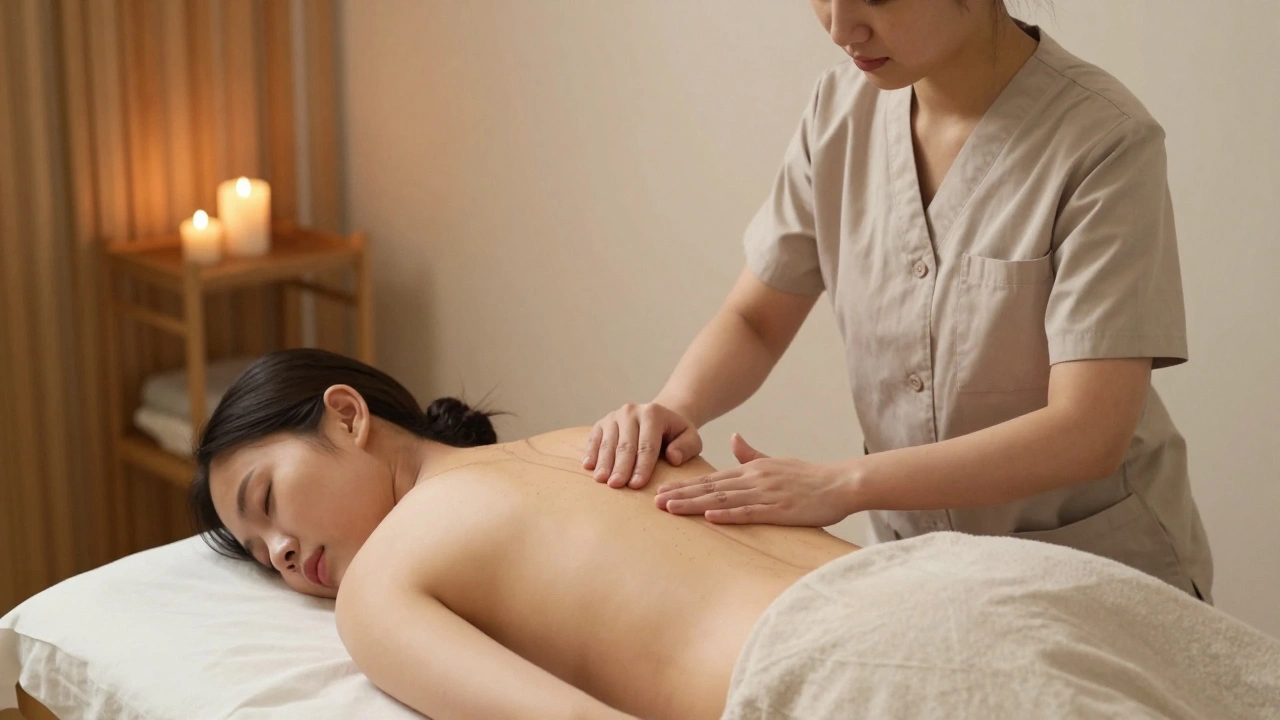
You know that heavy feeling in your shoulders after a long week? Or how your stomach knots up when you’re overwhelmed? What if there was a way to untangle both your body and mind-without pills, needles, or hours on a therapist’s couch? That’s where tuina massage comes in. It’s not just another massage. It’s a 2,000-year-old Chinese healing practice that works on your energy, your muscles, and your emotions-all at once.
What Exactly Is Tuina Massage?
Think of tuina as acupuncture without the needles. It’s a hands-on therapy rooted in Traditional Chinese Medicine (TCM). Practitioners use their palms, fingers, thumbs, and elbows to apply pressure along your body’s energy pathways-called meridians. These aren’t imaginary lines; they’re the same channels used in acupuncture to move qi (pronounced "chee"), your life force energy.
Unlike Swedish massage, which glides gently over your skin, tuina digs deeper. It’s firm, targeted, and rhythmic. You might feel a slight ache as the therapist works on a tight spot, but it’s not painful. It’s more like when you finally crack your back after sitting too long-except it’s done by someone who knows exactly where to press.
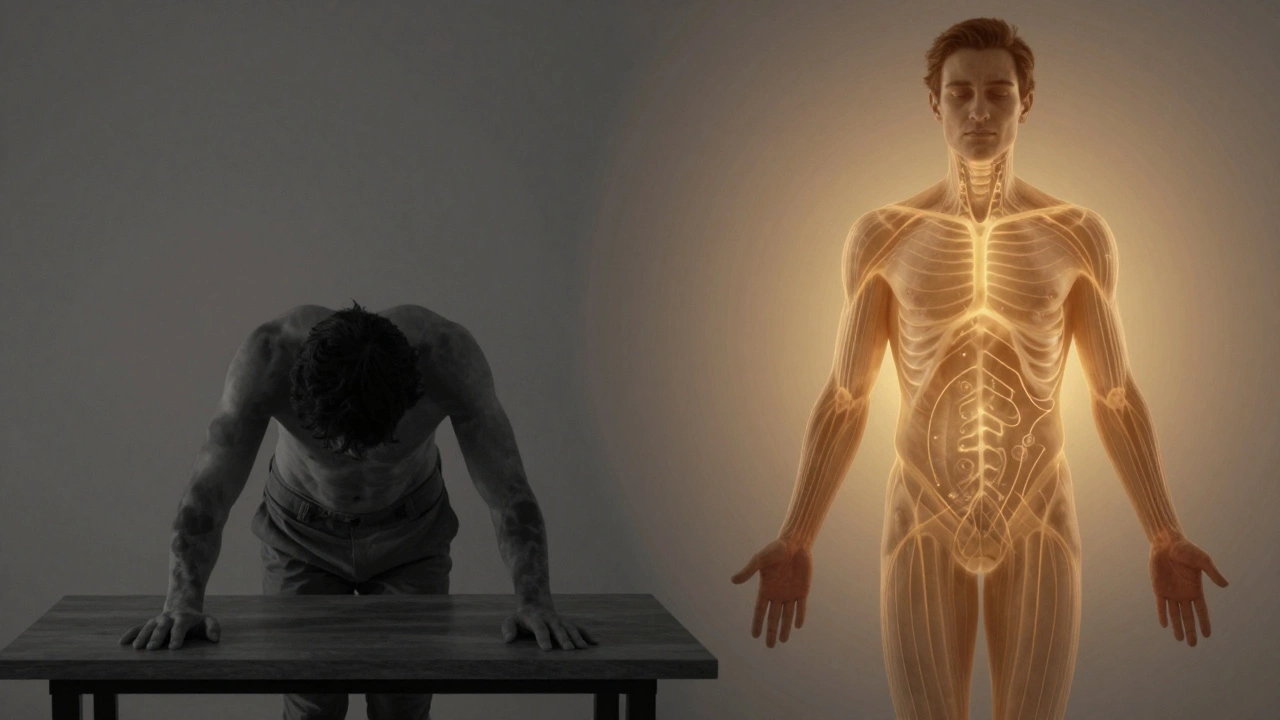
It’s not just about muscles. In TCM, emotional stress, poor sleep, or even digestive issues are signs of blocked energy. Tuina doesn’t just rub away tension-it helps restore the flow. That’s why people come back not just for sore backs, but for anxiety, insomnia, and even menstrual cramps.
Why Tuina Works: The Science Behind the Pressure
Modern research is catching up to ancient wisdom. A 2023 study from the Journal of Traditional Chinese Medical Sciences found that tuina significantly reduced cortisol levels-the body’s main stress hormone-in participants after just four weekly sessions. Another trial in Beijing showed that patients with chronic neck pain improved more with tuina than with standard physical therapy.
Here’s how it actually works in your body:
- Breaks down adhesions: Tight muscles form little knots (trigger points). Tuina’s deep pressure helps release them, improving mobility.
- Boosts circulation: Better blood flow means more oxygen and nutrients reach your tissues, speeding up recovery.
- Stimulates the nervous system: Gentle but firm pressure activates the parasympathetic nervous system-the one that says, "You’re safe now." That’s why you feel calm afterward.
- Regulates organ function: In TCM, the liver handles stress, the spleen manages digestion, and the heart rules emotions. Tuina points connected to these organs can help them work better.
One client in Amsterdam, a 42-year-old teacher, told me she started tuina after years of migraines and panic attacks. After six sessions, her headaches dropped from five times a week to once a month. "It’s like my body finally remembered how to relax," she said.
How Tuina Differs From Other Massages
You’ve probably tried Swedish, deep tissue, or even Thai massage. Here’s how tuina stands out:
| Feature | Tuina Massage | Swedish Massage | Deep Tissue | Thai Massage |
|---|---|---|---|---|
| Primary Goal | Balance energy, treat root causes | Relaxation, general tension relief | Break down deep muscle knots | Stretching + pressure, yoga-like |
| Pressure Level | Firm, targeted, rhythmic | Light to medium | Very deep, sometimes intense | Variable, includes stretching |
| Use of Oils | Usually none | Yes | Sometimes | No |
| Position | Sitting or lying | Lying down | Lying down | Lying on floor, fully clothed |
| Emotional Impact | Often calming, grounding | Relaxing | May leave you sore | Invigorating |
| Best For | Chronic stress, emotional imbalance, digestive issues | General relaxation | Athletes, chronic pain | Flexibility, energy boost |
Tuina isn’t about feeling good for an hour-it’s about fixing what’s out of sync. That’s why it’s often recommended alongside acupuncture or herbal medicine in China. In Amsterdam, more holistic clinics are starting to offer it as a standalone therapy-and it’s gaining traction fast.
What Happens During a Tuina Session?
First, your practitioner will ask questions-not just about your pain, but your sleep, digestion, mood, and even your menstrual cycle if applicable. They’re not being nosy. They’re mapping your energy.
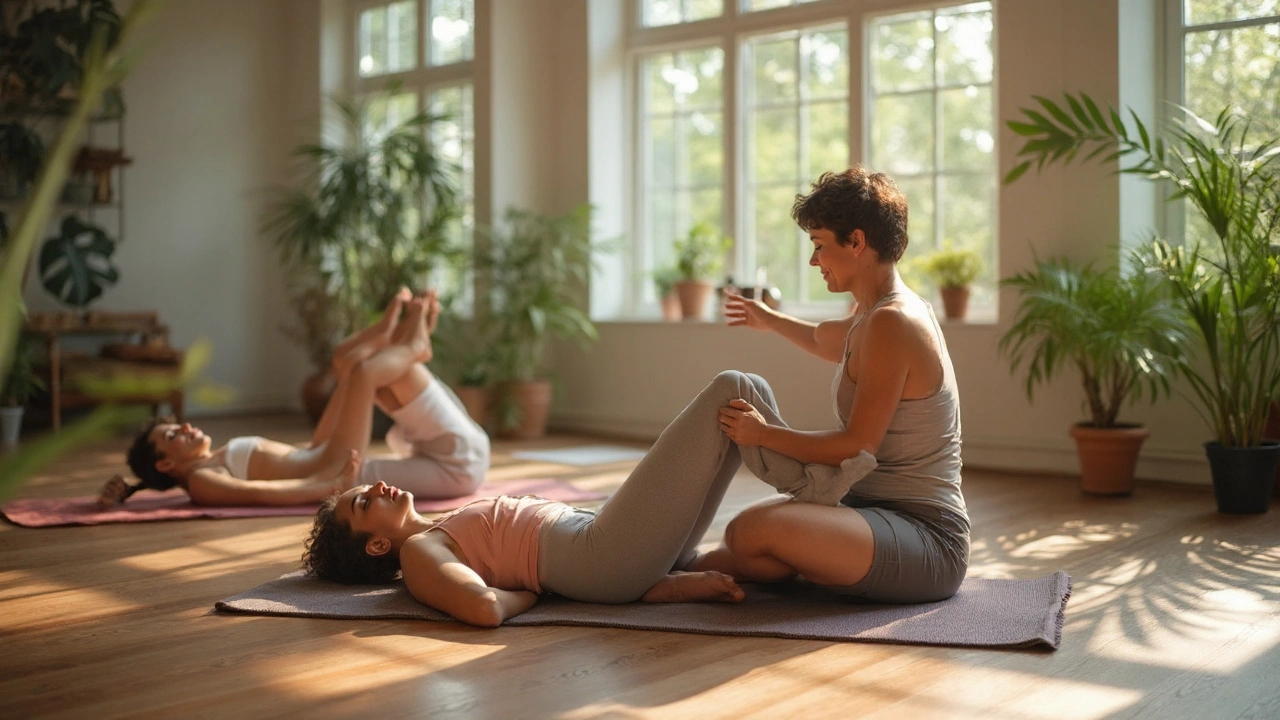
You’ll stay fully clothed, usually in loose, comfortable clothes. No oils, no music blasting-just quiet focus. The therapist will begin with gentle strokes to warm up your muscles, then move to deeper techniques:
- Rolling: Using the knuckles to roll over tight areas, like the upper back or shoulders.
- Pressing: Holding steady pressure on key points, similar to acupressure.
- Grasping: Gently pulling and releasing muscles, especially around the neck and arms.
- Pushing: Using the heel of the palm to move energy along meridians.
A typical session lasts 45 to 60 minutes. You might feel warmth, tingling, or a slight ache-these are signs your energy is moving. Afterward, you’ll feel deeply calm, sometimes even a little spaced out. That’s normal. Drink water. Rest. Don’t jump into a meeting right away.
Where to Find Tuina Massage in Amsterdam
Tuina isn’t as common as Swedish massage here, but it’s growing. You’ll find it mostly in holistic wellness centers, TCM clinics, and a few specialized studios. Look for places that mention "Traditional Chinese Medicine" or "acupuncture"-they’re likely to offer tuina too.
Here are a few trusted spots in Amsterdam:
- Yin Yang Wellness (De Pijp): Offers tuina as part of integrative TCM packages. Practitioners are licensed in China.
- Amsterdam TCM Center (Oud-West): Run by a Chinese-trained therapist who combines tuina with herbal advice.
- Healing Hands Studio (Amsterdam-Zuid): Focuses on emotional balance through tuina and qi gong.
Always ask if the therapist has formal training in TCM. Tuina isn’t just "deep pressure"-it’s a medical system. Someone who learned it from a YouTube video won’t give you the same results.
Who Should Try Tuina-and Who Should Skip It
Tuina is safe for most people. But it’s not for everyone:
- Great for: People with chronic stress, anxiety, insomnia, headaches, digestive issues, or muscle stiffness from sitting all day.
- Avoid if: You have open wounds, recent fractures, severe osteoporosis, or are in the first trimester of pregnancy (unless cleared by your doctor).
- Caution: If you’re on blood thinners, let your therapist know. They’ll adjust pressure to stay safe.
One thing to remember: Tuina doesn’t replace medical treatment. If you have a heart condition, cancer, or autoimmune disease, talk to your doctor first. But as a complementary therapy? It’s powerful.
How Much Does It Cost?
In Amsterdam, a 60-minute tuina session usually costs between €65 and €95. Some clinics offer packages: five sessions for €300, for example. That’s cheaper per visit and helps you build momentum.
Insurance? A few Dutch private insurers cover tuina if it’s provided by a licensed TCM practitioner. Check with your provider-they often require a referral from a GP or specialist.
Don’t go for the cheapest option. Tuina is a skill. A trained therapist takes years to learn the meridians and pressure points. You’re paying for expertise, not just time.
What to Do After Your Session
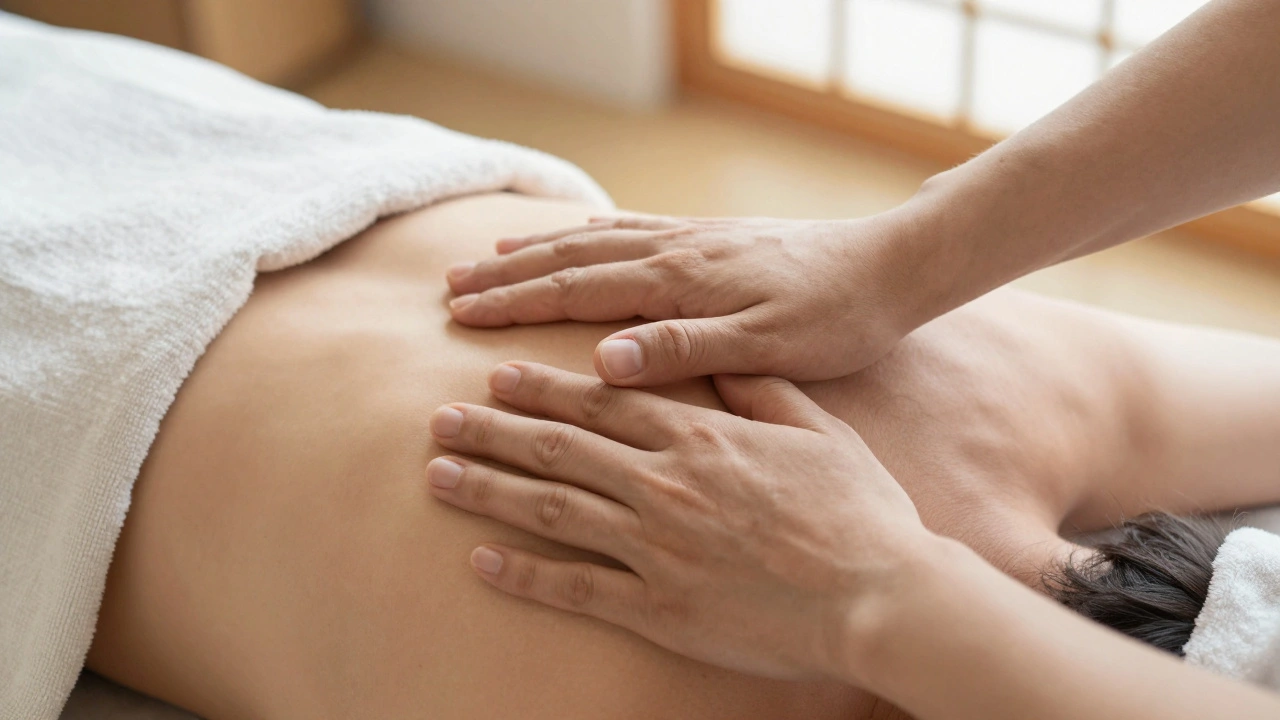
Don’t rush off. Give your body 20-30 minutes to settle. Avoid caffeine, alcohol, or heavy meals right after. You might feel tired-that’s your body processing the release.
Some people notice changes after one session. But for lasting results, plan for 4-6 sessions spaced weekly. Think of it like building a habit: one workout won’t change your fitness, but six will.
Keep a journal. Note how you sleep, how your digestion feels, whether your anxiety spikes less. These subtle shifts matter more than you think.
FAQ: Your Questions About Tuina Massage Answered
Is tuina massage painful?
It shouldn’t be. You might feel a deep ache or pressure, especially on tight spots, but it should never feel sharp or unbearable. Good therapists adjust pressure based on your feedback. If it hurts too much, speak up.
Can tuina help with anxiety and depression?
Yes. Studies show tuina lowers cortisol and increases serotonin and dopamine levels. Many clients report feeling calmer, more centered, and less reactive after regular sessions. It’s not a replacement for therapy, but it’s a powerful tool to support emotional health.
Do I need to believe in energy for it to work?
No. You don’t need to believe in qi. Many skeptics have felt the physical benefits-less pain, better sleep, reduced tension. The science of pressure, circulation, and nervous system regulation works whether you believe in energy or not.
How often should I get tuina massage?
For acute issues (like a stiff neck or recent stress), once a week for 4-6 weeks is ideal. For maintenance, once a month keeps energy flowing smoothly. Listen to your body-if you feel more balanced, you’re on the right track.
Can I do tuina on myself?
You can learn basic acupressure points for stress relief-like pressing between your eyebrows or the webbing between thumb and index finger. But full tuina requires training. Self-massage helps, but it’s not the same as having a skilled therapist work on deeper imbalances.
Ready to Find Your Balance?
You don’t have to live with constant tension, sleepless nights, or that low hum of anxiety. Tuina massage isn’t a miracle cure-but it’s one of the most direct ways to reconnect your body and mind. In a world that never stops asking for more, sometimes the best thing you can do is let someone else hold you-just long enough to remember how to breathe.
Book your first session. Try it once. See how your body feels a week later. You might be surprised what happens when you stop fighting your own energy-and start working with it.
Chris Hill
February 3, 2026 AT 18:35Tuina has been a game-changer for me-not just physically, but emotionally. After my dad passed, I carried that grief in my shoulders like a second skeleton. No therapy, no meditation, nothing helped until I tried tuina. It didn’t fix my pain, but it gave me space to feel it without drowning in it. I’ve been going monthly for two years now. My therapist says my meridians are ‘unsticking like a river after a drought.’ I don’t know what that means, but I know I sleep better. And that’s enough.
Also, if you’re skeptical about energy channels? I was too. But I don’t need to believe in qi to feel the difference in my spine. Science or soul-it works either way.
Damien TORRES
February 3, 2026 AT 21:39While I appreciate the anecdotal and phenomenological framing presented in this article, I must respectfully interject that the purported physiological mechanisms underlying tuina massage remain largely speculative within the context of evidence-based biomedical paradigms. The concept of qi, while culturally significant in Traditional Chinese Medicine, lacks empirical validation under controlled, double-blind conditions. The referenced 2023 study from the Journal of Traditional Chinese Medical Sciences, while intriguing, suffers from methodological limitations including small sample size, lack of placebo control, and potential publication bias inherent in niche journals. Furthermore, the assertion that tuina ‘regulates organ function’ via meridian stimulation is not supported by modern neuroanatomical or physiological models. One must distinguish between subjective experience-such as perceived calmness or reduced tension-and objective, measurable biomarkers. Until tuina is subjected to rigorous, reproducible clinical trials with standardized protocols and independent replication, it remains an intriguing complementary modality, but not a validated therapeutic intervention.
Marie Liao
February 5, 2026 AT 13:04Allow me to correct several egregious inaccuracies in this otherwise charmingly naive piece. First, ‘qi’ is pronounced ‘chee,’ not ‘chee’-wait, no, that’s correct, but the article’s casual tone undermines its credibility. Second, the claim that ‘tuina doesn’t replace medical treatment’ is an understatement; it should be explicitly stated that no licensed medical authority endorses it as a primary intervention for any condition. Third, the reference to ‘meridians’ as ‘not imaginary lines’ is scientifically indefensible-they are conceptual constructs with no anatomical correlate, unlike, say, the vagus nerve or the hepatic portal system. Fourth, the phrase ‘your body finally remembered how to relax’ is not only anthropomorphizing physiology, it’s grammatically sloppy. And fifth-why is there a table with no caption? In academic writing, this would be grounds for immediate rejection. The article reads like a blog post written by someone who watched three YouTube videos and then took a nap in a spa.
That said, if it helps people feel better, fine. But let’s not confuse comfort with evidence.
Steve Trojan
February 6, 2026 AT 08:20I’ve trained in TCM in Guangzhou and now teach tuina in Portland. What I love about this article is how it avoids the mystical fluff and focuses on what actually happens in the room. People think it’s all about energy-but it’s about touch, timing, and intention. The rolling technique? That’s breaking up fascial adhesions. The pressing? It’s stimulating parasympathetic ganglia near the spine. You don’t need to believe in qi to feel your heart rate drop after a session.
And yes, the therapist’s questions about your sleep and digestion? That’s not nosiness-it’s diagnosis. In TCM, the liver doesn’t just ‘process emotions,’ it regulates bile flow and blood storage. If you’re anxious and bloated? That’s liver-spleen disharmony. Tuina can nudge that back. Not magic. Just medicine with a different map.
Also-don’t go to some ‘wellness center’ where the therapist learned tuina from a 10-minute TikTok. Find someone with at least 500 hours of clinical training. It’s like going to a dentist who learned from a YouTube video. You wouldn’t do that. Don’t do it with your body either.
Daniel Seurer
February 7, 2026 AT 18:59I tried tuina last year after my back went out again. I was skeptical. I thought it was just fancy pressure. But after the third session, I didn’t need my ibuprofen anymore. I didn’t even realize how much I was holding my breath until I started breathing deeper. Now I tell everyone I know. My mom, who’s 72, started going too. She says her knees feel lighter. My sister, who’s always stressed, says she sleeps through the night. I don’t know about qi or meridians. I just know I feel better. And that’s all I care about. If it works, why overthink it? Just go. Don’t wait until you’re in pain. Go when you’re just a little off. That’s when it works best.
Also, wear loose pants. I wore jeans once. Big mistake. My therapist looked at me like I’d brought a rock to a knife fight.