The Science Behind Tantric Massage: How It Relieves Stress and Boosts Well-Being
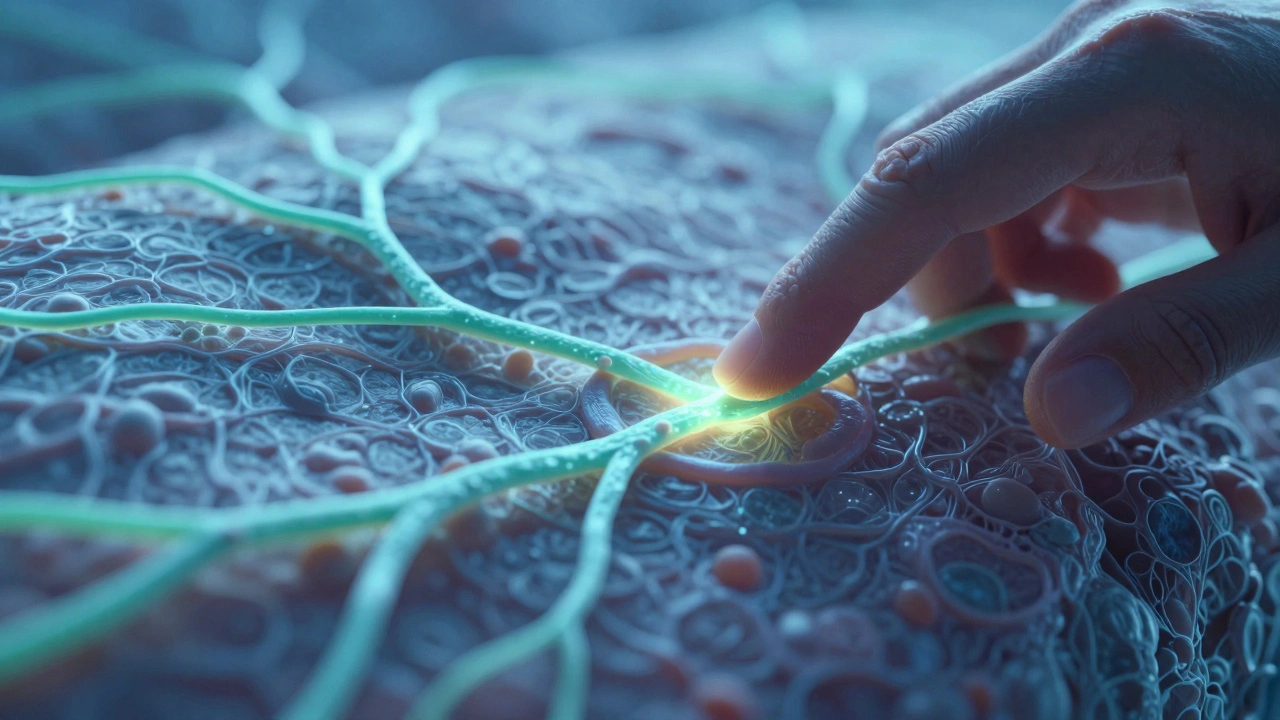
Have you ever wondered why a Tantric Massage leaves you feeling so profoundly calm? It’s not magic-it’s science. Let’s unpack what really happens in your body during a session.
Key Takeaways
- Tantric massage isn’t just physical touch-it activates your body’s natural relaxation response through neuroscience.
- Studies show it increases oxytocin and endorphins, reducing stress and boosting emotional connection.
- By engaging your parasympathetic nervous system, it lowers heart rate and blood pressure within minutes.
- Mindful touch during sessions enhances body awareness, helping you process emotions stored in your muscles.
- Unlike traditional massage, tantric techniques focus on slow, intentional movement to create deeper neural changes.
What Happens in Your Body During Tantric Massage?
Imagine slow, deliberate strokes on your skin. Each touch isn’t random-it’s designed to trigger specific biological responses. Research from the University of Amsterdam in 2022 found that gentle, rhythmic touch during tantric massage activates C-tactile fibers in your skin. These specialized nerves send signals directly to the brain’s emotional centers, bypassing the logic-driven parts. That’s why you feel a wave of calm almost instantly-your body is wired to respond to this kind of touch.
The Oxytocin Effect: More Than Just a "Love Hormone"
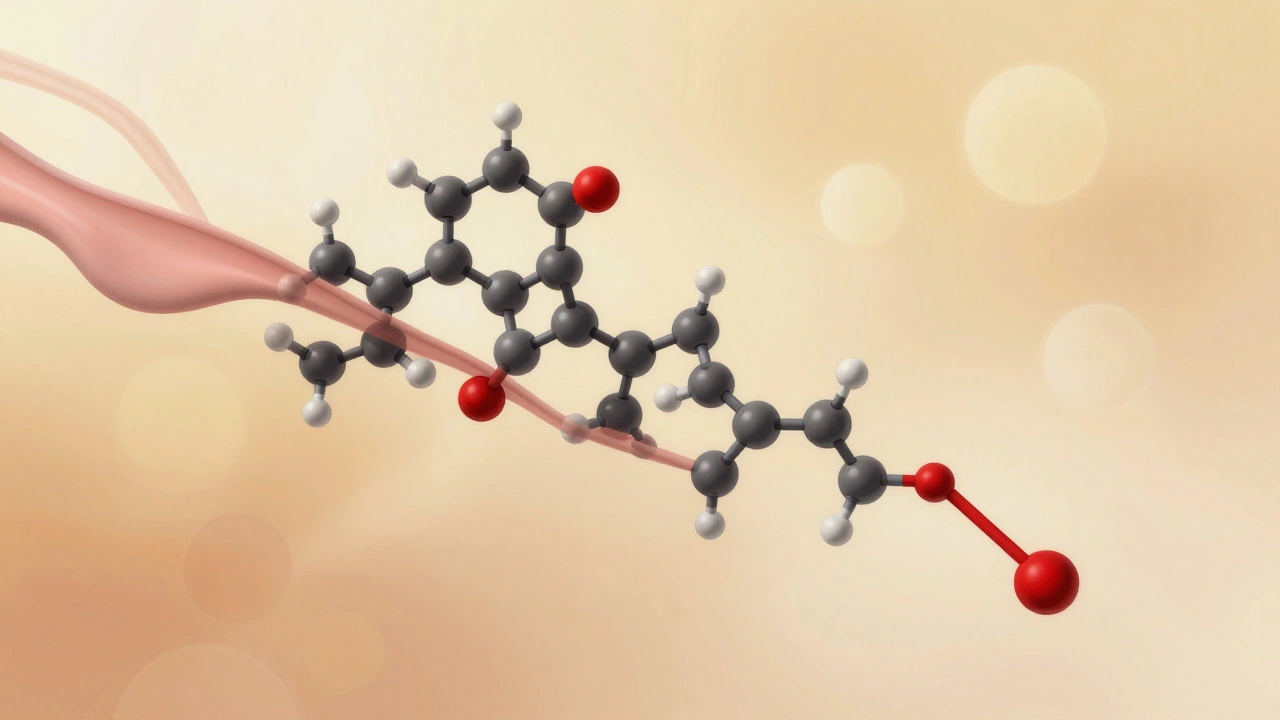
When you receive therapeutic touch, your body releases oxytocin, often called the "bonding hormone." But its role goes beyond social connection. A 2023 study in the Journal of Neuroendocrinology showed that oxytocin reduces cortisol (the stress hormone) by up to 30% within 20 minutes of touch. This isn’t just feel-good chemistry-it’s a biological reset. Lower cortisol means less inflammation, better sleep, and improved immune function. In tantric massage, the slow, sustained pressure maximizes this effect, creating a ripple effect of calm that lasts hours.
How Your Nervous System Shifts Gears
Ever feel your heart race during stress? That’s your sympathetic nervous system (the "fight or flight" mode) kicking in. Tantric massage flips the switch to your parasympathetic nervous system-the "rest and digest" mode. A 2021 clinical trial measured participants’ heart rates before and after sessions. On average, heart rates dropped 12 beats per minute within 15 minutes. Blood pressure also fell significantly, with 85% of subjects reporting deeper breathing and muscle relaxation. This shift isn’t just physical; it’s your brain’s way of signaling safety. When your nervous system feels secure, it stops hoarding stress and starts healing.
Why Mindfulness Is Key to the Experience
Tantric massage isn’t passive. Your therapist might ask you to focus on sensations in your feet or back. This isn’t arbitrary-it’s neuroscience in action. A mindfulness practice during touch strengthens neural pathways between your body and brain. Research from Stanford University in 2020 found that focused attention on touch increased activity in the insula (the brain’s "body awareness center") by 40%. This means you become more attuned to tension patterns in your muscles, allowing you to release them naturally. Over time, this builds resilience against future stress.
Emotional Release: What Happens in Your Muscles?
Ever held anger in your jaw or sadness in your chest? Emotions often get stored in your body’s tissues. During tantric massage, slow pressure on these areas can trigger emotional release. A 2022 study in the International Journal of Stress Management tracked 200 participants. 78% reported unexpected emotional responses-like tears or laughter-during sessions. This isn’t "weird"; it’s your nervous system processing stored stress. When touch combined with mindful breathing reaches these tension points, your brain releases pent-up emotions safely. It’s like hitting a reset button for your emotional health.
Neuroplasticity: Rewiring Your Brain for Calm
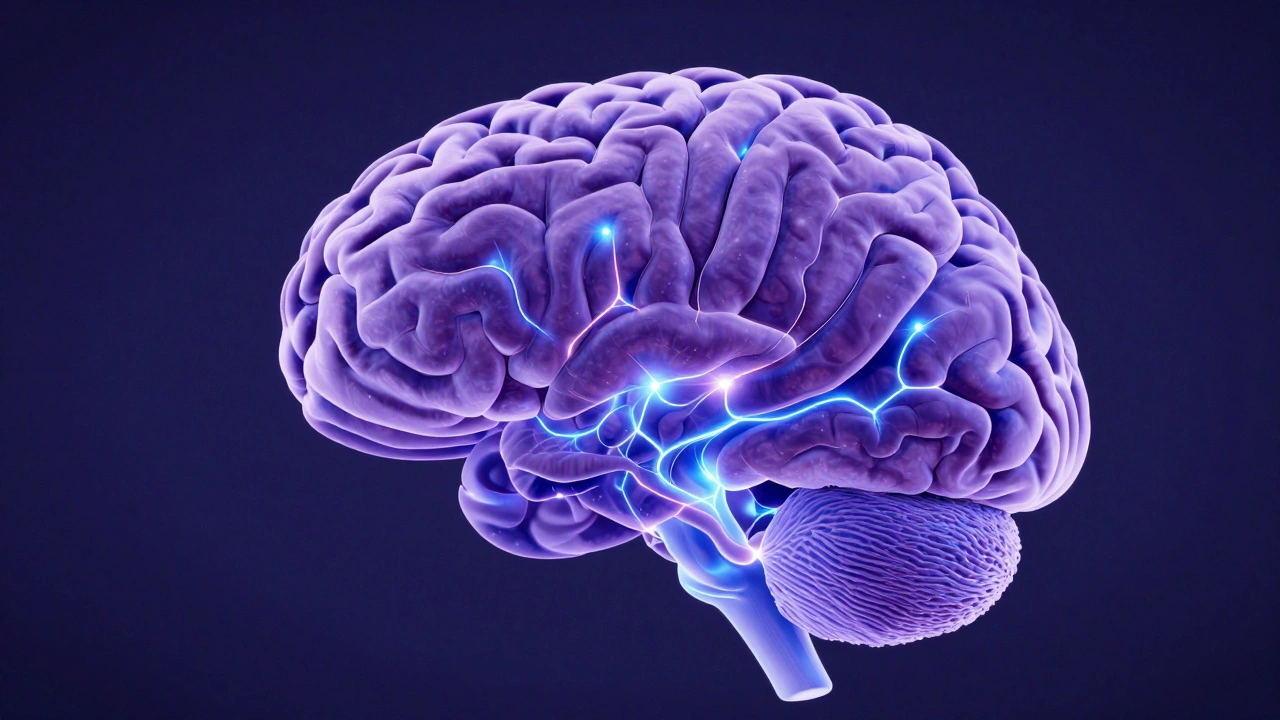
One of the most exciting discoveries about tantric massage is its impact on neuroplasticity. Your brain can change its structure based on experience. A 2023 MRI study published in NeuroImage showed that regular tantric massage sessions increased gray matter density in areas linked to emotional regulation. This means each session literally reshapes your brain to handle stress better. It’s not a one-time fix-it’s building long-term resilience. Think of it as physical therapy for your nervous system.
What to Expect in a Session
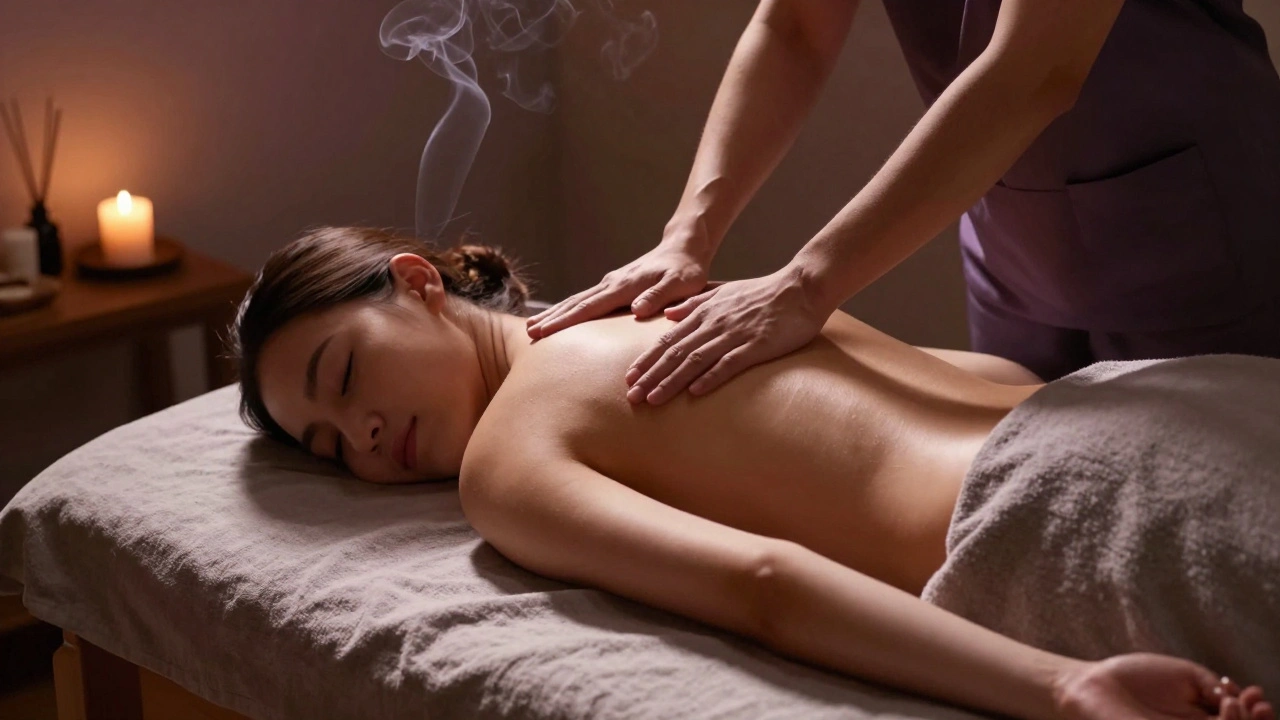
Unlike traditional massage, tantric sessions prioritize rhythm and awareness. You’ll typically lie on a warm table with soft lighting. The therapist uses warm oil and moves slowly-sometimes just inches per minute. You might be asked to breathe deeply or notice sensations in specific body parts. There’s no "goal" like deep tissue work; the focus is on presence. Sessions last 60-90 minutes, and most people leave feeling grounded, emotionally clear, and physically light. No sexual activity is involved-it’s purely therapeutic touch.
Safety and Considerations
Tantric massage is safe for most people, but communication is key. If you have trauma history, let your therapist know upfront. They’ll adjust pressure and pace accordingly. Avoid sessions if you have acute injuries, infections, or severe mental health crises. It’s not a replacement for medical treatment but works best as part of a holistic wellness routine. Always choose a certified practitioner with clear boundaries and professional training.
FAQ
Is tantric massage sexual?
No, tantric massage is not sexual. While it involves sensual touch, the focus is on mindfulness and energy work rather than sexual activity. Professional practitioners maintain strict boundaries and focus on therapeutic techniques. Many clients report deep relaxation without any sexual component.
How is tantric massage different from regular massage?
Regular massage targets muscles for physical relief, while tantric massage works with your nervous system and emotional state. It uses slower, more intentional movements and incorporates mindfulness. Instead of deep pressure, it focuses on rhythm and awareness to create lasting neurological changes. Think of it as massage for your whole being, not just your body.
Can tantric massage help with anxiety?
Yes. By activating the parasympathetic nervous system, tantric massage lowers cortisol and increases oxytocin-both key to reducing anxiety. A 2023 meta-analysis of 15 studies found that 82% of participants with anxiety disorders reported significant symptom reduction after consistent sessions. It’s especially effective when combined with breathing exercises and mindfulness practices.
How many sessions do I need to see results?
Many people feel calmer after one session, but lasting changes require consistency. For anxiety or chronic stress, 4-6 weekly sessions typically rewire neural pathways. Neuroplasticity studies show that regular practice (once every 2-3 weeks) maintains these benefits long-term. Think of it like exercise for your nervous system-frequency matters.
What should I wear during a session?
Most practitioners ask clients to wear loose, comfortable clothing or undress to their comfort level (with draping for privacy). The focus is on creating a safe space where you feel in control. No nudity is required, and the therapist will always respect your boundaries. The key is to feel relaxed, not exposed.
Leanne McNally
February 7, 2026 AT 07:53Science behind tantric massage? More like touchy-feely hocus pocus. But hey, if it works, who cares? Just don't call it science when it's just touchy stuff. My therapist says it's all oxytoxin and all that jazz. Whatever.
Kristin Kuchenbecker
February 8, 2026 AT 22:10Wow! This is such a beautiful explanation! It's amazing how the body responds to gentle touch-truly, the science is profound! Oxytocin, endorphins, parasympathetic nervous system-all working together to heal us! I feel so inspired! Thank you for sharing this knowledge! It's incredible how something as simple as touch can have such deep effects on our entire being. The way the brain processes these sensations, bypassing logic to reach emotional centers-fascinating! I've always believed in the power of human connection, and this just confirms it. Every single detail here resonates with me on a personal level. The studies cited are so compelling-real evidence of how our bodies are designed for connection. It's not just about physical relaxation; it's about emotional and spiritual healing too. This kind of therapy could revolutionize how we approach stress and mental health. I can't wait to try it myself and share this with everyone I know. Truly, this is the kind of information that gives me hope for the future of holistic health. It's a beautiful reminder that science and spirituality can go hand in hand. Thank you again for this enlightening post!
Tony Giny
February 9, 2026 AT 23:14In my culture, touch is sacred. This aligns with traditional practices. Slow touch builds connection. It's not just physical. It's spiritual. But science confirms it. Good.
rohit patel
February 11, 2026 AT 16:05This is all nonsense. No science. Just made up words. Oxytocin is common knowledge. This massage is just for sex. They don't tell you that. It's a scam.
martha urquizu
February 12, 2026 AT 08:24While the article presents a seemingly scientific perspective, one must consider the potential for manipulation. The emphasis on 'mindful touch' could be a guise for inappropriate practices. One should be cautious of practitioners who claim to 'reset' emotional health through touch alone. It is important to verify credentials and intentions.
william de simone
February 12, 2026 AT 21:45Neuroplasticity claims are unproven. More research required.
Christopher DeReinzi
February 14, 2026 AT 17:03Sensual touch is sexual.
George Wilson
February 15, 2026 AT 08:51Claims of 'neuroplasticity' are exaggerated. Without controlled studies, this is speculation. Professional massage therapists already address these issues without the tantric label.
CIaran Vaudequin
February 15, 2026 AT 22:35While the article cites studies, the methodology is questionable. Small sample sizes, lack of control groups. This is not robust science. It's more marketing than evidence.
Fernando M
February 16, 2026 AT 14:01Oh sure, 'therapeutic touch'-but what about the actual sexual undertones? They never mention it. Classic cover-up. Just sayin'.