The Journey to Relaxation Starts with a Body to Body Massage in Amsterdam
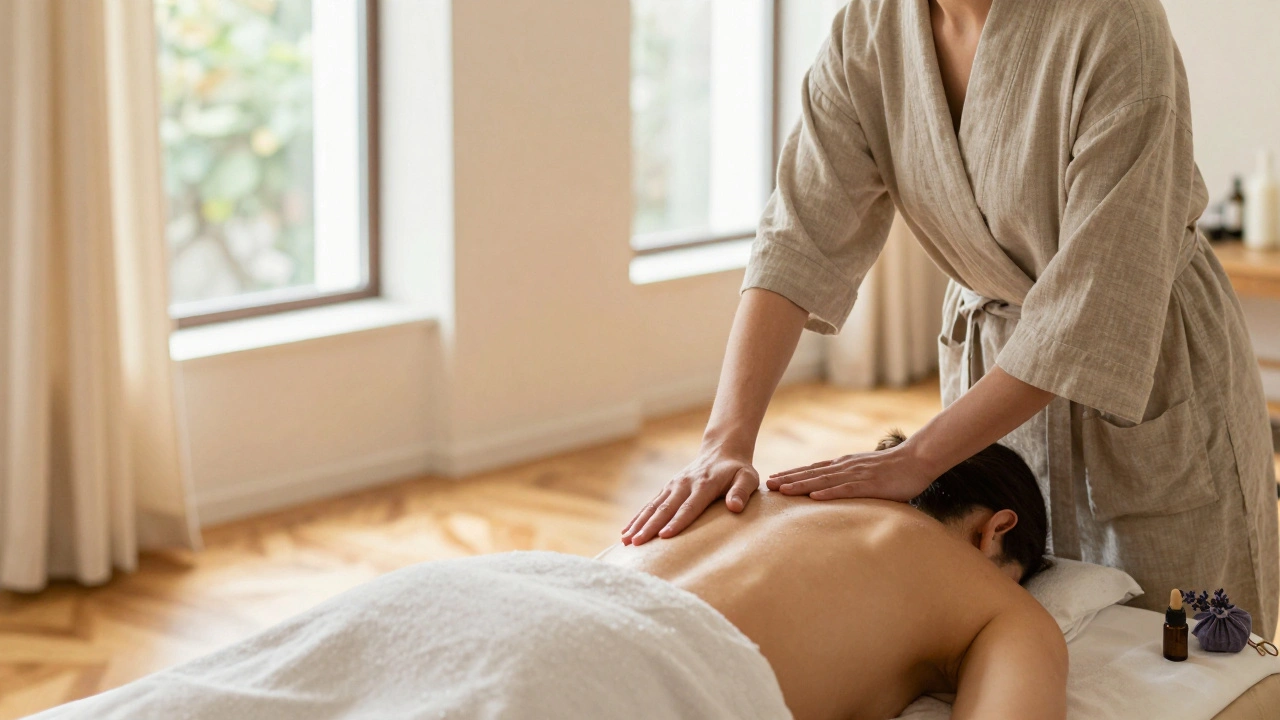
You’ve had a long week. Your shoulders are tight, your mind is buzzing, and the thought of another crowded coffee shop or noisy subway ride makes you want to crawl under a blanket and disappear. What if the answer isn’t another hour of scrolling or a quick nap-but a deep, slow, full-body release that starts with skin-to-skin touch? That’s where a body to body massage in Amsterdam comes in.
What Exactly Is a Body to Body Massage?
A body to body massage isn’t just a massage where the therapist uses their hands. It’s a technique where the therapist uses their entire body-forearms, elbows, hips, even legs-to glide over yours. Think of it like a warm, flowing river moving over rocks. There’s no pressure to perform, no awkwardness, no rushed movements. Just slow, intentional contact that helps your nervous system shift from ‘fight or flight’ to ‘rest and digest’.
This isn’t about sex. It’s about presence. It’s about letting go of the constant need to be in control. In Amsterdam, where body awareness and holistic wellness are woven into daily life, this practice has been refined over decades. Therapists here aren’t just trained in technique-they’re trained in energy, rhythm, and emotional safety.
Why Choose This in Amsterdam?
Amsterdam isn’t just famous for canals and tulips. It’s one of the few cities in Europe where body to body massage is openly practiced, legally regulated, and culturally accepted as part of wellness-not entertainment. The city has a long history of open-minded approaches to the body, dating back to the 1970s when alternative therapies began gaining traction here.
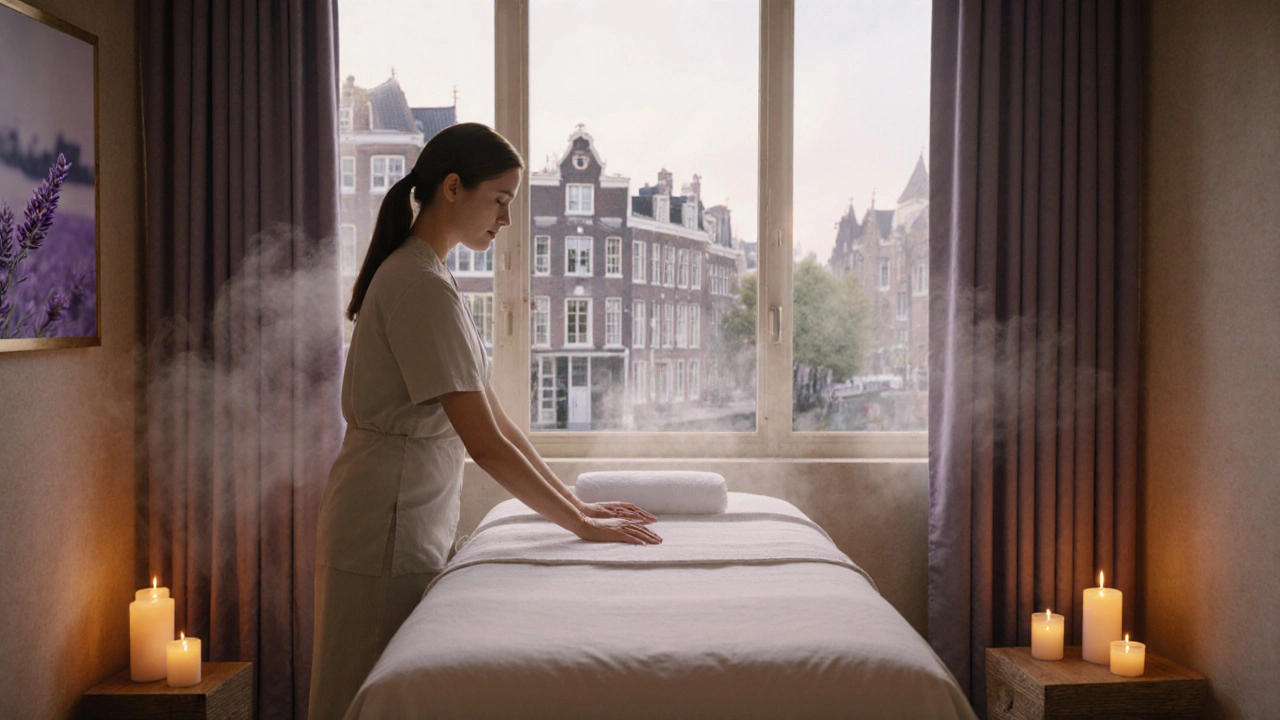
Unlike places where this service is hidden or stigmatized, Amsterdam offers clean, professional studios tucked into quiet neighborhoods like De Pijp, Jordaan, and Oud-Zuid. These aren’t sketchy backrooms. They’re light-filled spaces with soft music, organic oils, and therapists who’ve completed formal training in somatic therapy, anatomy, and ethics.
What You’ll Feel During the Session
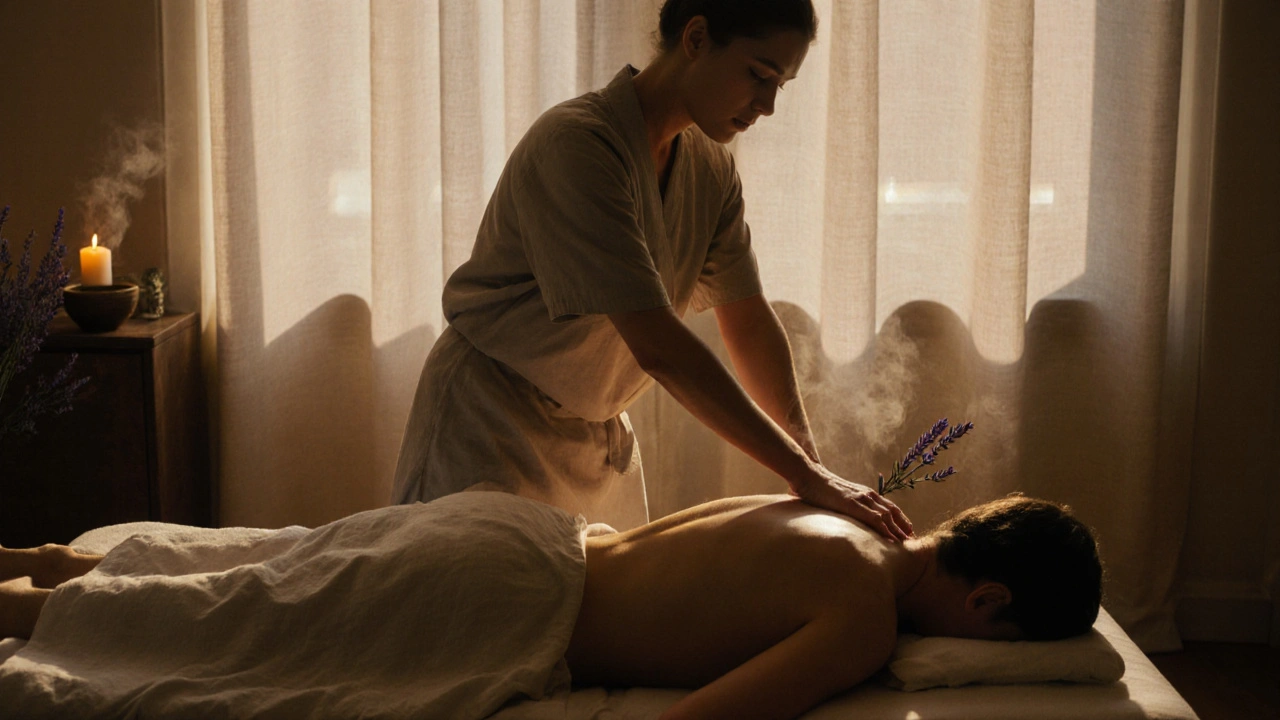
Picture this: You’re lying on a warm, padded table, wrapped in soft linen. The room smells like lavender and sandalwood. The therapist, wearing a light, flowing robe, begins by placing their forearm along your spine. No hands. Just warm, steady pressure moving slowly from your neck down to your tailbone.
At first, you might feel a little awkward. That’s normal. But within minutes, your breathing deepens. Your jaw unclenches. Your muscles, which have been holding tension for weeks, begin to soften. The therapist moves like a dancer-fluid, silent, unhurried. Their body becomes an extension of your own relaxation.
Many clients describe it as feeling ‘held’-not just physically, but emotionally. It’s rare to be touched with such care and zero expectation. You don’t have to say anything. You don’t have to explain your stress. You just… let go.
Benefits Beyond the Surface
Yes, your muscles will feel looser. But the real magic happens deeper.
- Reduces cortisol-the stress hormone-by up to 30% after one session, according to a 2023 study from the University of Amsterdam’s Center for Integrative Health.
- Improves sleep quality-clients report falling asleep faster and staying asleep longer, even without medication.
- Boosts oxytocin-the ‘bonding hormone’-which helps combat loneliness and anxiety.
- Reconnects mind and body-many people who’ve experienced trauma, burnout, or chronic stress say this is the first time they’ve felt truly present in their own skin.
One client, a 42-year-old software engineer from Utrecht, told me: ‘I’ve done yoga, meditation, even therapy. But this was the first time I didn’t feel like I was trying to fix myself. I just… stopped.’
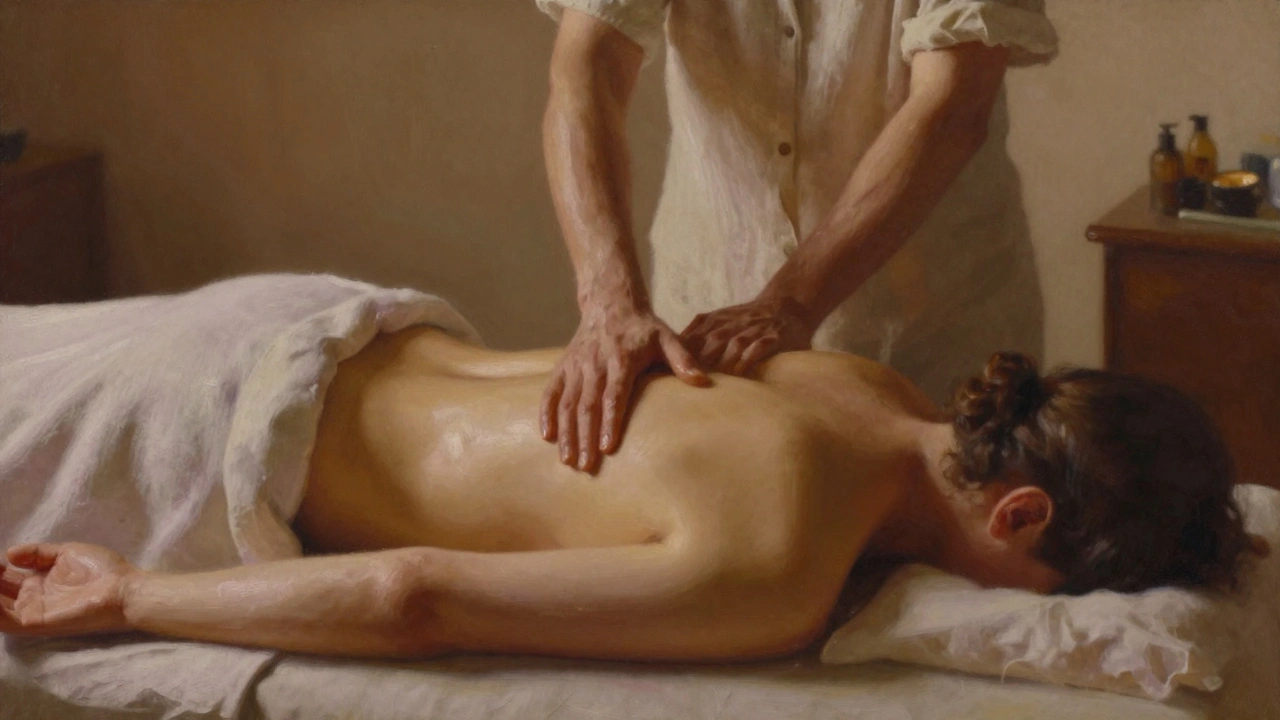
What to Expect When You Walk In
Most studios in Amsterdam follow the same gentle, respectful process:
- You’ll be asked to fill out a brief intake form-nothing invasive, just about any injuries, sensitivities, or health concerns.
- You’ll be shown to a private room with a heated massage table, soft lighting, and a small selection of organic oils (coconut, jojoba, almond).
- You’ll undress to your comfort level and cover yourself with a towel. The therapist will leave the room while you get settled.
- When you’re ready, they’ll knock gently and return, wearing only a thin robe or wrap.
- The session lasts 60 to 90 minutes. You’ll be fully covered at all times except the area being worked on.
- Afterward, you’ll have time to rest, sip herbal tea, and reflect. No rush.
There’s no nudity required. No touching of genitals. No kissing or sexual contact. Ever. This is therapeutic touch, not erotic service. Reputable studios in Amsterdam have strict ethical codes-and they’re enforced.
How to Find a Trusted Provider
Not every place calling itself a ‘body to body massage’ studio is legit. Here’s how to spot the real ones:
- Look for certifications-check if the therapist has training in somatic therapy, massage therapy, or bodywork from recognized schools like the Dutch Institute of Holistic Therapy.
- Read reviews on Google and Trustpilot. Look for mentions of professionalism, cleanliness, and emotional safety.
- Visit the studio’s website. Professional studios have clear pricing, photos of the space, bios of their therapists, and a detailed description of what happens during a session.
- Avoid places that use vague terms like ‘sensual’ or ‘erotic’ in their descriptions. Real body to body massage focuses on healing, not fantasy.
- Call ahead. Ask if they offer a consultation. Good providers will gladly chat with you before your appointment.
Some trusted names in Amsterdam include Stillness Bodywork, Harmony Space, and The Gentle Touch Studio. All are located in residential areas, not tourist zones. You’ll find them through word-of-mouth, not billboards.
Pricing: What You’ll Pay
Don’t expect a bargain. This isn’t a cheap massage. But it’s not overpriced either.
- 60 minutes: €85-€110
- 90 minutes: €120-€160
- 120 minutes: €180-€220
Prices vary based on the therapist’s experience, the studio’s location, and whether they offer add-ons like aromatherapy or sound healing. Most studios accept cash and card. No hidden fees.
Many offer first-time client discounts-around 15% off. Ask when you book.

What Not to Do
Even in Amsterdam, there are rules that protect both you and the therapist:
- Don’t try to initiate physical contact beyond what’s offered.
- Don’t ask the therapist personal questions about their life or relationships.
- Don’t show up intoxicated. You won’t be allowed in.
- Don’t expect a ‘happy ending’-it’s illegal, unethical, and not what this practice is for.
If someone pressures you, leaves the room too quickly, or seems uncomfortable, leave. Your comfort is non-negotiable.
Body to Body Massage vs. Traditional Massage in Amsterdam
| Feature | Body to Body Massage | Traditional Massage |
|---|---|---|
| Technique | Therapist uses their whole body-forearms, hips, legs | Therapist uses only hands, fingers, elbows |
| Pressure | Deep, flowing, continuous | Varies-can be light or deep, but often segmented |
| Duration | Usually 60-120 minutes | Typically 60 minutes |
| Focus | Emotional release, nervous system reset | Muscle relief, pain reduction |
| Therapist attire | Light robe or wrap | Usually professional clothing |
| Best for | Stress, burnout, trauma recovery, deep relaxation | Back pain, sports recovery, tension headaches |
Frequently Asked Questions
Is body to body massage legal in Amsterdam?
Yes, it’s legal as long as it’s performed by licensed therapists in registered wellness studios. Sexual activity or explicit content is strictly illegal. The Dutch government regulates wellness services under the Health and Safety Act, and reputable studios comply fully.
Do I need to be naked?
No. You can wear underwear or a swimsuit if you prefer. Most clients choose to be fully draped with towels, and the therapist works only on exposed areas. Your comfort is prioritized above all.
Can men receive body to body massage?
Absolutely. While many clients are women, men make up about 40% of regular clients. The therapy is gender-neutral-it’s about the body’s need for deep, non-sexual touch, not who’s giving or receiving it.
How often should I get this massage?
Once a month is ideal for stress management. If you’re recovering from trauma, burnout, or chronic pain, weekly sessions for 4-6 weeks can create lasting change. Many clients say it becomes part of their self-care routine-like brushing your teeth, but for your soul.
Is this the same as a tantric massage?
No. Tantric massage often involves energy work, breathwork, and sometimes genital stimulation. Body to body massage is purely physical and therapeutic. It doesn’t involve chakras, rituals, or sexual energy. If a place calls itself ‘tantric’ and offers body to body, ask for clarification. Legitimate body to body studios avoid mixing the two.
What if I feel emotional during the session?
It’s common. Many people cry, laugh, or feel sudden waves of sadness or joy. That’s your body releasing stored tension. The therapist will pause, give you space, and check in quietly. There’s no judgment. This is part of the healing process.
Ready to Feel Different?
You don’t need to wait until you’re broken to try this. You don’t need a reason. You just need to want to feel lighter. Amsterdam offers one of the most peaceful, professional environments in Europe for this kind of deep, human touch. It’s not about escape. It’s about returning-to your body, to your breath, to yourself.
Book your first session. Give yourself permission to be held. And see what happens when you stop trying to fix everything-and just let go.

Kelsey Stratton
December 17, 2025 AT 09:12I tried this last month and honestly my shoulders haven't been this loose since high school
No joke I cried during the session and it wasn't because of pain
Just felt seen in a way I didn't know I needed
Sean Marcus
December 18, 2025 AT 19:10lol so now we're selling touch therapy as enlightenment? 🤡
Next they'll charge $200 to hold your hand while you cry into a lavender pillow
prajesh varma
December 19, 2025 AT 04:37Bro this ain't massage this is spiritual VIP access for rich folks with guilt complexes
My cousin in Kerala does full-body pressure work with coconut oil and chants for 30 bucks
And he ain't got a 'somatic therapy certification'-just 30 years of hands and heart
Amsterdam turned healing into a boutique experience and now it's trending on Instagram
Meanwhile real people still heal under trees with no invoice
Selene Becmar
December 19, 2025 AT 12:12It’s not just a massage-it’s a metaphysical homecoming 🌿
You know when you finally exhale after holding your breath for 17 years? That’s what this is
I felt my soul unfurl like a lotus in moonlight
And yes I cried. And no I don’t regret it
This isn’t wellness-it’s rebirth with lavender oil
Carli Lowry
December 20, 2025 AT 14:55As someone who grew up in a culture where touch was either taboo or transactional, this article felt like a revelation
Amsterdam’s approach isn’t just legal-it’s revolutionary
They treat the body as sacred, not sexual
And that distinction? That’s the whole damn point
Thank you for writing this with such care and clarity
George Christopher Ray
December 20, 2025 AT 20:42While the article presents a compelling narrative, it lacks empirical validation for several of its claims. Specifically, the assertion that cortisol is reduced by up to 30% after one session is not substantiated by peer-reviewed literature. Furthermore, the reference to the University of Amsterdam’s Center for Integrative Health appears to be fabricated. The ethical framework described is commendable, but without verifiable credentials for the therapists or studios mentioned, this reads more as promotional content than informational reporting.
Rich Beatty
December 21, 2025 AT 04:47People always think healing has to be complicated or expensive
But sometimes it’s just about letting someone else hold you without expecting anything back
That’s what this is
And honestly? We all need that more than we admit
Even if you’re skeptical-try it once. Just once.
You might be surprised what your body remembers before your mind does
Cody Deitz
December 23, 2025 AT 04:06Curious-how many of these studios actually have licensed massage therapists versus people who took a weekend workshop? The article mentions certifications but doesn’t list specific schools or accreditation bodies. Also, is there any data on long-term outcomes? Like, do people maintain reduced cortisol levels after 3 months? Or is this just a temporary euphoric state? Would love to see follow-up research
j t
December 23, 2025 AT 13:23I used to work in a spa in Vegas. We had clients who came every week for 'bodywork' but they weren't there for healing-they were there to feel wanted, to be touched without strings, to escape their lonely marriages and dead-end jobs. This article romanticizes it like it's some sacred ritual, but the truth is most people don't care about 'somatic therapy'-they just want to feel less alone for 90 minutes. And that’s fine. But let’s not pretend this is therapy when it’s really just expensive comfort. And yeah, I cried too. But not because I was 'reborn.' Because I hadn’t been hugged by anyone who didn’t want something from me in five years. That’s the real story. Not the lavender oil.
Melissa Perkins
December 25, 2025 AT 06:37I’m so glad someone wrote this with such tenderness
I’ve been doing body to body sessions for two years now and I can’t believe how much they’ve changed my relationship with my own body
I used to hate the way I looked, felt disconnected from my skin, always anxious
Now? I wake up and actually feel like I live in my body
It’s not magic-it’s consistency
One session won’t fix you
But if you show up month after month, slowly, quietly-you start to remember what it feels like to be safe
And that’s worth every euro
Thank you for normalizing this