Body to Body Massage for Athletes: Enhancing Performance and Recovery
You’ve just finished a grueling training session. Your legs are heavy, your shoulders are tight, and your mind is screaming for relief. You’ve tried foam rollers, ice baths, and stretching-but nothing seems to reach the deep, stubborn knots that are holding you back. What if there was a way to unlock tension you didn’t even know you were carrying? Enter body to body massage-not just another luxury, but a game-changer for athletes serious about recovery and performance.
What Exactly Is Body to Body Massage?
Body to body massage isn’t what you see in movies or hear whispered about in locker rooms. It’s not about romance or sensuality. For athletes, it’s a therapeutic technique where the therapist uses their own body-forearms, elbows, hips, and sometimes even feet-to apply pressure, glide over muscles, and release deep fascial restrictions. Unlike traditional hand-only massage, the therapist’s body acts like a living tool, allowing for broader, deeper, and more fluid movements that mimic the natural motion of your own muscles.
This method isn’t new. It’s rooted in ancient practices from Thailand and Bali, where body-to-body contact was used to transfer energy and release tension. Today, elite athletes in cycling, soccer, and track use it to recover faster, move more freely, and prevent injuries that creep up from overuse. Think of it like this: if a foam roller is a blunt instrument, body to body massage is a scalpel-precise, controlled, and deeply effective.
Why Athletes Swear by It
Let’s cut to the chase: recovery time is everything. If you’re training hard, every hour you spend healing is an hour you can’t train. Body to body massage helps shrink that window.
- Deeper muscle release: The therapist’s weight and movement allow pressure to penetrate deeper than hands alone-reaching layers of muscle and fascia that trigger points and massage guns often miss.
- Improved circulation: The rhythmic, gliding motions boost blood flow, flushing out lactic acid and inflammatory markers faster than static stretching.
- Reduced muscle guarding: When your body is sore, it tenses up protectively. Body to body massage uses warmth and rhythm to trick your nervous system into relaxing, making it easier to release chronic tightness.
- Enhanced proprioception: Athletes rely on body awareness. This massage helps reset your nervous system’s map of your body, improving coordination and reducing injury risk.
One Dutch triathlete I spoke with, after months of nagging IT band pain, said: “After three sessions, I could finally run without limping. Not because I strengthened it-but because I finally let go.” That’s the power of release, not just repair.
How It’s Different From Other Massage Types
Swedish massage? Gentle, relaxing. Deep tissue? Focused, sometimes painful. Thai massage? Stretching-heavy, done on a mat. Body to body massage? It’s a hybrid of all three-but with one critical difference: the therapist’s body becomes part of the treatment.
For example, in a deep tissue session, the therapist might press a knuckle into your glute. In body to body, they’ll use the entire length of their forearm, applying pressure while gliding along the muscle fiber. The result? Less localized pain, more widespread release. It’s like comparing a hammer to a rolling pin-you get the same effect, but smoother, wider, and more sustainable.
What to Expect During a Session
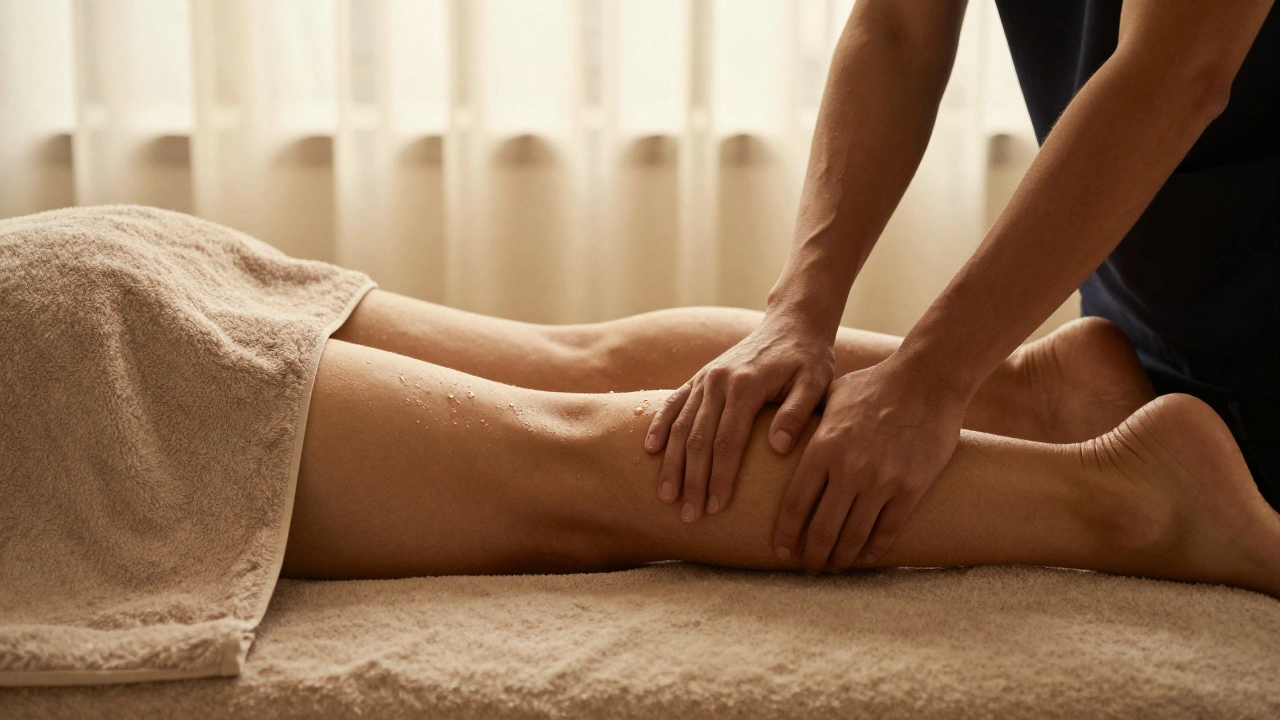
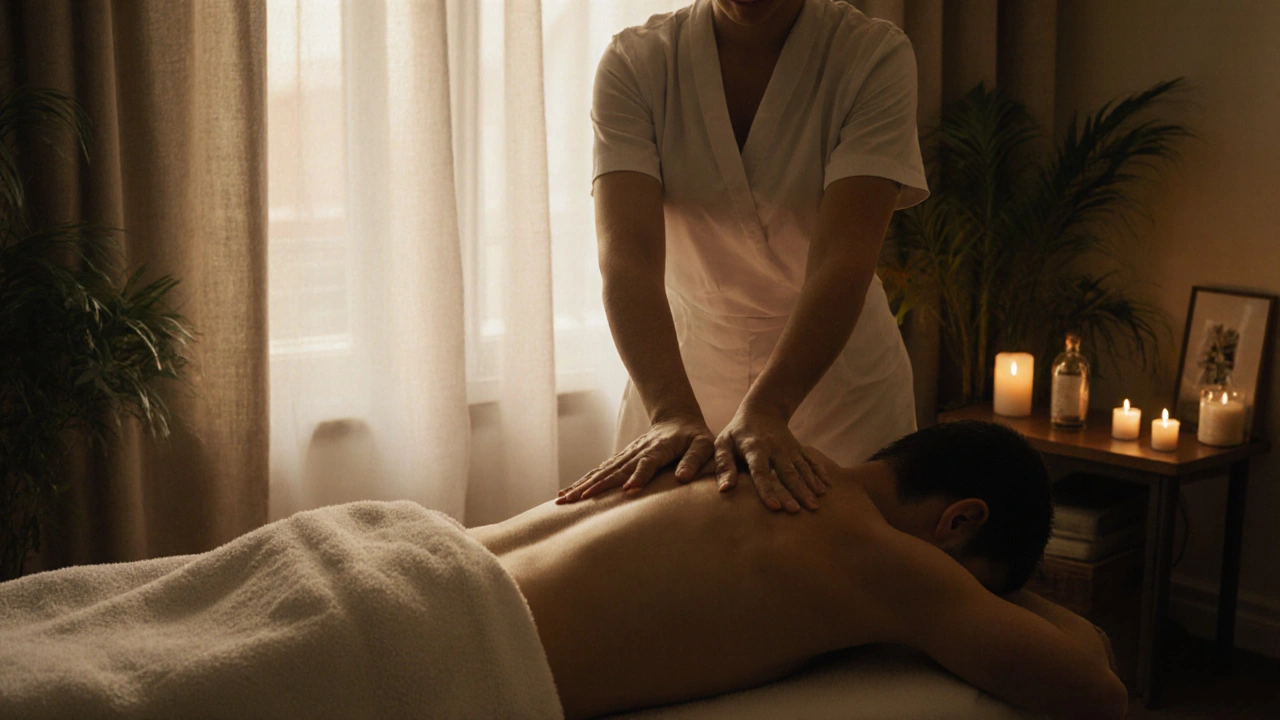
You’ll lie on a warm, padded table, draped in towels. The therapist will use natural oils-often coconut, almond, or jojoba-to reduce friction. No nudity is required; you’ll stay covered at all times, with only the area being worked on exposed.
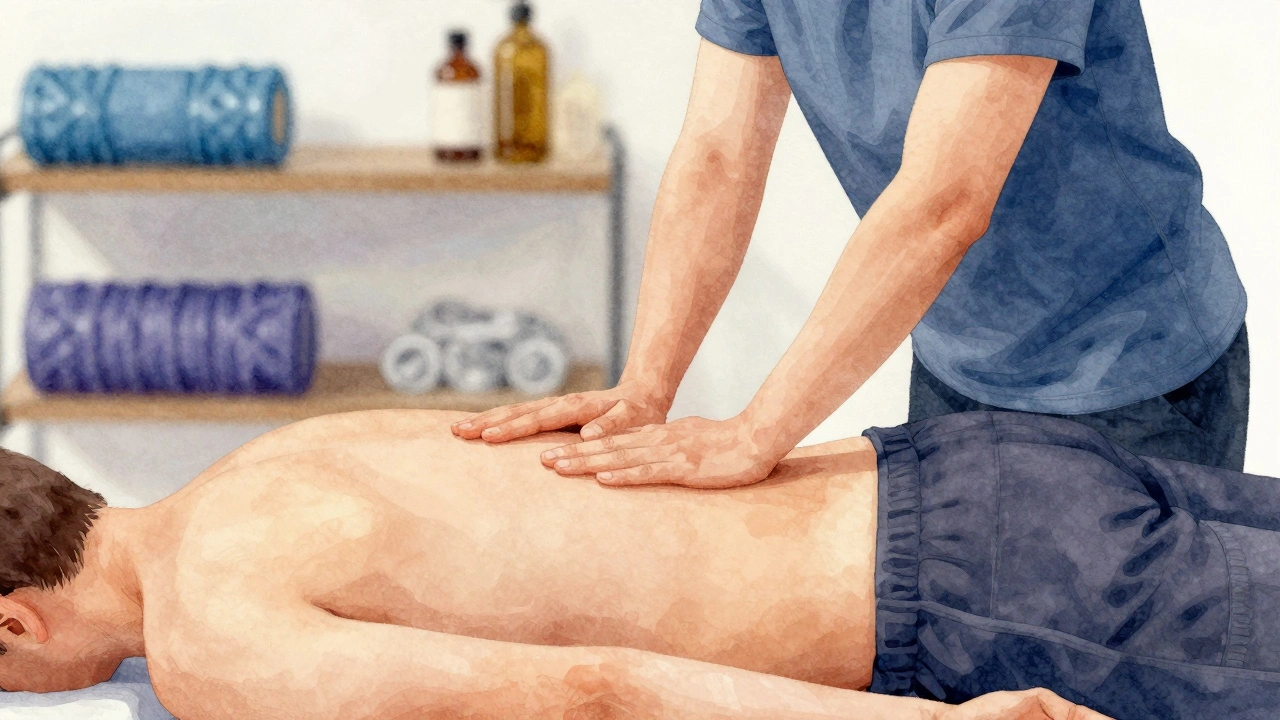
The session starts with light, flowing strokes to warm the tissue. Then, as your body relaxes, the pressure increases. The therapist may use their hip to press into your lower back while sliding down your hamstring. They might use their forearm to roll across your quads, or their foot to apply gentle pressure along your calf. It’s not erotic-it’s biomechanical. Every movement is intentional, controlled, and designed to target specific muscle groups.
Most sessions last 60 to 90 minutes. You’ll feel deeply relaxed-but not sleepy. Many athletes report feeling “lighter,” like their muscles finally remembered how to move without resistance.
When to Schedule It
Timing matters. Here’s the smart way to use it:
- After intense training: Within 24 hours. This helps flush out inflammation and speeds up muscle repair.
- Before competition: 48-72 hours out. Light pressure to loosen tension without overstimulating.
- During heavy training blocks: Once a week. Prevents cumulative tightness from turning into injury.
- After injury rehab: As approved by your physio. Helps reintegrate scar tissue and restore mobility.
Don’t wait until you’re in pain. The best athletes use this like a tune-up-regular, preventative, and proactive.
Where to Find It in Amsterdam
Amsterdam has a growing network of therapists trained in body to body techniques, especially in areas like De Pijp, Jordaan, and near the Amstel River. Look for studios that specialize in athletic recovery or sports massage-not just general wellness.
Some reputable spots include:
- Flow Studio Amsterdam: Offers body to body sessions with ex-professional athletes on staff. Focus on recovery for cyclists and runners.
- Amstel Bodyworks: Uses a blend of Thai and body to body techniques. Great for endurance athletes.
- Relax & Recover: Specializes in post-race recovery packages. Book within 24 hours of a marathon or triathlon for a discounted rate.
Check reviews for mentions of “athletic recovery,” “deep tissue release,” or “no sexual vibe”-these are good indicators of professional, sport-focused service.
Cost and Booking
Expect to pay between €80 and €140 for a 60-90 minute session. Higher prices usually reflect therapist experience, studio location, and added services like post-session stretching or hydration advice.
Most studios offer package deals: 3 sessions for €210, or 6 for €360. If you train 3+ times a week, a package makes sense. Book online-many have 24-hour cancellation policies, so you can reschedule if your race gets moved or your leg feels off.
Safety First
This isn’t a DIY technique. Never try it with a partner or untrained person. The pressure and technique require proper training.
- Always confirm the therapist is certified in sports massage or body to body therapy. Ask for credentials.
- Don’t book if you have acute injuries, open wounds, or recent fractures.
- Communicate during the session. If something feels sharp or numb, speak up. This isn’t about enduring pain-it’s about releasing it.
- Hydrate well before and after. Your muscles need water to flush out toxins.
Body to Body Massage vs. Deep Tissue Massage for Athletes
| Feature | Body to Body Massage | Deep Tissue Massage |
|---|---|---|
| Pressure Source | Therapist’s body (forearms, elbows, hips) | Therapist’s hands and knuckles |
| Depth of Release | Deeper fascial layers, broader coverage | Focused on trigger points, localized |
| Flow of Movement | Fluid, gliding, rhythmic | Static, targeted, often slower |
| Best For | Recovery, mobility, prevention | Chronic knots, acute pain |
| Post-Session Sensation | Light, loose, energized | Sore, tender, sometimes bruised |
| Frequency Recommended | Weekly for athletes | Bi-weekly or as needed |
Frequently Asked Questions
Is body to body massage only for professional athletes?
No. It’s for anyone who trains hard-whether you’re a weekend runner, a fitness enthusiast, or a cyclist commuting through Amsterdam. The goal isn’t to compete; it’s to recover better. Many amateur athletes report improved sleep, fewer cramps, and more consistent training after just a few sessions.
Will I be naked during the session?
Absolutely not. You’ll be covered with towels at all times. Only the area being worked on is exposed, and the therapist will always ask before adjusting draping. Professional studios prioritize your comfort and boundaries. If someone suggests otherwise, walk out.
How soon will I feel results?
Many athletes feel looser after the first session. But real, lasting change-like improved range of motion or reduced soreness-usually takes 3 to 5 sessions. Think of it like learning a new skill: consistency matters more than intensity.
Can I do this after a marathon?
Yes-but wait 24 to 48 hours. Right after a race, your muscles are inflamed and fragile. A light body to body session can help, but avoid deep pressure. Wait until the initial soreness fades, then go in for a recovery-focused treatment. Many Amsterdam studios offer post-race packages timed exactly for this.
Does this replace physiotherapy or stretching?
No. It complements them. Stretching keeps muscles flexible. Physiotherapy fixes imbalances. Body to body massage releases deep tension that blocks both. Think of it as the missing link between training and recovery. Use it alongside your other tools-not instead of them.
Ready to Move Freely Again?
If you’re tired of pushing through pain, if your next workout feels like a chore instead of a joy, it’s time to try something that actually works. Body to body massage isn’t magic-but it’s science with touch. It’s the quiet, powerful tool elite athletes use when they’re serious about staying strong, staying healthy, and staying ahead.
Book your first session. Not tomorrow. Not next week. This week. Your body will thank you when you’re running faster, lifting heavier, and feeling lighter than you have in months.


Nasir Khan
December 20, 2025 AT 17:19Body to body massage for athletes is one of those things that sounds weird until you try it. I used to think it was just a fancy spa thing, but after my IT band started acting up last season, my physio recommended it. Three sessions later, I could run without wincing. No magic, just science. The therapist used their forearm like a rolling pin along my quads and hamstrings. Felt like my muscles finally remembered how to relax.
Jeff Brainard
December 22, 2025 AT 16:12Its not about the touch its about the flow the rhythm the way the body becomes a tool not just the hands you know what i mean its like the difference between typing on a keyboard and playing a piano one is mechanical the other is alive
Kumar Manickam
December 22, 2025 AT 16:59Ive been doing this for a year now as a weekend runner and honestly its changed everything. I used to need two days off after a long run just to feel normal. Now I can train again the next day if I need to. Its not just about pain relief either. I feel more connected to my body like I actually know where my muscles are and what theyre doing. Also the oil they use smells amazing. Coconut and almond. Feels like a treat even if its serious work.
adam denature
December 23, 2025 AT 16:13People need to stop calling this massage its not massage its body contact and if you think its safe for athletes you dont know anything about anatomy. You cant just let someone press their hip into your lower back without knowing the exact pressure points and nerves and you think its fine because its not a sexual thing. Its still dangerous. And dont say its ancient because ancient doesnt mean safe. People used to bleed you for fever too
Honey Syal
December 23, 2025 AT 21:19Adam you’re right that it’s not for everyone but calling it dangerous because it uses the therapist’s body? That’s like saying a violinist is dangerous because they use their fingers to make music. It’s about training. The studios listed here have certified therapists who work with athletes daily. And yes, the cultural context matters. In Thailand, this isn’t mystical-it’s physical therapy with skin contact. If you’re worried about boundaries, pick a studio that says ‘no sexual vibe’ in the reviews. That’s your filter.
Gail Montefalco
December 24, 2025 AT 22:24Ugh. This whole post is so... overhyped. Like, really? Body-to-body? What's next? Foot-to-knee massage? And why is everyone suddenly obsessed with 'fascia'? It's just muscle. And don't get me started on the oil. Coconut? Really? That's what you're going with? Smells like a tropical vacation gone wrong. And who has time for this? €140? For a massage? I can get a deep tissue for half that. And you're telling me to book it 'this week'? Like, I'm supposed to just drop everything because some guy on the internet said I'll feel 'lighter'? Please.
Hallesha Williams
December 26, 2025 AT 01:35ok so i read this whole thing and i have to say the grammar is all over the place like why is it body to body with no hyphen? and you say it's not romantic but then you describe the therapist using their hip and foot and i just... this is not professional writing. also you say 'no nudity required' but then you say 'only the area being worked on exposed' which is literally nudity. and why is everyone in amsterdam? what if i live in kansas? where do i find this? also you say 'trust the therapist' but then you say 'ask for credentials' so which is it? also the table has no alt text for accessibility and you used a schema.org table which is great but you didn't close the tr tags properly. fix this before you post again