The Benefits of Tantric Massage: Healing Through Touch

You’ve probably heard whispers about tantric massage-maybe from a friend who swore it changed their life, or seen it listed on a wellness website with vague promises of ‘deep relaxation’ and ‘spiritual awakening.’ But what does it actually do? And why are people in Amsterdam, Berlin, and beyond booking sessions not just for pleasure, but for real emotional and physical healing?
What Exactly Is Tantric Massage?
Tantric massage isn’t sex. It’s not even really about orgasm. At its core, it’s a slow, intentional form of touch that reconnects you with your body-not as something to be fixed or shaped, but as a living, breathing source of energy. Rooted in ancient Indian tantric traditions, this practice blends breathwork, mindfulness, and gentle, full-body contact to release stored tension, unlock blocked emotions, and awaken a deeper sense of presence.
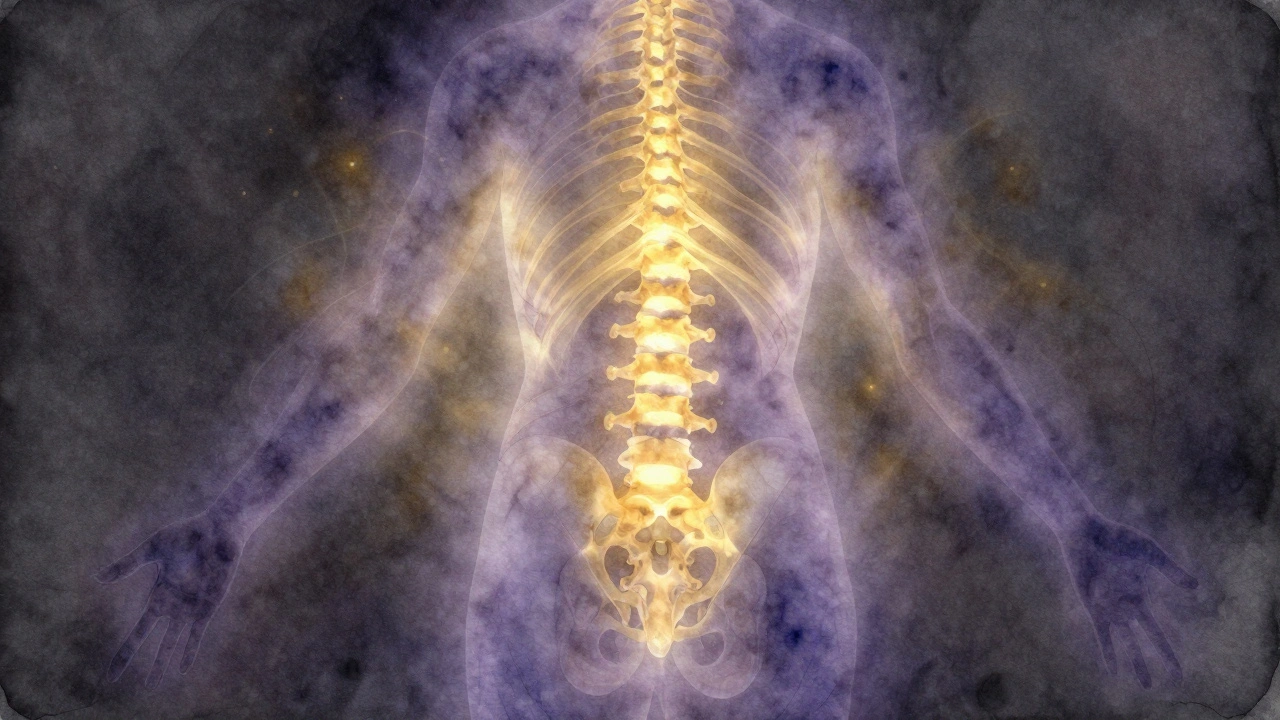
Unlike Swedish or deep tissue massage, which target muscles, tantric massage works with the body’s subtle energy systems. Practitioners focus on areas rich in nerve endings and energy centers-like the spine, hips, belly, and sacrum-not to stimulate, but to *listen*. You’re not being manipulated; you’re being held.
Think of it like this: if your body were a phone, most massages just recharge the battery. Tantric massage? It resets the entire operating system.
Why People Seek Tantric Massage for Healing
People don’t come for tantric massage because they want a quick fix. They come because they’re tired-tired of numbness, tired of anxiety that won’t quit, tired of feeling disconnected from their own skin.
One client I spoke with, a 42-year-old teacher from Utrecht, said she’d been diagnosed with chronic stress and insomnia for five years. Medication helped a little, but nothing made her feel alive again. After three tantric sessions, she told me: “I cried during the third one-not because it hurt, but because I finally remembered what it felt like to be safe in my own body.”
Here’s what research and lived experience show:
- Reduces cortisol levels: A 2023 pilot study in the Journal of Bodywork and Movement Therapies found participants who received weekly tantric sessions for six weeks showed a 28% average drop in cortisol, the primary stress hormone.
- Releases emotional trauma: Trauma gets stored in the body. Tantric touch, when applied with presence and consent, can help release frozen emotions without needing to talk about them.
- Improves body awareness: Many people live in their heads. Tantric massage brings them back into their skin-helping with digestion, sexual health, even chronic pain.
- Enhances intimacy with self: It’s not about another person. It’s about learning how to receive, how to be still, how to feel without judgment.
What Happens During a Tantric Massage Session?
There’s no magic formula, but most sessions follow a similar rhythm.
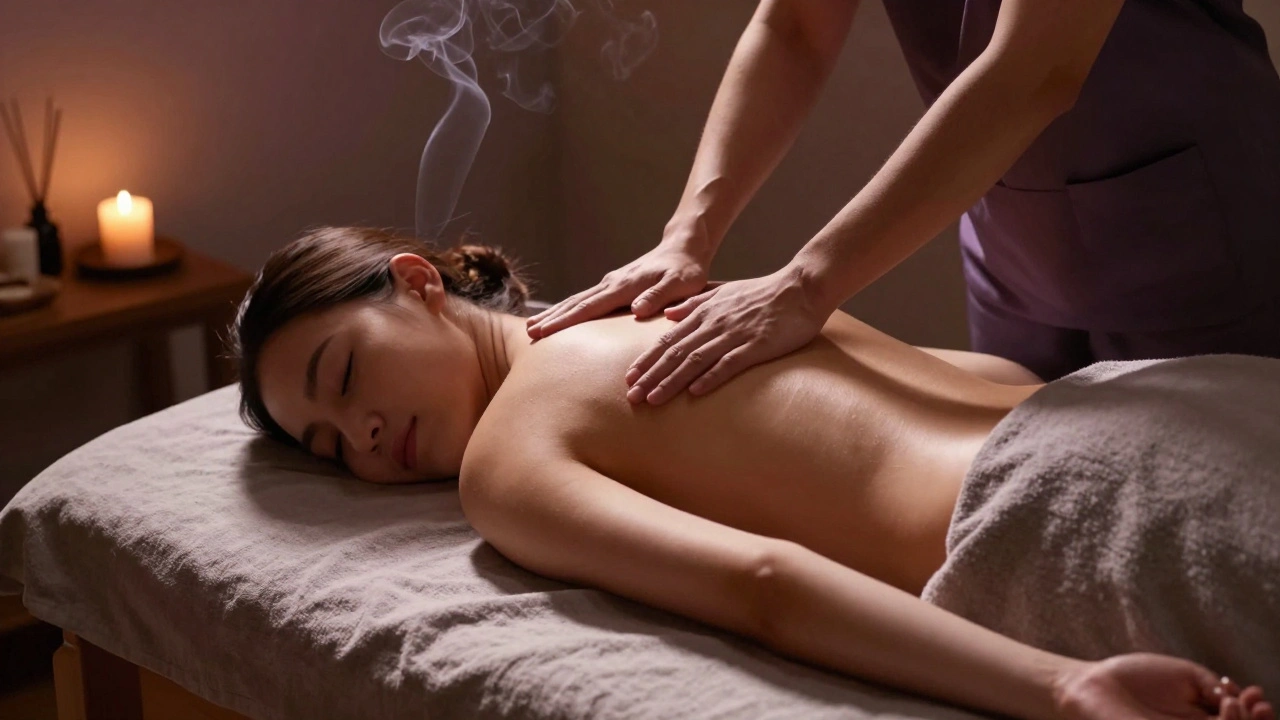
You’ll start by talking-just a few minutes. No pressure to share deep secrets, just enough so the practitioner understands your boundaries and intentions. You’ll undress to your comfort level-many choose to stay in underwear, others go fully nude. The room is warm, dim, with soft music or silence. A few drops of organic oil, usually almond or sesame, warm between the practitioner’s hands.
The touch begins slowly-feet, legs, back. No sudden movements. No rushing. The practitioner doesn’t try to “fix” anything. They follow your breath. They notice where your body tenses. They pause when you do.
As the session unfolds, you might feel warmth spreading, tingling in your hands, a lump in your throat. You might laugh. You might cry. You might fall asleep. All of it is welcome. The goal isn’t to feel good-it’s to feel everything.
Most sessions last 60 to 90 minutes. Afterward, you’re offered herbal tea and quiet space to come back to yourself. No rushing. No small talk. Just stillness.
How Tantric Massage Differs From Other Massage Types
Let’s be clear: this isn’t a sensual massage with hidden agendas. It’s not body-to-body massage (though they sometimes get confused). It’s not Thai massage with stretches, or hot stone with heat. Here’s how it stacks up:
| Aspect | Tantric Massage | Swedish Massage | Body-to-Body Massage | Deep Tissue |
|---|---|---|---|---|
| Primary Goal | Energy flow, emotional release, presence | Relaxation, muscle tension relief | Sensual pleasure, arousal | Chronic pain relief, deep muscle work |
| Touch Style | Slow, rhythmic, intuitive | Long strokes, kneading | Full-body contact, often with therapist’s skin | Firm pressure, focused on knots |
| Emotional Focus | High-releasing stored trauma | Low | Moderate-often tied to arousal | Low |
| Sexual Outcome | Not intended or encouraged | None | Often expected | None |
| Energy Work | Core component | Absent | Usually absent | Absent |
Tantric massage doesn’t promise arousal. Sometimes it brings it up-and sometimes it dissolves it into something quieter, deeper. That’s the point.
Where to Find Authentic Tantric Massage in Amsterdam
Amsterdam has dozens of massage studios. But authentic tantric practitioners? They’re not advertising on Booking.com. They’re often found through word of mouth, wellness collectives, or quiet websites with no flashy photos.
Look for practitioners who:
- Offer a pre-session consultation (in person or video call)
- Emphasize boundaries, consent, and safety
- Don’t use terms like “erotic” or “sensual” as the main selling point
- Have training in somatic therapy, trauma-informed touch, or traditional tantra
Some trusted spaces in Amsterdam include De Stille Ruimte in De Pijp, Tantra House near the Amstel River, and Yoga & Breath Collective in the Jordaan. These aren’t spas-they’re sacred spaces.
Don’t book based on photos of smiling people in robes. Look for testimonials that mention “feeling seen,” “safe,” or “transformed.” Those are the real signs.
What to Expect: Pricing and Booking
Tantric massage isn’t cheap-and it shouldn’t be. You’re paying for presence, skill, and emotional safety. Most sessions range from €90 to €150 for 75-90 minutes. Some offer packages: three sessions for €250, for example.
Booking is usually done via email or phone. You’ll be asked to fill out a short intake form: medical history, trauma background, boundaries. This isn’t bureaucracy-it’s protection. A good practitioner will never rush you. If someone pressures you to book immediately or skips the consultation, walk away.
Payment is typically cash or bank transfer. No credit card logos on the door. No receipts with “massage” printed on them. Privacy matters.
Safety First: How to Protect Yourself
This work is powerful. And like any deep healing, it can stir up old pain. That’s why safety isn’t optional-it’s the foundation.
Here’s what to look for:
- Clear boundaries: You should be able to say “stop,” “slower,” or “no” at any time-and be honored instantly.
- No sexual contact: Ever. If a practitioner initiates touching your genitals, leaves the room to “get a towel,” or mentions “orgasmic release,” they’re not a tantric therapist. They’re a scammer.
- Aftercare: A good session ends with grounding-tea, quiet, space to sit. If you’re handed a receipt and pushed out the door, that’s a red flag.
- Training: Ask where they trained. Reputable schools include the Tantric Institute of Amsterdam, Shakti Tantra in Berlin, or Yogic Tantra Academy in India.
If you’ve experienced trauma, especially sexual trauma, let your practitioner know. Many specialize in trauma-informed touch. You’re not broken. You’re ready to heal.

Who Benefits Most From Tantric Massage?
This isn’t for everyone-and that’s okay.
You might benefit if you:
- Feel disconnected from your body
- Struggle with anxiety, depression, or emotional numbness
- Have chronic pain that doesn’t respond to physical therapy
- Feel like you’re always “on” and never truly rest
- Want to reconnect with your sexuality without shame or performance
- Are recovering from loss, divorce, or grief
It’s not for people looking for a quick orgasm. It’s not for those who want to be “fixed.” It’s for those ready to sit with themselves-slowly, gently, without rushing.
Frequently Asked Questions
Is tantric massage the same as erotic massage?
No. Erotic massage focuses on arousal and sexual release. Tantric massage focuses on presence, energy, and emotional release. While arousal can happen during a tantric session, it’s not the goal-and a skilled practitioner will never push it. If a place markets itself as “sensual” or “erotic,” it’s not tantric. Real tantric work is quiet, sacred, and deeply respectful.
Do I have to be naked?
No. You wear whatever makes you feel safe-underwear, a robe, or nothing at all. The practitioner will never pressure you. Many people start clothed and gradually feel more comfortable over time. The focus isn’t on the body as a sexual object-it’s on the energy moving through it.
Can I do this if I’m not spiritual?
Absolutely. You don’t need to believe in chakras, energy fields, or reincarnation. Many clients are atheists or skeptics. What matters is your willingness to be still, to feel, and to let go of control. The healing happens in the body, not the mind.
How many sessions do I need?
One session can be life-changing. But real transformation usually takes 3-5 sessions, spaced a week or two apart. Like therapy or yoga, it’s cumulative. Each session builds on the last, helping you go deeper. Some people come monthly for years-not because they’re broken, but because they’ve learned to love being with themselves.
Is tantric massage legal in the Netherlands?
Yes, as long as it doesn’t involve sexual activity. Dutch law distinguishes between therapeutic touch and prostitution. Tantric massage is legal when it’s performed by trained professionals in a therapeutic context, with clear boundaries and no sexual exchange. Always choose practitioners who prioritize safety and transparency.
Ready to Feel Again?
Tantric massage doesn’t promise miracles. But it does offer something rarer: the quiet, steady return to yourself. If you’ve spent years trying to fix your body, your mind, your life-maybe it’s time to just be with it. To feel it. To let it speak.
You don’t need to believe in energy. You don’t need to be spiritual. You just need to be willing to lie still, breathe deep, and let someone else hold you-without asking for anything in return.
That’s the real healing.
Nadya Gadberry
February 1, 2026 AT 17:31Grace Koski
February 2, 2026 AT 19:54Pearlie Alba
February 3, 2026 AT 00:52Sara Roberts
February 4, 2026 AT 20:33Terrance Bianco
February 5, 2026 AT 18:04William Kramer
February 7, 2026 AT 06:24Zakaria SANKARA
February 7, 2026 AT 21:03Summer Perkins
February 9, 2026 AT 18:55Jimmy Jew
February 10, 2026 AT 02:43Gerald White
February 11, 2026 AT 13:21