Tantra Massage: A Gateway to Self-Discovery and Healing
You’ve heard the whispers-soft, hushed tones about tantra massage being more than just a bodywork session. Maybe you’ve scrolled past it on Instagram, or a friend mentioned it in passing, saying it changed how they felt about their own body. You’re curious, but also cautious. Is this just another wellness trend dressed up in incense and silk? Or is there something real beneath the mystique?
Here’s the truth: tantra massage isn’t about sex. It’s not about pleasure in the way most people think of it. It’s about presence. It’s about touching your skin not to excite, but to awaken. And if you’ve spent years numbing out-through work, stress, trauma, or just the noise of daily life-this might be the quietest, most powerful reset you’ve never tried.
What Tantra Massage Really Is
Tantra massage comes from ancient Indian spiritual traditions, but modern tantra massage has evolved into something more grounded. It’s not a ritual performed by gurus in ashrams. It’s a therapeutic practice that uses slow, intentional touch to help you reconnect with your body’s natural rhythm. The goal isn’t arousal-it’s awareness.
Think of it like this: your body holds memories. Not just the ones you can recall, but the ones buried deep-stress from a breakup, tension from a job you hated, the ache of grief you never let yourself feel. Tantra massage doesn’t erase those memories. It gives them space to breathe. A skilled practitioner doesn’t just move hands over your skin-they create a safe container. A space where you can finally feel without having to fix, explain, or perform.
This isn’t magic. It’s neuroscience. Slow, sustained touch activates the parasympathetic nervous system-the part of your body that says, “You’re safe now.” Heart rate slows. Cortisol drops. And for the first time in months, maybe years, you’re not thinking about your to-do list. You’re just… there.
Why It Feels Like Healing
People come to tantra massage for different reasons. Some are recovering from trauma. Others feel disconnected from their bodies after childbirth, illness, or years of sitting at desks. A lot of men and women tell me they’ve spent their lives treating their bodies like machines-something to push, fix, or control. Tantra massage flips that script.
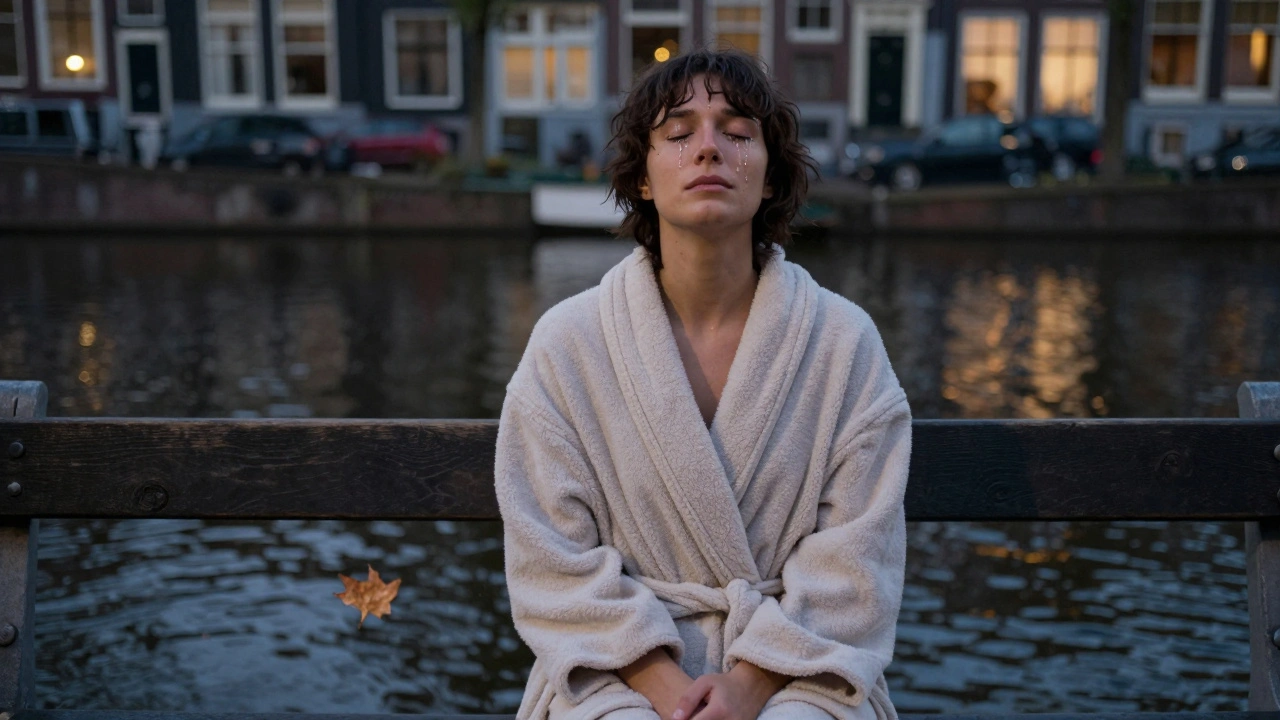
One client, Sarah, came in after a painful divorce. She hadn’t touched her own skin in a year-not even to moisturize. “I felt like I didn’t belong in my own skin,” she told me. After three sessions, she said the biggest shift wasn’t physical. It was emotional. “I cried during the massage. Not because it hurt. Because I finally felt like I was home.”
That’s the power of non-goal-oriented touch. No orgasm. No performance. No pressure. Just presence. The body remembers what the mind forgets. And when you’re touched with care, without agenda, it starts to trust again.
What Happens During a Session
Most sessions start with a quiet conversation. No need to share your whole life story, but a few words about what you’re holding-physical tension, emotional weight, or just general fatigue-helps the practitioner tune in.
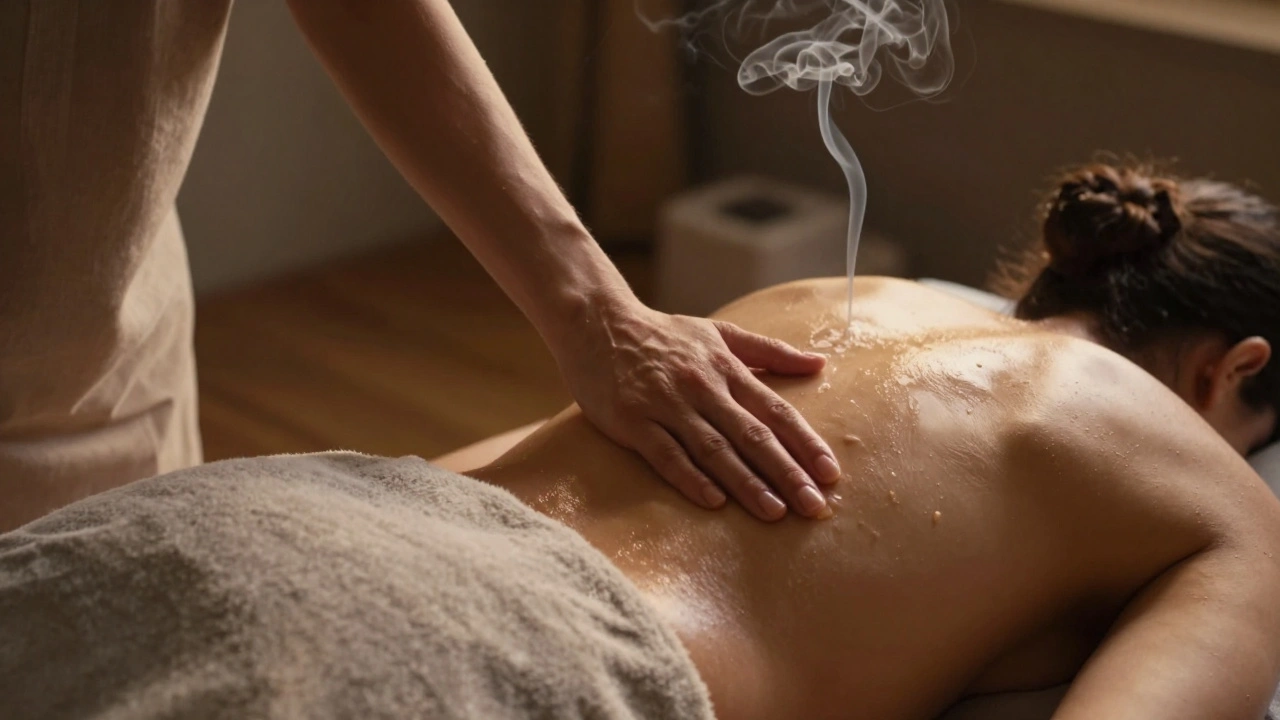
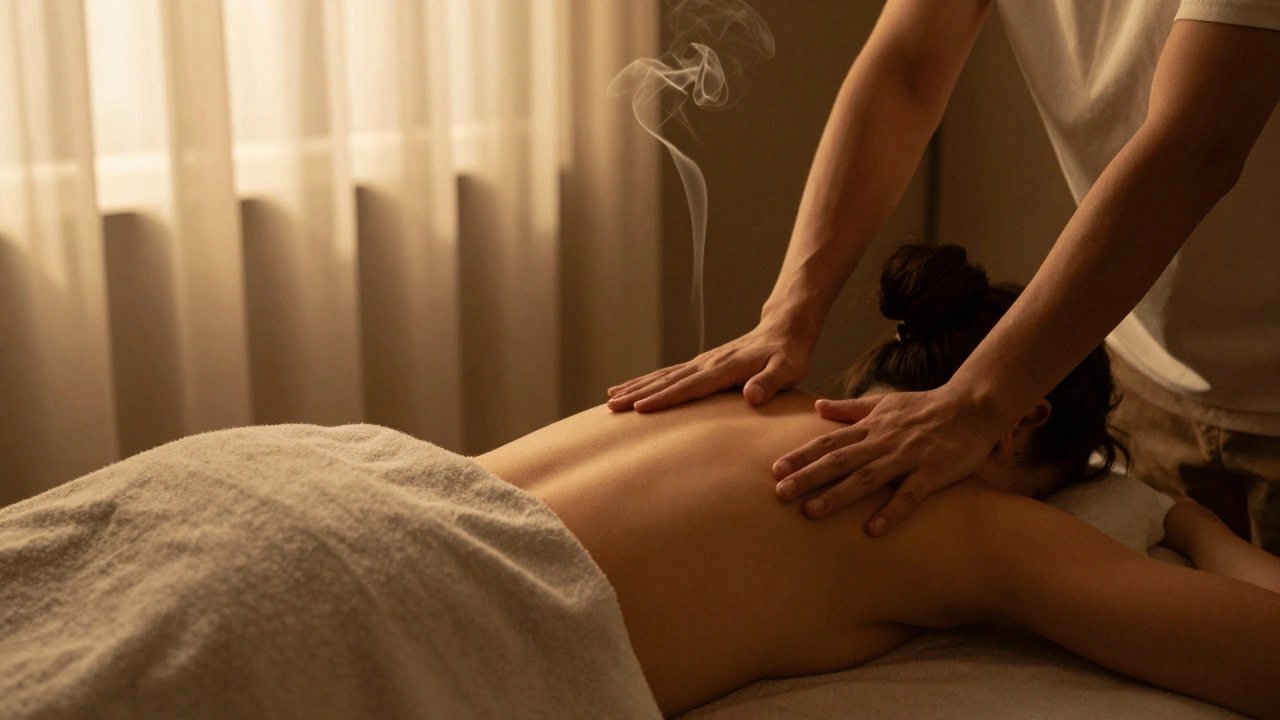
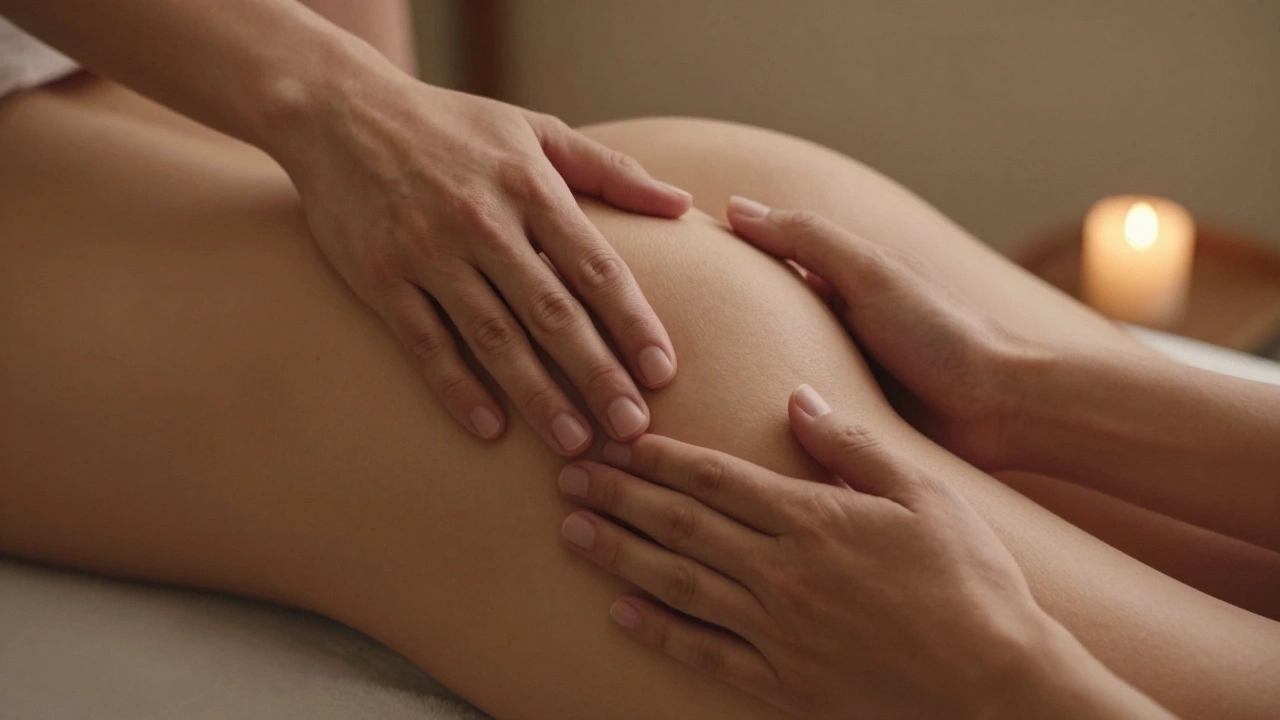
You’ll lie on a warm, soft table, covered with a towel. The room is dim, maybe scented with a hint of sandalwood or lavender. Music is soft, if there’s any at all. The practitioner begins with slow, grounding strokes-usually on your back, legs, or feet. The touch is deliberate, unhurried. They don’t rush. They don’t press hard. They wait. And you learn to wait too.
As the session unfolds, the touch may move to more intimate areas-but only if you’re comfortable. And only with clear, ongoing consent. This isn’t a one-size-fits-all experience. You’re in control. Always. If something feels off, you say so. If you want to stop, you stop. No judgment. No pressure.
The goal isn’t to get you turned on. It’s to help you feel what’s already there-tenderness, numbness, fear, warmth, resistance. And sometimes, when you stop trying to fix yourself, healing begins.
Types of Tantra Massage Offered
Not all tantra massage is the same. Here’s what you’ll typically find:
- Classical Tantric Touch: Focuses on energy flow. Uses gentle pressure along meridians and chakra points. Often includes breathwork.
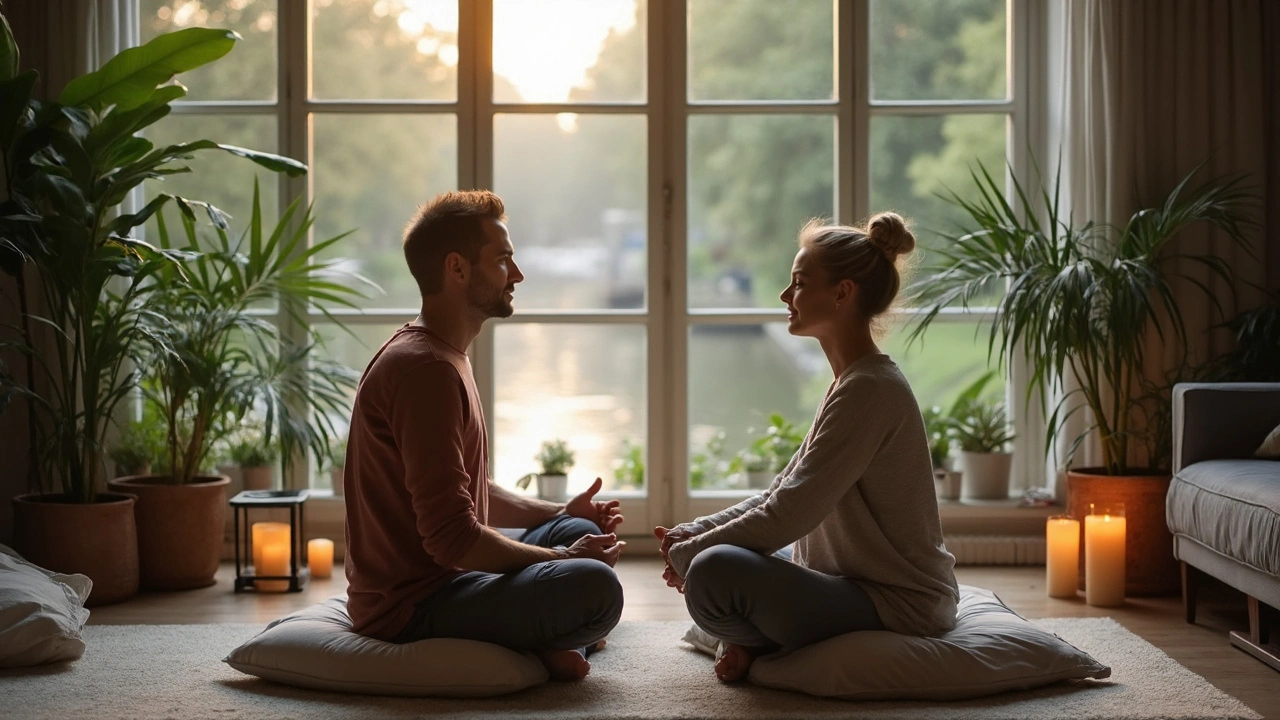
- Relational Tantra: Emphasizes connection. May involve eye gazing, mindful breathing with the practitioner, and deep listening.
- Yoni or Lingam Massage (optional): These are specific to genital areas and are only offered by highly trained practitioners with clear boundaries. They’re not erotic-they’re about releasing stored tension and reclaiming sensitivity.
- Full-Body Tantra: The most common. Covers the entire body, including limbs, torso, and sometimes face. No genitals involved unless requested and agreed upon.
Most people start with full-body tantra. It’s the gentlest entry point. You don’t need to know anything about chakras or energy to benefit. Just show up.
How to Find a Reputable Practitioner
This is the part people get nervous about. How do you know who’s safe? Who’s trained? Who’s not just using “tantra” as a cover?
Start with this: Look for someone who talks about boundaries, consent, and ethics-not about “orgasms” or “sexual healing.” A legitimate practitioner will have clear guidelines on their website. They’ll explain what’s included and what’s not. They won’t pressure you. They won’t ask for personal details beyond what’s necessary.
Check reviews that mention safety, professionalism, and emotional impact-not just “amazing massage.” Look for words like “held space,” “non-judgmental,” “I felt safe.”
In Amsterdam, many practitioners operate out of quiet studios in neighborhoods like De Pijp, Oud-West, or Jordaan. Some offer home visits, but studio settings are preferred for safety and privacy. Don’t be afraid to ask for a brief phone call before booking. A good practitioner will welcome that.
What to Expect: Pricing and Booking
Sessions usually last 90 to 120 minutes. Prices range from €120 to €200, depending on experience, location, and session length. Higher prices don’t always mean better-but extremely low prices (under €80) are a red flag. This isn’t a commodity. It’s a deeply personal experience.
Most practitioners require a deposit to book. Cancellation policies vary, but 24-48 hours notice is standard. Some offer package deals-three sessions for a discounted rate. That’s often the best way to go. One session can open a door. Three can help you walk through it.
Payment is usually cash or bank transfer. No credit card surcharges. No pushy upsells. If someone tries to sell you oils, crystals, or “energy healing” add-ons, walk away.
Safety First: What You Need to Know
Yes, tantra massage can be healing. But it can also be triggering. If you’ve experienced trauma-especially sexual trauma-this work can bring up intense emotions. That’s normal. But you need to be prepared.
Here’s what to do:
- Choose a practitioner who has training in trauma-informed care.
- Ask if they offer a pre-session consultation. Use it.
- Set clear boundaries before the session starts. Say them out loud.
- Bring a friend to wait outside if you need emotional support.
- After the session, give yourself space. Don’t jump into a meeting or a party. Take a walk. Drink water. Journal if you feel like it.
And if you ever feel unsafe-physically or emotionally-leave. No explanation needed. Your safety is non-negotiable.
Tantra Massage vs. Other Massage Therapies
It’s easy to confuse tantra massage with other types. Here’s how it stacks up:
| Aspect | Tantra Massage | Swedish Massage | Deep Tissue | Body-to-Body Massage |
|---|---|---|---|---|
| Primary Goal | Self-awareness, emotional release | Relaxation, muscle tension relief | Chronic pain, deep muscle release | Sensual pleasure, intimacy |
| Touch Style | Slow, intentional, non-goal-oriented | Flowing, rhythmic strokes | Firm, focused pressure | Full-body skin-to-skin contact |
| Consent Focus | Extreme-ongoing, verbal, and non-verbal | Standard | Standard | Varies-often less structured |
| Emotional Depth | High-often triggers deep release | Low to moderate | Low | Moderate-focused on sensation |
| After-Effects | Emotional clarity, calm, sometimes tears | Relaxed, sleepy | Sore, then relieved | Euphoric, sometimes confused |
Tantra isn’t about relaxation alone. It’s not about pain relief. It’s about transformation. If you’re looking for a quick fix, this isn’t it. But if you’re ready to meet yourself again-really meet yourself-this might be the path.
Frequently Asked Questions
Is tantra massage sexual?
No. Tantra massage is not sexual. While it involves touch to intimate areas in some forms, the intention is never arousal or orgasm. The focus is on awareness, presence, and releasing stored emotional tension. Legitimate practitioners maintain strict boundaries and prioritize your emotional safety over any physical response.
Do I need to be spiritual to benefit from tantra massage?
Not at all. You don’t need to believe in chakras, energy, or meditation. Many people come with zero spiritual background and still experience deep healing. What matters is your willingness to be still, to feel, and to let go of the need to control your experience.
Can I do tantra massage with a partner?
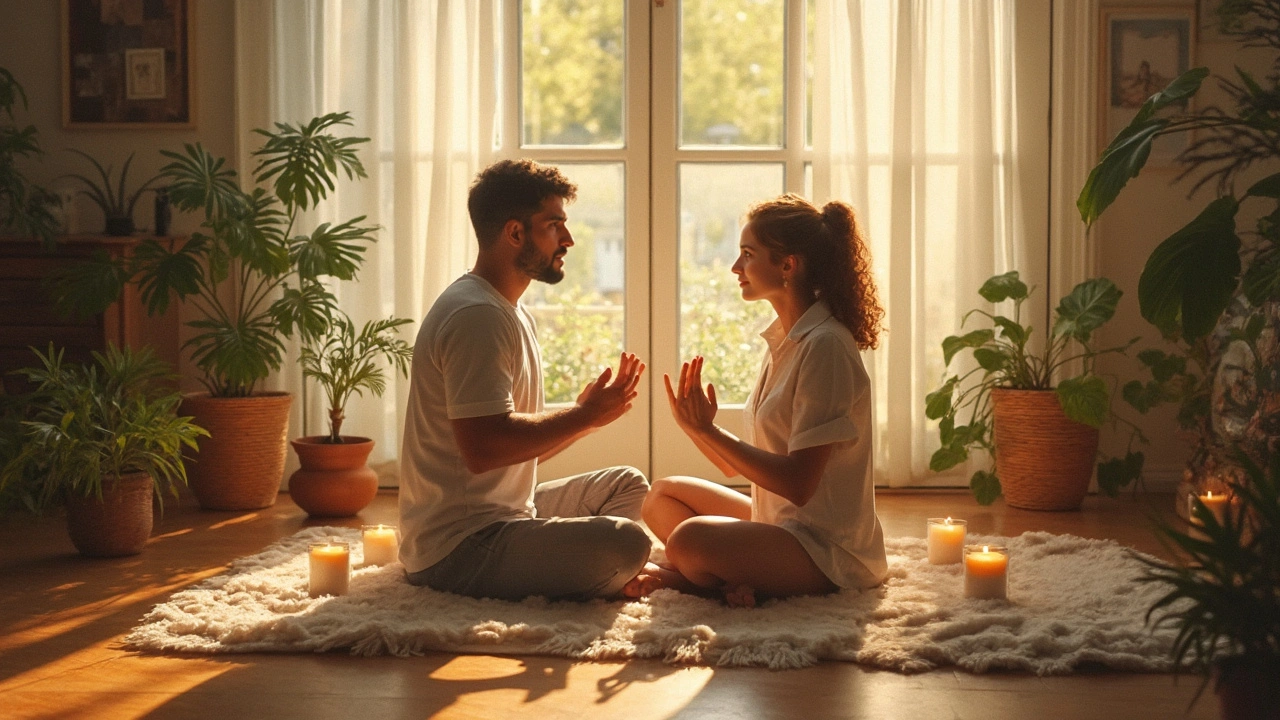
Yes, but not in the same way as a professional session. Some couples take workshops to learn mindful touch techniques together. But a professional tantra massage is a solo experience designed to help you reconnect with yourself first. Trying to replicate it with a partner without training can lead to confusion or pressure.
How many sessions do I need?
There’s no set number. One session can be life-changing for some. Others return monthly for ongoing emotional maintenance. Think of it like therapy-you go when you need to. Many people start with three sessions spaced a week apart to build trust and depth.
What if I get aroused during the session?
It happens. And it’s completely normal. A skilled practitioner won’t react, judge, or make you feel awkward. They’ll gently guide you back to your breath. This isn’t about performance-it’s about awareness. Your body is responding to touch, not desire. That’s okay. You’re safe.
Ready to Begin?
If you’ve read this far, you’re already on the path. You’re not just looking for a massage. You’re looking for a way back to yourself. And that’s worth more than any price tag.
Start small. Book one session. No expectations. No goals. Just show up. Let your skin remember what your mind has forgotten. And if you feel something shift-something quiet, deep, and true-you’ll know you didn’t just get a massage. You came home.