The Art of Touch: Exploring the Depths of Tantric Massage
You’ve felt it before-that quiet moment when someone’s hands move over your skin just right, and for a second, the world goes still. No words. No thoughts. Just warmth. Just presence. That’s not just massage. That’s tantric massage.
It’s not about sex. It’s not about performance. And it’s definitely not something you get at a typical spa. Tantric massage is an ancient practice rooted in the belief that touch, when done with awareness, can unlock deep healing, emotional release, and a profound sense of connection-to yourself, to another, and to life itself.
What Tantric Massage Really Is (And What It Isn’t)
Let’s clear the air right away. Tantric massage is not a sexual service. It’s not a fantasy fulfillment. It’s not even really about pleasure in the way most people think of it. Instead, it’s about presence. It’s about slow, intentional touch that helps you drop out of your head and into your body.
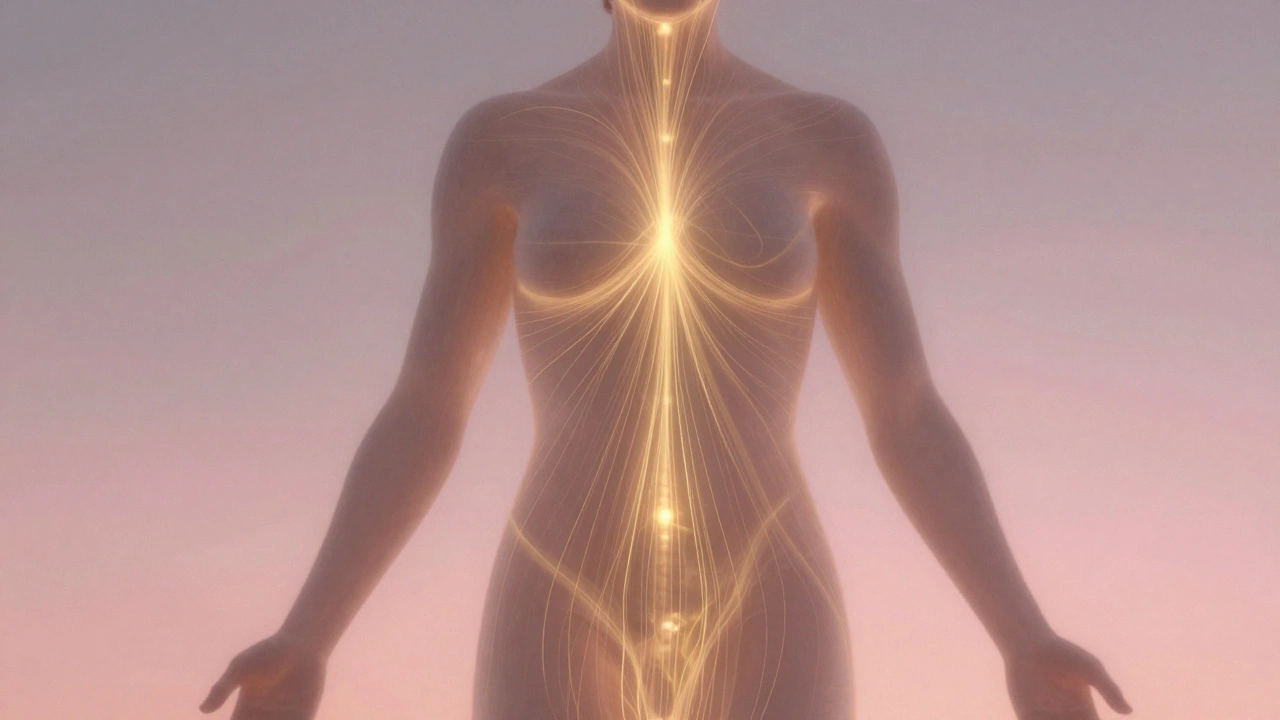
Originating from ancient Indian spiritual traditions, tantra teaches that energy-called prana-flows through every part of us. When this energy gets stuck-because of stress, trauma, or just living in our heads too much-we feel disconnected, numb, or anxious. Tantric massage uses touch, breath, and mindful attention to gently release those blockages.
Think of it like this: if a Swedish massage is like tidying up your living room, tantric massage is like rewiring the whole house. It doesn’t just relax your muscles-it quiets your nervous system, opens your heart, and brings you back to a state of simple, quiet aliveness.
Why People Come Back-Again and Again
Most people try tantric massage once out of curiosity. A few come back because they were curious. The ones who keep coming? They felt something they hadn’t felt in years.
One client, a 42-year-old teacher from Utrecht, told me after her third session: “I hadn’t cried in ten years. Not even when my mom died. But during the massage, I just started sobbing. Not because something bad happened. Because I finally felt safe enough to feel.”
That’s not rare. People report:
- Feeling lighter, as if carrying less emotional weight
- Improved sleep-not because they’re tired, but because their mind stops racing
- Better relationships, because they’re more present with their partner
- Reduced anxiety, not from medication, but from reconnecting with their body
- A renewed sense of self-worth-not because someone told them they’re worthy, but because they felt deeply held, without judgment
This isn’t placebo. It’s neuroscience. Studies show that slow, rhythmic touch activates the vagus nerve, which calms the fight-or-flight response. It lowers cortisol. It increases oxytocin-the bond hormone. When you’re touched with care, your body doesn’t just relax. It remembers how to trust.
How Tantric Massage Differs From Other Massage Types
Let’s be clear: not all sensual touch is tantric. Here’s how it stacks up against what you might find elsewhere in Amsterdam.
| Aspect | Tantric Massage | Swedish Massage | Body to Body Massage | Deep Tissue Massage |
|---|---|---|---|---|
| Primary Goal | Energy flow, emotional release, presence | Relaxation, muscle tension relief | Sensual pleasure, erotic stimulation | Chronic pain, deep muscle release |
| Touch Speed | Extremely slow, deliberate | Medium, rhythmic | Varies, often fast | Firm, focused pressure |
| Focus Areas | Entire body, including erogenous zones with awareness | Back, neck, shoulders | Genital and breast areas | Deep muscle layers, knots |
| Communication | Minimal talking, guided breathwork | Light conversation | Often explicit, performance-based | Feedback on pressure |
| After Effects | Emotional clarity, calm, expanded awareness | Physical relaxation | Euphoria, short-term arousal | Temporary soreness, relief |
Notice the difference? Tantric massage doesn’t aim to excite. It aims to awaken. It doesn’t rush you to climax. It helps you stay in the moment, even when it’s uncomfortable. That’s where the real transformation happens.
What Happens During a Tantric Massage Session
If you’ve never tried it, the idea of a full-body tantric massage might feel intimidating. Here’s what actually happens-step by step.
First, you’ll arrive in a quiet, softly lit room. No music. No scents. Just warmth. You’ll be asked to shower before the session-this isn’t about hygiene, it’s about ritual. Cleansing the body helps you leave the outside world behind.
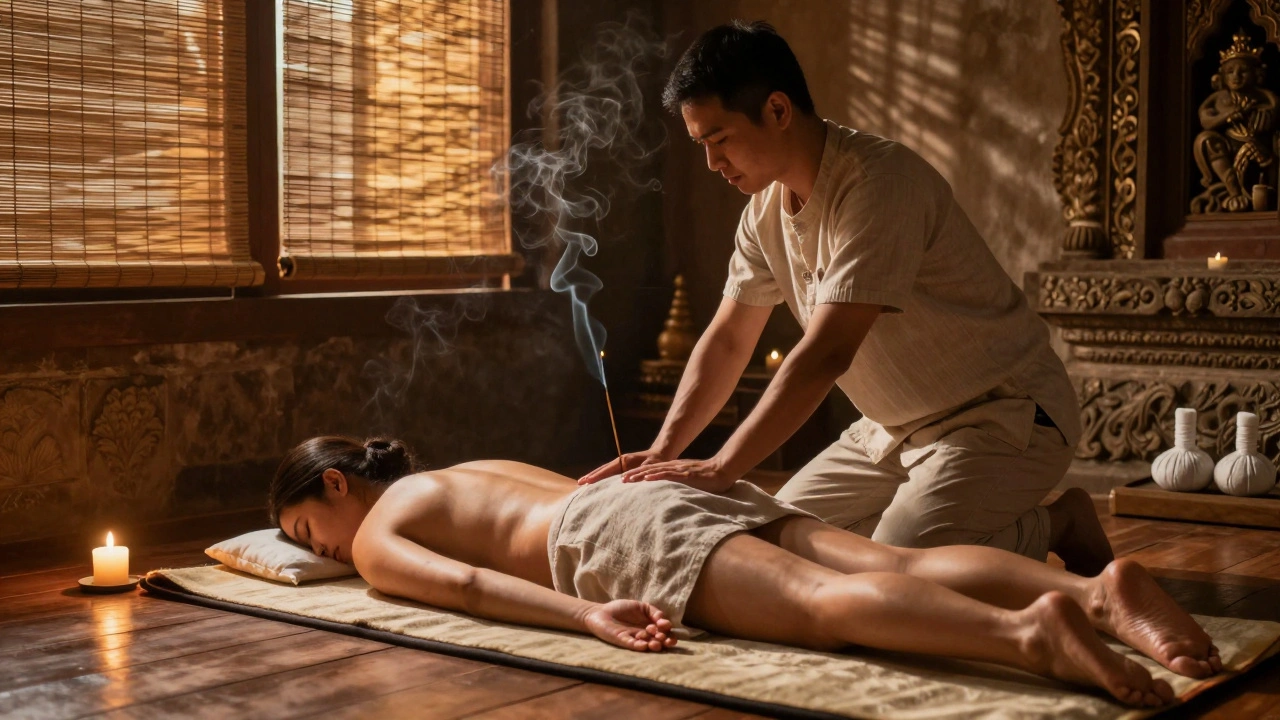
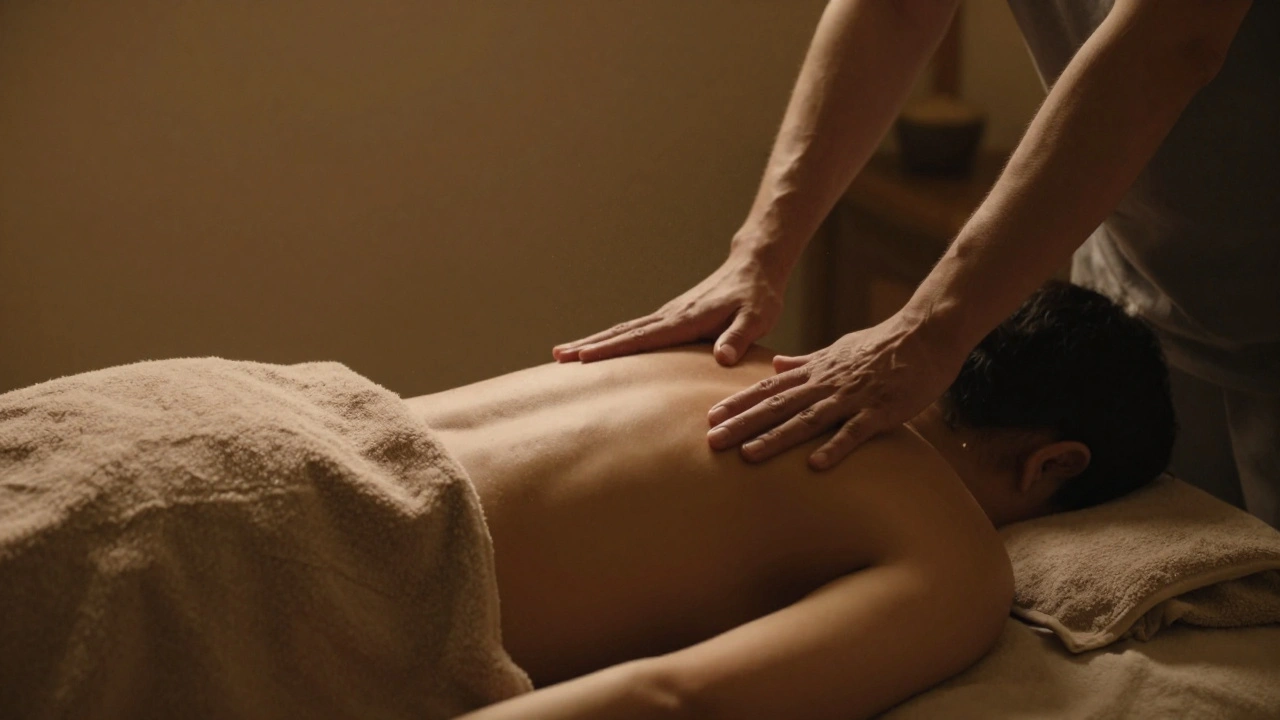
You’ll lie on a heated massage table, covered with a soft towel. The practitioner will begin with long, slow strokes along your spine. Not to “work” the muscles. Just to be with you. To let you feel safe.
Then, the touch moves-gently, without urgency-to your arms, legs, belly, chest. At some point, it may move toward your genitals or breasts. This isn’t about stimulation. It’s about releasing the shame, fear, or numbness that lives there. Many people hold their deepest pain in these areas. The touch says: You’re safe here. You’re not broken.
You might feel tingling. Heat. Tears. A sudden urge to laugh. Or nothing at all. That’s okay. There’s no “right” reaction. The goal isn’t to feel something dramatic. It’s to let whatever is there, be there.
The session lasts 60 to 90 minutes. No orgasm is expected. No climax is the goal. In fact, many practitioners avoid triggering orgasm altogether-because the real work happens in the stillness after.
When it’s over, you’ll be offered warm tea. No rush. No pressure to talk. Just sit. Breathe. Let the quiet settle into your bones.
Where to Find Authentic Tantric Massage in Amsterdam
Amsterdam is full of massage studios. But authentic tantric massage? That’s rarer.
True tantric practitioners don’t advertise on Airbnb Experiences or Uber-style apps. They don’t use phrases like “erotic relaxation” or “sensual escape.” They don’t post pictures of themselves in lingerie. They don’t promise orgasms.
Instead, look for:
- Practitioners trained in traditional tantra-often with lineage from India or Nepal
- Spaces that feel like a temple, not a salon-quiet, simple, no mirrors
- Intake conversations before booking. A good practitioner will ask about your intentions, fears, and boundaries
- Reviews that mention emotional release, not just “great touch”
Two places in Amsterdam that consistently come up in quiet circles:
- Amsterdam Tantra House (Jordaan)-run by a former monk from Kerala. Sessions are 90 minutes. No photos online. Book by email only.
- The Stillness Studio (Oud-West)-offers private, one-on-one sessions with certified tantric therapists. They specialize in trauma-informed touch.
Don’t Google “tantric massage Amsterdam.” Instead, search for “tantric healing Amsterdam” or “mindful bodywork.” The real ones don’t need to be found. They find you.
What You Should Pay-and What to Avoid
A good tantric massage in Amsterdam costs between €120 and €180 for 90 minutes. That’s more than a Swedish massage, but it’s not luxury pricing. It’s investment pricing.
Why? Because it takes years to train. Practitioners don’t just learn touch-they learn psychology, energy work, ethics, and deep listening. Many have backgrounds in therapy, yoga, or spiritual counseling.
Watch out for:
- Places that offer “tantric massage” for €60. If it’s too cheap, it’s not tantric. It’s sexual service.
- Practitioners who push you to do things you’re uncomfortable with. Your “no” is sacred.
- Studios that don’t offer a pre-session conversation. A real tantric practitioner wants to know who you are before they touch you.
And never, ever feel pressured to perform, reciprocate, or respond a certain way. This isn’t a transaction. It’s a sacred exchange.

How to Prepare-And What to Bring
You don’t need to be spiritual. You don’t need to meditate. You just need to be willing to be still.
Here’s what helps:
- Arrive 15 minutes early. Bring a journal if you want. Some people write after.
- Don’t eat a heavy meal right before. A light snack is fine.
- Wear loose clothing to the session. You’ll be draped the whole time.
- Leave your phone in the car. Or better yet, turn it off.
- Set an intention-not a goal. Like: “I’m here to feel safe.” Not: “I want to orgasm.”
And if you feel nervous? Good. That means you’re human. The practice isn’t for people who have it all together. It’s for people who are ready to stop pretending.
Who Should Try Tantric Massage? (And Who Shouldn’t)
It’s not for everyone-and that’s okay.
It’s especially powerful for:
- People who feel disconnected from their bodies
- Those recovering from trauma, abuse, or emotional neglect
- Anyone who’s been told their needs are “too much”
- People in long-term relationships who’ve lost physical intimacy
- Those who feel numb, anxious, or emotionally drained
It’s not recommended if:
- You’re seeking sexual gratification
- You’re in active addiction or psychosis
- You’re not ready to face emotions that may surface
- You’re pressured by someone else to try it
There’s no shame in saying no. This isn’t a trend. It’s a deep, personal journey.
What Comes After the Session
Many people expect to feel “high” afterward. Some do. But most feel… quiet.
That quiet is the gift.
You might sleep deeply for the first time in months. You might cry on the tram home. You might sit in your kitchen just staring at the tea cup, feeling oddly grateful.
Don’t rush to analyze it. Don’t try to “figure it out.” Just let it settle.
Some people return weekly. Others come once a year. There’s no right pace. The work doesn’t happen in the room. It happens in the days after-in how you hold yourself, how you speak to your partner, how you breathe when you’re stressed.
Tantric massage doesn’t fix you. It reminds you that you were never broken to begin with.
Is tantric massage the same as erotic massage?
No. Erotic massage focuses on arousal and sexual release. Tantric massage uses touch to release emotional and energetic blockages. While it may involve intimate areas, the intention is never sexual. The goal is awareness, not stimulation. If a practitioner promises orgasm or uses sexualized language, it’s not tantric.
Do I need to be spiritual to benefit from tantric massage?
No. You don’t need to believe in chakras, energy fields, or reincarnation. Tantric massage works because of touch, presence, and nervous system regulation-all scientifically proven. Many clients come with zero spiritual background and leave with a deeper sense of peace. You just need to be willing to feel.
Can I bring my partner to a tantric session?
Individual sessions are private and focused on your own healing. Some practitioners offer couple’s workshops later, but those are separate. The first session is about you reconnecting with yourself-not your partner. Trying to bring relationship dynamics into the session can block the process.
What if I get aroused during the massage?
It’s normal. Your body doesn’t always know the difference between touch and arousal. A good practitioner will acknowledge it gently-“I notice your breath has changed”-and keep going. You don’t need to apologize. You don’t need to do anything. Just let it be. It’s not about sex. It’s about release.
How many sessions do I need to see results?
Some feel shifts after one session. Others need three to five. It depends on what you’re carrying. There’s no set number. Think of it like therapy: healing isn’t linear. One session might unlock a buried emotion. Another might help you sleep better. The changes are subtle at first-but they add up.
If you’re ready to feel more alive-not just more relaxed-then maybe it’s time to let someone touch you with care. Not because you need fixing. But because you deserve to remember what it feels like to be held.