Tantra Meditation: Enhance Your Practice with Energy Awareness Techniques
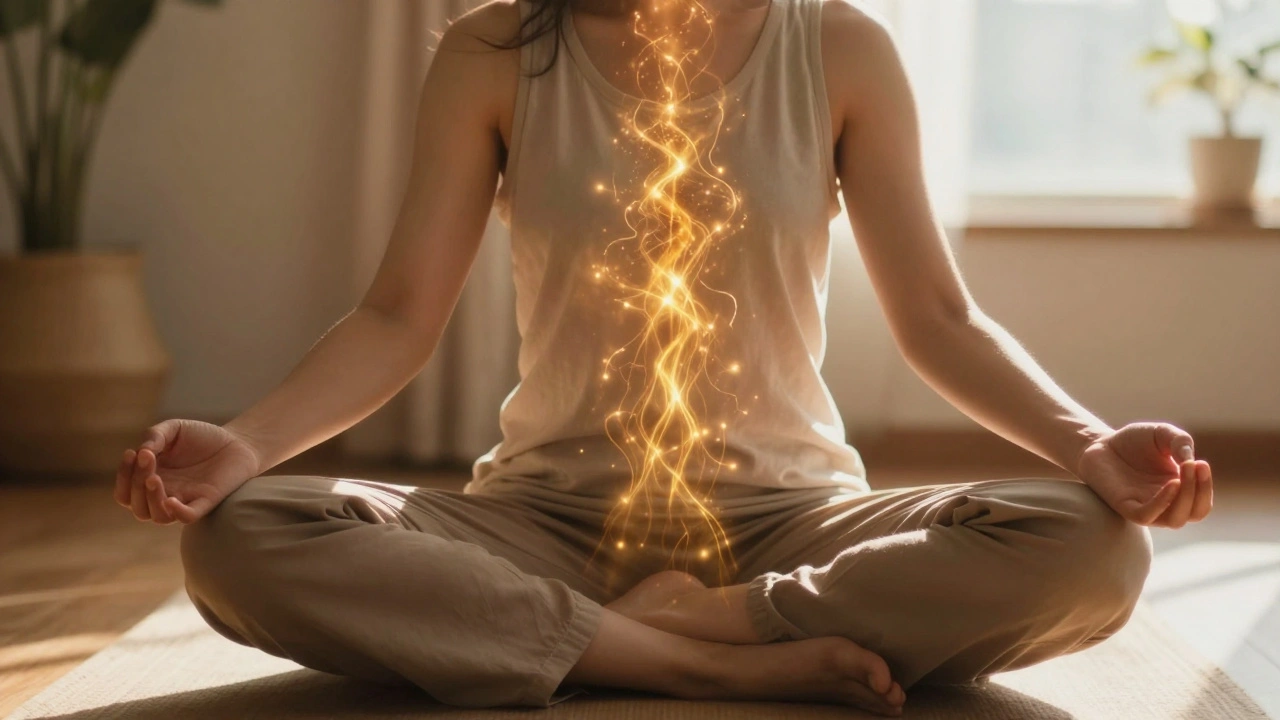
Ever tried meditating but felt like something was missing? Tantra might be the key you didn't know you needed. This is where tantra meditation comes in-it's not about sex, but a path to deeper awareness.
Key Takeaways
- Tantra isn't just about sexuality-it's a spiritual path focused on energy and awareness.
- Integrating tantric techniques like breathwork and body awareness can transform your meditation from routine to profound.
- Simple practices like mindful touch or energy visualization take just minutes but create lasting shifts.
- Contrary to myths, tantra works for anyone, regardless of experience level.
What Tantra Really Is
Tantra is a centuries-old spiritual tradition rooted in Hindu and Buddhist practices. It's often misunderstood as solely about sexuality, but that's just a small part. At its core, Tantra is about harnessing energy-both physical and spiritual-to awaken deeper states of consciousness. Think of it as a roadmap for connecting with your inner self through the body, breath, and mind.
Unlike traditional meditation, which sometimes encourages detachment from the body, Tantra embraces physical sensations as gateways to spiritual insight. This isn't about chasing bliss-it's about fully experiencing the present moment, exactly as it is.
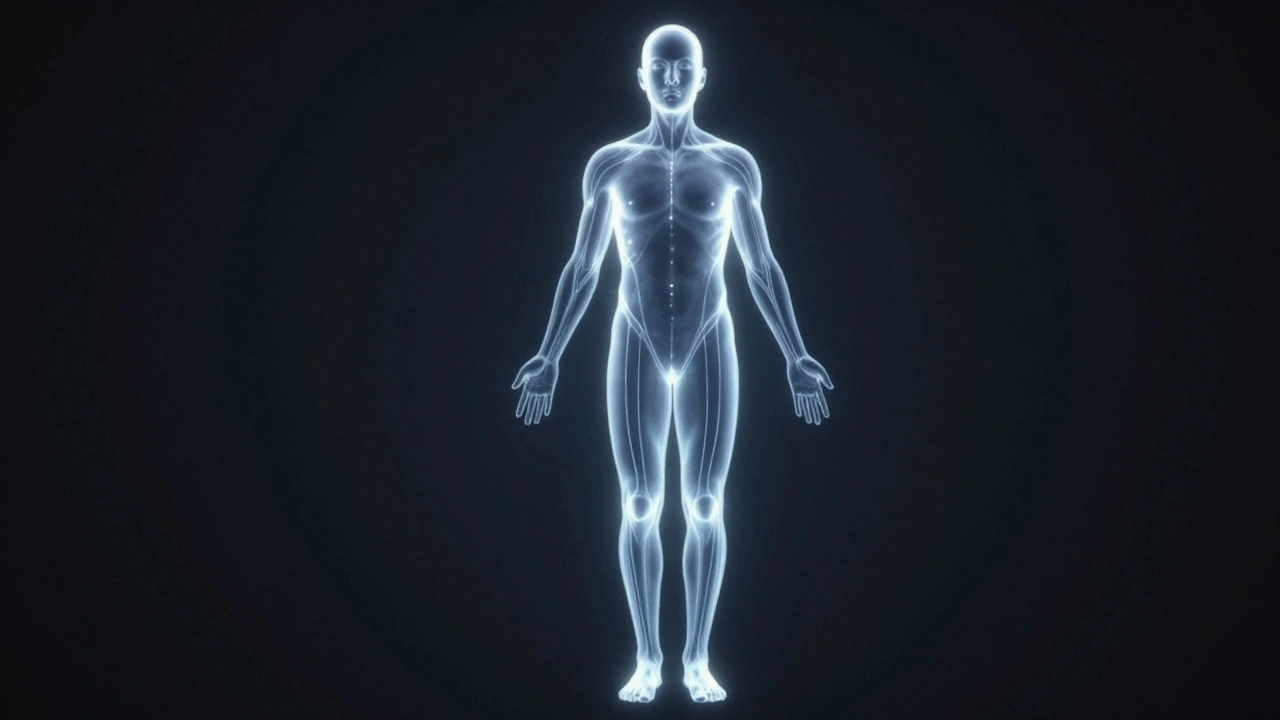
How Tantra Enhances Meditation
When you blend Tantra with meditation, you're not just sitting still-you're actively engaging with your energy. For example, instead of trying to clear your mind (which often backfires), Tantra teaches you to observe sensations without judgment. This shift makes meditation feel less like a chore and more like a natural flow.
Let's say you're focusing on your breath. A tantric approach might involve noticing how the air feels entering your nostrils, the slight pause between inhales and exhales, or even the vibration in your chest. These tiny details anchor you in the present, making distractions fade naturally.
Real-world example: Sarah, a yoga teacher from Amsterdam, struggled with restless meditation for years. After adding a simple tantric technique-placing a hand on her heart while breathing-her sessions became 3x more focused. "It's like the difference between watching TV and actually being in the room," she said. "You're not just observing; you're part of the experience."
Simple Techniques to Try Today
You don't need hours of training to start. Here are three easy practices:
- Energy Awareness Breathing: Sit comfortably. Inhale deeply through your nose, imagining energy filling your body from the base of your spine. Exhale slowly, feeling it release tension. Repeat for 5 minutes. This builds awareness of subtle energy flow.
- Body Scan Meditation: Close your eyes. Slowly move your attention from your toes to your head, noticing any sensations-tingling, warmth, pressure. No need to fix anything; just observe. This is a core tantric practice for grounding.
- Heart-Centered Focus: Place your hand on your heart. Breathe gently while focusing on the sensation. When thoughts arise, gently return to the touch. This cultivates emotional awareness and calm.
These take 5-10 minutes and fit into any routine. No special equipment-just you and your body.

Common Misconceptions
Let's clear up some myths:
- Myth: Tantra is all about sex. Truth: While some tantric practices involve sexual energy, most focus on non-sexual energy work. The goal is spiritual awakening, not physical pleasure.
- Myth: You need a guru or special initiation. Truth: Many techniques can be practiced alone. Modern Tantra adapts ancient wisdom for everyday life-no rituals required.
- Myth: It's only for spiritual people. Truth: Whether you're religious, secular, or somewhere in between, Tantra's principles work for anyone seeking deeper presence.
Frequently Asked Questions
Is Tantra the same as meditation?
Not exactly. Meditation is a broader practice of focused attention, while Tantra is a specific spiritual tradition that enhances meditation through energy work and body awareness. Think of Tantra as a toolkit to make your meditation more effective.
Do I need to be religious to practice Tantra?
No. Tantra is spiritual but not tied to any religion. It's about personal experience, not dogma. Many people use it alongside secular mindfulness practices.
How long does it take to see results?
Some feel shifts after just one session-like deeper relaxation or clarity. Consistent practice (even 5 minutes daily) builds lasting benefits over weeks. Think of it like watering a plant: small, regular efforts yield the best growth.
Can Tantra replace my current meditation routine?
It's not about replacement-it's about enhancement. Many people integrate tantric techniques into their existing practice. For example, adding a body scan before seated meditation can deepen focus. Start small and see what works for you.
Is there scientific backing for Tantra?
Yes. Studies on mindfulness-based practices (which Tantra overlaps with) show reduced stress and improved focus. For instance, a 2023 study in the Journal of Alternative Medicine found that energy-awareness techniques increased meditation depth by 40% for beginners. While Tantra-specific research is limited, its methods align with proven neuroscience principles.

GAURAV JADHAV
February 7, 2026 AT 07:06Tantra is a government mind control tool.
Rachel Freed
February 7, 2026 AT 11:02Interesting perspective. It's like the universe's energy is always present, but we're too distracted to notice. Tantra helps tune in, but maybe it's just another way to self-reflect. The body scan technique mentioned is interesting. I've tried similar practices before. It's all about grounding yourself in the present moment. However, I wonder if there's a scientific basis for energy awareness. Some studies suggest mindfulness improves focus, but energy work is more abstract. Maybe the physical sensations are just a way to focus attention. Still, the idea of integrating physical sensations into meditation makes sense. It's not about escaping reality but engaging with it fully. Some people might find it too vague, but for me, it's a useful tool. I've noticed that when I pay attention to my breath and body, my mind becomes calmer. It's not a magic solution, but it's a step in the right direction. Maybe combining Tantra with other practices could be even more effective. Ultimately, it's about finding what works for you. The article does a good job clarifying misconceptions. I appreciate the effort to explain Tantra beyond the stereotypes. It's important to separate myth from practice. Overall, I'm curious to try the heart-centered focus technique. Maybe it will help me during stressful days. I think the key is consistency. Even small practices can have big effects over time. It's not about perfection, just showing up. Each session builds a little more awareness. I'm glad I read this. Thanks for sharing.
Susan Scott
February 8, 2026 AT 21:04Yay energy! Wait, is this just a fancy way to say 'breathe'? lol. But seriously, trying the heart thing. Maybe it'll help me not scream at my cat today. 🌈✨
Mike Ritchie
February 9, 2026 AT 14:31Of course it's not about sex. That's so basic. Real Tantra involves complex rituals and ancient texts. This article is too simplistic. Anyone can do it? Nonsense.
David Smith
February 10, 2026 AT 05:29This is helpfull. Ive tried meditation before but felt disconnected. Body scan sounds good. Maybe try it tomorrow. Thanks for sharing.
Sinclair Madill
February 12, 2026 AT 05:19Just do it Breathe Feel Simple No overthinking Start now
Woo Packaging
February 12, 2026 AT 16:19The article says 'tantra isn't about sex' but some sources say it is. Maybe clarify? Also 'it's' vs 'its' in the content. Anyway, good points.