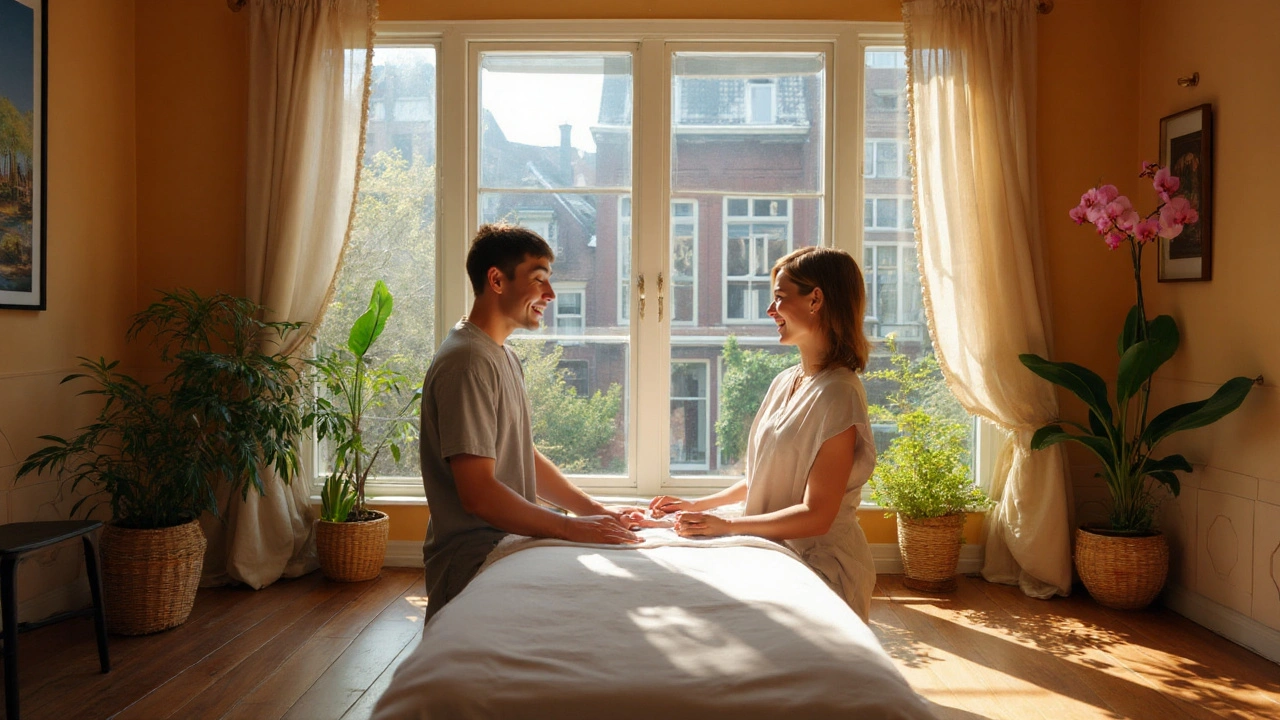
Indulge in the Magic of Thai Massage in Amsterdam
You’ve walked through the canals, admired the tulips, maybe even cycled past a windmill or two. But have you truly let go? Not the kind of relaxation that comes from a coffee and a stroopwafel - the kind that melts your stress into the cobblestones beneath your feet? That’s where Thai massage in Amsterdam comes in.
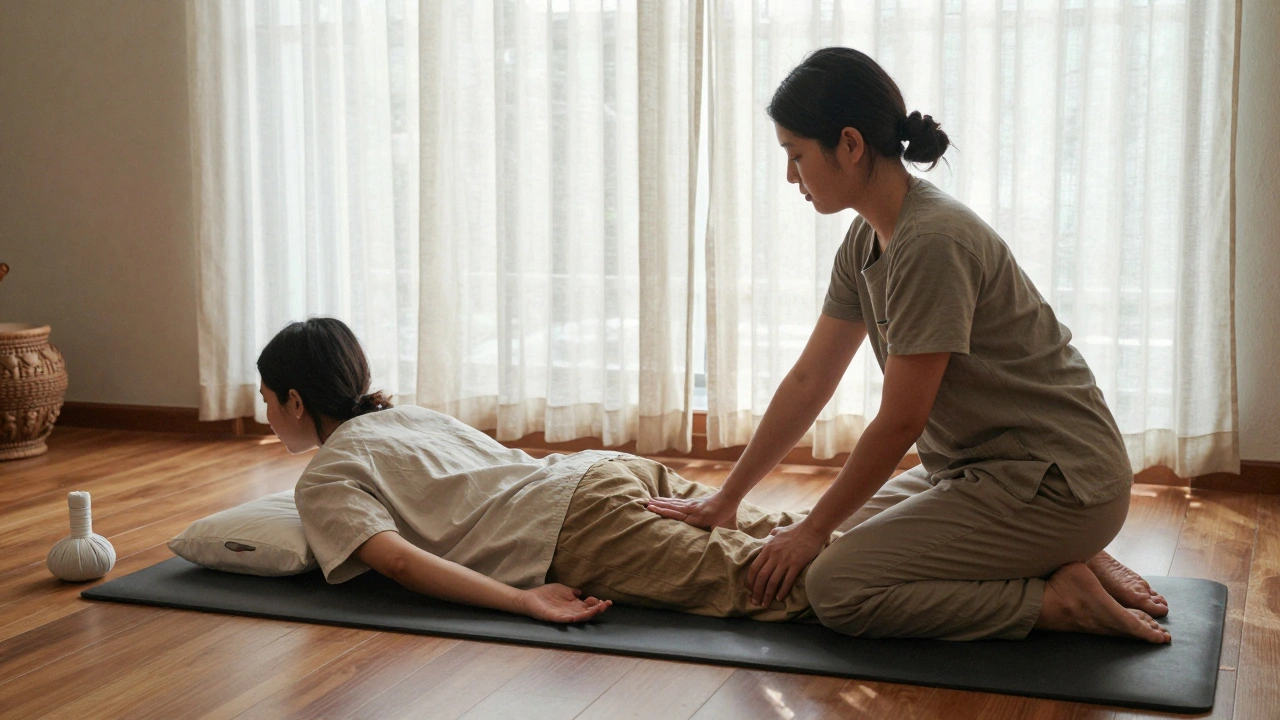
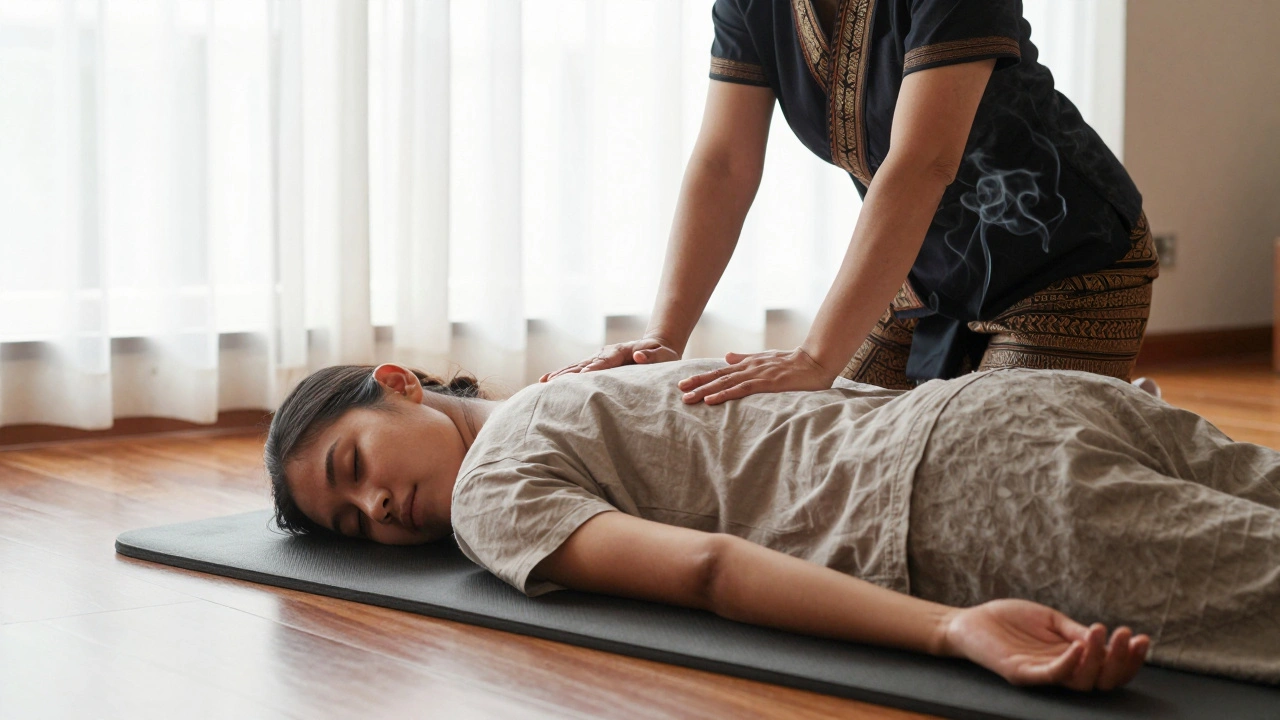
It’s not just another spa treatment. It’s a full-body experience that blends acupressure, yoga-like stretches, and rhythmic compression - all done on a mat on the floor, no oils, no undressing. You show up in loose clothes. You leave feeling like your bones have been rearranged for the better.
Key Takeaways
- Thai massage in Amsterdam uses no oils - just your body weight, pressure, and movement.
- It’s not just relaxation; it’s a reset for your nervous system, muscles, and energy flow.
- Look for therapists trained in Chiang Mai or Bangkok - not just anyone calling themselves "Thai."
- Most sessions last 60-90 minutes and cost between €60-€120.
- Book ahead. The best spots fill up fast, especially on weekends.
What Exactly Is Thai Massage?
Thai massage isn’t Swedish. It’s not deep tissue. It doesn’t even use lotion. Instead, it’s an ancient healing practice from Thailand, rooted in Ayurvedic medicine and Buddhist spiritual practices. Think of it as yoga you don’t have to do yourself.
A therapist uses their hands, thumbs, elbows, knees, and even feet to apply pressure along energy lines - called sen lines - while guiding you through passive stretches. You’ll be pulled, twisted, and compressed in ways that feel strange at first… then deeply satisfying. No tables. No music. Just quiet rooms, warm mats, and the rhythm of your breathing.
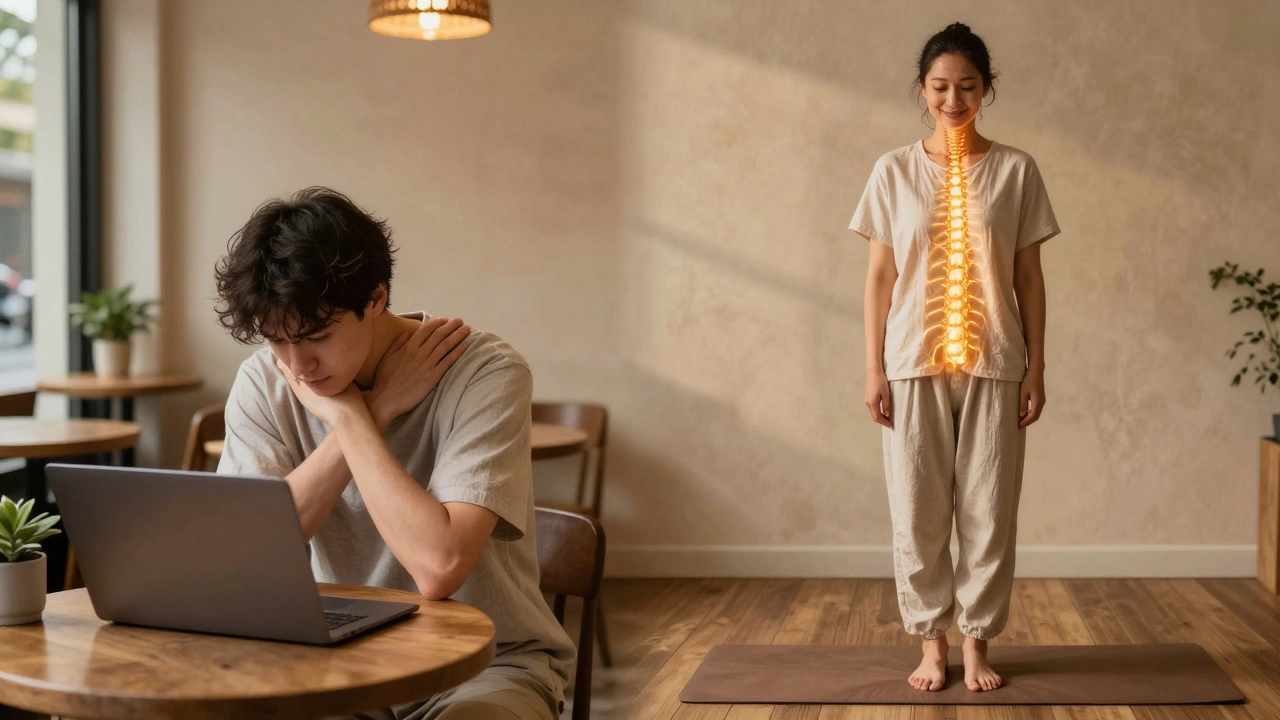
It’s not about luxury. It’s about alignment. After one session, you’ll notice you stand taller. Your shoulders drop. Your hips feel looser. That tightness around your lower back? Gone. Not because of painkillers - because your body finally remembered how to move naturally.
Why Thai Massage in Amsterdam Works So Well
Amsterdam isn’t just a city of bikes and canals. It’s a hub for wellness seekers from all over Europe. People come here to detox, to heal, to slow down. And Thai massage? It’s the perfect antidote to the city’s fast pace.
Think about your average Amsterdam day: rushing to a meeting, standing on a tram, hunching over a laptop, staring at screens. Your body gets stiff. Your breath gets shallow. Thai massage untangles that.
One client, a graphic designer from Utrecht, told me: "I came in with chronic neck pain. After three sessions, I slept through the night for the first time in years. Not because I took pills. Because my body was finally free."
It’s not magic. It’s biomechanics. The stretches release tension in muscles you didn’t even know were tight. The pressure stimulates the parasympathetic nervous system - the part that says, "You’re safe. You can relax."
Types of Thai Massage Available in Amsterdam
Not all Thai massage is created equal. Here’s what you’ll find in Amsterdam:
- Traditional Thai Massage - The full 90-minute experience. Includes stretching, acupressure, and energy line work. Done on the floor. This is the real deal.
- Thai Oil Massage - A hybrid. Uses light oils and lighter pressure. Good if you’re sensitive to deep work. Not authentic, but popular with tourists.
- Thai Foot Massage - Focuses on the feet and lower legs. Uses reflexology points. Great if you’re on your feet all day.
- Thai Yoga Massage - More movement-based. Therapist guides you through poses like a gentle yoga class. Often paired with aromatherapy.
- Complementary Thai Treatments - Some places add herbal compresses, hot stones, or head massages. These are nice extras, but don’t confuse them with the core practice.
Stick to Traditional Thai Massage if you want the full effect. The others are nice, but they’re not the same. You’re not here for a spa day. You’re here for a reset.
Where to Find Authentic Thai Massage in Amsterdam
There are dozens of places claiming to offer Thai massage. But only a few have therapists trained in Thailand. Here’s how to spot the real ones:
- Look for names like "Wat Po," "Chiang Mai," or "Bangkok" - These usually mean the school or lineage is authentic.
- Check therapist bios - Do they mention training in Thailand? At Wat Po? At a Thai temple? That’s a good sign.
- Ask if they use a floor mat - If they have a massage table, they’re probably doing a diluted version.
- Read reviews for phrases like "I felt stretched," "I couldn’t move for a day," "My back felt new." Those are real Thai massage effects.
Top spots in Amsterdam:
- Wat Po Thai Massage (Jordaan) - Founded by a Thai master trained at Wat Po Temple in Bangkok. The gold standard.
- Thai Bodywork Studio (De Pijp) - Small, quiet, and all about technique. No frills. Just results.
- Healing Hands Amsterdam (Centrum) - Offers both traditional and herbal compress add-ons. Great for first-timers.
- Lotus Thai Massage (Oud-West) - Family-run, with therapists who’ve trained in Chiang Mai for over 5 years.
Pro tip: Avoid places that offer 30-minute Thai massages. That’s not Thai massage. That’s a quick rubdown. Real Thai massage takes time.
What to Expect During Your First Session
You walk in. You’re handed loose cotton pants and a top. You lie on a thick mat on the floor. The therapist doesn’t speak much - just nods. Then they start.
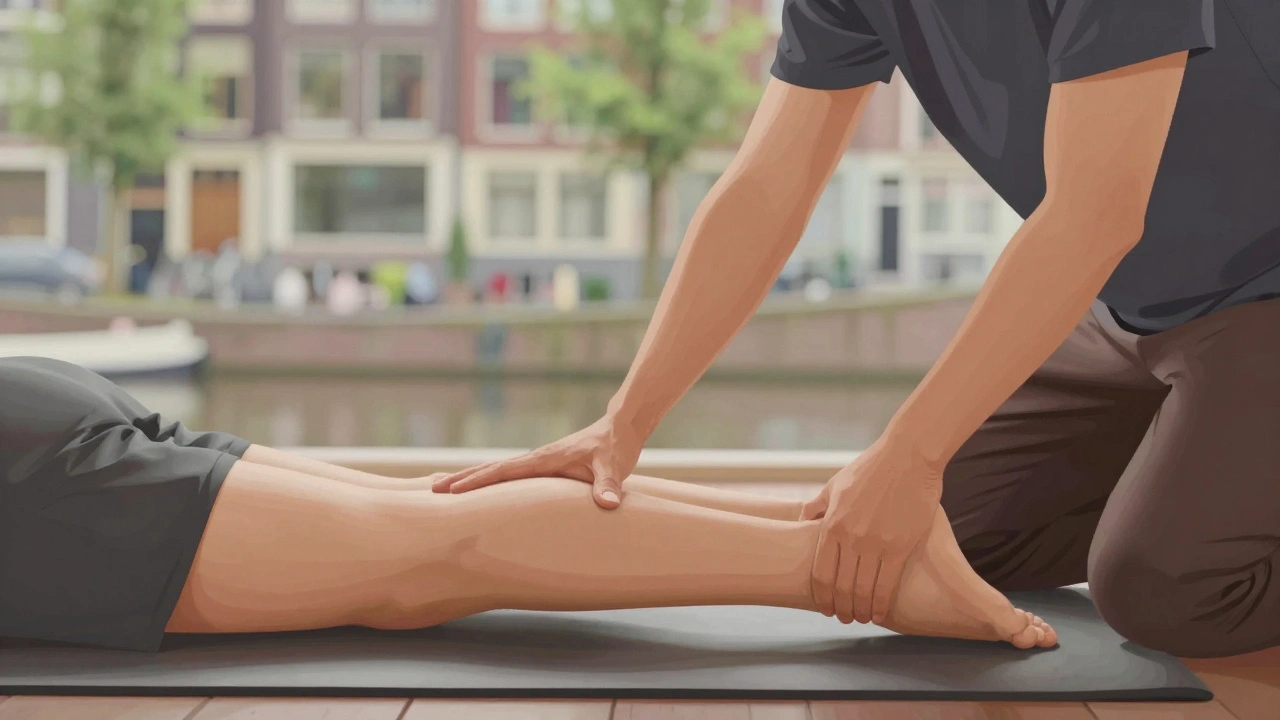
First, they press along your legs - from ankle to hip - using their thumbs. It feels intense, but not painful. Then they guide your knee toward your chest, gently but firmly. You feel a stretch you didn’t know you needed.
Next, they move to your back. They use their elbows to apply pressure along your spine. You might gasp. That’s normal. Then comes the twist - one hand on your shoulder, the other on your hip. Slow rotation. You feel your spine sigh.
Halfway through, they’ll have you on your side. They’ll stretch your hamstrings, press into your glutes, and even work your feet. You won’t be asked to do anything. You just breathe.
It’s not relaxing in the spa-sense. It’s more like a deep reset. Afterward, you’ll feel tired. Maybe even a little sore. That’s your body adjusting. Drink water. Don’t rush. Let yourself drift.
Pricing and How to Book
Here’s what you’ll pay in Amsterdam (as of March 2026):
- 60-minute session - €60-€80
- 90-minute session - €90-€120
- 120-minute session - €130-€160 (rare, but worth it if you’re deeply tense)
Most places don’t take walk-ins. Book online. Most use platforms like Bookly or Calendly. Look for slots early in the week - Tuesday and Wednesday mornings are usually quiet. That’s when the best therapists have the most energy.
Some places offer package deals: 3 sessions for €220. If you’re serious about relief, go for the package. One session is a taste. Three sessions is a transformation.
Safety Tips - What You Need to Know
Thai massage is safe for most people. But here’s what to watch for:
- Don’t go if you’re pregnant - Especially in the first trimester. Some stretches can be risky.
- Avoid after surgery or acute injury - Wait at least 6 weeks. Talk to your doctor first.
- Speak up if it hurts - There’s a difference between "deep" and "painful." You should never feel sharp pain.
- Don’t eat right before - Wait 2 hours. A full stomach makes the stretches uncomfortable.
- Hydrate after - Your body releases toxins. Water helps flush them out.
And one more thing: Thai massage isn’t a cure-all. It won’t fix a herniated disc. But if you’re tired, stiff, or just out of sync with your body? It’s one of the most effective tools out there.
Thai Massage vs. Swedish Massage in Amsterdam
| Feature | Thai Massage | Swedish Massage |
|---|---|---|
| Setting | Mat on floor | Massage table |
| Pressure | Deep, rhythmic, full-body | Light to medium, flowing strokes |
| Attire | Loose clothing | Nude under towel |
| Oils | None | Yes |
| Duration | 60-120 minutes | 60-90 minutes |
| Primary Goal | Energy flow, flexibility, structural alignment | Relaxation, circulation, muscle tension relief |
| After Effects | May feel tired or sore; long-lasting release | Immediate relaxation; short-term relief |
| Best For | Chronic stiffness, poor posture, low energy | Stress, light tension, pampering |
If you’ve only ever had Swedish, Thai massage will feel like a whole new language. One is a gentle caress. The other is a full-body conversation.
Frequently Asked Questions
Is Thai massage painful?
It can feel intense, especially if you’re tight. But it shouldn’t hurt. A good therapist adjusts pressure to your comfort. If you feel sharp pain, speak up. The goal is release, not punishment.
Do I need to be flexible for Thai massage?
No. Thai massage is designed for people who aren’t flexible. The therapist moves you gently - you don’t have to do anything. If you can’t touch your toes, that’s fine. The stretch will come slowly.
Can I get Thai massage if I have back pain?
Yes - but tell your therapist first. They’ll avoid direct pressure on injured areas and focus on surrounding muscles. Many people with chronic back pain find relief after several sessions.
How often should I get Thai massage?
Once a month is ideal for maintenance. If you’re dealing with pain or stress, once every 2-3 weeks for 3 months can create lasting change. After that, you can drop to monthly.
Why does Thai massage make me so tired?
Because it’s not just physical. It works on your nervous system. The deep pressure and stretches trigger a parasympathetic response - your body goes into repair mode. That’s why you feel drained. It’s a good sign. Rest after. Don’t schedule a meeting right after.
Are there male therapists in Amsterdam who do Thai massage?
Yes. Many clinics have male therapists - especially those trained in Thailand, where male practitioners are common. If gender matters to you, ask when booking. Most places are happy to accommodate.
Ready to Reset?
You don’t need to fly to Bangkok to feel like you did. Amsterdam has the real thing - quiet rooms, skilled hands, and a deep understanding of what your body needs. No gimmicks. No hype. Just pressure, stretch, and stillness.
Book your session. Wear loose clothes. Don’t eat beforehand. Breathe. Let go.
That tightness you’ve carried for years? It doesn’t have to be yours anymore.