The Power of Touch: Thai Massage Therapies in Amsterdam
You’ve had a long day. Your shoulders are tight, your mind is racing, and you just need to feel human again. That’s when you remember: there’s something deeper than a regular massage in Amsterdam. Something rooted in centuries of healing, movement, and energy. Something called Thai massage.
It’s not just stretching. It’s not just pressure. It’s a full-body conversation between you and the therapist-no oils, no music blasting, no silence either. Just breath, rhythm, and touch that moves through you like a slow tide.
What Makes Thai Massage Different?
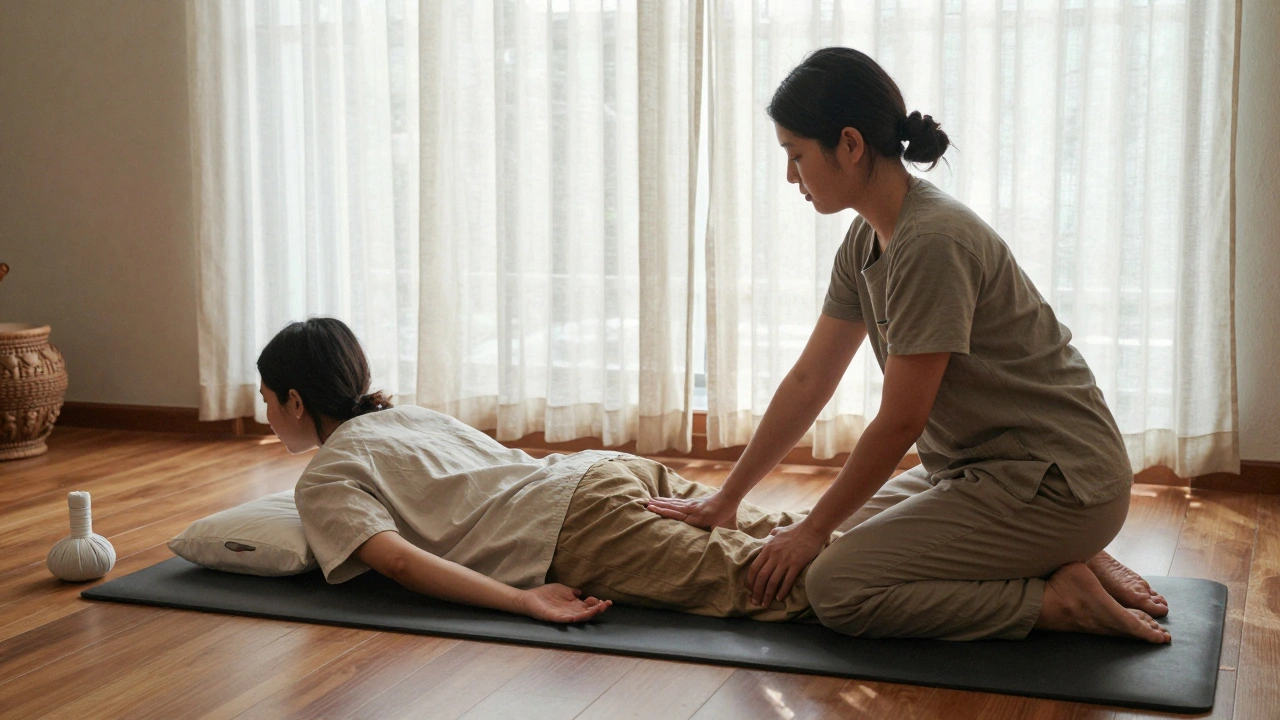
Thai massage, or Nuad Boran, isn’t something you lie on a table for. You stay fully clothed-usually in loose cotton-and the therapist uses their hands, thumbs, elbows, knees, and even feet to guide you through a series of assisted yoga-like stretches. Think of it as yoga you don’t have to do yourself.
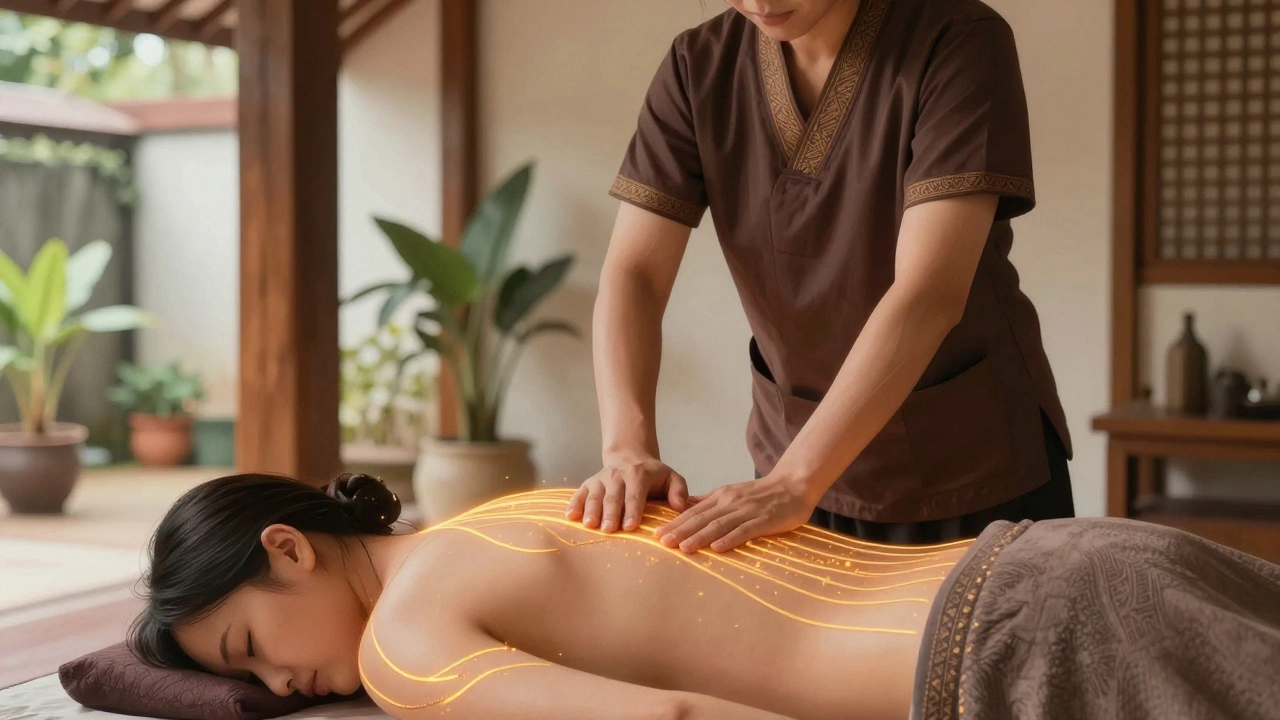
It’s based on ancient Thai medicine, which believes energy flows through ten main lines in the body called sen lines. Blockages? That’s where tension, pain, or fatigue hide. The therapist doesn’t just squeeze muscles-they open pathways. You might feel a deep stretch in your hip, a firm press along your spine, or your leg lifted gently into a position you didn’t know you could hold.
This isn’t a spa fantasy. This is practical healing. People in Thailand have used it for over 2,500 years. In Amsterdam, you’ll find clinics run by therapists trained in Chiang Mai or Bangkok-not just certified in massage, but in the philosophy behind it.
Why Thai Massage Works in Amsterdam’s Fast-Paced Life
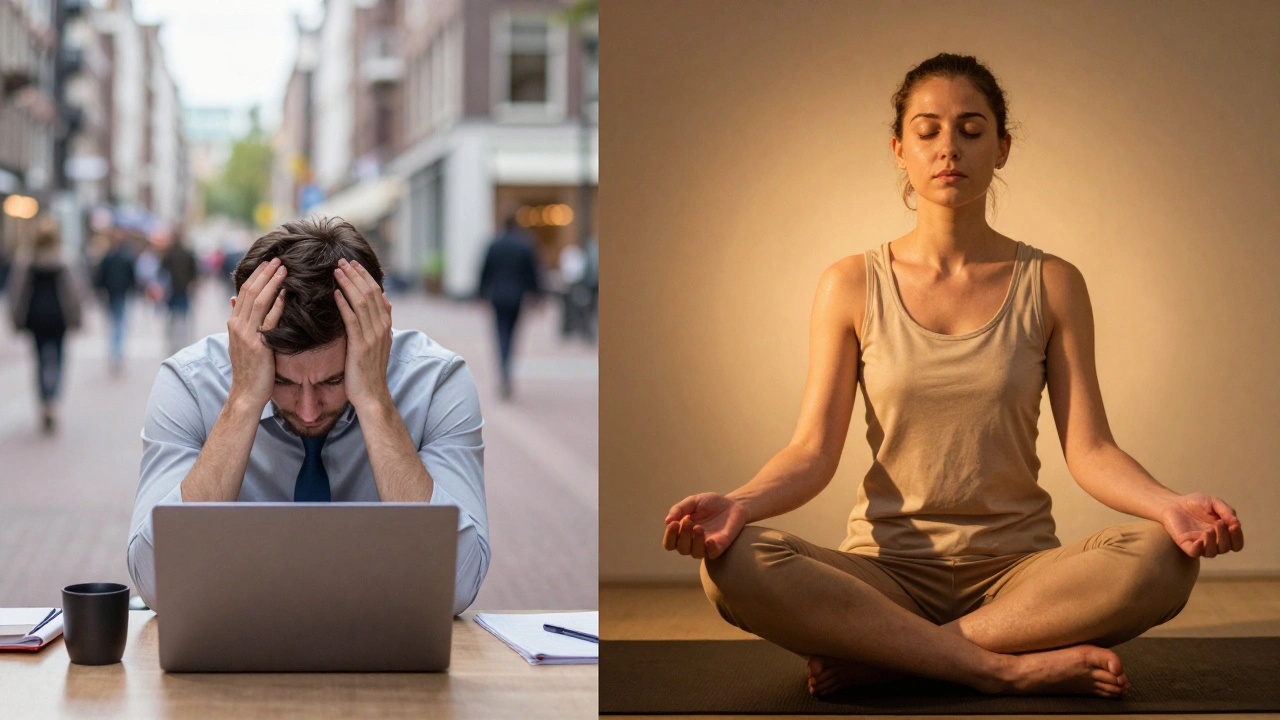
Amsterdam moves fast. Cyclists weave through canals, startups run on coffee, and tourists pack the streets. But underneath the surface, stress builds. Shoulders hunch. Breathing gets shallow. Sleep gets broken.
Thai massage cuts through that. A 90-minute session doesn’t just relax you-it resets your nervous system. Studies from the Journal of Bodywork and Movement Therapies show Thai massage reduces cortisol levels by up to 25% after just one session. That’s not magic. That’s physics: pressure on specific points triggers parasympathetic response. Your body says, “Okay, we’re safe now.”
One regular client, a software developer from De Pijp, told me: “I used to need three days to recover from a bad week. Now I get one Thai massage, and I’m back to normal by Monday.”
Types of Thai Massage You’ll Find in Amsterdam
Not all Thai massage is the same. Here’s what you’ll actually encounter:
- Traditional Thai Massage: The full experience. 60 to 120 minutes. Floor-based, no oils, deep stretches. Best for chronic tension or mobility issues.
- Thai Oil Massage: A hybrid. Still uses stretching, but with warm herbal oils. Softer, more soothing. Good if you’re new to it or want a gentler vibe.
- Thai Foot Massage: Focuses on the feet and lower legs, which are packed with reflexology points. Great if you’re on your feet all day or just want a quick reset.
- Thai Head and Neck Massage: Often done seated. Perfect for desk workers, cyclists, or anyone with tension behind the eyes or in the jaw.
Some places offer “Thai-inspired” massages that skip the stretching and just use pressure. Don’t be fooled. If it’s not on the floor and doesn’t involve your legs being lifted, it’s not Thai massage.
Where to Find Authentic Thai Massage in Amsterdam
You’ll find Thai massage studios tucked into quiet side streets, above cafés, or behind unmarked doors. The best ones aren’t on tourist maps. They’re in neighborhoods like:
- De Pijp: Home to Thai Touch Amsterdam, where therapists trained under Grandmaster Somchai in Chiang Mai. Book ahead-this place fills up fast.
- Jordaan: Siam Wellness offers traditional sessions in a quiet courtyard setting. They use organic cotton linens and herbal compresses.
- Amsterdam Zuid: Lotus Thai Massage is known for their 120-minute deep-work sessions. They’ll spend extra time on your hips and lower back if you ask.
- Centrum: Thai Healing House is the only one in the city that offers morning sessions before 9 a.m.-ideal for early risers or jet-lagged travelers.
Look for places that mention “certified Thai therapist,” “traditional lineage,” or “no oils.” Avoid places that say “relaxing Thai massage” with candles and spa music-that’s usually a Westernized version.
What Happens During Your First Session
You walk in. You’re handed loose cotton pants and a top. You’re asked to remove your shoes. No talk about your day-just a quiet nod. You lie down on a mat on the floor.
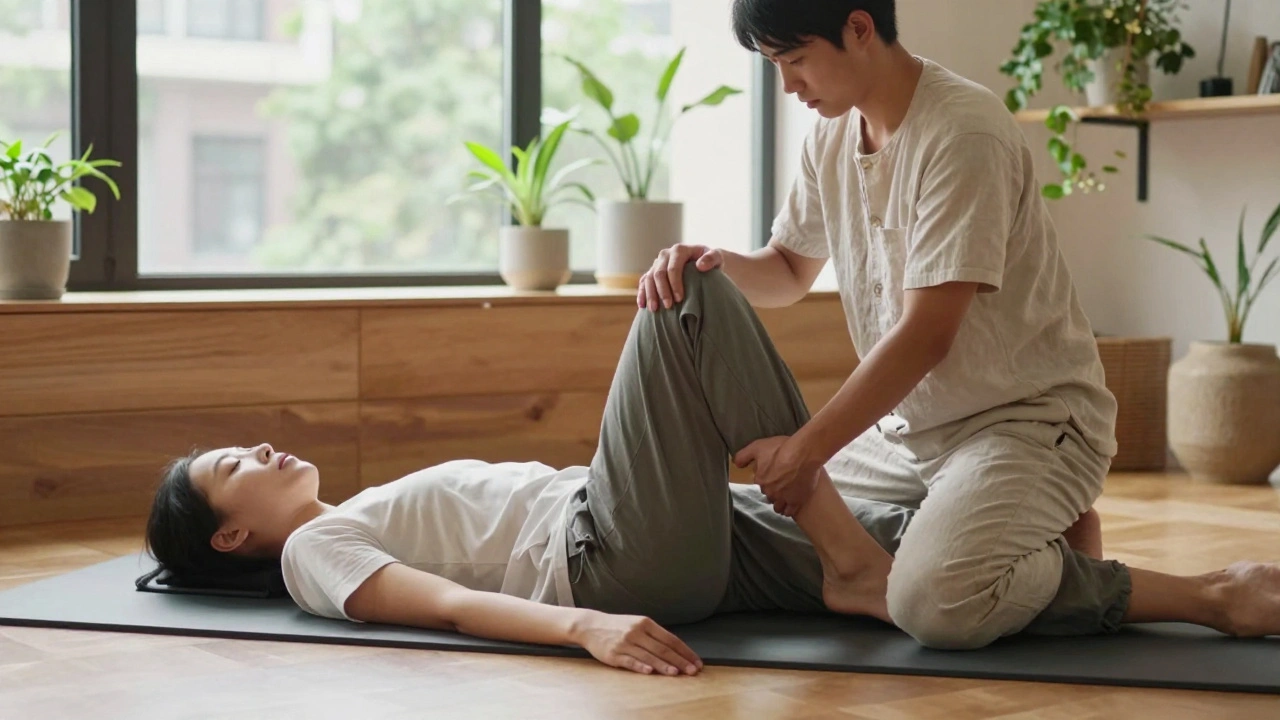
Then, the therapist begins. No sudden moves. Everything is slow, deliberate. They’ll start at your feet, pressing along the inner arch, then move up your calves. You’ll feel a stretch in your hamstrings that makes you gasp-not from pain, but surprise. Your body didn’t know it could do that.
At some point, they’ll use their knee to gently press into your lower back. You’ll think, “Wait, is this safe?” Then you realize: you’re not being forced. You’re being guided. Your body relaxes into it. That’s when the magic happens.
Afterward, you sit up slowly. You feel lighter. Your breathing is deeper. Your shoulders? Gone. Your mind? Quiet. You don’t feel sleepy-you feel clear.
Pricing and How to Book
Prices in Amsterdam are fair, but vary by experience and location:
- 60 minutes: €65-€80
- 90 minutes: €90-€110
- 120 minutes: €120-€140
Most places require booking in advance. Walk-ins are rare. Use Google Maps or Instagram-many studios post real-time availability. Some accept cash only. Always ask.
Pro tip: Book your first session on a weekday afternoon. Less crowded. More time for the therapist to adjust to your body.
Safety Tips: What to Watch Out For
Thai massage is safe for most people. But if you have:
- Recent surgery or fractures
- Severe osteoporosis
- Pregnancy (beyond first trimester)
- Deep vein thrombosis
-tell your therapist before they start. A good one will modify the session. A bad one will ignore you. Trust your gut.
Also: don’t eat a heavy meal right before. Don’t drink alcohol. Don’t rush out after. Sit quietly for five minutes. Let your body settle.
Thai Massage vs. Swedish Massage in Amsterdam
| Feature | Thai Massage | Swedish Massage |
|---|---|---|
| Location | Floor mat | Massage table |
| Clothing | Full clothes (cotton) | Nude under towel |
| Technique | Stretching, compression, acupressure | Long strokes, kneading, gliding |
| Oil Used | No | Yes |
| Duration | 60-120 min | 60-90 min |
| Best For | Chronic tension, mobility, energy flow | Relaxation, surface muscle relief |
| After Effects | Clear-headed, energized | Deeply relaxed, sleepy |
Swedish massage is like a warm blanket. Thai massage is like a reset button.
Frequently Asked Questions
Is Thai massage painful?
It shouldn’t be. Thai massage uses deep pressure, but it’s never about hurting you. If you feel sharp pain, speak up. Good therapists work with your body’s limits, not against them. You might feel a stretch that feels intense-but it should feel like release, not injury.
Do I need to be flexible for Thai massage?
Not at all. In fact, most people who come are the least flexible. The therapist adjusts every movement to your current range. You’re not being asked to do yoga-you’re being helped to move more freely, even if you start stiff.
Can I get Thai massage if I’m pregnant?
Yes-but only in the first trimester and only with a therapist trained in prenatal Thai massage. After that, it’s best to avoid deep pressure on the abdomen and lower back. Always inform your therapist before the session.
How often should I get Thai massage?
Once a month is great for maintenance. If you’re dealing with chronic pain or high stress, once every two weeks helps. Some people come weekly for a month, then space out. Listen to your body-not your calendar.
What should I wear to a Thai massage?
Loose, comfortable clothing you can move in-like yoga pants and a t-shirt. Most studios provide cotton sets, but if you have your own, bring it. Avoid jeans, tight leggings, or anything with zippers or buttons.
Ready to Feel Different?
You don’t need to travel to Thailand to experience Thai massage. It’s here-in quiet studios, with therapists who’ve trained for years, who know the difference between a stretch and a release.
It’s not a luxury. It’s a repair. For your body. For your mind. For the quiet space between your breaths.
Book your session. Take an hour. Let someone else move you. You’ll be surprised what happens when you stop trying to fix yourself-and just let touch do the work.

William Dean
December 6, 2025 AT 05:37so i went to this 'authentic' thai place in de pijp and the therapist used a damn foot to press my lower back. i thought i was getting a massage, not getting wrestled by a monk who skipped yoga class. also, they charged me 120 euro and i still had to ask for a glass of water. not healing. just expensive.
Jennifer Cacace
December 7, 2025 AT 00:49the neurophysiological modulation of parasympathetic tone via mechanoreceptor stimulation along the sen lines is a well-documented phenomenon in somatic therapy literature-yet most commercial studios dilute it into aestheticized wellness theater. the real practitioners? they don’t post on instagram. they’re in backrooms with hand-carved wooden tables and no fucking candles.
Cass Dixon
December 8, 2025 AT 13:11Josh B
December 10, 2025 AT 08:35i tried it last week. didn’t know what to expect. ended up crying halfway through. not because it hurt. because my body finally remembered how to relax. no fancy words. just… better. if you’re even kinda curious, just go. no overthinking.
Miriam Benovitz
December 10, 2025 AT 11:18OMG I went to Thai Healing House and the therapist didn’t even say hi when I walked in!! I was SO offended. I showed up in my best yoga pants and she just nodded and pointed to the mat like I was a library book. I cried in the parking lot. My soul is broken. Who does this?! I need a refund AND a hug.
Renee Kyndra
December 12, 2025 AT 02:48you don’t need to be flexible. you don’t need to be zen. you just need to show up. and let someone else hold space for your tension. that’s all.
Ron Tang
December 14, 2025 AT 01:14yeah i know, the foot-on-back thing sounds wild-but that’s the magic. you think you’re gonna hate it, then you’re like ‘wait, why do i feel 10 years younger?’ i’ve been going every 2 weeks since last summer. my posture? fixed. my anxiety? reduced. my coffee habit? still out of control. but hey, progress.
lee sphia
December 14, 2025 AT 23:28the efficacy of Thai massage as a somatic intervention is empirically supported by multiple peer-reviewed studies in the Journal of Bodywork and Movement Therapies. I recommend institutional adoption of this modality within corporate wellness programs to mitigate chronic stress-related absenteeism. The return on investment is statistically significant.
Emily Hutchis
December 16, 2025 AT 15:31what if the real therapy isn’t the stretching or the pressure-but the silence? the fact that for 90 minutes, no one asks you to perform, to explain, to justify. you’re just… there. and someone moves you like you’re sacred. not broken. not a project. just… human.
Jaime Rosenfeld
December 17, 2025 AT 07:09amsterdam is full of these fake 'wellness' scams. next they'll be selling 'authentic' acupuncture from a guy in a hoodie who got his certificate from a youtube video. i'm telling you-this is all part of the globalist agenda to make Americans pay for fake eastern spirituality while real doctors get defunded. and don't get me started on the taxes these places dodge.