How to Maximize the Benefits of Your Body Massage Session
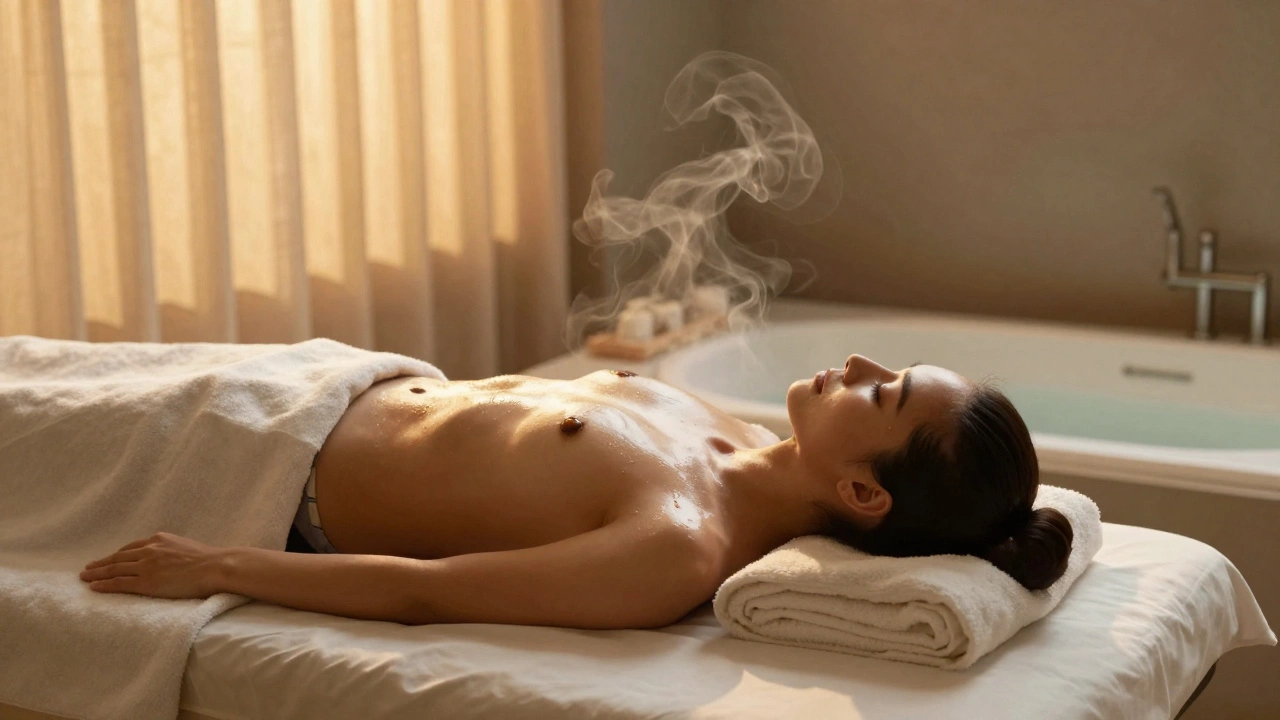
You paid for the massage. You showed up. You lay down. But when you walked out, you felt… okay. Not amazing. Not transformed. Just… fine. Sound familiar?
Most people treat a body massage like a quick fix-something to do when you’re sore or stressed. But here’s the truth: body massage isn’t just about pressure and oil. It’s a reset button for your nervous system, your muscles, and even your mood. And if you want real results, you need to treat it like the powerful tool it is.
What Happens During a Body Massage (And Why It Matters)
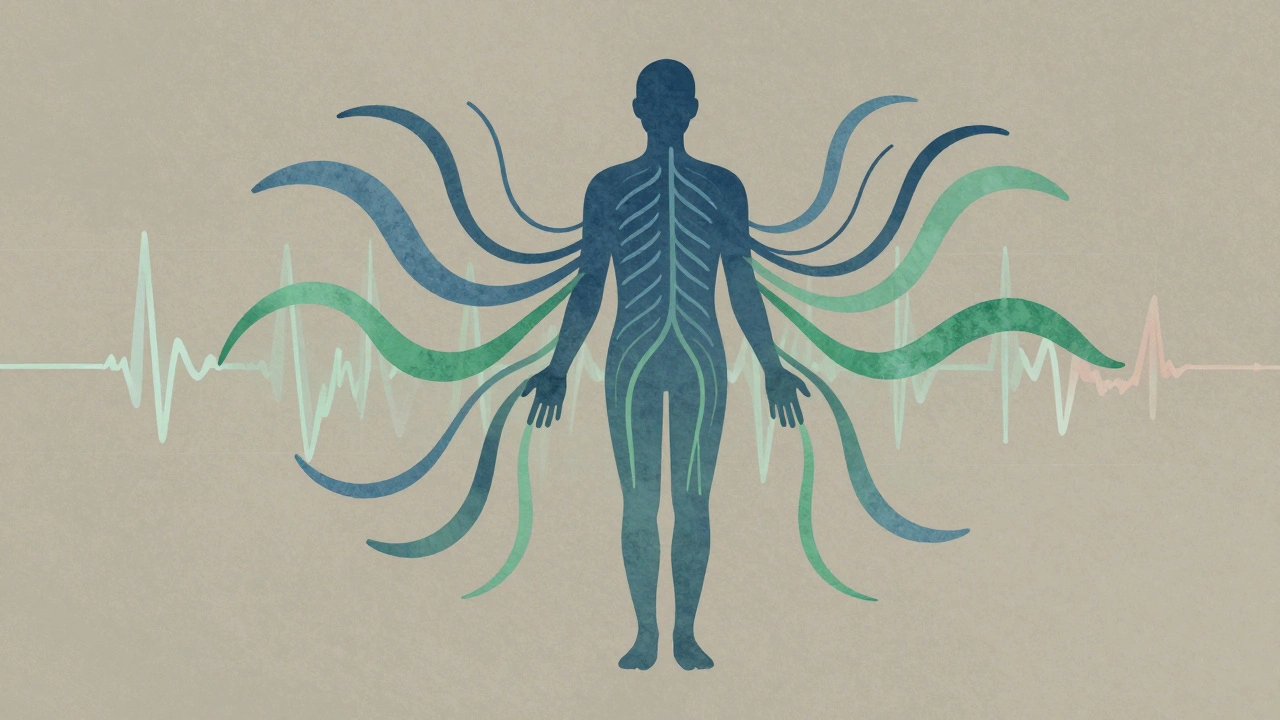
When your therapist’s hands move over your skin, they’re not just rubbing away tension. They’re sending signals to your brain. Your parasympathetic nervous system kicks in-the one that says, “Okay, we’re safe now. You can relax.” Your heart rate drops. Your cortisol (the stress hormone) decreases. Blood flow increases, flushing out metabolic waste like lactic acid that builds up from sitting at a desk or running errands all day.
But here’s what most people miss: the magic doesn’t stop when the session ends. The real benefits unfold in the hours and days after. That’s why how you prepare and recover matters just as much as the massage itself.
Why You’re Not Getting the Full Benefits (And How to Fix It)
Let’s be honest-you’ve probably left a massage feeling worse than when you walked in. Why? Three common mistakes:
- You showed up right after a workout or a big meal. Your body’s still in “fight or flight” mode.
- You jumped into your car and drove home immediately. No time to let your body settle.
- You went straight back to scrolling, working, or stressing. You undid the calm before it even stuck.
These aren’t small oversights. They’re sabotage. Your body needs time to process the release. If you rush back into chaos, you’re essentially asking your muscles to go back to tension mode before they’ve had a chance to heal.
How to Prepare for Maximum Results
Start your massage journey before you even step into the studio.
- Hydrate well the day before. Water helps your muscles respond better to pressure. Dehydrated tissue is stiff, sticky, and harder to work with. Aim for 2-3 extra glasses of water the day before your session.
- Avoid heavy meals 2 hours before. Digestion uses energy your body should be using for relaxation. A light snack-like a banana or a handful of almonds-is fine. But skip the pizza.
- Take a warm shower or soak your feet for 10 minutes. This gently wakes up your circulation and signals your body it’s time to unwind.
- Write down what you want to focus on. “My shoulders are killing me” is better than “Just give me a massage.” Tell your therapist exactly where you feel tight, achy, or stiff. Be specific: “The left trapezius feels like a knot the size of a walnut.”
What to Do During the Session
Once you’re on the table, this is your time. Not a checklist. Not a photo op. Just you and your body.
- Breathe deeply and slowly. Most people hold their breath when pressure builds. That locks tension in. Try inhaling for 4 counts, holding for 2, exhaling for 6. Let your breath be your anchor.
- Speak up if it hurts too much. A good massage should feel like “good pain”-deep, maybe intense, but not sharp or burning. If it feels like a needle jab or makes you flinch, say something. Pressure isn’t progress if it’s causing you to tense up.
- Let go of control. If you’re mentally replaying your to-do list or worrying about your meeting at 3 p.m., you’re not getting the full benefit. Close your eyes. Focus on the warmth of the oil, the rhythm of the strokes, the sound of the music. You’re not just getting a massage-you’re giving your nervous system permission to rest.
What to Do After the Massage
This is where most people fail. The real transformation happens here.
- Wait 30-60 minutes before driving or doing anything strenuous. Your muscles are loose. Your balance might be off. Your brain is still in calm mode. Don’t rush. Sit. Breathe. Drink water.
- Drink at least 500ml of water after your session. Your body is flushing out toxins released during the massage. Water helps move them out faster and prevents that “flu-like” feeling some people get.
- Take a warm (not hot) bath with Epsom salts. Magnesium absorbs through your skin and helps reduce inflammation. It’s like a second massage, but in the tub.
- Go easy on your schedule for the rest of the day. No big meetings. No heavy lifting. No binge-watching Netflix while scrolling through work emails. Do something gentle: read a book, walk slowly in the park, listen to calming music.
- Don’t shower immediately. Wait at least an hour. Your skin is still absorbing the oils and nutrients from the massage. A quick rinse is fine, but skip the long, hot shower.
Types of Body Massage That Work Best for Different Goals
Not all massages are created equal. The type you choose changes the outcome.
| Goal | Best Massage Type | Why It Works |
|---|---|---|
| Relieve chronic tension | Deep Tissue Massage | Targets deeper muscle layers and connective tissue to break up adhesions. |
| Improve circulation and relaxation | Swedish Massage | Long, flowing strokes boost blood flow and calm the nervous system. |
| Recover from intense workouts | Lymphatic Drainage Massage | Reduces swelling and speeds up recovery by moving fluid out of tissues. |
| Release emotional stress | Tantra Massage | Combines breathwork, slow touch, and mindfulness to release stored emotional tension. |
| Improve mobility and flexibility | Thai Massage | Uses stretches and acupressure to realign joints and lengthen muscles. |
If you’re not sure which to pick, start with Swedish. It’s the foundation. Once you feel how your body responds, you can explore deeper or more specialized types.
How Often Should You Get a Body Massage?
There’s no magic number. But here’s what works for most people in Amsterdam:
- For stress relief or general upkeep: Once every 3-4 weeks. Keeps your nervous system balanced.
- For chronic pain or injury recovery: Once a week for 4-6 weeks, then taper off. Think of it like physical therapy with hands.
- For athletes or high-stress jobs: Every 10-14 days. Prevents buildup before it becomes a problem.
Don’t wait until you’re in agony. Prevention beats cure every time.

What to Avoid After a Massage
Some things undo the work faster than you think:
- Alcohol. It dehydrates you and increases inflammation. You just flushed toxins out-don’t flood your system with more.
- Caffeine. It spikes cortisol and brings your nervous system back online too fast. Skip the post-massage espresso.
- Intense exercise. Your muscles are in repair mode. A light walk is fine. A HIIT class? Not today.
- Screen time overload. Your eyes, brain, and nervous system are all in recovery mode. Put the phone down. Let your mind rest.
Real People, Real Results
A teacher in De Pijp started getting monthly massages after her shoulders locked up from grading papers all day. After three sessions, she stopped needing painkillers. She says, “I didn’t realize how much tension I was holding until I let go on the table.”
A software developer in Oud-West used to get migraines every Friday. He started doing lymphatic drainage after work once a week. Within a month, his headaches dropped from 4 times a week to once a month. “It’s like my body finally learned how to breathe again,” he told his therapist.
These aren’t miracles. They’re results from doing the little things right.
Final Thought: It’s Not a Treat. It’s a Tool.
A body massage isn’t a luxury. It’s maintenance-for your muscles, your nerves, your mental health. Like brushing your teeth, but for your whole body.
If you want to feel the full effect, you have to treat it like a ritual. Prepare. Be present. Recover. Repeat.
Next time you book a session, don’t just show up. Show up with intention. Your body will thank you-for weeks.
How long do the benefits of a body massage last?
The immediate relaxation lasts 24-48 hours, but the deeper benefits-like reduced muscle tension, improved circulation, and lower stress hormones-can last up to a week or longer if you follow proper aftercare. Regular sessions every 3-4 weeks help maintain these effects.
Should I shower right after a massage?
Wait at least an hour. Your skin is still absorbing the oils and nutrients from the massage. A quick rinse is fine, but avoid hot showers or scrubbing vigorously, as this can strip away the benefits and irritate your skin.
Why do I feel sore after a massage?
Mild soreness is normal, especially after deep tissue or trigger point work. It’s your muscles releasing built-up tension and toxins. Drink water, take a warm bath, and move gently. The soreness should fade within 2 days. If it’s sharp or lasts longer, talk to your therapist.
Can I get a massage if I’m sick?
No. If you have a fever, cold, flu, or any contagious illness, reschedule. Massage can increase circulation, which may spread viruses faster. Wait until you’re fully recovered. Your body needs rest, not stimulation.
Is it normal to cry during a massage?
Yes. Emotional release is common, especially during deep relaxation or when working on areas where tension is tied to stress or trauma. A good therapist will give you space. There’s no shame in it-your body is letting go of what it’s been holding onto.
How do I know if my massage therapist is good?
A good therapist listens, asks questions, adjusts pressure based on your feedback, and doesn’t push you into discomfort. They don’t rush. They check in. They care about your goals, not just the clock. If you leave feeling worse or unheard, find someone else.

Vincent Jackson
January 27, 2026 AT 17:54Man, I used to think massages were just a fancy way to get rubbed down. But after I started actually following the prep and recovery stuff? Game changer. I used to leave feeling like I needed another nap just to recover from the massage. Now I drink water, sit in silence for 20 minutes, and just chill. No phone. No music. Just breathing. My shoulders haven’t felt this loose in years.
Also, skipping caffeine after? Best decision ever. No more post-massage anxiety crash. I used to think it was just me being ‘high strung’ - turns out it was the espresso.
Jason Hancock
January 29, 2026 AT 00:50Wow, another ‘massage is magic’ article. Let me guess - you also think crystals heal your chakras and cold showers cure depression? This is just pseudoscience dressed up with fancy words.
Massage doesn’t ‘reset your nervous system’ - it relaxes you temporarily, like a warm bath. And don’t get me started on ‘lymphatic drainage’ - that’s just light stroking. Your body doesn’t need some guru telling you to ‘let go of control’ while you’re lying there naked with oil on your butt.
Also, why is everyone in Amsterdam? Is this a sponsored post from some Dutch spa chain? #Overhyped
Jill Norlander
January 31, 2026 AT 00:34While the intent behind this piece is commendable, the tone is excessively casual and riddled with colloquialisms that undermine its credibility. The phrase ‘your body is flushing out toxins’ is scientifically inaccurate - the liver and kidneys handle detoxification, not massage.
Furthermore, the assertion that ‘massage is maintenance, like brushing your teeth’ is a misleading analogy. Dental hygiene prevents decay; massage alleviates symptoms. To conflate the two is to misinform the public.
Additionally, the inclusion of Tantra massage as a tool for ‘emotional release’ without clinical context is inappropriate and potentially exploitative. Professional therapists should avoid vague spiritual claims unless backed by peer-reviewed research.
Lynn Andriani
February 1, 2026 AT 12:44Okay but I cried during my last massage and I felt so weird about it 😅 then I read this and was like… ohhhhh. it’s normal? i thought i was broken or something.
Also, I used to shower right after because i felt oily and gross - now i wait an hour and it’s a whole different vibe. my skin feels softer and i don’t get that weird dizzy feeling anymore. thanks for saying it out loud, i didn’t know i was doing it wrong.
also, i tried the epsom salt bath and it felt like my muscles gave me a hug. no joke. i’m gonna keep doing this. 🙏
Priyam Mittal
February 2, 2026 AT 23:35Bro this is gold 🙌 I’m a dev in Bangalore and was getting headaches every day from coding. Started doing lymphatic massage once a week - no more migraines. Also, I started drinking water after and now I’m not crashing at 4 PM like a zombie 😅
PS: I used to skip the prep stuff cause I was lazy - now I take a warm shower before and write down what hurts. My therapist says I’m her best client now lol 😄
Also, don’t drink alcohol after - I learned that the hard way. Felt like I got hit by a truck the next day. Don’t be like me. 🙏