Full Body Massage: Discover the Magic of Mindful Touch
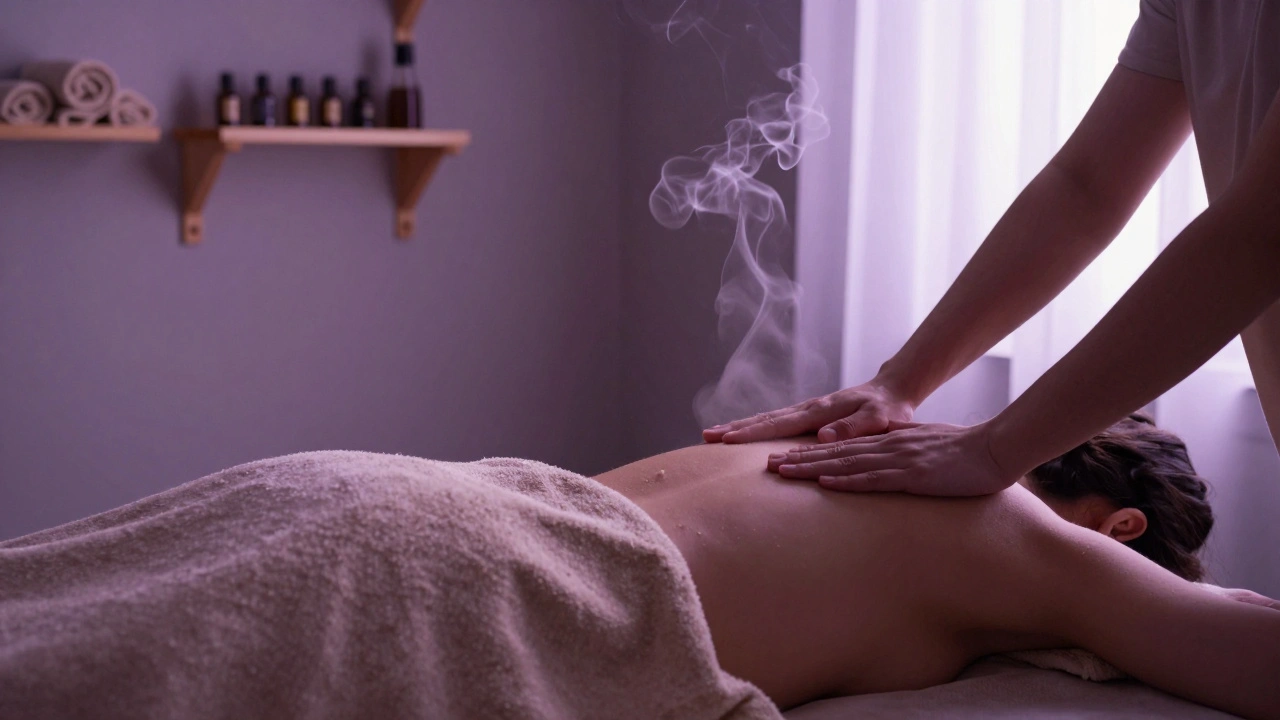
You’ve had one of those days. The kind where your shoulders stay clenched even when you’re lying down, your lower back screams after sitting too long, and your mind won’t shut off no matter how many deep breaths you take. What if you could press pause on all of it-just for an hour-and let someone else carry the weight? That’s the quiet power of a full body massage.
What Exactly Is a Full Body Massage?
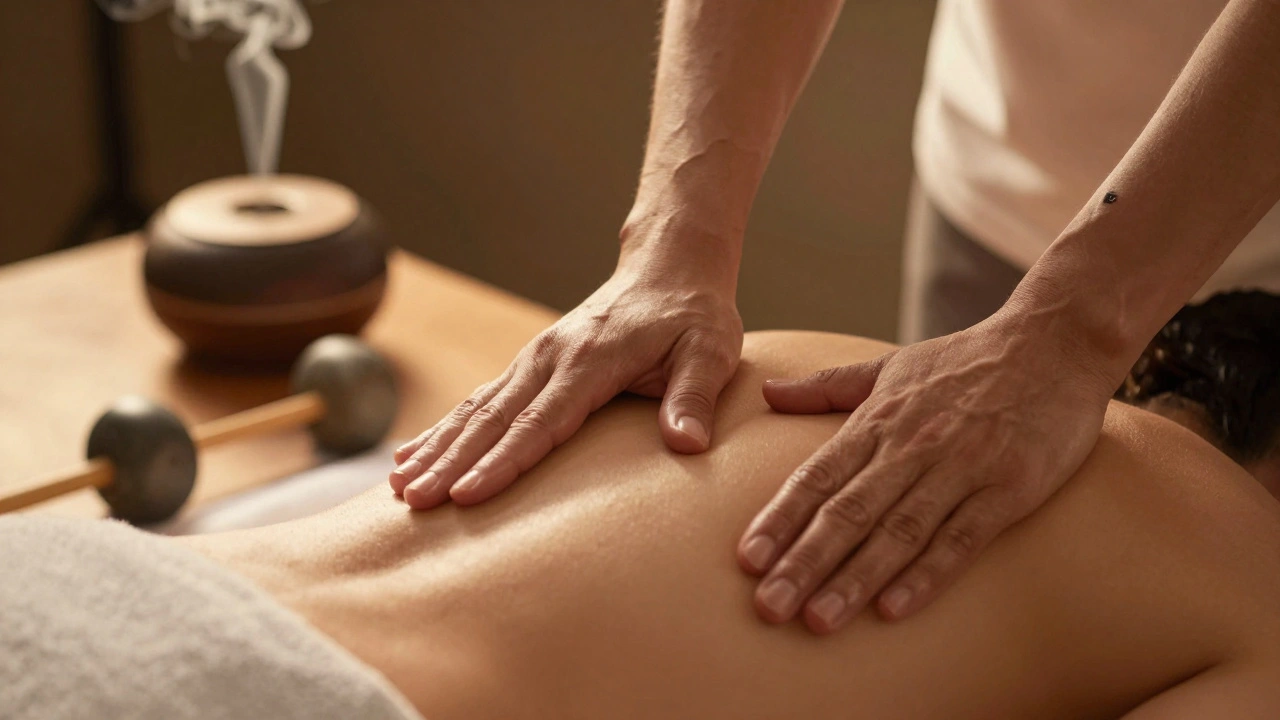
A full body massage isn’t just a fancy term for getting rubbed down. It’s a deliberate, systematic treatment that works on every major muscle group: your back, neck, shoulders, arms, hands, legs, feet, and sometimes even your scalp and face. It’s not about hitting every knot with brute force. It’s about rhythm, pressure, and presence. The therapist follows a flow-starting with lighter strokes to warm up the tissue, then moving into deeper work where needed, and ending with slow, soothing movements that tell your nervous system: you’re safe now. This isn’t a quick fix. It’s a reset button for your body. Think of it like rebooting your phone when it’s lagging. Your muscles are tired, your stress hormones are high, and your breathing is shallow. A good full body massage gently shifts all of that.Why It Works: The Science Behind the Touch
You don’t need a medical degree to feel the difference, but science backs it up. A 2023 study in the Journal of Clinical Medicine found that people who received weekly full body massages for six weeks showed a 31% drop in cortisol-the main stress hormone. Their heart rates slowed. Their blood pressure dipped. And their sleep quality improved noticeably. Here’s how it happens:- Your skin’s touch receptors send signals to your brain that say, “We’re not in danger.” That shuts down your fight-or-flight mode.
- Increased blood flow brings oxygen and nutrients to tight muscles, helping them recover faster.
- Endorphins-your body’s natural painkillers-get released, lifting your mood without a single pill.
- Lymphatic drainage improves, which means less swelling and fewer toxins lingering in your tissues.
What You’ll Feel During a Session
Picture this: You walk into a quiet room. Soft lighting. The scent of lavender or sandalwood in the air. Warm towels on the table. The therapist asks you what areas feel tightest. You say, “My shoulders and lower back.” They nod. No judgment. No pressure. You lie down under a blanket. The first strokes are light-just enough to help you relax. Then, slowly, the pressure deepens. A thumb glides along your spine. Fingers work the base of your skull. Your feet, often forgotten, get attention too. You start to notice your breath getting slower. Your jaw unclenches. You didn’t even realize you were holding it. There’s no need to talk. No need to perform. Just breathe. If the pressure feels too much, say so. If you’re cold, ask for another blanket. This is your space. The therapist isn’t rushing. They’re listening-to your body, your silence, your sighs. By the end, you feel heavy. In a good way. Like you’ve been gently lowered into a warm pool. You sit up slowly. Your body feels longer. Lighter. Calmer. You might even forget why you were stressed in the first place.Types of Full Body Massage in Amsterdam
Amsterdam has no shortage of places offering full body massage-but not all are the same. Here’s what you’ll find:- Swedish Massage: The classic. Long, flowing strokes. Ideal if you’re new to massage or just want to unwind. Great for stress relief.
- Deep Tissue Massage: Focused on chronic tension. Uses slower, firmer pressure to reach deeper layers of muscle. Best if you’re an athlete, desk worker, or carry tension in your neck and hips.
- Hot Stone Massage: Smooth, heated stones are placed along your spine and used to glide over your skin. The warmth melts tightness in a way hands alone can’t.
- Tantra Massage: More than physical. It blends breathwork, energy awareness, and slow, intentional touch. Often used for emotional release and reconnecting with your body.
- Thai Massage: Done on a mat, fully clothed. Involves stretches and acupressure. Feels like yoga with a partner.
How to Find the Right Place in Amsterdam
You don’t need to wander through five neighborhoods to find a good massage. Here’s how to cut through the noise:- Look for places that list their therapists’ training. A certified therapist (from schools like the Netherlands School of Massage or IBMT) knows anatomy, contraindications, and how to adapt pressure.
- Read reviews that mention specific details: “The therapist noticed my tight hamstrings and worked on them without me asking,” or “They checked in every 10 minutes to ask if the pressure was okay.” That’s good.
- Avoid places that push add-ons hard. A good therapist won’t pressure you into a 90-minute package if you only asked for 60.
- Try neighborhoods like De Pijp, Jordaan, or Oud-West. Many quiet, independent studios operate here-no flashy signs, just word-of-mouth.
Pricing and What You’re Paying For
In Amsterdam, prices range from €50 to €120 for a 60-minute full body massage. Why the difference?- €50-€70: Studio settings, newer therapists, or students under supervision. Great for beginners.
- €75-€95: Experienced therapists with 5+ years of practice. Most common for regular clients.
- €100+: Luxury spas, therapists with specializations (like prenatal or sports recovery), or those using premium oils and heated tables.
- Expert hands trained to read tension patterns
- A clean, calm environment designed for safety and comfort
- Time-the therapist isn’t rushing to the next client
- Confidentiality. What happens in the room stays there.
Safety First: What to Watch Out For
Massage is safe for most people-but not everyone. Here’s what to avoid:- Don’t get a massage if you have an active infection, fever, or open wounds.
- If you’re pregnant, make sure the therapist is trained in prenatal massage. Some pressure points can trigger contractions.
- People with blood clots, severe osteoporosis, or recent surgeries should consult their doctor first.
- Never let someone pressure you into a massage that feels painful. Discomfort is normal. Sharp pain is not.
Full Body Massage vs. Deep Tissue Massage: Which Is Right for You?
| Aspect | Full Body Massage | Deep Tissue Massage |
|---|---|---|
| Primary Goal | Relaxation, stress relief, overall balance | Release chronic muscle tension, treat pain |
| Pressure | Light to moderate | Firm to deep |
| Focus Area | Entire body | Specific problem areas (back, neck, shoulders) |
| Best For | Stress, poor sleep, general tension | Desk workers, athletes, chronic pain |
| After Effects | Calmer, lighter, sleepy | Sore for 1-2 days, then deeply relieved |
| Duration Recommended | 60-90 minutes | 60-75 minutes |
Frequently Asked Questions
How often should I get a full body massage?
For most people, once a month is ideal for maintaining balance. If you’re under high stress, recovering from injury, or have a physically demanding job, once every two weeks works better. Think of it like brushing your teeth-regular maintenance prevents bigger problems down the line.
Do I need to be naked during a full body massage?
No. You’ll be covered with a sheet or towel the whole time. Only the area being worked on is uncovered, and only briefly. Most people keep their underwear on. The therapist leaves the room while you get undressed. Privacy is standard, not optional.
Can I get a full body massage if I’m not flexible or in shape?
Absolutely. Massage isn’t about how you look or move. It’s about how you feel. Whether you’re 20 or 80, whether you sit at a desk or lift weights, your body deserves to be cared for. Therapists work with all body types and mobility levels.
Is it normal to feel emotional during a massage?
Yes. Tension isn’t just stored in muscles-it’s tied to emotions. It’s common to feel tears, laughter, or sudden calm during or after a session. That’s your body releasing what it’s been holding. A good therapist won’t judge. They’ll hand you a tissue and give you space.
What should I do after a massage?
Drink water. It helps flush out toxins released during the massage. Avoid caffeine or alcohol right after. Take it easy for the rest of the day. Go for a quiet walk. Don’t schedule anything intense. Let your body settle. The effects deepen over the next 24 hours.
Shelley Ploos
January 10, 2026 AT 10:25There’s something sacred about letting someone else hold your tension for an hour. I used to think massage was just a luxury, but after my mom’s cancer treatment, it became the only time I felt like my body wasn’t a battlefield. The therapist didn’t fix me-she just let me be broken without judgment. That’s the real magic.
It’s not about the oils or the price. It’s about being seen, even when you’re silent.
Haseena Budhan
January 10, 2026 AT 15:13ok but like… are u sure this isnt just a scam? like i got one once and the girl kept asking if i wanted ‘energy balancing’ and then tried to sell me crystals. also why is everyone acting like this is new age therapy? my grandpa got massages in the 70s and he just called it ‘rubbin’.
Bing Lu
January 11, 2026 AT 19:11They’re lying. Every single word. Massage doesn’t reduce cortisol-Big Pharma just doesn’t want you to know you can heal yourself without pills. The ‘science’ they cite? Funded by spa chains. The ‘therapists’? Trained by cults disguised as schools. And don’t get me started on ‘tantra’-that’s just a front for sexual exploitation. I’ve seen the footage. You think this is about relaxation? It’s about control.
STOP BUYING INTO THE LIE. Your body is your temple. Don’t let strangers touch it. Ever.
:/
gaia quinn
January 13, 2026 AT 17:57Oh wow. Another glowing ode to ‘mindful touch’ like we’re all just one Swedish massage away from enlightenment. Let me guess-you also drink bone broth, meditate for 20 minutes while listening to Tibetan bowls, and believe that ‘vibes’ are scientifically measurable?
Meanwhile, people in developing countries who work 14-hour shifts hauling concrete don’t get ‘full body massages’ because they’re too busy surviving. This isn’t wellness-it’s performative privilege wrapped in lavender-scented capitalism. You’re not ‘resetting’ your nervous system-you’re just paying $90 to feel better about your first-world problems.
And yes, I know I’m being harsh. But someone has to say it. The world doesn’t need more people buying into spa propaganda. It needs systemic change. Not more scented candles.
BETHI REDDY
January 13, 2026 AT 18:15While the article exhibits a certain sentimental anthropomorphization of bodily sensation, one must question the epistemological foundations of its claims. The invocation of ‘science’ in reference to cortisol reduction is, frankly, reductive. Cortisol is a biomarker-not a metaphysical entity-and its fluctuation does not equate to spiritual recalibration. Furthermore, the romanticization of touch as a panacea borders on the pathological, especially when juxtaposed against the rigorous anatomical disciplines of Western medicine.
One cannot, in good conscience, equate the therapeutic efficacy of a Swedish stroke with the clinical precision of physiotherapy. The aestheticization of massage as ‘quiet power’ is, in my view, a symptom of cultural decadence.
And yet-I must admit, I have occasionally found solace in the silence of the treatment room. But that is not science. That is solitude.
Michaela Bublitz
January 15, 2026 AT 05:38I just wanted to say thank you for writing this. I’ve been working in retail for 10 years and my shoulders are permanently in my ears. I tried massage once and thought it was too expensive… then I got a gift card from my sister and it changed my life. I didn’t cry, but I did cry. And now I go every 6 weeks. No judgment, no pressure, just warm towels and quiet.
If you’re on the fence-just book it. Your body will thank you. And if you’re worried about being ‘not flexible enough’ or ‘not worthy’-you are. You’re worthy of care. Even on the days you feel like a mess.
mariepierre beaulieu
January 16, 2026 AT 05:28Love this so much 💛 I’ve been doing Thai massage on my partner for years and it’s like… we’re not even talking, just breathing together. It’s the only time we’re both truly present. No phones, no screens, just hands and quiet.
Also-YES to the water after. I used to grab a beer and feel worse. Now I drink water and nap. Best 90 minutes of my week.