How Deep Tissue Massage Improves Mental Clarity and Reduces Stress

Ever feel like your head is full of cotton after a long week? You aren’t imagining it. Physical tension often masquerades as brain fog. While we usually think of massages as just relaxing our bodies, the link between tight muscles and mental sharpness is stronger than most realize. In today's fast-paced world, especially here in cities like Amsterdam, finding a moment of true stillness is rare. This guide breaks down exactly how Deep Tissue Massage improves mental clarity, helping you see clearly through the haze of daily stress.
Key Takeaways
- Deep pressure on muscles lowers cortisol levels directly affecting focus.
- Releasing chronic tension unblocks signals between body and brain.
- Regular sessions in Amsterdam provide consistent mental maintenance.
- This technique differs significantly from lighter Swedish massages.
- Mental improvements often appear immediately after the first session.
The Direct Link Between Body and Mind
You might wonder why kneading your shoulders changes how you think. Your body acts as a container for your emotions and thoughts. When you hold onto stress, your muscles tighten up unconsciously. Think of your neck holding up your heavy head; when those fibers lock up, they send pain signals to the brain continuously. That constant low-level noise distracts your attention.
Deep Tissue Massage targets the deeper layers of your muscle and connective tissues. Unlike surface strokes, it works on the fascia-the web holding everything together. By releasing these restrictions, you stop the pain signals from distracting you. It’s like turning off background static so you can hear the music again.
Science Behind the Calm
There is solid biological evidence backing this feeling. During a session, your body shifts gears. Normally, stress keeps your sympathetic nervous system active-fight or flight mode. A skilled therapist manipulates your tissue to trigger the parasympathetic response instead. This is your rest and digest state.
Research indicates that physical manipulation reduces cortisol, the primary stress hormone. High cortisol clouds judgment and memory. Lowering it allows your prefrontal cortex to function better. This isn’t just a placebo effect; blood flow increases to areas that have been starved of oxygen. Better oxygenation means better fuel for your neurons.
Top Benefits for Clear Thinking
Beyond just feeling less tense, there are specific cognitive advantages. Let’s look at what happens:
- Improved Sleep Quality: Many people struggle to wind down physically. When muscles relax completely, sleep deepens. Restorative sleep is essential for clearing metabolic waste from the brain overnight.
- Enhanced Emotional Regulation: Chronic pain irritates mood. Removing that irritation allows for better emotional balance during stressful meetings or family moments.
- Increased Focus: Physical discomfort drains cognitive load. Once the ache is gone, you regain working capacity.
- Anxiety Reduction: Physical grounding brings your attention back to the present, stopping spiraling thoughts about the future.

Finding Services in Amsterdam
Living in Amsterdam means you have access to excellent wellness centers, but navigating them can be tricky. Neighborhoods like De Pijp, Jordaan, and Noord often house specialized clinics. Look for places that explicitly mention therapeutic or deep work, not just relaxation spas.
A qualified therapist understands anatomy. They shouldn’t push through pain barriers without communication. Ask about their training background. Here, many practitioners combine Dutch clinical training with holistic approaches. Prices vary based on location and experience. Expect to pay between 80 and 120 euros for a standard hour-long session. Cheaper options might compromise on time or expertise.
What to Expect During a Session
First-timers often worry about pain. Yes, it can hurt slightly, but it should never be unbearable. You communicate with the therapist throughout the process. Tell them if the pressure is too much. Good practitioners adjust instantly.
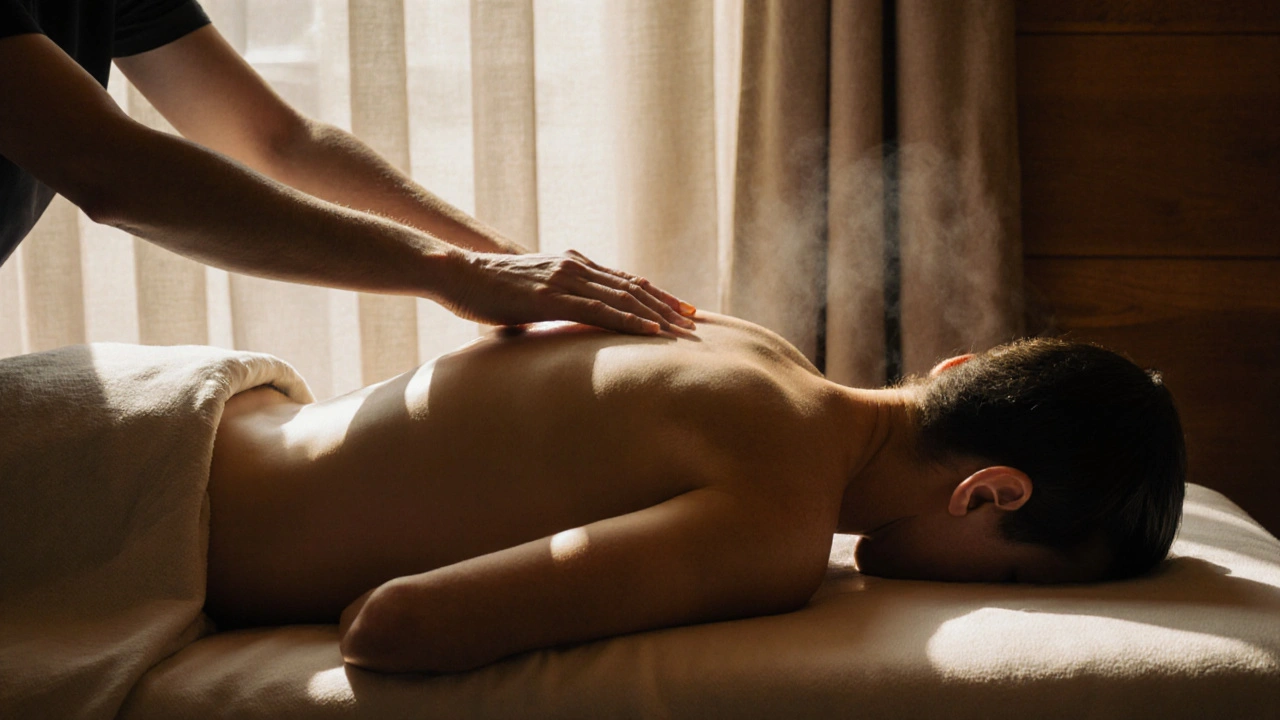
Therapist applies slow, firm pressure using fingers, knuckles, and elbows. They target chronic tension patterns rather than just general muscles. Sessions usually start with a consultation to discuss problem areas. Hydration is crucial afterward to flush out released toxins.
Pricing and Booking Strategies
Booking in advance is wise, especially around holidays. Many popular studios fill weeks ahead. Check websites directly for availability to avoid third-party fees. Some insurance plans in the Netherlands cover medical indications for massage therapy. Even if yours doesn't, tax deductions for health expenses exist sometimes.
Consider package deals. Monthly subscriptions often offer discounts. Consistency matters more than intensity. Having one monthly session maintains the benefits better than four sessions in a month followed by silence for six months.
Safety Tips Before You Book
Not everyone should get this treatment immediately. If you have osteoporosis, recent injuries, or blood clotting disorders, consult your doctor first. Pregnancy requires special positioning and lighter touch. Always inform your practitioner of any medical history.
Don't drink alcohol before the appointment. It dehydrates you and makes muscles harder to treat. Arrive relaxed and ready to breathe deeply. The environment plays a role too-dim lighting and quiet rooms help the nervous system switch modes faster.

Comparison Table: Deep Tissue vs. Swedish Massage
| Feature | Deep Tissue | Swedish |
|---|---|---|
| Pressure Level | Firm to Firm-High | Light to Medium |
| Primary Goal | Muscle Release & Mental Clarity | Relaxation & Circulation |
| Technique | Friction & Stripping | Long Gliding Strokes |
| Pain Factor | Moderate Discomfort Possible | Comfortable |
| Ideal For | Chronic Tension & Pain | General Relaxation |
Maximizing Long-Term Clarity
To truly shift your mindset permanently, combine massage with other habits. Drink water consistently during the day. Practice stretching at home to maintain mobility gained during sessions. Mindfulness meditation pairs perfectly with the physical reset. You are essentially retraining your nervous system to stay calm.
Keep track of your mental state after each visit. Notice patterns. Does your anxiety dip a few days later? Write it down. Over time, you build a personal map of how your body holds stress.
Frequently Asked Questions
Does deep tissue massage really help with brain fog?
Yes. By reducing cortisol and improving blood flow to the brain, regular sessions can clear cognitive fog associated with chronic stress and muscle tension.
How often should I get a deep tissue massage?
For significant mental benefits, once every two to three weeks is ideal. Monthly sessions help maintain progress without breaking the bank.
Is it normal to feel sore after?
Some soreness is common for 24 to 48 hours as muscles realign. Drink plenty of water and take a warm bath to speed recovery.
Can I book this if I have anxiety issues?
Absolutely. Massage is clinically used to treat anxiety symptoms. Inform the therapist so they can tailor the pace and breathing cues to your comfort level.
Are there risks involved with deep pressure?
Generally safe, but avoid if you have severe osteoporosis or active inflammation. Always disclose medical history before the session begins.
What is the average cost in Amsterdam?
Prices typically range from 80 euros to 120 euros per hour depending on the clinic's reputation and therapist experience.
Your Next Step Toward Clarity
Taking action is the hardest part. Pick a reputable center near you in Amsterdam today. Schedule an appointment for next week. Give yourself permission to prioritize your mental state alongside your physical health. You deserve to think clearly and live lightly.


Jamie Farquharson
March 29, 2026 AT 01:29i just went thru a session last week and honestly the relief was immediate so i agree with all this info.