Full Body Massage: Your Simple Path to Deep Relaxation and Real Wellness
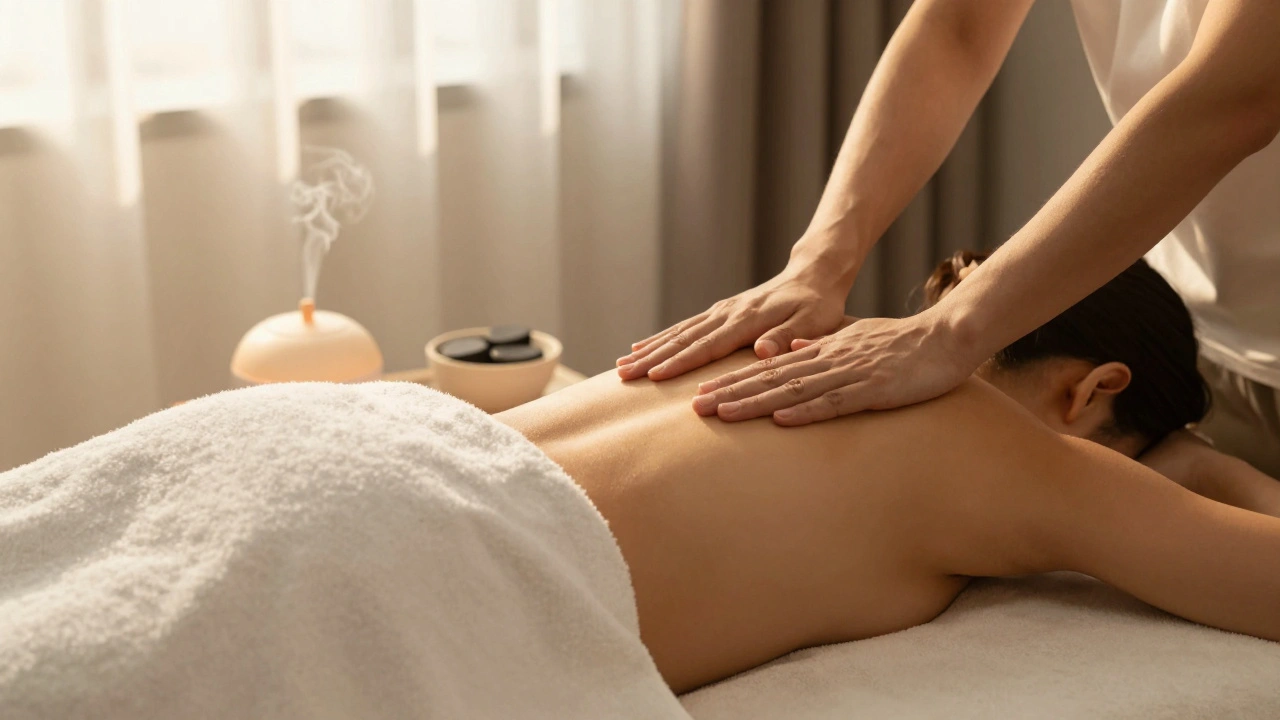
You’ve had one of those days. The kind where your shoulders feel like they’re holding up the weight of the world, your neck is tight enough to snap, and your mind won’t shut off even when you’re lying in bed. What if you could hit pause on all of it-for just one hour-and let your body reset? That’s what a full body massage does. It’s not just a luxury. It’s a reset button for your nervous system, your muscles, and your mood.
What Exactly Is a Full Body Massage?
A full body massage isn’t just a fancy term for getting rubbed down. It’s a structured session that targets nearly every major muscle group: your back, shoulders, arms, legs, feet, hands, neck, and sometimes even your scalp. Unlike a focused massage-say, just your lower back or feet-a full body session gives your entire system a chance to unwind. It typically lasts between 60 and 90 minutes and uses a blend of techniques like long gliding strokes, kneading, and gentle pressure to release tension.
Think of it like rebooting your phone. You’re not just fixing one app that’s frozen-you’re clearing the cache, closing background processes, and letting the whole system run smoother. Your body does the same thing after a good full body massage. Muscles relax. Blood flows better. Stress hormones drop. And your brain? It finally stops screaming.
Why Your Body Craves This
Let’s be real: most of us live in a state of low-grade stress. We sit too long. We scroll too much. We carry tension in places we don’t even notice until it hurts. A full body massage doesn’t just feel good-it physically changes your body’s chemistry.
- It lowers cortisol, the main stress hormone, by up to 30% after just one session (a 2016 study from the University of Miami found this).
- It boosts serotonin and dopamine-your brain’s natural mood lifters-helping reduce anxiety and improve sleep.
- It improves circulation, which means more oxygen and nutrients reach your muscles and organs.
- It reduces muscle stiffness and joint pain, especially if you’re active or sit at a desk all day.
One client, a 42-year-old teacher, told me she started getting monthly full body massages after chronic headaches ruined her weekends. Within three sessions, her headaches dropped from five times a week to once a month. She didn’t change her diet. She didn’t start yoga. She just gave her body the space to relax-and it responded.
Types of Full Body Massage You’ll Find
Not all full body massages are the same. The technique used changes the experience-and the results. Here are the most common types:
- Swedish Massage: The classic. Long, flowing strokes, light to medium pressure. Perfect if you’re new to massage or just want to unwind.
- Deep Tissue Massage: Targets deeper layers of muscle and connective tissue. Ideal if you have chronic knots or pain from old injuries.
- Hot Stone Massage: Smooth, heated stones are placed on key points and used to glide over your skin. The heat melts tension like butter.
- Thai Massage: Done on a mat, fully clothed. Involves stretching and rhythmic pressure. Feels like yoga with hands.
- Aromatherapy Massage: Combines massage with essential oils like lavender or eucalyptus. Great for calming the mind.
You don’t need to pick the "best" one. Pick the one that matches how you feel that day. Tense and achy? Go for deep tissue. Overwhelmed and wired? Try Swedish or aromatherapy.
What Happens During a Session
Here’s what you can expect step by step:
- You’ll check in, fill out a quick form about any injuries or health concerns.
- You’ll be guided to a quiet, warm room with soft lighting and calming music.
- You’ll undress to your comfort level-most people keep their underwear on. You’ll be covered with a towel the whole time, only the area being worked on is exposed.
- The therapist will start with your back, then move to legs, arms, neck, and feet. They’ll check in occasionally to adjust pressure.
- At the end, you’ll be left alone for a few minutes to rest. Then you’ll get water and maybe a warm towel.
It’s not magic. But it feels like it. Many people say they drift off during the session. Others cry. That’s normal. Your body holds stress in places you’ve learned to ignore. When it finally gets touched with care, it lets go.

How Much Does It Cost?
Prices vary by location, therapist experience, and session length. In most cities:
- 60-minute session: $70-$120
- 90-minute session: $100-$180
- 120-minute session: $150-$250
Spas in tourist areas or luxury hotels will charge more. Independent therapists in quiet neighborhoods often offer better rates. Some places even have package deals-buy five sessions, get one free. That brings the cost per session down to around $60-$80. It’s not cheap, but think of it like a monthly gym membership for your nervous system.
How to Find a Good Massage Therapist
Not every massage therapist is trained the same. Look for these signs:
- They’re licensed or certified (check state or regional boards).
- They ask about your health, injuries, or goals before starting.
- They don’t rush you. A good session starts with conversation.
- They don’t pressure you into add-ons or upsells.
Read reviews on Google or Yelp-but pay attention to the details. "Great hands" or "felt so relaxed" are good. "The room smelled weird" or "they talked too much"? That’s useful too.
Try asking friends or coworkers. If someone says, "I go to Maria every month," that’s a real recommendation.
Full Body Massage vs. Deep Tissue Massage
People often confuse these two. Here’s how they differ:
| Feature | Full Body Massage | Deep Tissue Massage |
|---|---|---|
| Focus | Entire body, relaxation-focused | Specific problem areas, pain relief |
| Pressure | Light to medium | Strong, targeted |
| Best for | Stress relief, general tension, first-timers | Chronic pain, sports injuries, tight muscles |
| Duration | 60-120 minutes | 60-90 minutes |
| After-effects | Relaxed, calm, sleepy | Sore for 1-2 days, then better |
If you’re not sure, start with a full body massage. You can always upgrade later.
When to Skip It
Most people can safely get a full body massage. But avoid it if you:
- Have a fever or active infection
- Are in the first trimester of pregnancy (unless cleared by your doctor and working with a prenatal specialist)
- Have open wounds, burns, or severe skin conditions
- Recently had surgery or a blood clot
Always tell your therapist about any health conditions-even if you think it’s not related. They’ve seen it all.
Frequently Asked Questions
How often should I get a full body massage?
For general wellness, once a month is ideal. If you’re under a lot of stress, have a physically demanding job, or deal with chronic pain, once every two weeks helps. Think of it like brushing your teeth-you don’t wait until your gums bleed to do it.
Do I have to take my clothes off?
No. You undress to your comfort level. Most people keep their underwear on. The therapist uses sheets and towels to cover you at all times. If you’re uncomfortable, say so. A good therapist will adjust.
Can I get a full body massage if I’m pregnant?
Yes-but only after the first trimester and only with a therapist trained in prenatal massage. They’ll use special positioning and avoid certain pressure points. Many pregnant clients say it’s the only thing that helps with back pain and swelling.
Will I be sore afterward?
Usually not with a full body massage. If you choose deep tissue, you might feel tender for a day or two. Drink water, take a warm bath, and move gently. It’s a sign your muscles are releasing, not being damaged.
Is a full body massage worth the money?
If you’re tired of feeling tense, anxious, or run-down, yes. It’s not a cure-all, but it’s one of the few things that directly calms your nervous system, reduces pain, and improves sleep-all without pills or side effects. Think of it as preventative healthcare for your body and mind.
Ready to Feel Like Yourself Again?
You don’t need to wait until you’re in pain to book a session. You don’t need to justify it as "self-care" or "treat yourself." You just need to remember that your body deserves to be cared for-not just when it breaks, but before it does.
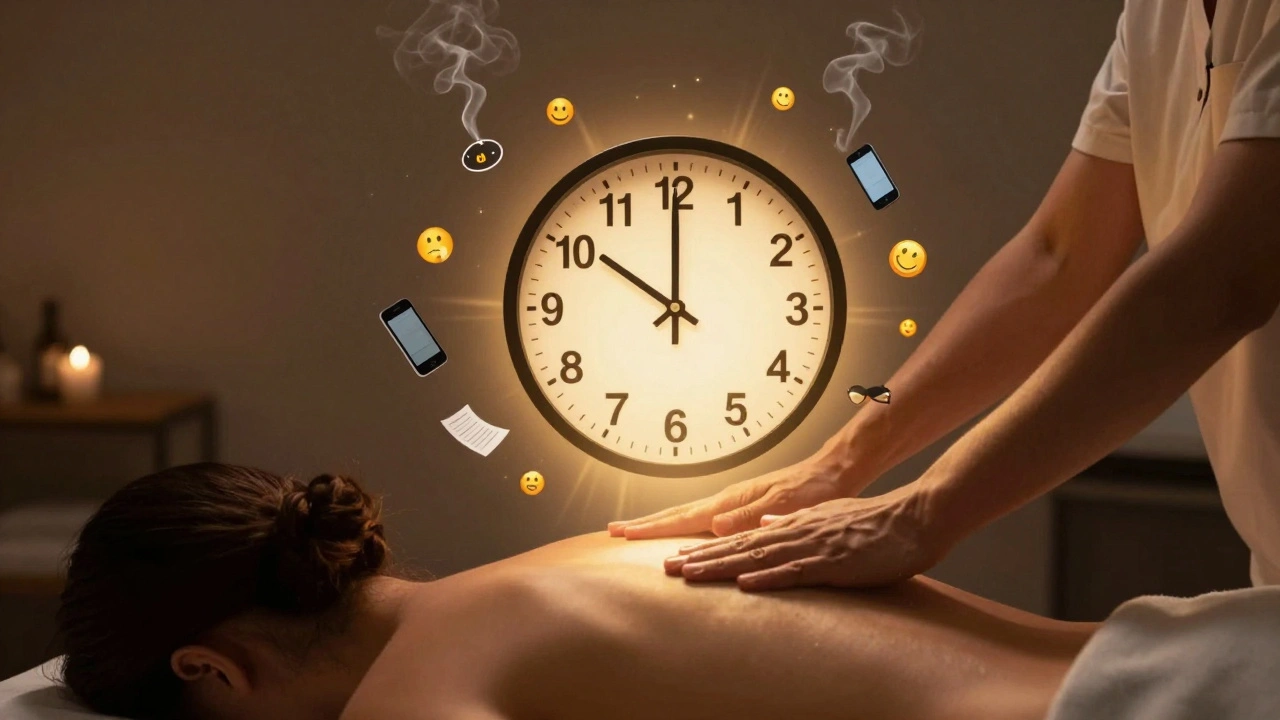
Book your first full body massage this week. Pick a time when you don’t have to rush afterward. Turn off your phone. Let the warmth of the oil, the rhythm of the hands, and the quiet of the room do the work. You won’t just leave relaxed. You’ll leave lighter.

David McAlister
December 19, 2025 AT 21:20Just got my first full body massage last week and holy heck, I cried in the middle of it 😅
Didn't even know I was holding that much stress in my traps. Now I'm hooked. Told my whole office about it. My boss even asked if I'm on vacation. I said no, just reset my nervous system. He nodded like he gets it. We all need this.
Taylor Bayouth
December 21, 2025 AT 03:15The comparison to rebooting a phone is surprisingly accurate. I've been sitting at my desk for 12 years with poor posture, and my shoulders have become permanent fixtures of tension. After my third session, I noticed I was breathing deeper without thinking about it. No magic, just consistent care. Also, the therapist asked if I wanted more pressure on my left scapula-I hadn't even mentioned it. That’s professionalism.
Inaki Kelly
December 22, 2025 AT 03:23Swedish + lavender oil = my new Sunday ritual. 🌿
Worth every penny. I used to think massages were for people who could afford luxuries. Turns out, they’re for anyone who’s still breathing. My therapist lets me nap through half of it. I wake up feeling like I slept for eight hours… even if I only dozed for 20 minutes.
Amy Black
December 23, 2025 AT 02:02Don't skip the post-massage water. Seriously. One time I didn't hydrate and felt foggy for hours. Turns out, massage releases toxins into your bloodstream-water helps flush them. Also, avoid caffeine right after. It defeats the purpose. And if you're pregnant, find a prenatal-certified therapist. Not all are trained for it, even if they say they are.
Jeremy Hunt
December 24, 2025 AT 13:46My mom used to say, 'If your body could talk, it'd be screaming.' She got monthly massages until she was 82. Last year she told me, 'I don't feel pain anymore-I feel like I'm floating.' I didn't believe her until I tried it. Now I go every three weeks. It’s not self-care. It’s survival. And yeah, I still tell people it’s just a 'rubdown.' Saves me from explaining the whole thing.