Full Body Massage: Your Gateway to a Healthier Lifestyle
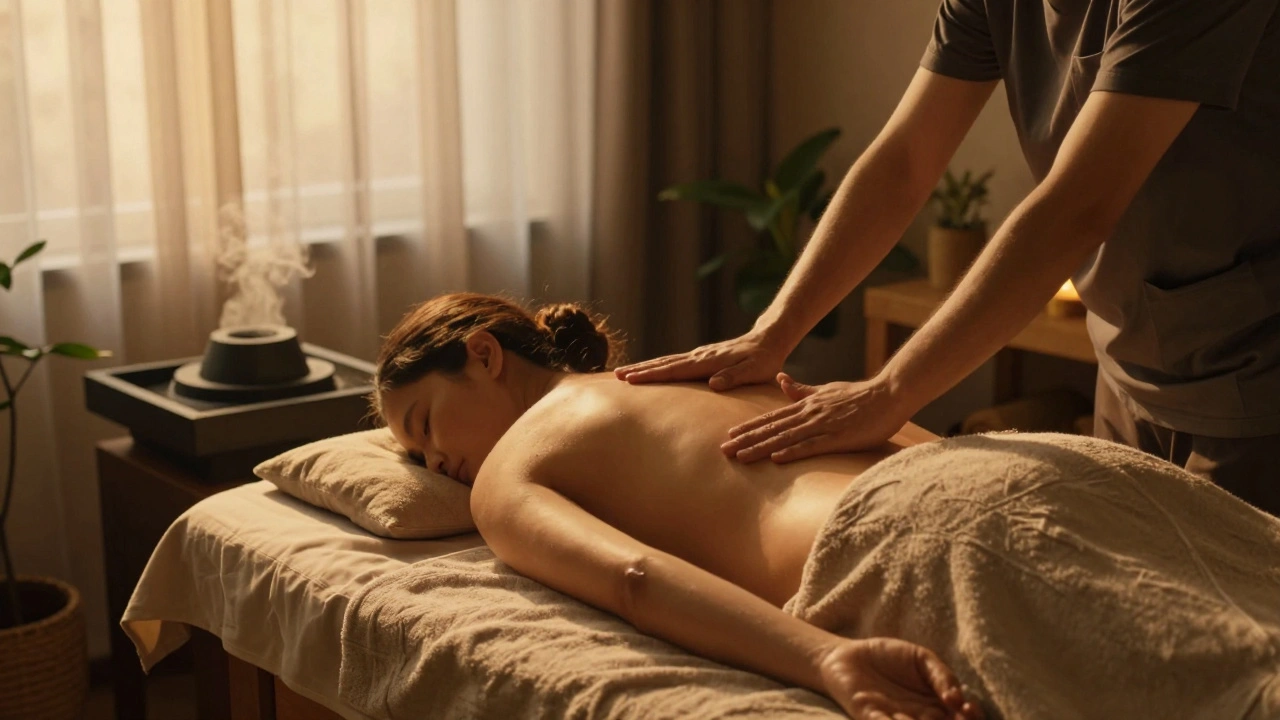
You’ve had one of those days. The kind where your shoulders feel like they’re holding up the weight of the world, your neck is stiff from staring at a screen, and your legs just… ache. You don’t need a miracle. You just need full body massage.
It’s not just about feeling good for an hour. It’s about resetting your whole system. A full body massage isn’t a luxury-it’s a repair tool. And if you’re in Amsterdam, you’ve got more options than you think.
What Exactly Is a Full Body Massage?
A full body massage isn’t just a longer version of a back rub. It’s a systematic, intentional treatment that covers your head, neck, shoulders, arms, hands, back, glutes, legs, and feet. No body part is skipped. No tension ignored. The goal? To release physical tension, improve circulation, and calm your nervous system.
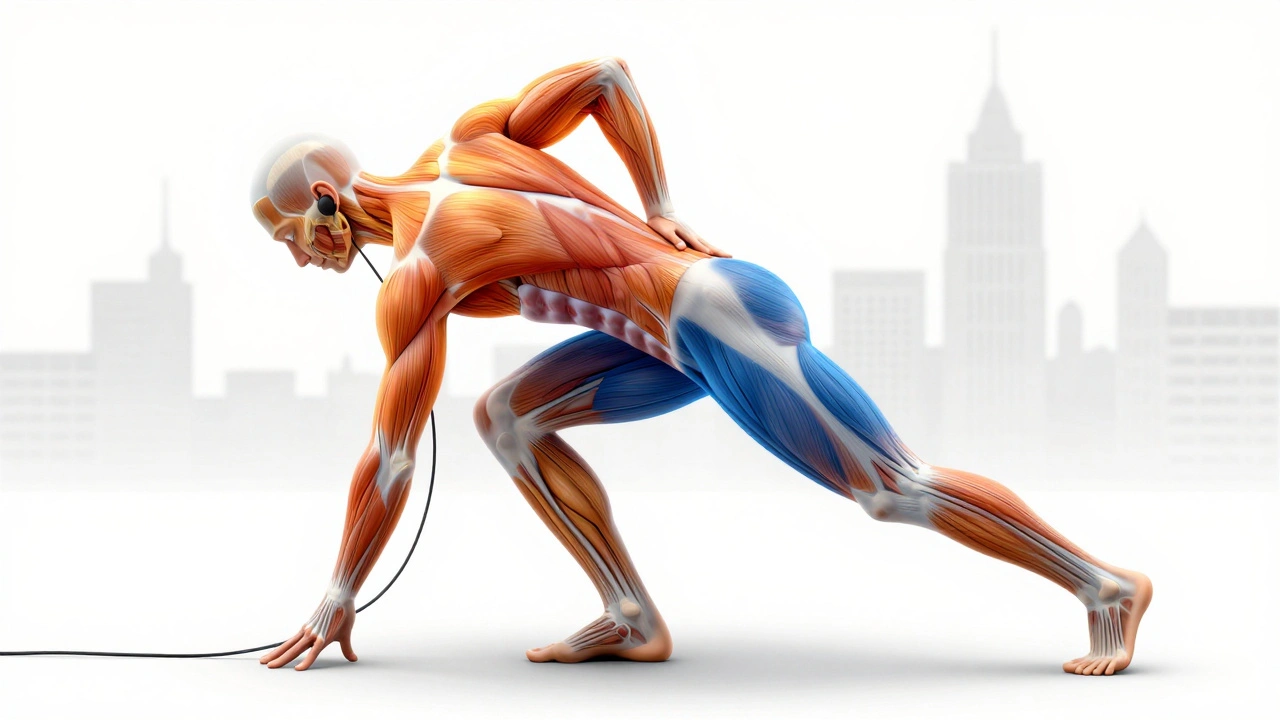
Think of your body like a tangled headphone cord. You don’t just pull on one end-you untangle it piece by piece. A skilled therapist does the same with your muscles, fascia, and connective tissue. They use long, flowing strokes (Swedish), targeted pressure (deep tissue), or warm stones (hot stone) depending on what your body needs.
It’s not magic. It’s science. Studies show that regular massage reduces cortisol (the stress hormone) by up to 31% and increases serotonin and dopamine-your brain’s natural feel-good chemicals. That’s not a spa fantasy. That’s your nervous system recalibrating.
Why Your Body Craves This
Let’s be real: you’re not lazy. You’re exhausted. Your body is constantly adapting-to stress, to sitting, to screens, to bad sleep. Over time, your muscles tighten. Your posture shifts. Your breathing gets shallow. You don’t even notice anymore.
A full body massage interrupts that cycle. Here’s what actually changes:
- Reduces chronic pain-especially in the lower back, neck, and shoulders. A 2023 study in the Journal of Clinical Medicine found that 87% of participants with persistent back pain reported significant improvement after 8 weekly sessions.
- Improves sleep-not just because you’re relaxed, but because massage boosts melatonin production. One client in Utrecht told me she stopped taking sleep aids after just three massages.
- Boosts immunity-massage increases lymphatic flow, helping your body flush out toxins and white blood cells circulate more efficiently.
- Lowers blood pressure-a single session can drop systolic pressure by 10-15 points. That’s like taking a mild medication, but without side effects.
- Breaks up scar tissue-if you’ve had injuries, surgeries, or even just years of repetitive strain, massage helps soften adhesions and restore mobility.
This isn’t about pampering. It’s about recovery.
Types of Full Body Massage Available in Amsterdam
Amsterdam doesn’t just have massage studios. It has specialists. Each style serves a different need:
- Swedish Massage-the classic. Gentle, rhythmic strokes. Perfect if you’re new to massage or just need to unwind after a long workweek.
- Deep Tissue Massage-slower, deeper pressure. Targets knots and chronic tightness. Ideal if you’re an athlete, a desk worker, or carry stress in your hips and upper back.
- Hot Stone Massage-smooth, heated basalt stones melt tension. The warmth penetrates deeper than hands alone. Great for cold days or if you’re always chilly.
- Thai Massage-you stay clothed. The therapist uses their hands, knees, and feet to stretch and compress your body. It’s like yoga with a human guide.
- Myofascial Release-focuses on the connective tissue surrounding muscles. If you’ve tried other massages and felt "it didn’t go deep enough," this might be your answer.
Most studios in Amsterdam offer custom blends. Tell them what you need: "I need to release my shoulders," or "My legs feel heavy." They’ll adjust.
How to Find the Right Service in Amsterdam
You don’t need to wander the city blind. Here’s how to find a good one:
- Check Google Maps-filter by "Massage Therapy" and look for places with 4.7+ ratings and 50+ reviews. Read the reviews carefully. People mention things like "didn’t ask about my old injury" or "pressure was perfect." Those details matter.
- Look for therapists with certifications-Dutch or European massage licenses (like from the Nederlandse Vereniging voor Massage en Lichaamszorg). Don’t just go for "experienced." Go for certified.
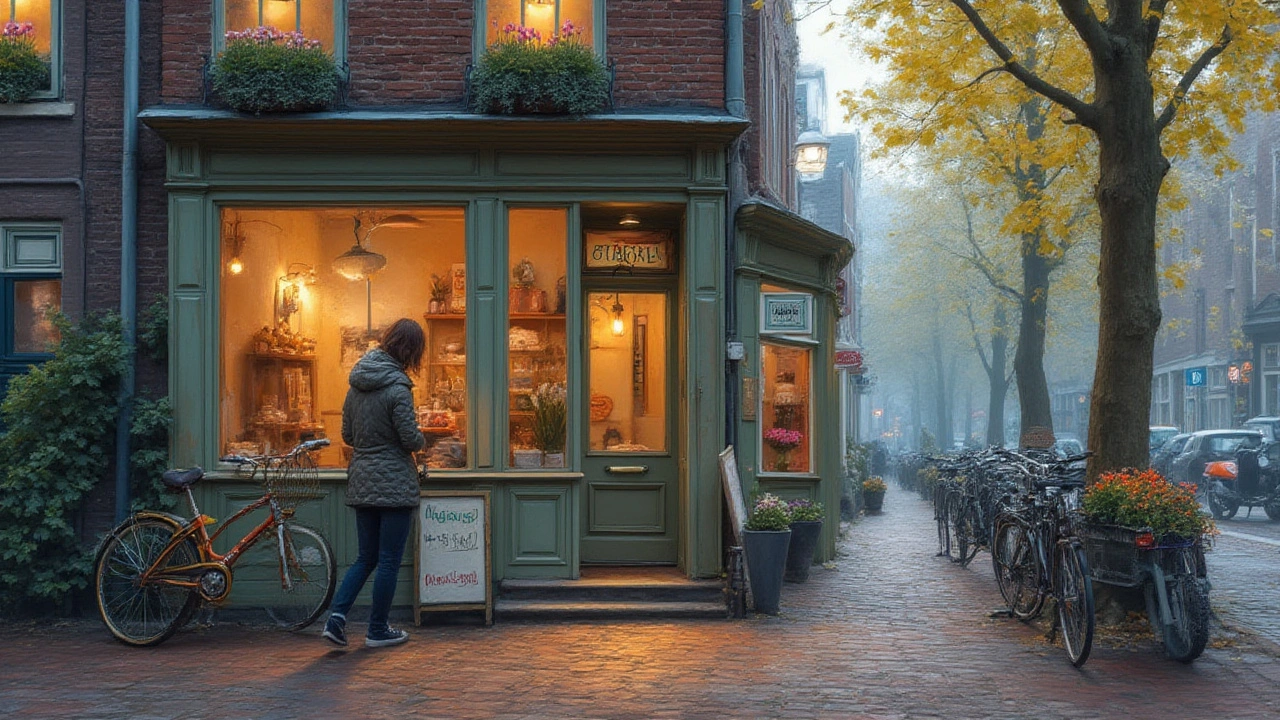
- Try a studio in De Pijp or Amstelveld-both have clusters of well-reviewed therapists. De Pijp has cozy, neighborhood spots. Amstelveld has more clinical, results-driven studios.
- Ask for a 15-minute consultation before booking. A good therapist will ask about your sleep, stress, and pain patterns. If they don’t, walk away.
Pro tip: Book your first session midweek, not Friday night. Therapists are less rushed. You’ll get more attention.
What to Expect During Your First Session
You walk in. The room is warm. Soft music plays. You’re asked to fill out a quick form: injuries, allergies, stress levels. You’re given a private room, a towel, and privacy to undress.
You lie on the table. The therapist leaves. You cover yourself. They knock, then enter. Their hands are warm. They start with your back-long strokes from neck to tailbone. Then shoulders. Then arms. Then legs. Feet. Head. It’s slow. Deliberate. You feel the tension melt.
They might ask: "Does this pressure feel okay?" Or, "I notice your left hip is tight-any history there?"
You don’t have to talk. But if something hurts, say so. A good massage shouldn’t hurt. It should feel like relief.
Afterward, you’re given water. You feel heavy. Calm. Like you’ve been reset. You might even feel a little emotional. That’s normal. Tension isn’t just physical. It’s stored.
Pricing and Booking
Prices in Amsterdam vary, but here’s what you’ll realistically pay:
- 60 minutes - €75-€95
- 90 minutes - €110-€140
- 120 minutes - €150-€190
Most places offer package deals: 5 sessions for the price of 4. If you’re serious about recovery, this is the way to go. Monthly maintenance beats crisis care every time.
Booking? Almost all studios take online bookings via their website or platforms like Bookly or Calendly. No need to call. You can even choose your therapist’s gender, style, and language (many speak English, German, or French).
Safety Tips
Massage is safe for most people-but not everyone. Here’s what to watch for:
- Avoid if you have: open wounds, recent fractures, blood clots, active infections, or uncontrolled high blood pressure.
- Tell your therapist if you’re pregnant, have cancer, or take blood thinners. They’ll adjust techniques.
- Hydrate after-massage releases toxins. Water helps flush them out. Skip the wine right after. Seriously.
- Don’t rush out-give yourself 15 minutes to sit, breathe, and let your body settle. Don’t jump into a bike ride or a meeting.
And if you feel dizzy, nauseous, or unusually sore the next day? That’s not normal. Talk to your therapist. It might mean the pressure was too deep.
Full Body Massage vs. Deep Tissue Massage in Amsterdam
| Feature | Full Body Massage | Deep Tissue Massage |
|---|---|---|
| Focus | Whole body relaxation, circulation, stress relief | Targeted release of chronic muscle tension |
| Pressure | Light to moderate | Deep, intense |
| Best for | First-timers, stress, poor sleep, general wellness | Athletes, desk workers, chronic pain sufferers |
| Duration | 60-120 minutes | 60-90 minutes |
| After-effects | Relaxed, calm, energized | Sore for 1-2 days (normal) |
| Frequency recommended | Every 2-4 weeks | Every 4-6 weeks (if pain is chronic) |
Here’s the truth: you don’t have to choose one forever. Many people start with full body to reset, then add deep tissue every few months to tackle stubborn knots.
Frequently Asked Questions
Is full body massage worth the cost?
If you’re spending €100 every few weeks, ask yourself: how much are you spending on coffee, takeout, or gym memberships that don’t fix your pain? A massage isn’t a cost-it’s an investment in fewer doctor visits, less painkillers, and better sleep. One client in Amsterdam saved €3,000 a year on back pain meds after starting monthly massages.
Can I get a full body massage if I’m pregnant?
Yes-but only after the first trimester, and only with a therapist trained in prenatal massage. They’ll use special pillows, avoid certain pressure points, and skip deep work on the abdomen. Many studios in Amsterdam specialize in this. Ask for "prenatal massage" specifically.
How often should I get a full body massage?
For maintenance: every 3-4 weeks. If you’re under high stress, recovering from injury, or have chronic pain: every 2 weeks. Think of it like brushing your teeth-you don’t wait until your gums bleed.
Do I need to undress completely?
No. You undress to your comfort level. Most people keep their underwear on. The therapist drapes you with towels, only uncovering the area they’re working on. You’re never exposed. Privacy is standard.
What if I’m ticklish?
Tell them. A good therapist will adjust their technique-use firmer pressure, avoid the soles of your feet, or switch to slower strokes. Ticklishness isn’t a problem-it’s just information they need to work with you better.
Ready to reset? You don’t need to wait for a holiday. You don’t need to be in pain. You just need one hour. One hour to let your body remember what it feels like to be at peace.


Scott Randall
February 10, 2026 AT 01:55Full body massage isn't a luxury. It's a biological reset button. And yeah, the science checks out. Cortisol down, serotonin up. Simple.
Thiago Gonçalves
February 11, 2026 AT 08:27Love this post! 🙌 I started monthly massages after my car accident last year. Was skeptical at first, but now I can actually sleep without popping pills. Also, hot stone in Amsterdam? Game changer during winter. Keep going, body. You deserve it.
Griffin Treanor
February 12, 2026 AT 16:38They say massage reduces stress but what if it's just a capitalist trap to make you spend money on something your body should do naturally? Who decided tension needs a stranger's hands to fix? Who profits? The stones? The towels? The music? Think deeper.
Trent Curley
February 14, 2026 AT 04:24Let me guess-you're one of those people who thinks €95 is 'expensive' for a massage. Have you ever had a real deep tissue session? The kind where the therapist uses their forearm like a crowbar? No? Then you don't know what you're talking about. I paid €180 last month in De Pijp. My spine thanked me. Your credit card will too. Just sayin'.
Ntombikayise Nyoni
February 14, 2026 AT 04:33Grammar note: 'It's not a luxury-it's a repair tool.' Missing space after hyphen. Also, 'you don’t even notice anymore.' Should be 'you haven't even noticed.' Small things matter.
Gabriel Sutton
February 14, 2026 AT 14:47As someone who grew up in Lagos and now lives in Portland, I can tell you-this kind of care isn't universal. In many places, massage is either invisible or a luxury reserved for tourists. The fact that Amsterdam has accessible, certified therapists? That’s radical. If you're reading this and you're in a city without good options-start advocating. Book a session. Bring a friend. Normalize it.
Jason Parker
February 16, 2026 AT 12:09I had my first massage after my dad passed. Didn’t know I was holding that much grief in my shoulders. The therapist didn’t say much. Just worked. When she touched my upper back, I started crying. Didn’t stop for ten minutes. No one else knew. Just me and the warm oil and the quiet. I didn’t need to talk. I just needed to be touched. This post gets it.
Jessica Montiel
February 17, 2026 AT 09:40Oh cool so now we're treating our bodies like smartphones that need a factory reset every 3 weeks? I'll pass. Just take a nap. Or drink water. Or stop slouching. Or all three. But please don't tell me I need a stranger to 'untangle my fascia' like I'm a headphone cord from 2012
Natalie Norman
February 18, 2026 AT 20:23That moment when you realize your body has been screaming for help for years... and you just thought it was tired. I cried after my first session. Not because it hurt. Because I finally let myself feel it. My hips. My jaw. My spine. All of it. Worth every euro. Seriously. Go. Now. Before you forget how to breathe.