From Tension to Tranquility: The Magic of Swedish Massage
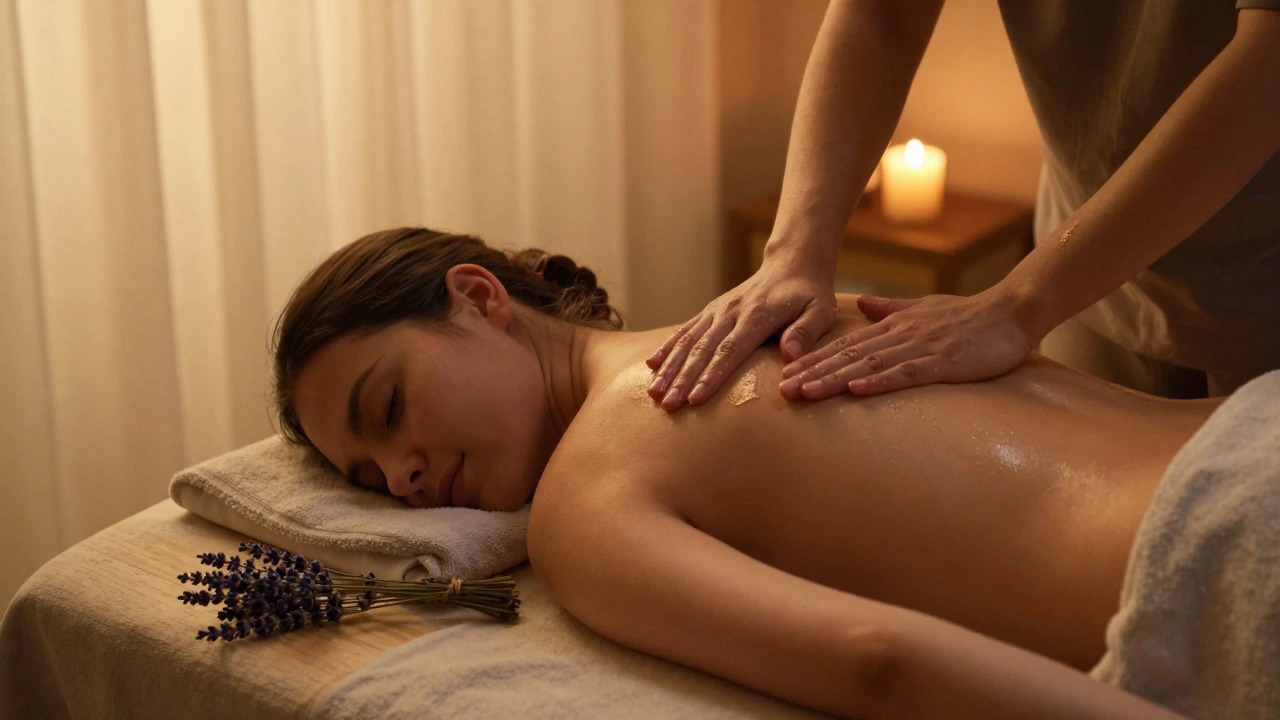
You’ve had one of those days. The kind where your shoulders climb up to your ears, your neck feels like it’s wrapped in concrete, and your brain just won’t shut off. You’ve tried deep breathing, scrolling through memes, even that one yoga video that made you feel worse. But what if the answer wasn’t in your phone, but in your body? What if the key to letting go wasn’t effort - but surrender?
Swedish massage isn’t just another spa treat. It’s the original relaxation massage. Developed in the 18th century by a Swedish physiologist, it’s the foundation for almost every massage you’ve ever heard of - from deep tissue to sports massage. And yet, most people still think it’s just "light rubbing." That’s like saying a Ferrari is just a car with four wheels.
What Swedish Massage Really Is (And What It’s Not)
Swedish massage is a system. Not a random stroke. It’s built on five core techniques, each doing something specific to your muscles, your nervous system, and your mind:
- Effleurage - long, gliding strokes that warm up the tissue and calm your nervous system. Think of it like a wave rolling over sand - smooth, rhythmic, soothing.
- Petrissage - kneading and lifting the muscles, like you’re working dough. This breaks up knots without digging into bone.
- Friction - deeper, circular pressure on specific spots. Not to hurt, but to release adhesions between muscle layers.
- Tapotement - light, rhythmic tapping or cupping. It wakes up sleepy muscles and improves circulation.
- Vibration - shaking or trembling movements that help muscles let go. It’s the massage equivalent of hitting the reset button.
This isn’t about strength. It’s about rhythm. A skilled therapist doesn’t push harder - they move smarter. The pressure? Usually light to medium. Not because they’re being gentle, but because Swedish massage works by inviting relaxation, not forcing it.
Why Your Body Craves This (And Not Just a Bubble Bath)
Here’s the truth: you don’t need a massage to feel good. But you do need it to recover from stress.
When you’re tense, your body stays in fight-or-flight mode. Cortisol spikes. Blood pressure rises. Muscles stay tight, even when you’re asleep. Swedish massage flips that switch. Studies from the Journal of Clinical Psychiatry show that just one 60-minute session can drop cortisol levels by up to 31%. That’s not placebo. That’s physiology.
And it’s not just stress. People who get regular Swedish massages report:
- Better sleep - not just falling asleep faster, but deeper, more restorative cycles
- Less morning stiffness - especially if you sit at a desk all day
- Improved circulation - your muscles get more oxygen, your skin glows, your energy returns
- Lower blood pressure - consistent weekly sessions can reduce systolic pressure by 10-15 points
- Reduced headaches - tension headaches drop by nearly 50% in people who get monthly massages
One client in Amsterdam, a 42-year-old teacher, told me: "I used to wake up with a headache every Monday. After six weeks of weekly Swedish massages, I stopped taking painkillers. I didn’t even realize how much pain I was living with until it was gone."
Swedish Massage in Amsterdam: What’s Available
Amsterdam has no shortage of places offering Swedish massage - from luxury spas in the Jordaan to quiet studios tucked behind canals. But not all are created equal.
Here’s what you’ll typically find:
- Standard 60-minute sessions - perfect for beginners. Focus on back, neck, shoulders, arms, legs. Usually €70-€90.
- 90-minute extended sessions - includes hands, feet, scalp. Ideal if you carry tension everywhere. €110-€140.
- Corporate packages - some therapists come to offices in De Pijp or Zuid. Great for teams stressed from deadlines.
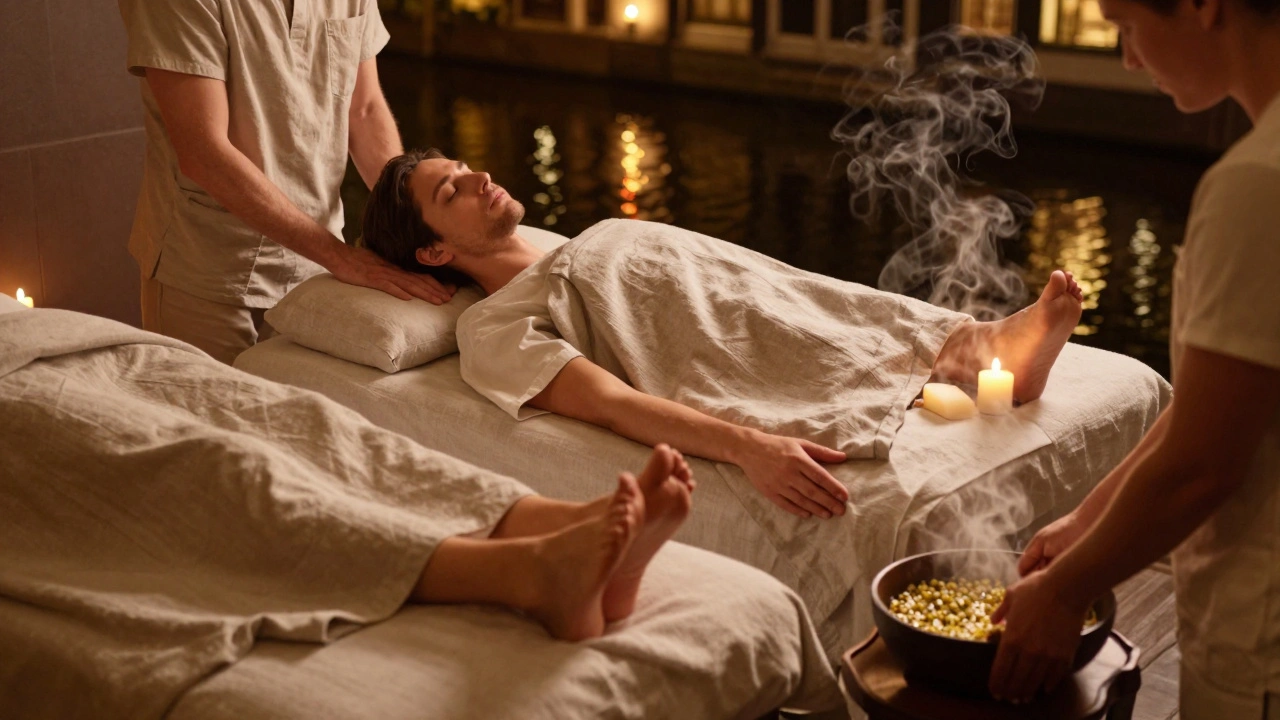
- Couple’s sessions - side-by-side tables in candlelit rooms. Popular with couples looking to reconnect.
- Home visits - yes, they exist. Especially in the older neighborhoods like Oud-West or Amstelveen. You lie on your own bed, with your own blanket. No commute. No stress.
Most places use organic almond or jojoba oil. Some add lavender or chamomile - not for scent, but because studies show these aromas lower heart rate. You’re not just getting a massage. You’re getting a sensory reset.

How to Find the Right Place in Amsterdam
Don’t just Google "Swedish massage Amsterdam" and pick the first result. Here’s how to pick wisely:
- Look for certified therapists - check if they’re registered with the Nederlandse Vereniging voor Massage en Bodywork (NVMB). Certification means they’ve trained for at least 300 hours.
- Read reviews with detail - "Great massage" is useless. Look for "Therapist noticed I held my breath during the session and adjusted pressure" - that’s expertise.
- Ask about their approach - a good therapist will ask you: "Where do you carry stress?" Not just "Do you want pressure light or firm?"
- Try a 60-minute first - don’t book the 2-hour package on day one. Let your body decide if it’s right.
Some trusted spots in Amsterdam: De Stilte in the Jordaan, Body & Soul near the Vondelpark, and Amsterdam Wellness Studio in Oud-Zuid. All have therapists who specialize in Swedish technique - not just "massage" as a catch-all.
What Happens During Your First Session
You walk in. The room is warm. Soft music plays - nothing with lyrics. The therapist asks you to undress to your comfort level (underwear or nude - your call). They leave the room while you get under the blanket.
Then, silence. The first strokes are slow. You feel the warmth of their hands. Your breath slows. You realize you’ve been holding it for hours. The pressure is firm, but not painful. Your shoulders drop. Your jaw unclenches. Your mind? It doesn’t stop thinking - but it stops fighting.
By the end, you feel heavy. In a good way. Like you’ve been underwater and just surfaced. You don’t want to move. You don’t want to talk. You just want to stay in that quiet space.
That’s the magic. It’s not about being fixed. It’s about being held.
How Much Does It Cost? And How Often Should You Go?
Prices in Amsterdam range from €65 to €150, depending on location, duration, and therapist experience. A standard 60-minute session at a mid-range studio is usually €80. Home visits cost €10-€20 extra.
As for frequency:
- Once a month - great for stress maintenance. Keeps your body from locking up.
- Once every two weeks - ideal if you’re recovering from injury, high stress, or long work hours.
- Weekly - for chronic pain, athletes, or people in high-pressure jobs. Many therapists offer package deals for this.
Some health insurance plans in the Netherlands cover massage if prescribed for stress-related conditions. Ask your provider - it’s worth checking.
What to Avoid
Not everyone should get Swedish massage. Avoid it if you have:
- Recent injuries or fractures
- Open wounds or skin infections
- Deep vein thrombosis (blood clots)
- Severe osteoporosis
- Active cancer - unless cleared by your oncologist
Also, skip the "deep pressure" trap. Swedish massage isn’t meant to hurt. If you’re gritting your teeth, the therapist isn’t working with your body - they’re fighting it.
Swedish Massage vs. Deep Tissue Massage: What’s the Difference?
| Feature | Swedish Massage | Deep Tissue Massage |
|---|---|---|
| Primary Goal | Relaxation, circulation, stress relief | Release chronic muscle tension, break down scar tissue |
| Pressure | Light to medium | Heavy, focused |
| Techniques | Effleurage, petrissage, tapotement | Deep friction, cross-fiber strokes, trigger point work |
| Best For | Stress, poor sleep, anxiety, general tension | Chronic pain, sports injuries, posture issues |
| After Effects | Calmer, lighter, refreshed | Sore for 1-2 days, then improved mobility |
| Typical Price (60 min) | €70-€90 | €85-€110 |
If you’re new to massage, start with Swedish. Save deep tissue for when you’ve got a specific knot that won’t quit - and you’re ready to feel it for a day or two afterward.
Frequently Asked Questions
Is Swedish massage good for anxiety?
Yes. Multiple studies show Swedish massage lowers cortisol and increases serotonin and dopamine - the body’s natural calm chemicals. It’s not a replacement for therapy, but it’s one of the most effective non-medical tools for reducing anxiety symptoms.
Do I need to be naked during a Swedish massage?
No. You’re covered with a towel the whole time. Only the part being worked on is exposed. Most people keep their underwear on. The therapist respects your boundaries - if you’re uncomfortable, say so. Good therapists expect it.
Can I get Swedish massage if I’m pregnant?
Yes - but only after the first trimester and only with a therapist trained in prenatal massage. They’ll use special pillows and avoid pressure points that could trigger contractions. Many Amsterdam studios offer prenatal Swedish sessions.
How long do the effects last?
The immediate calm lasts 2-3 days. The deeper benefits - better sleep, lower stress hormones - build over time. People who get monthly massages report lasting improvements in mood and energy for months.
Is Swedish massage just for women?
Absolutely not. Men make up nearly 40% of regular Swedish massage clients in Amsterdam. Truck drivers, programmers, teachers, athletes - anyone who carries stress in their shoulders or neck. It’s not gendered. It’s human.
So here’s the real question: What’s keeping you from trying it? Is it the cost? The time? The fear of being touched? Look at your life right now. How much is tension costing you? In sleepless nights? In irritability? In missed moments with people you love?
Swedish massage doesn’t fix your life. But it gives you back the space to breathe - the space to feel human again. And sometimes, that’s the only thing you need to start healing.
Ready to let go? Book your session - not because you "should," but because you deserve to feel light again.

Jessica Horcher
December 24, 2025 AT 20:17Swedish massage is such a game-changer for stress relief-I’ve been getting them monthly for years now. The effleurage alone can reset your nervous system like nothing else. I used to wake up with tension headaches every day; after six weeks, they vanished. No pills, no hacks-just skilled hands and slow, intentional movement. It’s not luxury, it’s medicine.
Also, the study cited in the Journal of Clinical Psychiatry? Real. I’ve seen cortisol drops in my own biofeedback data. If you’re skeptical, try one session and track your sleep quality for a week. You’ll be shocked.
Kayla Hochard
December 25, 2025 AT 06:13Oh great, another wellness cult post. So now we’re paying €90 to be rubbed with lavender oil because our ‘nervous system needs calming’? You know what calms my nervous system? Not having a job that makes me feel like a cog. Or not living in a society that treats relaxation like a privilege you have to buy.
And don’t get me started on ‘certified therapists.’ My cousin in Ohio gets a 30-minute rubdown from her cousin’s friend at a flea market for $20 and feels better than I do after a ‘premium’ session in Amsterdam. This is capitalism with a spa towel wrapped around it.
Andre Estrela
December 26, 2025 AT 19:01Okay but like… imagine this 🤯
You walk in. The lights are low. Music is playing. No words. Just hands. Warm. Slow. Like your body finally remembers how to breathe 😭
And then-BAM-you’re floating. Not high. Not drunk. Just… soft. Like a cloud that forgot it was supposed to be angry.
My therapist does the vibration thing? I swear I cried. Not sad. Not happy. Just… released.
10/10 would let someone touch my shoulders again 🙏💆♀️💕
Kelsey Stratton
December 28, 2025 AT 03:43i tried this once after a long flight. didn't know what to expect. therapist was quiet. didn't talk much. just worked. i fell asleep. woke up feeling like i hadn't slept in weeks. now i go every month. no big deal. just feels good.
don't overthink it. just lie down and let them do their thing.
Sean Marcus
December 29, 2025 AT 04:43Yeah sure, Swedish massage is great. But let’s be real-half these places are just glorified oil rubdowns with incense and bad playlists. I went to one that charged €100 and the therapist kept checking her phone between strokes. 😑
Also, why is everyone acting like this is some ancient secret? My grandma gave me back rubs with Vaseline and a cigarette in her mouth. I felt better then.
Also, if you’re gonna cite studies, cite the one where people who just took a nap felt the same. 🤷♂️