Experience Bliss: The Top Benefits of a Full Body Massage
You know that moment when you collapse onto the couch after a long day, and your shoulders feel like they’re made of concrete? Or when you wake up stiff, like your body forgot how to move? That’s not just tiredness-it’s your body screaming for release. A full body massage isn’t a luxury. It’s a reset button for your nervous system, your muscles, and your mind. And if you’ve never tried one, you’re missing out on something deeply human: the chance to truly relax.
Key Takeaways
- A full body massage reduces cortisol levels by up to 30% in just one session.
- Regular sessions improve sleep quality, reduce chronic pain, and boost circulation.
- In Amsterdam, you’ll find everything from Swedish to Thai techniques-each with its own rhythm and purpose.
- You don’t need to spend hundreds: quality sessions start at €60 and last 60-90 minutes.
- It’s not just about relaxation-it’s about healing. Many clients report fewer headaches, better digestion, and less anxiety after just 3-4 sessions.
Why a Full Body Massage Matters More Than You Think
Most people think massage is just about feeling good. But it’s so much more. Think of your body like a city. When you’re stressed, traffic jams form in your muscles. Blood flow slows. Toxins build up. Your nervous system stays stuck in ‘fight or flight.’ A full body massage doesn’t just smooth out those knots-it reprograms your whole system.Studies from the Journal of Clinical Psychiatry show that after a single 60-minute session, cortisol (your main stress hormone) drops by an average of 31%. At the same time, serotonin and dopamine-your feel-good chemicals-rise. That’s not magic. That’s physiology.
And here’s the thing: you don’t need to wait until you’re in pain. People who get regular massages-once every 3-4 weeks-report fewer sick days, better focus at work, and even improved relationships. Why? Because when your body isn’t holding tension, your mind doesn’t have to either.
What Exactly Is a Full Body Massage?
A full body massage isn’t just ‘more strokes.’ It’s a structured, intentional treatment that covers your head, neck, shoulders, arms, hands, back, legs, feet, and sometimes even the abdomen. It’s not about hitting every spot with maximum pressure. It’s about rhythm-long, flowing strokes to calm your nervous system, followed by deeper work where tension lives.In Amsterdam, most therapists start with your back. Why? Because that’s where most people store stress. Then they move to your legs-where tension from standing or sitting all day builds up. Your arms and hands get attention because they’re constantly in motion, whether you’re typing, driving, or holding a coffee cup. And yes, your feet. Don’t underestimate how much weight your feet carry-and how much they hold onto.
It’s not a quick 30-minute ‘tweak.’ A true full body session lasts at least 60 minutes. Many go for 75 or 90. That’s not a suggestion. That’s the minimum time needed to actually release deep tension.
The Real Benefits You Can Expect
Let’s cut through the fluff. Here’s what actually changes when you start getting regular full body massages:- Deep, uninterrupted sleep: If you lie awake counting sheep, massage helps. It lowers heart rate and triggers the parasympathetic nervous system-the part that says, ‘It’s safe to rest.’
- Less muscle pain: Whether it’s lower back pain from sitting too long, tight shoulders from staring at screens, or stiff hips from walking in heels, massage loosens the knots that painkillers can’t touch.
- Better circulation: Blood moves more freely. That means oxygen reaches your muscles faster, and waste products like lactic acid get flushed out. You feel lighter. More energized.
- Improved digestion: Your gut has nerves connected to your spine. When your back is relaxed, your digestion improves. Clients often notice less bloating and more regular bowel movements.
- Reduced anxiety: No, it’s not just ‘feeling calm.’ Brain scans show reduced activity in the amygdala-the fear center-after massage. It’s like hitting pause on your mental noise.
- Stronger immune response: One study from the University of Miami found that regular massage increases white blood cell count. That’s your body’s first line of defense.
One client here in Amsterdam, a nurse who works 12-hour shifts, told me: ‘I used to wake up with headaches every morning. After six weeks of weekly massages? They vanished. I didn’t change my diet. I didn’t start meditating. I just let someone work on my back.’
Types of Full Body Massage Available in Amsterdam
Amsterdam’s massage scene is diverse. You’re not stuck with one style. Here’s what you’ll find:- Swedish Massage: The classic. Long, gliding strokes. Light to medium pressure. Perfect if you’re new to massage or just want to unwind.
- Deep Tissue: Focuses on chronic tension. Slower, more targeted pressure. Good for athletes, desk workers, or anyone with stiff muscles.
- Thai Massage: Done on a mat. You stay clothed. The therapist uses their hands, elbows, and feet to stretch and compress your body. It’s like yoga with a human guide.
- Hot Stone Massage: Smooth, heated stones are placed along your spine and used to glide over your skin. The warmth melts tension in a way hands alone can’t.
- Shiatsu: Based on acupressure. The therapist applies pressure to specific points along energy pathways. Great for stress, headaches, and fatigue.
- Lymphatic Drainage: Super gentle. Designed to move fluid through your body. Ideal if you’re recovering from surgery, feeling swollen, or just want to detox.
Most places in Amsterdam offer custom blends. Tell them what you need-‘I’m tight in my shoulders and have trouble sleeping’-and they’ll adjust.
How to Find the Best Full Body Massage in Amsterdam
You don’t need to wander through 20 spas to find a good one. Here’s how to cut through the noise:- Look for therapists with certifications from recognized schools (like the Dutch Massage Association or European Massage Therapy Federation).
- Check reviews that mention specific results-not just ‘relaxing.’ Look for phrases like ‘my back pain disappeared’ or ‘I slept through the night for the first time in months.’
- Try places in De Jordaan, Westerpark, or De Pijp. These neighborhoods have a high concentration of skilled, independent therapists.
- Ask if they offer a consultation before the session. A good therapist will ask about your pain, habits, and goals-not just hand you a brochure.
- Avoid places that push add-ons like ‘chakra balancing’ or ‘essential oil upgrades’ unless you’re curious. Stick to the basics: time, technique, and trust.
Many therapists now offer online booking with clear pricing. No hidden fees. No pressure to buy packages.
What to Expect During Your First Session
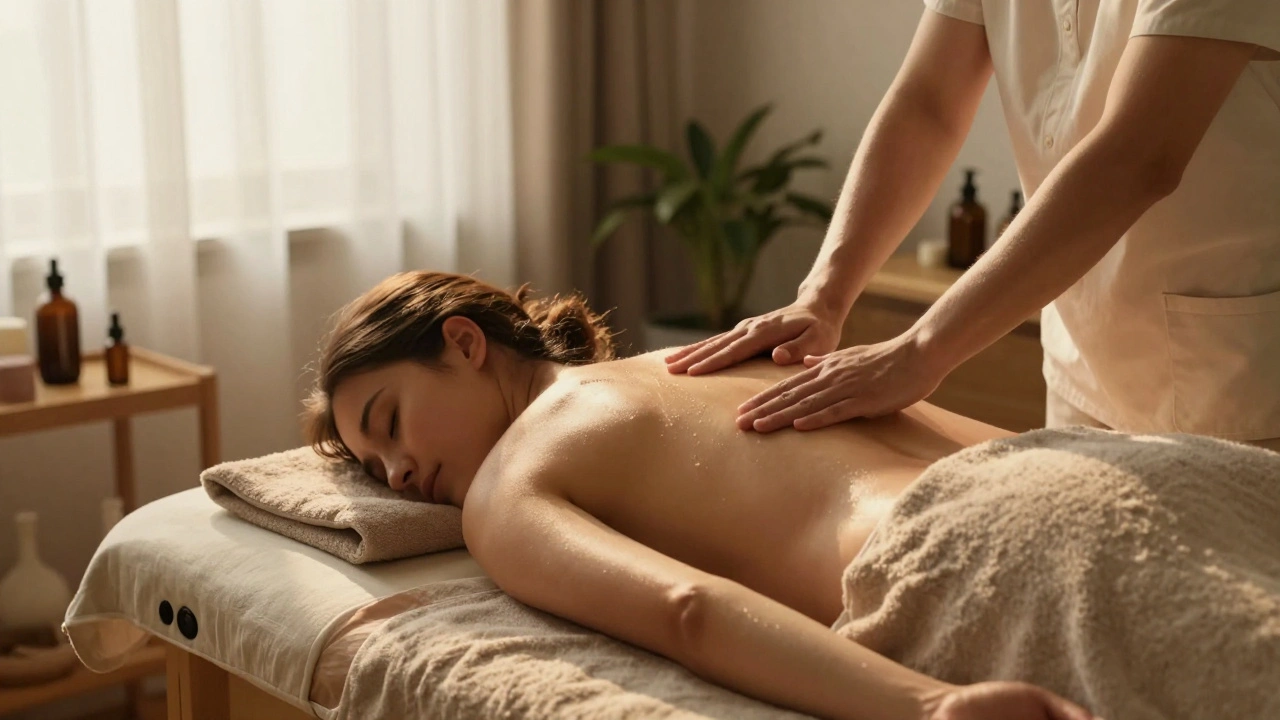
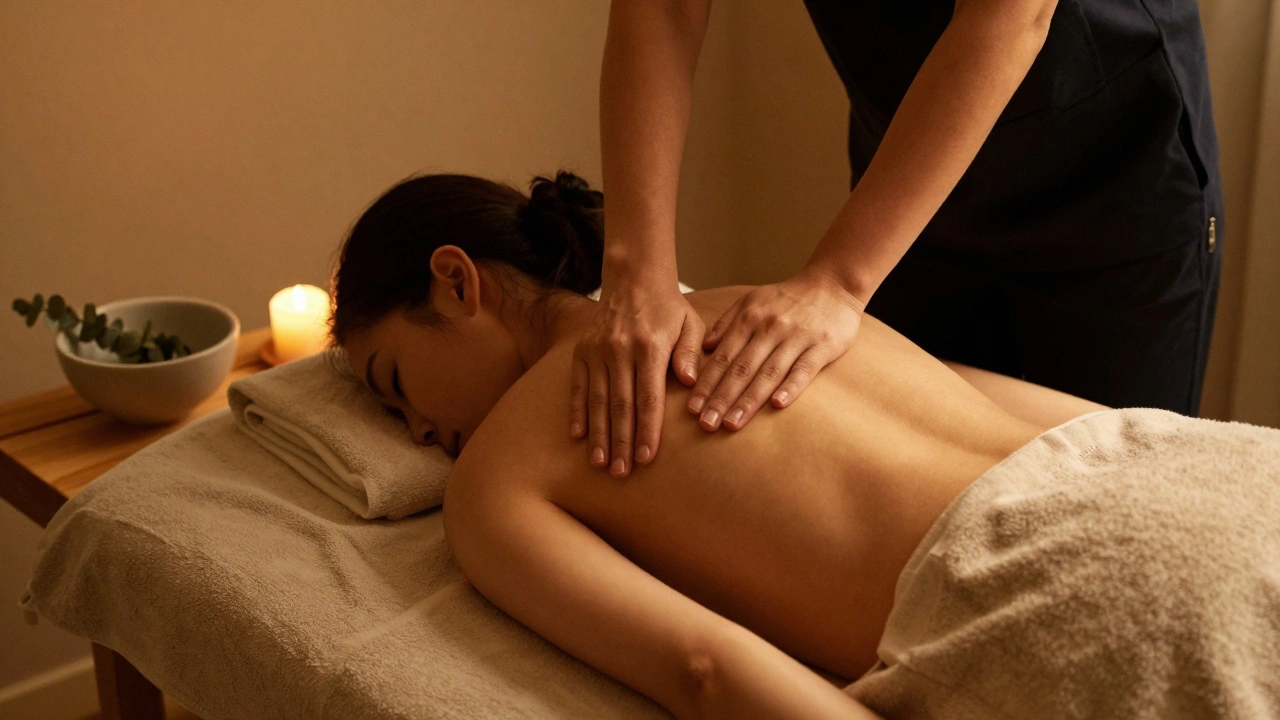
You walk in. The room is warm. Soft music. A quiet voice asks if you’re comfortable with the pressure. You lie face down on a heated table, covered by a towel. You’re never exposed.The therapist starts with your back-slow, long strokes. You feel your breath slow down. Then, they move to your shoulders. You might feel a little discomfort-that’s the tension releasing. But it’s not pain. It’s ‘good hurt.’
They work on your legs-pressing along your hamstrings, glutes, calves. Your feet get attention: toes stretched, arches massaged. Then you turn over. Your arms, chest, neck, and forehead get gentle attention. You might drift off. That’s normal. The therapist won’t rush you.
When it’s over, they hand you a glass of water. ‘Drink it,’ they say. ‘Your body’s flushing out what we released.’ You feel light. Not sleepy-clear. Like you’ve been unplugged and rebooted.
Pricing and Booking: No Surprises
In Amsterdam, prices are transparent:- 60 minutes: €60-€85
- 75 minutes: €85-€110
- 90 minutes: €110-€140
Most places accept debit cards. Some offer discounts for packages (e.g., 5 sessions for the price of 4). But don’t feel pressured to buy one. Try one session first.
Bookings are easy. Most therapists use platforms like Bookly or Calendly. You pick a time, choose your type of massage, and confirm. No phone calls needed. You’ll get a reminder the day before.
Safety Tips: Do This, Not That
Massage is safe for most people-but not if you do it wrong:- Do tell your therapist if you’re pregnant, have a recent injury, or are on blood thinners.
- Do speak up if the pressure is too hard or too light. It’s your body.
- Do drink water after. It helps flush toxins.
- Don’t book right after a heavy meal or intense workout.
- Don’t go if you have a fever, infection, or open wounds.
- Don’t expect miracles after one session. Healing takes time.
Full Body Massage vs. Localized Massage in Amsterdam
| Feature | Full Body Massage | Localized Massage (e.g., Head, Foot, Back Only) |
|---|---|---|
| Duration | 60-90 minutes | 30-45 minutes |
| Pressure Coverage | Entire body: head to toe | One area only |
| Best For | Stress relief, systemic tension, sleep issues | Targeted pain (e.g., headache, sore heel) |
| Cost | €60-€140 | €35-€70 |
| Systemic Effect | Yes-impacts nervous system, circulation, hormones | Minimal-only local area |
| Recommended Frequency | Every 3-4 weeks | As needed |
Think of it this way: a localized massage is like patching a leak. A full body massage is like upgrading the whole plumbing system.
Frequently Asked Questions
Is a full body massage painful?
It shouldn’t be. Some pressure might feel intense-especially in tight areas like your lower back or hips-but it shouldn’t hurt. If you’re wincing, speak up. A good therapist adjusts on the spot. Pain means tension, not progress.
How often should I get a full body massage?
Once every 3-4 weeks is ideal for most people. If you’re under high stress, recovering from injury, or have chronic pain, once a week for a month, then taper off. Your body will tell you. If you feel better after a session, you’re on the right track.
Can I get a full body massage if I’m pregnant?
Yes-but only with a therapist trained in prenatal massage. They’ll use special positioning (side-lying, not face-down) and avoid certain pressure points. Many Amsterdam therapists specialize in this. Always mention your pregnancy when booking.
Do I need to undress completely?
No. You’ll be covered with towels the whole time. Only the area being worked on is uncovered. Most people keep their underwear on. If you’re uncomfortable, say so. A good therapist will adjust.
What if I fall asleep during the massage?
It’s a compliment. Seriously. Most therapists see it as a sign you’re deeply relaxed. They’ll work around you. You won’t miss anything. When you wake up, you’ll feel amazing.
Are there any side effects?
Rare. Some people feel slightly sore the next day-like after a good workout. Others feel unusually tired. That’s your body processing what was released. Drink water, rest, and you’ll feel better by the next day.
Ready to Feel Like Yourself Again?
You don’t need to wait until you’re broken to heal. The body remembers stress. It holds it in your shoulders, your jaw, your hips. A full body massage doesn’t erase your problems. But it gives you space-physical, mental, emotional-to breathe again.Find a quiet therapist. Book a 75-minute session. Let them work. Drink the water. Go home. Sleep like you used to.
That’s not a luxury. That’s self-care. And you deserve it.