Enhance Your Wellbeing with Regular Full Body Massages
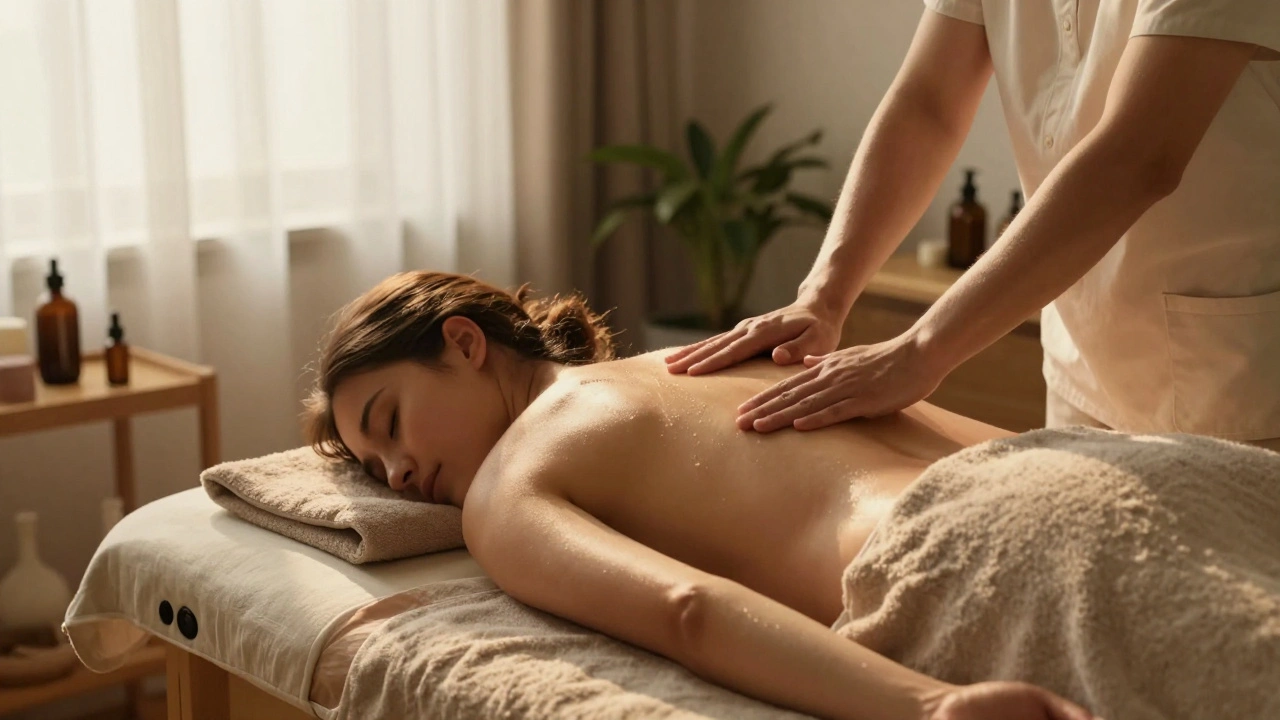
You know that heavy feeling in your shoulders after a long week? Or how your neck tightens up like a clenched fist by Friday afternoon? That’s not just tiredness-it’s your body screaming for release. And the simplest, most natural way to answer that scream? A regular full body massage.
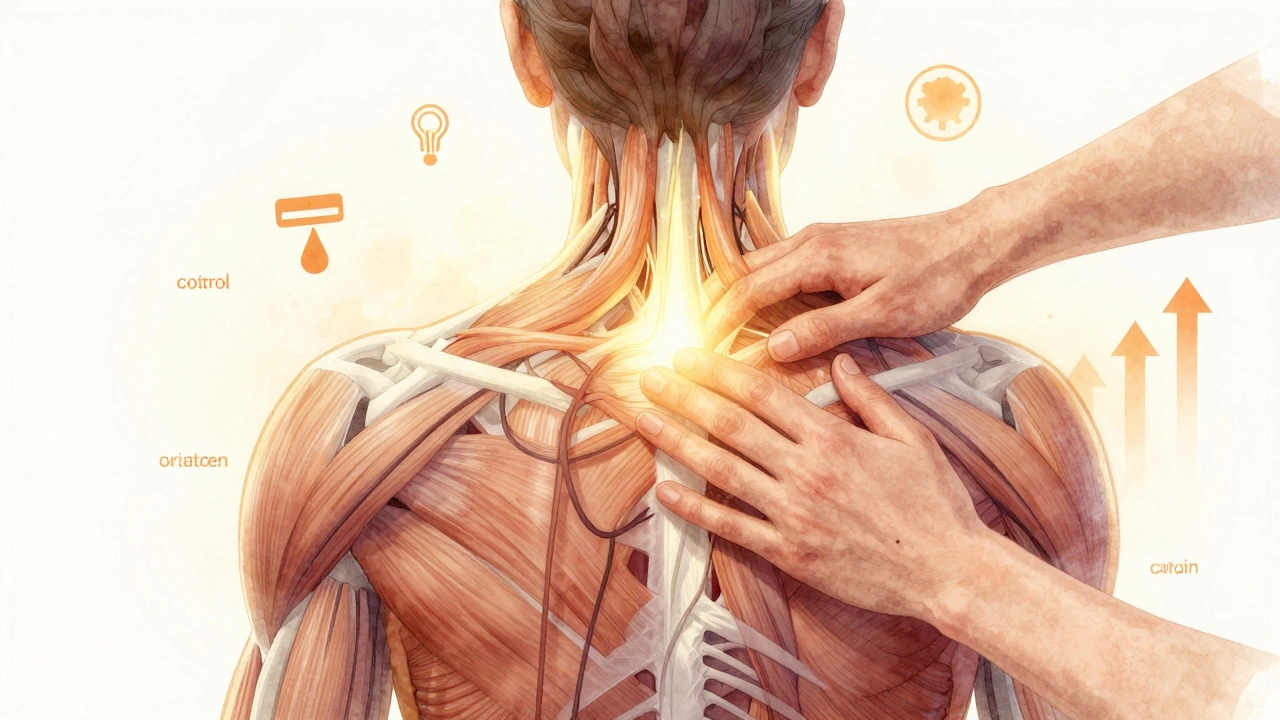
It’s not magic. It’s biology. Your muscles hold stress like old luggage. Every deadline, every argument, every hour hunched over a screen? They pile up. And if you don’t unpack them, they start to rot your energy, your sleep, even your mood. A full body massage doesn’t just scratch the surface. It digs deep. It resets your nervous system. It tells your body, ‘You’re safe now.’
What Exactly Is a Full Body Massage?
A full body massage isn’t just ‘more rubbing.’ It’s a structured, intentional session that covers your back, neck, shoulders, arms, hands, legs, feet, and sometimes even your head and scalp. It’s not about hitting every muscle with brute force. It’s about rhythm-long strokes, gentle pressure, slow kneading-that tells your brain to switch off the alarm bells.
Think of it like rebooting your phone. You’re not fixing a broken app-you’re clearing the cache. Your nervous system gets flooded with cortisol when you’re stressed. Massage lowers that. It boosts serotonin and dopamine. Studies from the Journal of Clinical Psychiatry show that just one 60-minute session can reduce cortisol levels by up to 31%. That’s not a spa trick. That’s neuroscience.
Why Regular Full Body Massages Change Everything
One massage feels amazing. A weekly one? That’s when your life starts to shift.
- You sleep deeper. No more waking up at 3 a.m. with your mind racing. Massage increases melatonin production-your body’s natural sleep hormone.
- Your aches fade. That constant lower back pain? It doesn’t vanish overnight, but after four weeks of regular sessions, most people report 40-60% less discomfort.
- Your immune system gets stronger. Research from Cedars-Sinai Medical Center found that regular massage increases white blood cell count, helping your body fight off colds and infections.
- You think clearer. Less muscle tension means less brain fog. Your focus improves because your body isn’t screaming for attention anymore.
- Your mood lifts. People who get weekly massages report lower anxiety and higher feelings of calm-not because they’re avoiding problems, but because their bodies are better equipped to handle them.
It’s not a luxury. It’s maintenance. Like oiling a bike chain or changing your car’s filter. Your body works 24/7. It deserves regular tune-ups.
Types of Full Body Massages You’ll Find in Amsterdam
Amsterdam has no shortage of places offering full body massages-but not all are created equal. Here’s what’s actually out there:
- Swedish Massage: The classic. Long, flowing strokes. Perfect if you’re new to massage or just want to melt into relaxation. Great for stress relief.
- Deep Tissue Massage: Targets chronic tension. Uses slower, firmer pressure to reach deeper muscle layers. Ideal if you sit all day or carry stress in your back and hips.
- Hot Stone Massage: Warm basalt stones are placed along your spine and used to glide over your skin. The heat relaxes muscles faster than hands alone. Especially soothing in winter.
- Thai Massage: You stay dressed. The therapist uses their hands, elbows, and feet to stretch and compress your body. More active, less passive. Feels like yoga with a human guide.
- Lymphatic Drainage Massage: Super gentle. Focuses on moving fluid through your body to reduce swelling and detoxify. Great if you’re feeling bloated or sluggish.
Most places in Amsterdam offer a 60- or 90-minute version. Go for 90 minutes at least once a month. Your body needs time to unwind fully.
How to Find the Right Place in Amsterdam
You don’t need to hunt through 50 reviews. Here’s how to cut through the noise:
- Look for therapists with certifications from recognized schools-like the Dutch Association of Massage Therapists (NVMT). They’ve trained in anatomy, contraindications, and hygiene.
- Check if they use natural oils. Avoid places that use cheap mineral oil or synthetic fragrances. Good therapists use almond, jojoba, or grapeseed oil-clean, nourishing, non-irritating.
- Read reviews for phrases like ‘felt heard’ or ‘adjusted pressure perfectly.’ That’s the sign of a good therapist, not just a technician.
- Try a neighborhood spot. Places in De Pijp, Jordaan, or Oud-West often have smaller, more personal studios than the tourist-heavy city center.
Word of mouth still works. Ask a friend who’s been getting massages for a year. They’ll know who’s consistent, who listens, and who just rushes through sessions.
What Happens During Your First Session
You walk in. You’re nervous. That’s normal.
You’ll fill out a short form-health history, injuries, areas of pain. The therapist will ask: ‘What are you hoping to get out of this?’ Be honest. Say: ‘I’m tired. My shoulders are stone.’
You’ll undress to your comfort level. Most people keep their underwear on. You’ll be covered with a towel the whole time-only the part being worked on is exposed. No awkwardness. Just quiet.
The massage starts with your back. Slow strokes. Warmth. Then your legs, arms, feet. The pressure builds gradually. If it hurts too much, say so. A good therapist won’t mind. In fact, they’ll thank you.
At the end, you’ll lie still for a few minutes. They might offer herbal tea. You’ll feel light. Not sleepy. Not numb. Clear. Like you’ve been reset.
Pricing and Booking: What to Expect
In Amsterdam, a 60-minute full body massage costs between €65 and €95. A 90-minute session runs €90-€130. Higher prices usually mean better-trained therapists, private rooms, or organic products.
Booking is easy. Most places let you book online. Look for options that let you pick your therapist. Some specialize in sports recovery, others in relaxation. Match your goal to their style.
Many studios offer package deals: buy 5 sessions, get the 6th free. That’s the smart way to start. Commit to four weeks. See how you feel. Then decide if you want to keep going.

Safety First: Who Should Avoid Full Body Massage?
Most people can benefit. But there are exceptions:
- Don’t get a massage if you have a fever, infection, or recent injury (like a sprain or fracture).
- If you’re on blood thinners, avoid deep pressure. Gentle Swedish or lymphatic drainage is safer.
- Advanced cancer patients should consult their doctor first. Some types of massage can interfere with treatment.
- Pregnant women? Yes, but only with a therapist trained in prenatal massage. Regular massage tables aren’t safe after the first trimester.
Always tell your therapist about medications, recent surgeries, or chronic conditions. They’re not judging. They’re protecting you.
Full Body Massage vs. Deep Tissue Massage: Which Is Right for You?
| Feature | Full Body Massage | Deep Tissue Massage |
|---|---|---|
| Primary Goal | Relaxation, stress relief, overall wellbeing | Release chronic muscle tension, treat pain |
| Pressure | Light to medium | Medium to firm |
| Duration | 60-90 minutes | 60-90 minutes |
| Best For | Stress, poor sleep, low energy | Back pain, stiff neck, sports injuries |
| After Effects | Calmer, lighter, rested | Sore for 1-2 days, then improved mobility |
| Frequency | Weekly or biweekly | Every 2-4 weeks, as needed |
If you’re not sure? Start with full body. You can always upgrade later. Most people who begin with relaxation end up adding deep tissue when they realize how much tension they’ve been carrying.
Frequently Asked Questions
How often should I get a full body massage for wellbeing?
For general wellbeing, aim for once every two weeks. That’s the sweet spot where your body starts to hold onto the benefits. If you’re under high stress, weekly works better. If you’re on a budget, once a month still helps-just don’t skip more than two months in a row.
Can a full body massage help with anxiety?
Yes. Anxiety lives in your body as tight muscles, shallow breathing, and a racing heart. Massage activates your parasympathetic nervous system-the part that says ‘calm down.’ Studies show regular massage lowers heart rate and cortisol while increasing oxytocin, the bonding hormone. It doesn’t replace therapy, but it gives your nervous system a reset button.
Do I need to shower before a massage?
Not required, but recommended. A quick rinse removes sweat and lotions that can interfere with the oil. Most places have showers. If you’re in a rush, just wipe down with a towel. The therapist won’t mind.
Is it normal to feel sore after a massage?
Mild soreness is normal if you had deep pressure or haven’t had a massage in a while. It’s like after a good workout. Drink water, move gently, and it fades in 24-48 hours. Sharp pain or lasting discomfort? Call your therapist. That’s not normal.
Can I get a full body massage if I have tattoos?
Absolutely. Massage oil won’t damage tattoos, especially if they’re older than 6 months. Avoid deep pressure on fresh tattoos (under 3 months) just to be safe. Most therapists will ask about new ink anyway.
You don’t need to wait for burnout to start caring for your body. The best time to begin was yesterday. The second best time? Today. Book your next session. Not tomorrow. Not next week. Now. Your body is already asking for it.

Timi Shodeyi
December 28, 2025 AT 05:47I’ve been getting weekly massages since my burnout last year, and honestly? My sleep quality improved more than any meditation app ever did. The way the therapist works on my scapular region-it’s like they’re decoding years of stress stored in my muscles. Also, I switched to jojoba oil after reading this and no more skin irritation. Small changes, massive difference.
F. Erich McElroy
December 28, 2025 AT 13:53Ugh. Another ‘massage is self-care’ post from people who think $90 is ‘affordable’ and ‘wellness’ is a lifestyle brand. My back hurts because I work two jobs and my insurance doesn’t cover this spa nonsense. You’re not ‘resetting your nervous system’-you’re wasting money on a glorified rubdown while real people are fixing their kids’ broken bikes with duct tape.
Brittany Parfait
December 29, 2025 AT 16:19That part about the therapist asking what you want out of it? I cried the first time someone actually asked me that. Not because I was sad. Because no one ever had. And then they just held space. No advice. No fix. Just warmth and quiet. That’s the magic. Not the oil. Not the stones. Just being seen.
David Din Greenberg
December 30, 2025 AT 11:56Let’s be real-this isn’t about massage. It’s about modern man’s inability to sit with discomfort. You think your body needs a reset? Nah. Your soul needs a reckoning. Massage is a Band-Aid on a bullet wound. You want real change? Stop scrolling. Stop numbing. Stop outsourcing your peace to a stranger with warm hands. Go sit in silence for an hour. That’s the real therapy. The rest is just luxury retail wrapped in neuroscience jargon.
And don’t get me started on ‘lymphatic drainage.’ Sounds like a cult. But hey, if you need to pay someone to stroke your legs to feel human again, I won’t stop you. Just know you’re buying a feeling, not a cure.
Nadia Di Qual
January 1, 2026 AT 10:48So you’re telling me I should spend $130 to feel what I could’ve felt if I’d just laid on the floor for 20 minutes after work? My cat does that. And she doesn’t even pay rent.