A Beginner’s Guide to Body to Body Massage
You’ve heard the term body to body massage-maybe in a movie, a friend’s whisper, or an ad that made you pause. But what does it really mean? Is it just fancy spa jargon? Or is there something deeper, more human, behind it? If you’re new to this, you’re not alone. Most people feel confused, curious, or even a little nervous at first. Let’s cut through the noise and show you exactly what body to body massage is, what to expect, and why it’s not what you think.
What Exactly Is Body to Body Massage?
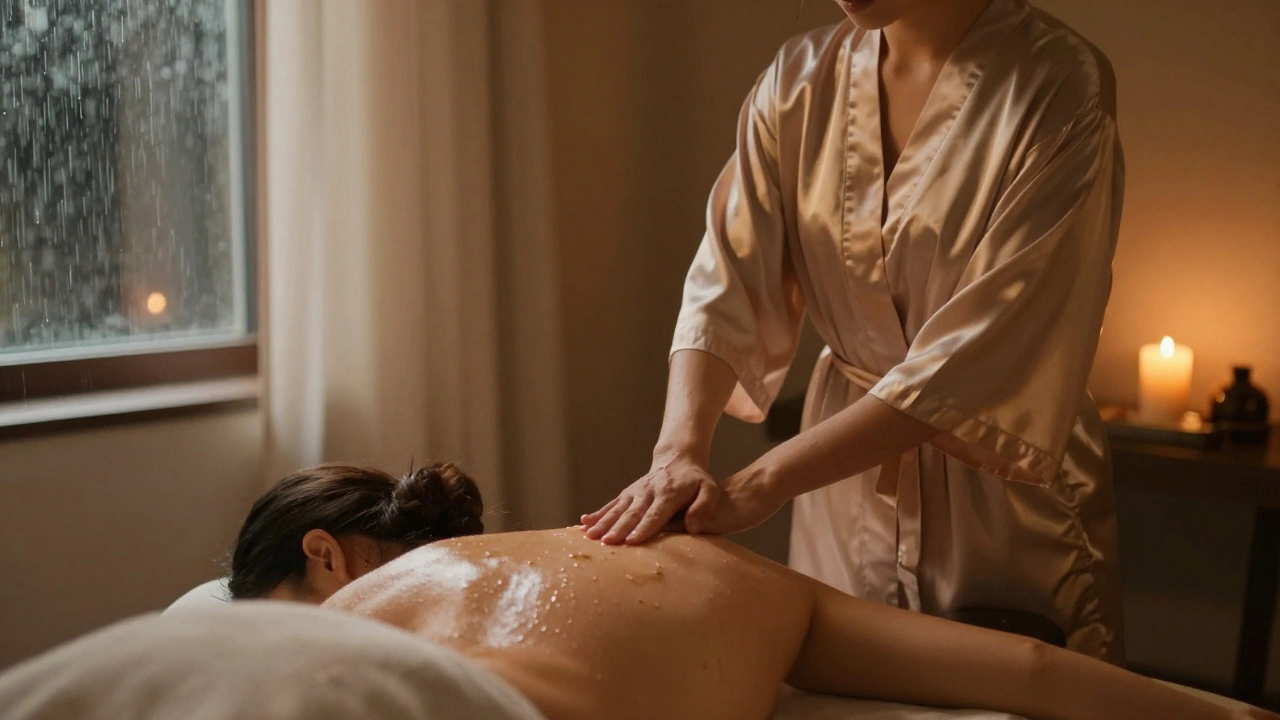
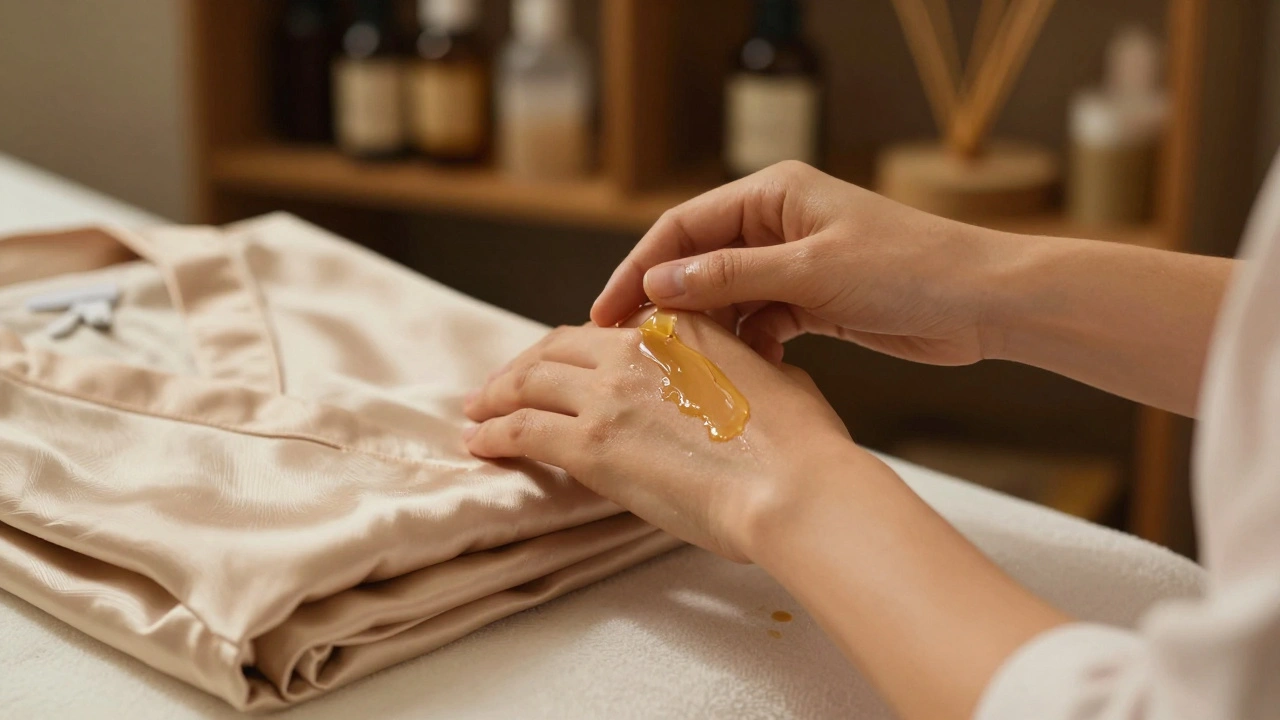
Body to body massage is exactly what it sounds like: the therapist uses their own body-hands, forearms, legs, even hips-to glide over yours. It’s not just a hand massage with extra steps. It’s a full-surface, slow, flowing experience where warmth, pressure, and rhythm all work together. Think of it like oil sliding over warm stone, not tapping or kneading. The therapist usually wears a thin, breathable garment-like a silk robe or fitted top-and uses natural oils to reduce friction and enhance glide.
This isn’t about eroticism. It’s about sensation. It’s about letting go of tension so deeply that your mind forgets to worry. People who try it often say it feels like being held, not touched. The pressure is firm but never painful. The pace is slow, almost meditative. And because the therapist’s body covers more surface area than hands alone, the massage reaches muscles you didn’t even know were tight.
Why People Choose Body to Body Massage
Most first-timers come because they’re tired. Not just sleepy tired-deep, bone-achy tired. The kind that doesn’t go away after a nap or a long shower. Maybe you sit at a desk all day. Maybe you’re a parent who’s always on the move. Or maybe you just feel like your body is holding onto stress you didn’t even realize you had.
Body to body massage works differently than traditional massage. The continuous, broad contact creates a kind of sensory overload that actually calms your nervous system. A 2023 study from the Journal of Bodywork and Movement Therapies found that participants who received body to body massage reported 47% greater reduction in cortisol (the stress hormone) compared to those who got a standard Swedish massage. That’s not magic. It’s physics. More surface contact = more signals to your brain that say, “You’re safe. You can relax.”
People also come for emotional release. It’s not uncommon to cry during or after. Not because it’s sad-but because your body finally lets go. You’ve been holding tension for months, maybe years. This massage doesn’t just loosen muscles. It loosens the grip on your emotions too.
What to Expect During Your First Session
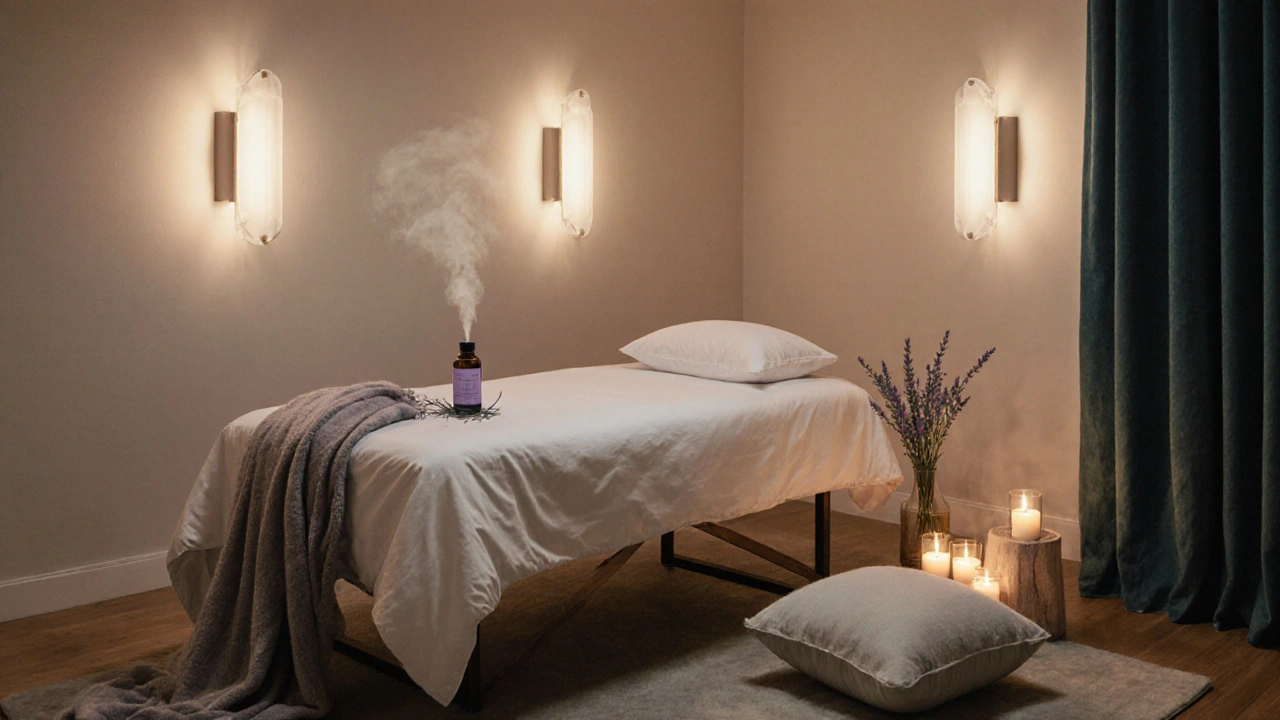
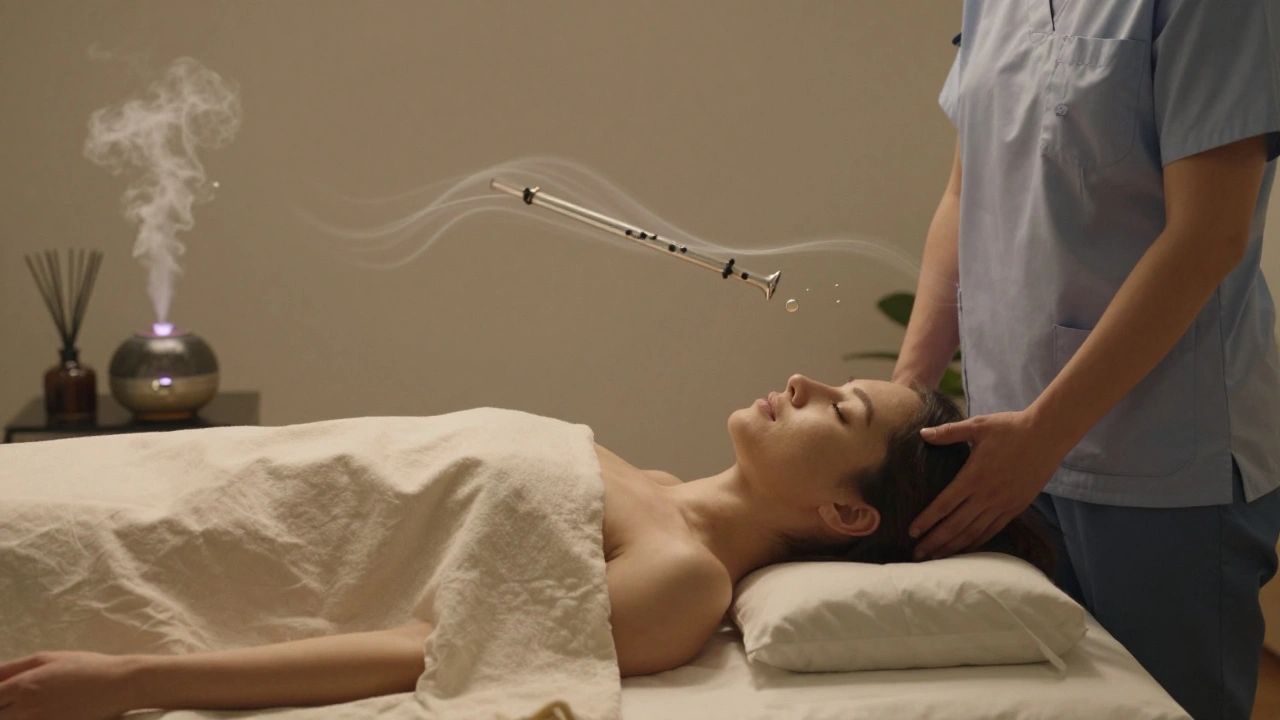
Here’s how it usually goes. You’ll arrive at a quiet, softly lit room. No loud music. Just gentle ambient sound-maybe rain, or a single flute. The therapist will ask you to undress to your comfort level. Most people keep their underwear on. You’ll lie on a warm, padded table covered with clean sheets.
Before they start, they’ll explain everything. No surprises. They’ll tell you how the session flows, how long it lasts (usually 60-90 minutes), and what kind of oil they’re using (always natural-coconut, almond, or jojoba). Then they’ll leave the room so you can get comfortable under the sheets.
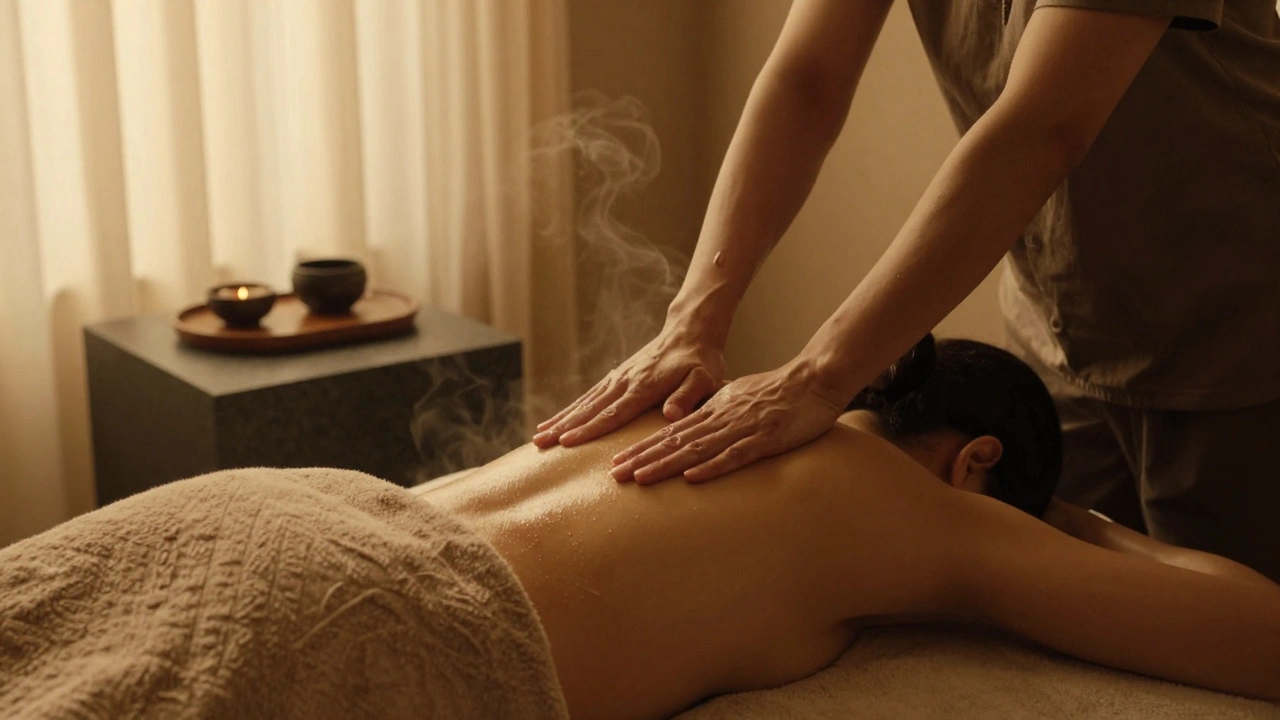
When they return, they’ll begin with light strokes along your back. The touch is warm, slow, and intentional. No sudden moves. No quick rubs. It’s more like a wave rolling over you. As the session goes on, they’ll use their forearm to glide from your shoulders down to your hips. Later, they might use their leg to gently press along your spine. All of it is done with control. Always.
You’ll feel warmth spreading through your muscles. Your breathing will slow. Your jaw will drop. And before you know it, you’re not thinking about your to-do list. You’re just… there.
How It’s Different From Other Massages
Let’s be clear: body to body massage is not deep tissue. It’s not Swedish. It’s not Thai. It’s its own thing.
- Swedish massage uses hands only. It’s great for relaxation, but it’s segmented-you feel the hand, then the pause, then the next hand movement.
- Deep tissue digs into knots. It’s intense, sometimes painful. Body to body doesn’t dig. It flows.
- Thai massage involves stretching and pressure points. You’re fully clothed. Body to body is oil-based, skin-to-skin (with clothing), and completely passive.
Body to body massage is about continuity. It’s about the therapist becoming an extension of the warmth, not just a tool. You don’t feel separate from the touch-you feel wrapped in it.
Where to Find It in Amsterdam
Amsterdam has a long history of sensual wellness practices. The city’s open culture makes it one of the few places in Europe where body to body massage is widely available-and done with professionalism and care. You won’t find it in random spas. But you’ll find it in quiet, private studios tucked into canal-side buildings or tucked behind flower shops in the Jordaan district.
Look for places that list “body to body massage” clearly on their website. Avoid places that use vague terms like “sensual” or “intimate” without explaining the technique. Legitimate studios describe the process, show photos of the room (not the therapist), and list credentials. Many therapists are trained in somatic therapy, yoga, or energy work. That’s a good sign.
Some trusted studios in Amsterdam include:
- The Stillness Studio (Jordaan) - Focuses on mindfulness and slow flow.
- Velvet Touch (De Pijp) - Known for high-end oils and candlelit rooms.
- Harmony House (Amstel) - Offers 90-minute sessions with guided breathing.
Bookings are usually done online. Most require a consultation call first. That’s normal. It’s not a sales pitch-it’s to make sure the experience is right for you.
What It Costs
Prices in Amsterdam range from €90 to €160 for a 60-minute session. Longer sessions (90 minutes) are usually €130-€190. Why the range? It depends on the therapist’s experience, the studio’s location, and whether they offer extras like aromatherapy or post-session tea.
Don’t go for the cheapest option. Body to body massage relies on skill, not speed. A therapist who’s done 500+ sessions will move differently than someone who’s done 50. You’re paying for presence, not just time.
Most places accept cash or card. No tips are expected-but if you feel moved, a small note of thanks means a lot.
Safety and Boundaries
This is the most important part. Body to body massage is not sexual. Ever. Legitimate therapists follow strict ethical codes. They never initiate contact with private areas. They don’t make suggestive comments. They don’t ask you to touch them. If anything feels off, you have full permission to stop. Right then. No questions asked.
Here’s what to look for:
- The therapist leaves the room while you undress.
- They wear a thin, professional garment (never nothing).
- They explain boundaries before the session begins.
- You’re never alone with them outside the treatment room.
If any of these are missing, walk out. Your comfort is non-negotiable.
Body to Body vs. Traditional Massage
| Feature | Body to Body Massage | Traditional Massage (Swedish/Deep Tissue) |
|---|---|---|
| Body Part Used | Forearms, legs, hips, hands | Hands only |
| Pressure Type | Even, flowing, broad | Focused, localized |
| Oils Used | Always natural oils | Often synthetic or unscented |
| Therapist Clothing | Thin, fitted garment | None (or scrubs) |
| Session Pace | Slow, meditative | Variable-sometimes fast |
| Emotional Response | Common: tears, laughter, deep calm | Usually just relaxation |
Frequently Asked Questions
Is body to body massage sexual?
No. Legitimate body to body massage is a therapeutic practice focused on deep relaxation and nervous system regulation. Therapists are trained professionals who follow strict ethical guidelines. The use of body contact is purely for pressure distribution and warmth-not arousal. Any suggestion otherwise is either misinformation or from an unlicensed provider.
Do I have to be naked?
No. You can keep your underwear on. Most people do. The therapist will work around clothing. The oil is applied to exposed skin, but only where you’re comfortable. Your boundaries are respected-always.
Can men receive body to body massage?
Absolutely. Men are just as likely to benefit from this technique. Many come because they’re physically tense from work or sports. The massage helps release deep muscle holding patterns that hands alone can’t reach. Some studios have male therapists available if that’s your preference.
How often should I get it?
Once a month is ideal for most people. If you’re under high stress, once every two weeks can help reset your nervous system. But don’t overdo it. This isn’t a routine spa treatment-it’s a deep reset. Too much too soon can leave you feeling emotionally raw. Listen to your body.
What if I feel awkward or embarrassed?
It’s normal. Almost everyone feels that way at first. The therapists have seen it all. They don’t judge. They’re trained to help you relax, not to make you feel self-conscious. If you’re nervous, tell them. Many will adjust the pace, dim the lights more, or even start with just your back. You’re in control.
Ready to Try It?
If you’ve been carrying stress in your shoulders, your lower back, or even your jaw-you owe it to yourself to try this. Body to body massage doesn’t fix your life. But it gives you a space to breathe again. To feel held. To remember what it’s like to be soft.
Start with a 60-minute session. Book it. Show up. Let go. You might not understand why it works-but your body will. And that’s enough.