Why Massage in Amsterdam is the Perfect Stress Reliever
You’ve had one of those weeks. The kind where your shoulders are locked up, your brain won’t shut off, and even your coffee tastes like regret. You’re not alone. In Amsterdam, where the canals never sleep and the city hums with deadlines, bikes, and boerenkool, stress doesn’t just visit-it moves in. But here’s the quiet secret: massage in Amsterdam isn’t just a luxury. It’s a lifeline.
What Makes Massage in Amsterdam Different?
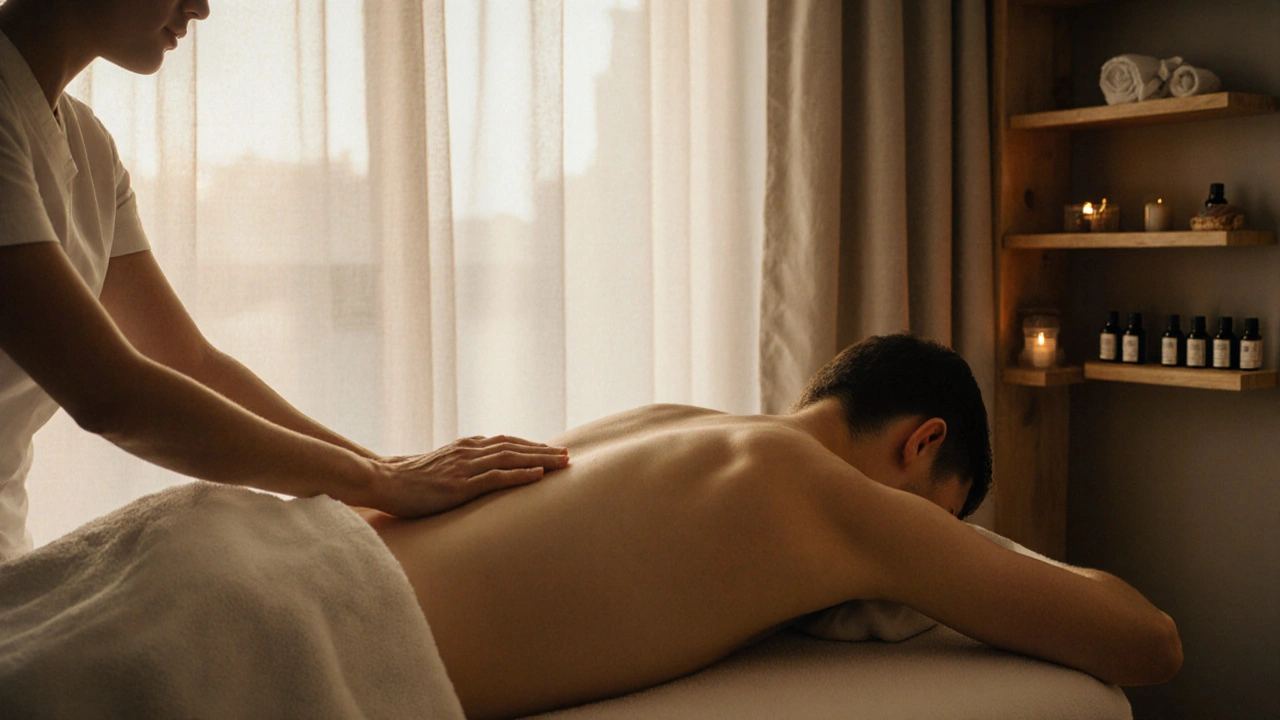
It’s not just about hands kneading your back. It’s about the whole experience. Amsterdam’s massage scene blends Dutch pragmatism with global techniques, creating something uniquely calming. You won’t find overpriced spas with glittering chandeliers and no real results. Instead, you’ll walk into a quiet room in a Jordaan apartment, smell lavender and eucalyptus, and feel the tension start to melt before your head even hits the pillow.
Therapists here don’t just follow a script. They listen. They notice how you hold your jaw. They adjust pressure based on your breathing. In a city where everyone speaks five languages, the silence between therapist and client becomes the real language.
Why Massage Works for Stress (Science Says So)
Let’s cut through the fluff. Stress isn’t just "feeling tired." It’s cortisol flooding your system, your muscles tightening like steel cables, your sleep getting wrecked. A 2023 study from the University of Amsterdam showed that after just one 60-minute massage, participants had an average 31% drop in cortisol levels. That’s not placebo. That’s biology.
Massage also stimulates your vagus nerve-the quiet hero of your nervous system. When it’s activated, your body switches from "fight or flight" to "rest and digest." Your heart slows. Your digestion improves. You actually start to breathe deeper. And yes, you might even forget why you were mad at your boss.
Types of Massage You’ll Find in Amsterdam
Not all massages are created equal. Here’s what’s actually available-and what works best for stress:
- Swedish Massage - Gentle, flowing strokes. Perfect if you’re new to massage or just need to unwind. Think of it as a warm hug for your muscles.
- Deep Tissue Massage - Targets chronic tension. If your neck feels like it’s holding a brick, this is your fix.
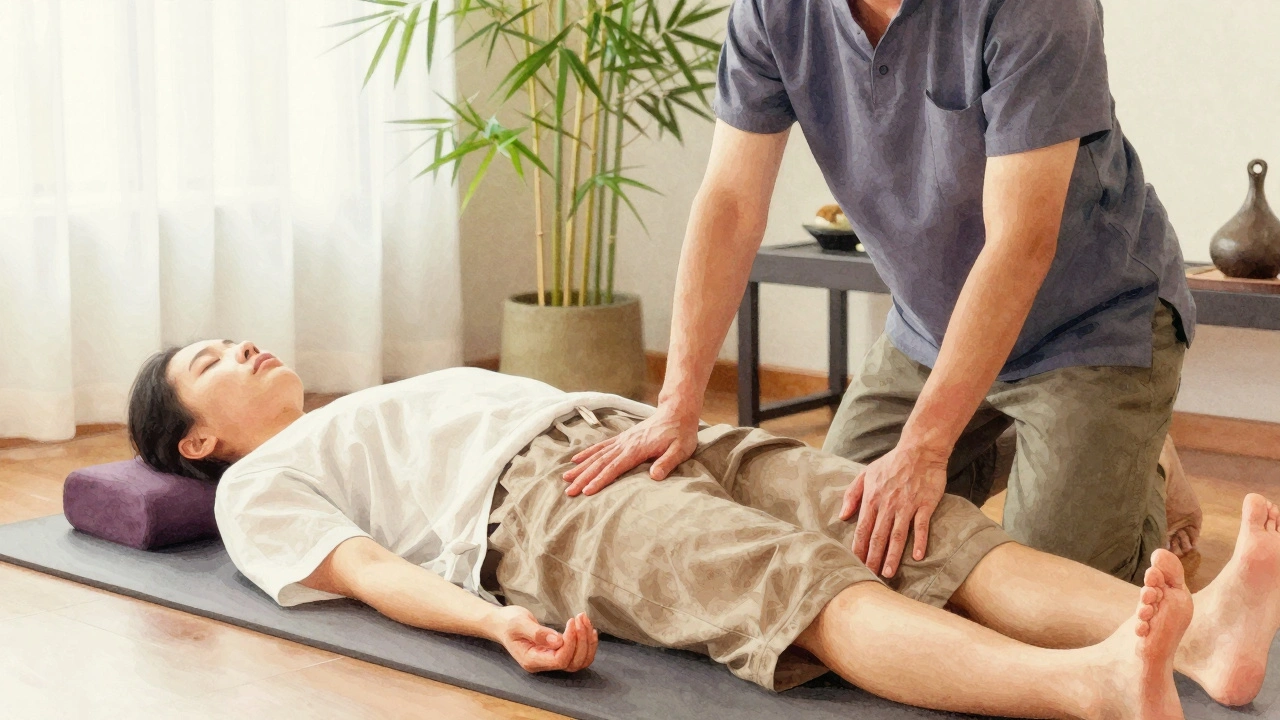
- Thai Massage - No oil, no table. You stay dressed. The therapist uses hands, elbows, and feet to stretch and compress your body. Feels like yoga with a human guide.
- Lymphatic Drainage Massage - Super light pressure. Helps flush out toxins and reduces swelling. Great if you’re feeling bloated, sluggish, or emotionally heavy.
- Tantra Massage - Not what you think. It’s slow, mindful, and focused on energy flow, not romance. Many find it deeply grounding after emotional burnout.
Most places in Amsterdam offer a mix. Ask for a "stress-relief session"-they’ll tailor it. No need to know the jargon.
Where to Find the Best Massage in Amsterdam
You don’t need to book a five-star hotel spa. Some of the best sessions happen in unmarked doors in De Pijp or hidden courtyards in the Nine Streets.
- Jordaan - Quiet, residential. Think cozy studios with wooden floors and candlelight. Great for deep relaxation.
- De Pijp - More diverse options. Many therapists here blend Dutch techniques with Indonesian or Thai traditions.
- Amsterdam North - Less touristy, more local. You’ll find affordable sessions with therapists who’ve been doing this for 15+ years.
- Canal Belt - If you want luxury, this is where the high-end spas live. But don’t assume they’re better. Some of the most skilled therapists work out of small, unassuming rooms here.
Pro tip: Skip the Google ads. Look for therapists with 50+ reviews mentioning "stress relief" or "felt calm afterward." Real people notice real results.
What to Expect During Your First Session
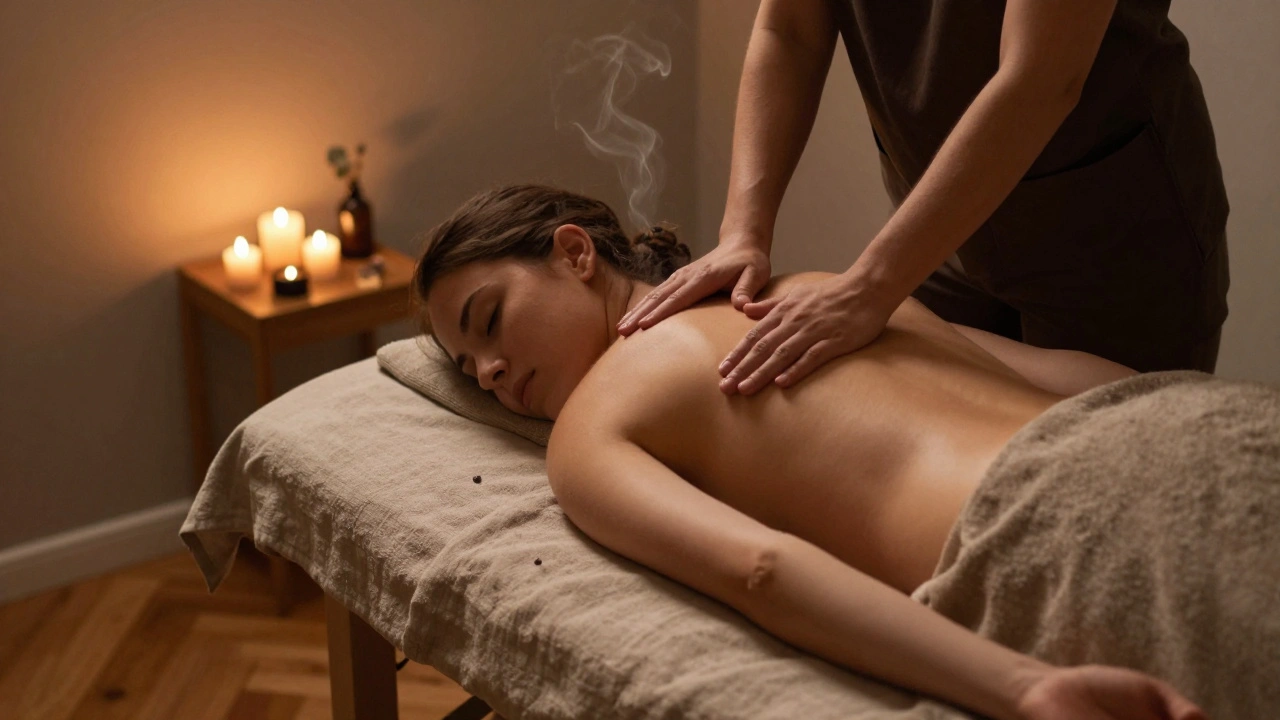
Walk in. Take off your shoes. They’ll hand you a warm towel. You’ll lie on a padded table, covered with a blanket. Music? Soft. Lights? Low. The room smells like chamomile and cedar.
The therapist will ask how you’re feeling-not just physically, but emotionally. That’s normal here. They’re not just treating muscles. They’re treating a person.
Pressure? You say. Too light? Tell them. Too hard? Say it again. There’s no ego here. A good therapist wants you to leave feeling like you’ve been reset, not bruised.
After? You might feel a little spacey. That’s normal. Drink water. Don’t jump on your bike right away. Let your body settle.
How Much Does It Cost? No Surprises
Prices in Amsterdam are clear, fair, and mostly flat:
- 60 minutes: €65-€85
- 90 minutes: €90-€120
- 120 minutes: €130-€160
Some places offer discounts for first-time clients or booking a series. Don’t be afraid to ask. Many therapists will give you a 10% off if you mention you’re new.
Insurance? Some Dutch health insurers cover massage if it’s prescribed for chronic stress or muscle pain. Check with your provider. Even if they don’t cover it, think of it as preventative healthcare. One session a month might save you from burnout-and a doctor’s bill.
Safety First: What to Watch Out For
Amsterdam is safe, but not every massage studio is legit.
- Don’t go to places that advertise "erotic services" or use suggestive photos. Real therapists don’t need to hint.
- Check if they’re registered with the Dutch Association for Massage Therapists (NVMT). Their website lists verified professionals.
- Always confirm the session type before you start. If they suddenly switch to something you didn’t agree to, stop. You have the right.
- Hydrate after. Dehydration after massage can make you feel worse, not better.
Most therapists here are licensed, experienced, and quietly proud of their work. You’re not a customer. You’re a person who needs to feel human again.
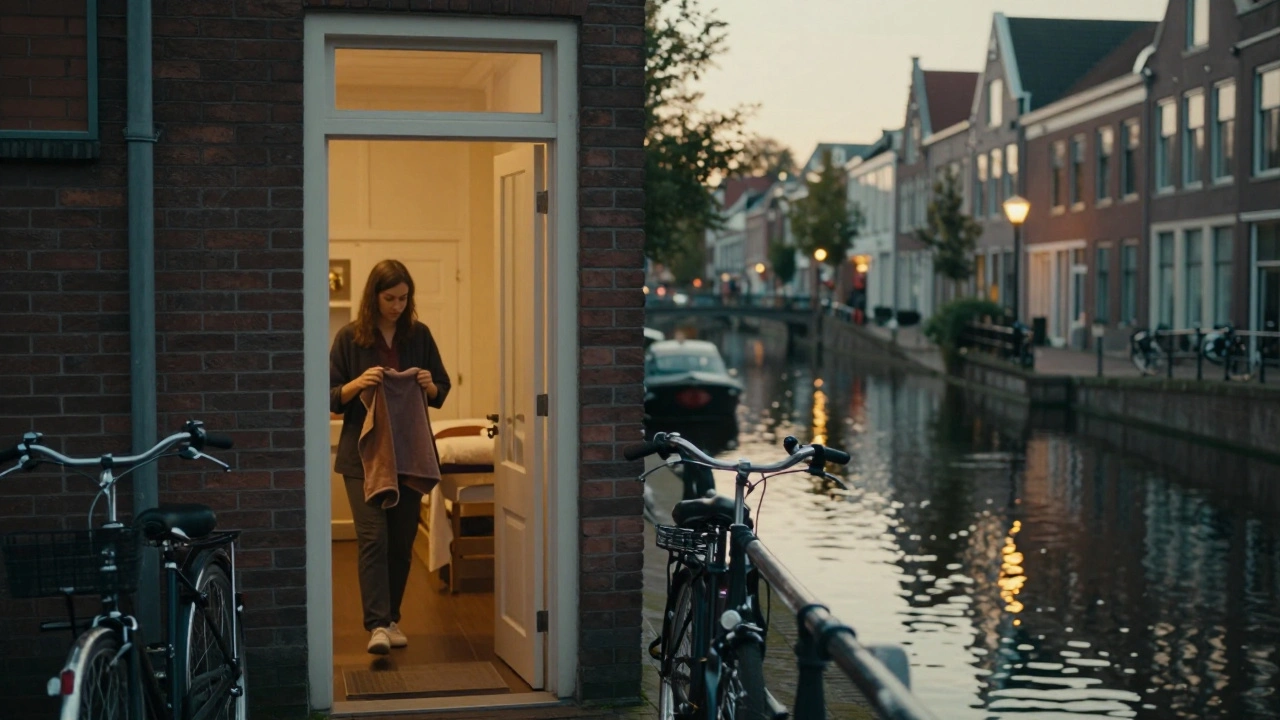
Massage in Amsterdam vs. Home Massage
| Aspect | Massage in Amsterdam | Home Massage |
|---|---|---|
| Environment | Calming, distraction-free, designed for relaxation | Often interrupted by pets, kids, or chores |
| Therapist Skill | Trained, experienced, uses multiple techniques | Usually a friend or partner with limited training |
| Equipment | Professional table, heated pads, quality oils, aromatherapy | Bed, pillow, maybe a bottle of coconut oil |
| Results | Deep, lasting stress reduction; measurable cortisol drop | Temporary relief; often doesn’t reach deeper tension |
| Cost | €65-€160 per session | Free or low cost |
Home massages are sweet. But if your stress is chronic, you need more than a back rub from someone who’s also trying to microwave dinner.
Frequently Asked Questions
Can I get a massage in Amsterdam if I don’t speak Dutch?
Absolutely. Most therapists speak fluent English, and many also speak German, French, or Spanish. You’ll rarely need to say a word in Dutch. Just point to where it hurts, and they’ll know.
How often should I get a massage for stress relief?
Once a month is ideal for most people. If you’re in a high-stress phase-like a big project, breakup, or move-once every two weeks helps. Think of it like brushing your teeth: regular maintenance keeps things from breaking down.
Is massage safe if I have a medical condition?
Most conditions are fine, but always tell your therapist. If you’re pregnant, have high blood pressure, or are recovering from surgery, they’ll adjust the technique. Avoid deep pressure if you have osteoporosis or blood clots. A good therapist will ask you these questions anyway.
What should I wear?
You’ll be covered with a towel the whole time. Most people wear underwear. Some prefer to be fully undressed. It’s your call. The therapist leaves the room while you get settled. No judgment. No rush.
Can I book a same-day massage in Amsterdam?
Yes, but it’s not guaranteed. Popular therapists book up 3-5 days ahead. If you need it urgently, try smaller studios in De Pijp or Amsterdam North-they’re more flexible. Walk-ins are rare, but calling early in the morning (before 9 AM) gives you the best shot.
Ready to Breathe Again?
Stress doesn’t vanish with a single massage. But in Amsterdam, it doesn’t have to win, either. Every session is a reset button. A reminder that you’re allowed to slow down. That your body deserves care, not just productivity.
You don’t need to wait until you’re broken to try it. Book that first session. Lie down. Breathe. Let someone else hold the weight for an hour. You’ve earned it.