Unwind and Recharge: The Magic of Body to Body Massage
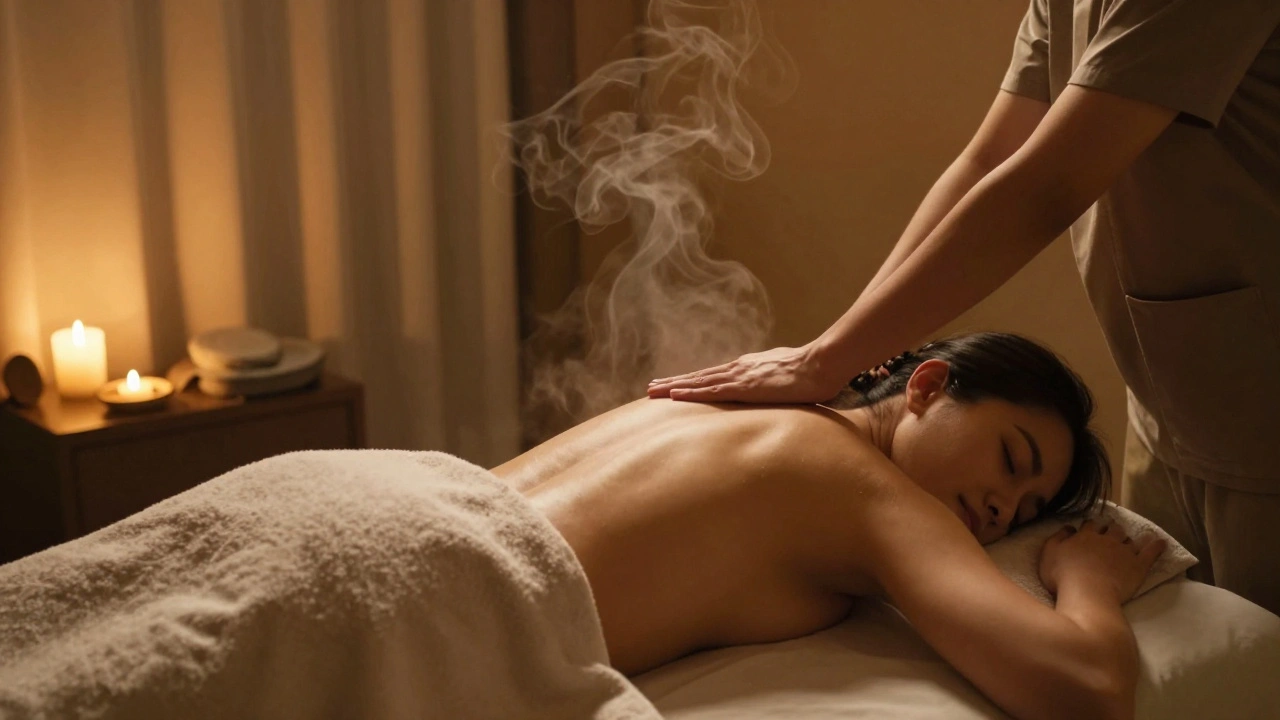
You know those days when your mind is racing, your shoulders are tight, and no amount of scrolling or coffee seems to reset you? What if the answer wasn’t another app or a longer nap-but a slow, intentional touch that moves through your skin, muscles, and into your nervous system? That’s the quiet magic of body to body massage.
What Exactly Is Body to Body Massage?
Body to body massage isn’t just another type of massage-it’s an experience where the therapist uses their own body, not just hands, to apply pressure, glide, and rhythm. Think of it like a warm, flowing dance between two people: the therapist moves with their forearms, elbows, hips, or even feet, using natural oils to create a seamless, full-body connection. It’s not about romance or sex-it’s about deep, embodied relaxation.
Unlike traditional hand-only massages, body to body work allows for broader, more consistent pressure. The therapist’s body weight distributes pressure evenly, making it easier to reach deep layers of tension without straining their hands. This technique has roots in ancient traditions like Thai massage and Hawaiian Lomi Lomi, but today’s version blends mindfulness, therapeutic intention, and sensory awareness.
Why It Feels So Different (And So Good)
When your skin is touched with warmth, rhythm, and presence, your nervous system doesn’t just relax-it resets. Studies show that sustained, slow touch lowers cortisol by up to 31% and boosts oxytocin, the bonding hormone. In a body to body session, you’re not just getting a massage-you’re receiving a signal from your environment that says, “You’re safe. You’re held.”
One client, Maria, told us she came in after three sleepless weeks. “I didn’t even realize how much I was holding my breath until the therapist’s forearm pressed along my spine. I started crying-not from sadness, but because I finally felt like I could let go.” That’s the power of touch that’s both strong and soft at the same time.
What Happens During a Session?
Here’s what you can expect, step by step:
- You’ll be asked to undress to your comfort level and lie on a warm, padded table covered with towels.
- The room will be dim, quiet, and heated-usually around 28°C (82°F)-to help your muscles soften.
- The therapist will begin with light strokes using their hands, then gradually introduce their body: forearms gliding down your back, hips rocking gently against your legs, or feet tracing the soles of yours.
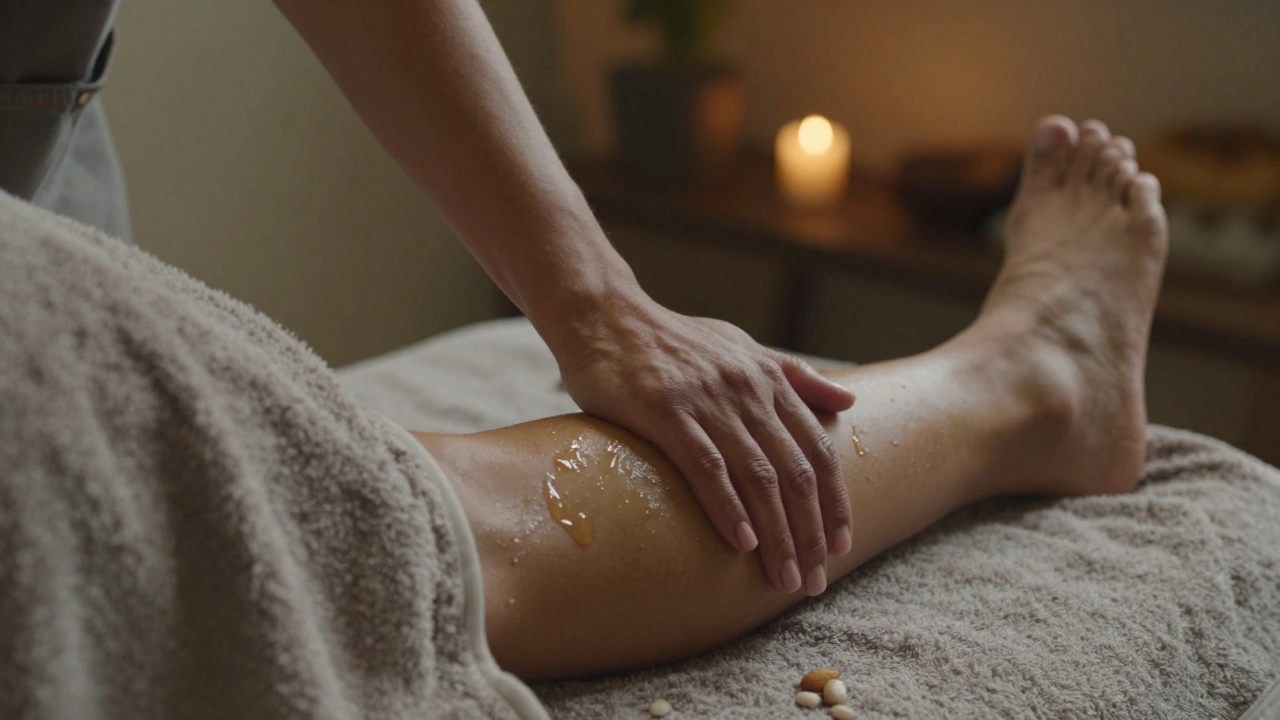
- Oils are warmed and applied-usually coconut, almond, or jojoba-so everything moves like silk.
- You’ll be guided to breathe deeply. Many people fall asleep. Some laugh. Others stay completely silent. All are valid.
- The session ends with you wrapped in a warm blanket, sipping herbal tea, and slowly coming back to the room.
There’s no clock ticking. No rush. The whole experience lasts between 60 and 90 minutes, and most people say they feel like they’ve been on vacation for a week-even if they only left their house for an hour.
Who Is This For?
Body to body massage isn’t just for people looking for “something different.” It’s for:
- Anyone who’s chronically stressed-think overworked parents, entrepreneurs, nurses, or teachers.
- People with muscle tension that hand massage can’t reach-like deep hip rotators or thoracic spine stiffness.
- Those recovering from trauma or emotional burnout, where gentle, non-invasive touch helps rebuild trust in their own body.
- Anyone who’s ever thought, “I need to feel something real again.”
It’s not for everyone. If you’re uncomfortable with skin-to-skin contact, or if you’ve had negative experiences with touch in the past, this might not be right for you. And that’s okay. There’s no pressure.
Body to Body vs. Traditional Massage: What’s the Difference?
| Feature | Body to Body Massage | Traditional Hand Massage |
|---|---|---|
| Pressure Application | Uses therapist’s body weight-softer, broader, more even | Relies on hands and fingers-can be more localized or intense |
| Touch Surface | Forearms, elbows, hips, feet | Hands only |
| Oil Use | Generous, continuous glide | Minimal to moderate |
| Duration of Contact | Long, flowing strokes (5-10 seconds per movement) | Shorter, segmented movements |
| Nervous System Impact | Stronger parasympathetic response-deeper relaxation | Moderate relaxation |
| Best For | Chronic stress, emotional release, deep tissue release | Targeted pain relief, sports recovery, quick sessions |
How to Find a Reputable Body to Body Massage Provider
Not every spa offers this. And not every therapist trained in massage knows how to do it safely and ethically. Here’s how to find the right one:
- Look for therapists who specialize in “therapeutic sensual massage” or “embodied relaxation”-not “erotic” or “romantic.” Legitimate providers avoid those terms.
- Check reviews that mention “professional,” “calm,” and “non-sexual.” Avoid places with vague or overly suggestive language.
- Ask if they’re certified in bodywork modalities like Thai massage, Lomi Lomi, or somatic therapy. Real practitioners have formal training.
- Book a consultation first. A good provider will talk to you about boundaries, comfort levels, and what to expect-no pressure, no rush.
- Trust your gut. If something feels off, it is. Walk away.
In cities like Amsterdam, Berlin, or Portland, you’ll find dedicated studios that focus on this work. Don’t settle for a spa that offers it as a side service-it’s not the same.
What It Costs and How to Book
Don’t be fooled by cheap deals. A proper body to body massage takes skill, training, and time. In most cities, you’re looking at:
- 60 minutes: €80-€120
- 90 minutes: €120-€180
Some places offer packages-three sessions for the price of two. That’s a smart way to start if you’re new. Booking is usually done online or by phone. Most providers require a 24-hour cancellation policy. No surprises. No hidden fees.

Safety and Boundaries: What You Need to Know
This isn’t just about physical safety-it’s about emotional safety too. Here’s how to protect yourself:
- You are always in control. You can say “stop” at any time. No judgment.
- Therapists wear underwear or a wrap. You can wear underwear too-or go nude, whichever you prefer. Your choice, always.
- There is no sexual contact. Ever. Legitimate providers have strict ethical codes.
- Aftercare is part of the service. You should never be left alone feeling shaken or confused.
- Therapists should never initiate conversation about your personal life unless you bring it up.
If someone tries to cross a boundary, report it. Reputable studios have clear reporting systems. Your comfort isn’t optional-it’s the foundation.
What Happens After Your First Session?
Most people feel light. Calm. A little emotional. Some cry. Others feel strangely energized. That’s normal. Your nervous system has been through a reset.
Drink water. Rest if you can. Avoid screens for an hour. Don’t rush back into your day. Let the calm settle.
Many people come back after a week, then every few weeks. It’s not addictive-it’s necessary. Like sleep. Like food. Your body remembers what it feels like to be truly held.
Frequently Asked Questions
Is body to body massage the same as erotic massage?
No. Body to body massage is a therapeutic, non-sexual practice focused on deep relaxation and nervous system regulation. Ethical providers follow strict boundaries and professional codes. Erotic massage involves sexual stimulation and is illegal in many places. Always check the provider’s credentials and reviews to ensure you’re choosing a legitimate, therapeutic service.
Do I have to be naked?
No. You can wear underwear or a towel if you prefer. The therapist will drape you with towels at all times, revealing only the area being worked on. Most people choose to be fully nude for the full experience, but your comfort level always comes first.
Can men receive body to body massage too?
Absolutely. Men benefit just as much as women. Many men come in after long workdays, emotional stress, or physical injuries. The massage is tailored to your body, regardless of gender. Therapists are trained to work with all body types and needs.
How often should I get a body to body massage?
It depends on your needs. Some people come once a month to stay grounded. Others, especially those in high-stress jobs, come every two weeks. If you’re healing from trauma or burnout, weekly sessions for 4-6 weeks can be deeply transformative. Listen to your body-not your calendar.
Is this safe if I have a medical condition?
Most conditions are fine, but it’s important to disclose anything serious-like recent surgery, blood clots, pregnancy, or nerve damage. A good therapist will adjust pressure, avoid certain areas, or recommend you consult your doctor first. Never hide your health history. Safety is the priority.
Ready to Feel Your Body Again?
You don’t need to be broken to benefit from this. You just need to be tired. Overstimulated. Out of touch. Body to body massage doesn’t fix you-it reminds you that you’re still here, still alive, still worthy of deep, quiet care. It’s not a luxury. It’s a return to yourself.
Take the next step. Book a session. Give yourself permission to be held. Not because you deserve it after working hard-but because you deserve it, simply because you exist.


Cliff Levert
December 29, 2025 AT 02:08Okay, but let’s be real-this isn’t ‘therapy,’ it’s just expensive skin-on-skin cuddling with a certified human blanket… and don’t tell me it’s ‘non-sexual’-the entire premise is a velvet-rope loophole for sensual gratification under the guise of ‘nervous system regulation.’ You’re selling intimacy as a service, and yes, I’m skeptical. Also: why is everyone crying? Did you all just discover oxytocin in 2024? I’ve had a dog lick my face after a bad day-it’s cheaper, and the dog doesn’t charge €180.
Chris Hogan
December 29, 2025 AT 11:38Let me dissect this with clinical precision: the entire paradigm of body-to-body somatic modulation is predicated on a neo-tribal reclamation of epidermal communion as a counter-hegemonic act against neoliberal alienation. The therapist’s corporeal interface-forearms, hips, even pedal pressure-functions as a bio-energetic conduit for parasympathetic recalibration, bypassing cognitive overdrive and activating the limbic archive of primal safety. This isn’t massage. It’s epigenetic reprogramming via hydrocarbon-infused dermal entrainment. And if you’re still clinging to ‘hand-only’ modalities? You’re still stuck in the Industrial Age of touch-deprivation capitalism.
Michael Thompson
December 30, 2025 AT 11:35I’ve done this twice. First time? I cried so hard I had to ask for a towel. Second time? I fell asleep and woke up with a blanket on me and tea beside me. No weird vibes. No pressure. Just quiet, warm, human presence. If you’re scared, start with a 60-min session. Wear underwear. Say ‘stop’ anytime. The therapist? They’ve seen it all. They’re not judging you. They’re just holding space. 🙏
BRIAN KING
December 30, 2025 AT 16:15So i was kinda skepitcal at first but then i tried it after my dad passed and wow. i didnt even know i was holding my breath for 3 years. the oil was so warm and the way they used their forearm along my spine… like someone finally hugged my skeleton. dont overthink it. just try it. my fingers are still tingling. ps: i think i spelled ‘skepitcal’ wrong but you get the point
mark roberts
December 31, 2025 AT 17:25Hey Cliff, I get your skepticism-honestly, I thought the same thing until I tried it. But here’s the thing: it’s not about sex, it’s about safety. In a world where we’re all glued to screens and told to ‘push through,’ this is one of the few places you’re allowed to just… be. No performance. No answers. Just warmth. And Brian? You nailed it. Sometimes you don’t need a diagnosis-you just need to feel held. Thanks for saying that.