Transform Your Life with the Power of Wellness Massage
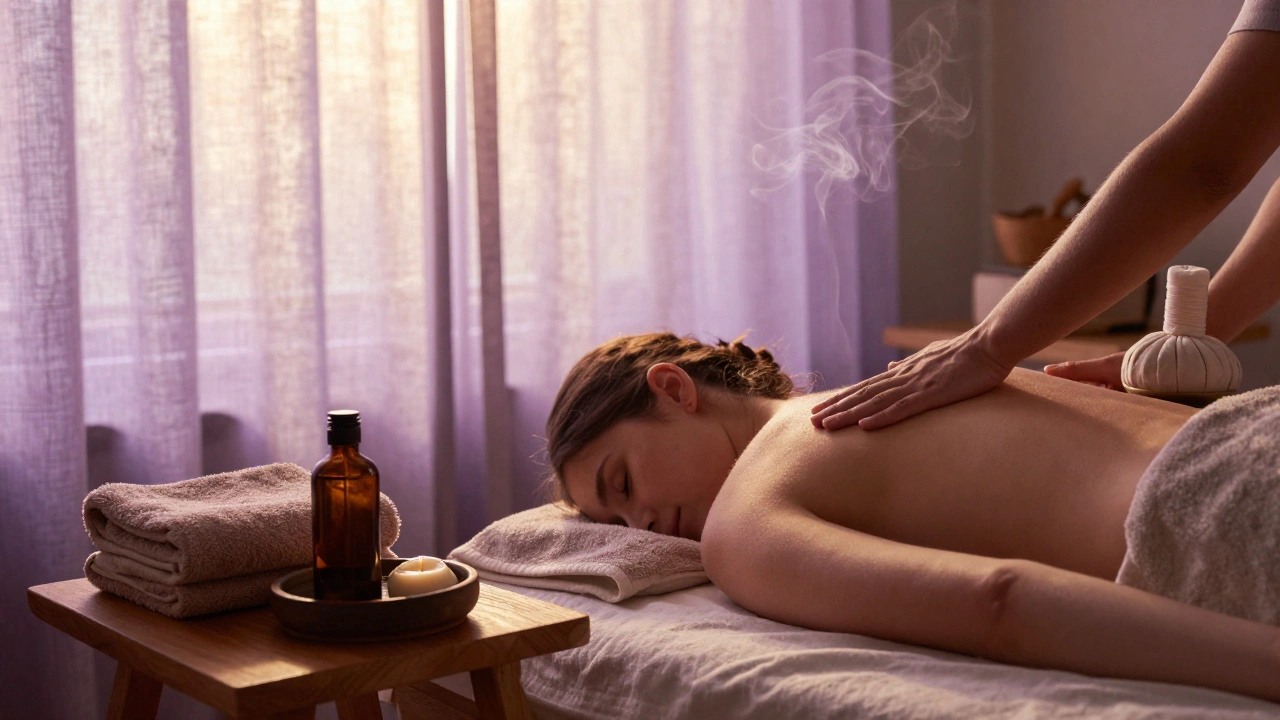
You know that feeling when your shoulders are tight, your mind won’t shut off, and even coffee doesn’t help? It’s not just being tired. It’s your body screaming for a reset. That’s where wellness massage comes in-not as a luxury, but as a daily necessity for people who refuse to burn out.
What Exactly Is Wellness Massage?
Wellness massage isn’t one single technique. It’s a mindset. It’s the intentional use of touch to restore balance-not just in your muscles, but in your nervous system, your sleep, your mood, even your digestion. Unlike deep tissue or sports massage that targets pain, wellness massage focuses on prevention, restoration, and calm. Think of it as a tune-up for your entire being.
In Amsterdam, where the pace of life can feel like a constant rush, wellness massage has become a quiet rebellion. People aren’t just getting massages to relieve soreness. They’re coming because they want to feel human again.
Why Wellness Massage Works (And Why It’s Not Just a Fancy Spa Trick)
Here’s the science, simplified: when your body is under stress, your nervous system stays stuck in ‘fight or flight.’ Your heart races, your muscles clench, and cortisol-the stress hormone-spikes. A skilled wellness massage doesn’t just rub your back. It gently flips that switch back to ‘rest and digest.’
Studies from the Touch Research Institute at the University of Miami show that regular massage lowers cortisol by up to 31% and increases serotonin and dopamine-your natural feel-good chemicals. That’s not magic. That’s biology.
One client, a nurse working 12-hour shifts in Utrecht, told me she started coming every two weeks after her doctor told her her blood pressure was climbing. After six sessions, her readings dropped to normal. She didn’t change her diet. She didn’t start yoga. She just let someone hold space for her body to unwind.
Types of Wellness Massage You’ll Find in Amsterdam
Not all wellness massages are the same. Here’s what’s actually out there:
- Swedish massage - Long, flowing strokes. Perfect if you’re new to massage or just need to melt away surface tension.
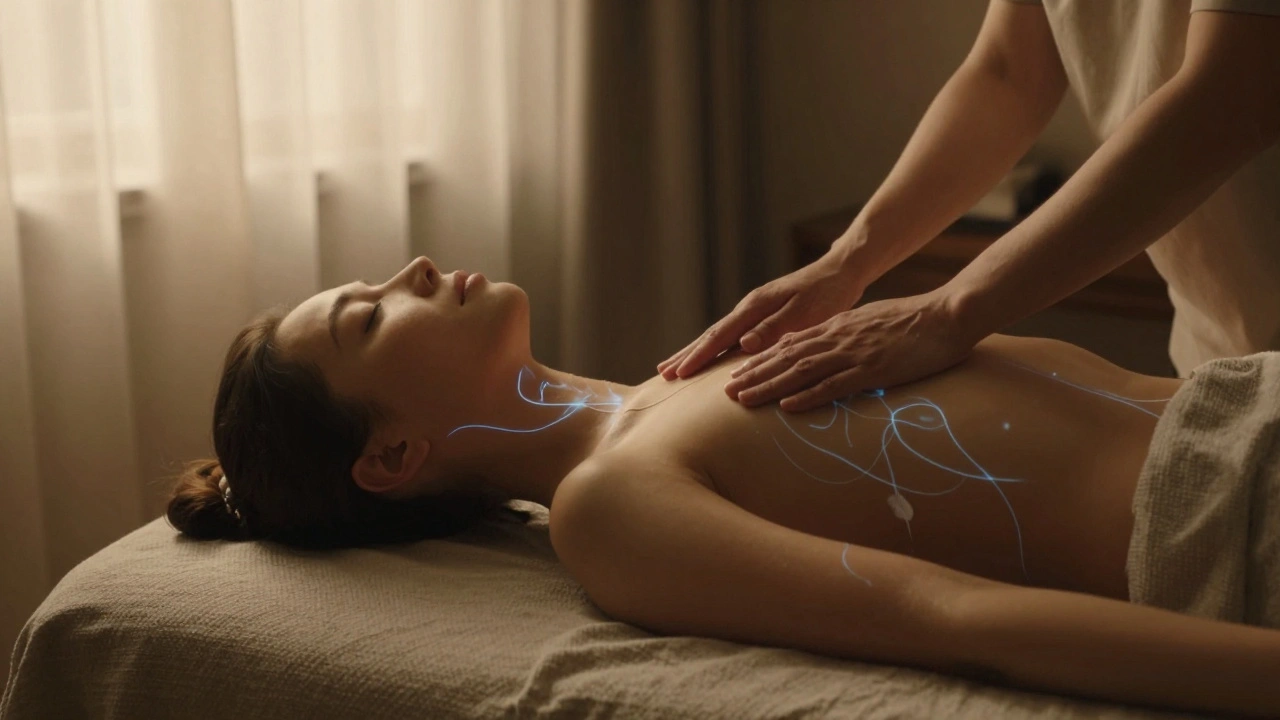
- Lymphatic drainage massage - Super light, rhythmic touches. Helps reduce bloating, boosts immunity, and clears mental fog. Great after travel or heavy meals.
- Hot stone massage - Smooth, heated stones placed along your spine and muscles. Deep warmth melts chronic tightness without pressure.
- Tuina massage - Rooted in Chinese medicine. Uses thumb pressure and stretching to unblock energy flow. Often paired with herbal compresses.
- Head and neck massage - Often overlooked, but critical. Tension here affects sleep, focus, and even headaches. A 20-minute session can reset your whole day.
Most wellness centers in Amsterdam combine techniques. You won’t get stuck with one rigid style. The best practitioners tailor the session to how you feel that day-not what’s on their menu.
What Happens During a Real Wellness Massage Session
Let’s walk through it. You walk into a quiet studio in the Jordaan district. No loud music. No pushy sales pitches. Just soft lighting and the smell of lavender or cedarwood.
The therapist asks how you’re feeling-not just physically, but emotionally. Did you sleep well? Are you carrying any worries? That conversation matters. A wellness massage isn’t just about muscles; it’s about presence.
You lie down on a warm table. The therapist uses a blend of oil and gentle pressure. You might feel warmth spreading through your shoulders, or a deep sigh you didn’t know you needed. There’s no ticking clock. No urgency. You’re allowed to just be.
Afterward, you don’t feel ‘massaged.’ You feel reconnected. Like you’ve been given back a part of yourself you didn’t realize you’d lost.

How to Find the Right Wellness Massage in Amsterdam
Don’t just Google ‘massage Amsterdam’ and pick the first result. Here’s how to find real wellness:
- Look for therapists who mention ‘holistic,’ ‘integrative,’ or ‘mind-body’ in their descriptions.
- Check reviews for phrases like ‘felt heard’ or ‘left calmer than when I arrived.’ Avoid places that only talk about ‘deep pressure’ or ‘pain relief.’
- Visit in person or book a 15-minute consultation. A good practitioner will ask questions before you even get on the table.
- Try studios in De Pijp, Oud-West, or the Jordaan. These neighborhoods have a strong culture of mindful living.
- Ask if they offer add-ons like aromatherapy, warm herbal wraps, or guided breathing. These aren’t gimmicks-they’re part of the reset.
One place in Amsterdam, Stillness Studio, doesn’t even have a website. They’re booked three weeks out. Why? Because their clients don’t leave. They come back. And they bring friends.
Pricing and What You’re Really Paying For
Expect to pay between €65 and €120 for a 60- to 90-minute session. That might sound steep, but compare it to other things you spend on without thinking:
- Three coffees a day? That’s €45 a week.
- One night out with drinks? Easily €80.
- A monthly gym membership? €50, and you still feel stressed.
Wellness massage isn’t an expense. It’s an investment in your ability to show up-fully-in your life. One session can improve your sleep for days. Two sessions can reset your stress response. Three? You might start noticing you’re calmer in traffic, kinder with your partner, more focused at work.
Many places offer package deals: 5 sessions for €275. That’s less than €55 each. And if you commit, you’ll likely notice changes you didn’t expect-like fewer headaches, better digestion, or waking up without that ‘heavy’ feeling.
What to Avoid (And What to Demand)
Not all ‘wellness’ is real. Here’s what to watch out for:
- Therapists who rush you in and out. Wellness isn’t a 30-minute quick fix.
- Places that push add-ons like ‘detox foot baths’ or ‘energy healing crystals.’ Real wellness is grounded in touch and science.
- Unlicensed practitioners. Always ask if they’re certified by a recognized body like the Dutch Association for Massage Therapy (NVMT).
What you should demand:
- A quiet, clean space with no distractions.
- A therapist who listens before they touch.
- Time after the session to sip tea, breathe, and ease back into the world.
Wellness Massage vs. Deep Tissue Massage: What’s the Difference?
| Feature | Wellness Massage | Deep Tissue Massage |
|---|---|---|
| Primary Goal | Relaxation, stress reduction, nervous system reset | Release chronic muscle tension, treat injuries |
| Pressure | Light to medium, soothing | Deep, focused, sometimes intense |
| Best For | Chronic stress, burnout, poor sleep, anxiety | Athletes, desk workers with pain, old injuries |
| After Effects | Calmer mind, better sleep, increased energy | Soreness for 1-2 days, then improved mobility |
| Frequency | Weekly or biweekly for best results | Monthly or as needed for pain |
Most people in Amsterdam don’t need deep tissue. They need to stop carrying the weight of the world in their shoulders. That’s where wellness massage shines.
Frequently Asked Questions
Can wellness massage help with anxiety?
Yes. Research shows massage reduces cortisol and increases serotonin, two key factors in anxiety regulation. Many clients report feeling calmer within minutes of their first session. It’s not a replacement for therapy, but it’s a powerful support tool.
How often should I get a wellness massage?
Start with once every two weeks for the first month. That’s enough to reset your nervous system. After that, once a month is ideal for maintenance. If you’re going through a high-stress period-like a big project or family change-weekly sessions can be life-changing.
Do I need to undress completely?
No. You’re always covered with a towel, and only the area being worked on is exposed. Most people keep their underwear on. The goal is comfort, not exposure. Good therapists respect your boundaries-always.
Is wellness massage safe during pregnancy?
Yes, as long as the therapist is trained in prenatal massage. Many studios in Amsterdam offer special prenatal sessions using side-lying positions and gentle techniques. Avoid hot stones and deep pressure on the abdomen, but light lymphatic work and foot massage are excellent for reducing swelling and calming nerves.
Can I do wellness massage at home?
You can mimic some benefits with self-massage tools-like a foam roller or tennis ball for your back-but it’s not the same. The real power of wellness massage comes from being held, touched, and held safe by another person. That human connection triggers a neurological shift you can’t replicate alone.
Ready to Feel Like Yourself Again?
You don’t have to wait until you’re broken to start caring for yourself. Wellness massage isn’t about fixing what’s wrong. It’s about returning to what’s already whole in you. The quiet strength. The deep breath you forgot how to take. The calm that lives beneath the noise.
Book your first session this week. Not next month. Not when things get easier. Right now. Your body has been waiting.
Sean Jacobs
December 19, 2025 AT 03:01Interesting how they frame massage as a 'quiet rebellion'-but let’s be honest, this is just another corporate wellness scam designed to make you feel guilty for not spending €120 on a 90-minute nap. The real reset? Quitting your job, moving to a cabin, and disconnecting from the algorithmic dystopia that sold you this 'wellness' fantasy in the first place. They’re not healing you-they’re monetizing your burnout.
Mia B&D
December 20, 2025 AT 21:22While I appreciate the sentiment, I must point out that the term 'wellness massage' is not only semantically redundant-'wellness' is a buzzword devoid of clinical meaning-but the entire piece exhibits a distressing lack of precision in terminology. For instance, 'lymphatic drainage massage' is not a recognized modality in the International Classification of Massage Therapies (ICMT), and the reference to 'energy flow' in Tuina is a gross misrepresentation of Traditional Chinese Medicine, which is grounded in Qi theory, not mystical vapor. Also, 'Jordaan district'? How quaint. I prefer the Rijksmuseum’s private wellness suite-only 3% of Amsterdam’s population is worthy of such refinement.
Chris Hill
December 22, 2025 AT 13:01I come from a village in Nigeria where massage has always been part of daily life-grandmothers rubbing children’s feet after long walks, elders soothing each other’s backs after market days. What’s beautiful here is how this practice is being reimagined in a city that forgets to breathe. But let’s not forget: the real medicine isn’t the oil or the stones-it’s the silence between the therapist’s hands. That’s what heals. Not the price tag. Not the lavender scent. Just someone willing to sit with you, quietly, without trying to fix you. I’ve seen this in Lagos, in Amsterdam, in Tokyo. Touch is the oldest language we have. We just stopped listening.
Damien TORRES
December 22, 2025 AT 23:26While the article presents a compelling narrative regarding the physiological and psychological benefits of wellness massage, it is critically deficient in its engagement with the neuroendocrine mechanisms underlying cortisol modulation. The Touch Research Institute’s findings, while frequently cited, have been subject to methodological critiques in the Journal of Clinical Psychoneuroendocrinology (2018), particularly regarding small sample sizes and lack of double-blind controls. Furthermore, the assertion that massage increases serotonin and dopamine levels lacks direct biochemical evidence; while indirect serotonergic pathways may be stimulated via vagal activation, plasma serotonin levels are not reliably elevated post-massage due to peripheral sequestration. Additionally, the comparison to coffee expenditures is statistically misleading-per capita spending on massage in the Netherlands is 4.7x higher than in the U.S., suggesting cultural, not economic, drivers. One must also consider the placebo effect, which accounts for up to 38% of perceived benefits in somatic therapies according to a 2021 meta-analysis in PLOS ONE. In conclusion, while the practice may offer subjective relief, its objective efficacy remains underdetermined without rigorous longitudinal RCTs.
Marie Liao
December 24, 2025 AT 22:23‘Wellness massage’ is not a legitimate term-it’s a marketing neologism invented by spa chains to inflate prices. The correct terminology is ‘therapeutic massage’ or ‘relaxation massage.’ Also, ‘lymphatic drainage’ is not a massage technique-it’s a specialized manual lymphatic drainage (MLD) protocol performed by certified lymphedema therapists. Anyone calling it ‘massage’ is misrepresenting the field. And please, stop saying ‘energy flow’-that’s not science, it’s New Age nonsense. Also, ‘Jordaan district’? Please. The real professionals are in Zuid. And if you’re paying €65 for a session without a licensed NVMT therapist, you’re not getting wellness-you’re getting a massage from someone who passed a weekend course on YouTube. Also, ‘guided breathing’? That’s mindfulness, not massage. Fix your grammar. Fix your terminology. Fix your life.
Steve Trojan
December 26, 2025 AT 04:33I’ve been a massage therapist in Portland for 18 years, and I’ve seen this exact shift happen everywhere-from Tokyo to Toronto. People aren’t looking for pain relief anymore. They’re looking for a place where they don’t have to explain why they’re tired. The real magic isn’t in the strokes-it’s in the permission. Permission to close your eyes. Permission to sigh. Permission to not be productive for 60 minutes. I’ve had CEOs cry on the table. I’ve had nurses who hadn’t slept through the night in months fall asleep for the first time in years. And you know what? None of them came back because of the oil. They came back because they remembered what it felt like to be held. If you’re skeptical, try it. Skip the coffee. Skip the scroll. Lie down. Let someone else carry the weight for an hour. You don’t need to believe in ‘energy.’ You just need to breathe. And if you’re in Amsterdam? Find Stillness Studio. No website. No ads. Just people who remember how to listen.