The Transformative Journey of Tantra: Embracing Your True Self
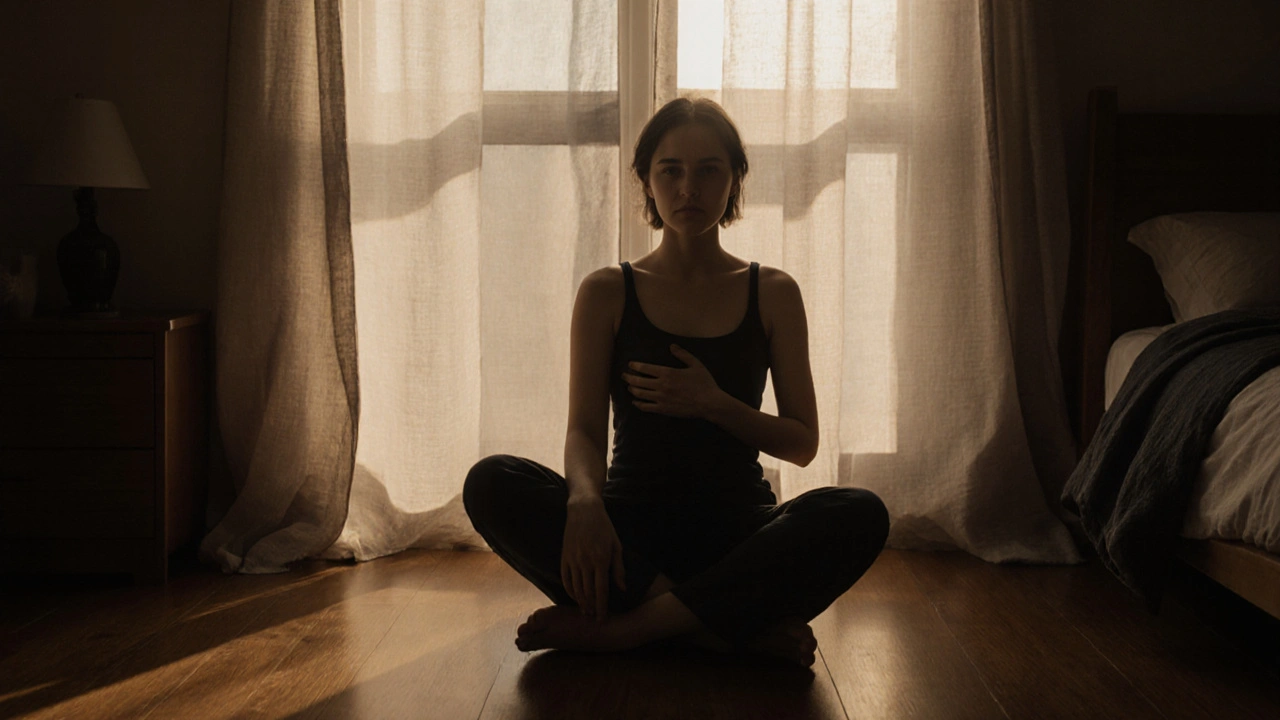
You’ve felt it-that quiet pull toward something deeper. Not just another massage, not another retreat, not another app promising peace. You’re searching for a way to stop performing, to stop hiding, and finally meet yourself-really meet yourself. That’s where tantra begins.
What Tantra Really Is (And What It Isn’t)
Tantra isn’t about sex. Not really. It’s not about exotic rituals, secret hand gestures, or chanting in Sanskrit while wearing silk robes. That’s the myth. The truth? Tantra is an ancient system-older than Buddhism, older than organized religion-that teaches you how to wake up to your own energy, your own sensations, your own aliveness.
It comes from India, but it’s not tied to any one religion. It’s a practice. A way of seeing. You don’t need to believe in gods or chakras to benefit from it. You just need to be willing to feel.
At its core, tantra says: everything is sacred. Your breath. Your anger. Your tiredness. Your pleasure. Even your shame. There’s no part of you that’s too messy, too broken, too much to be included. That’s radical. And that’s why it changes people.
Why This Matters Right Now
Life in 2025 is exhausting. We’re told to optimize, hustle, produce, and consume. We scroll to distract ourselves from the quiet ache inside. We numb out with Netflix, alcohol, work, or endless to-do lists. But tantra doesn’t ask you to fix yourself. It asks you to be yourself.
Think of it like this: You’re a phone running 20 apps in the background. Your energy is drained, but you keep pretending you’re fine. Tantra is the power button. Not to turn you off-but to reboot you into full presence.
People who stick with it don’t suddenly become enlightened gurus. They just stop fighting themselves. They sleep better. They speak their truth. They laugh louder. They stop apologizing for wanting more.
The Real Benefits-Beyond the Hype
Here’s what actually changes when you start practicing tantra regularly:
- You notice tension in your body before it turns into pain. A tight jaw? A clenched stomach? You feel it early-and breathe into it.
- You stop rushing through moments. Eating a meal? You taste it. Walking? You feel your feet hit the ground.
- You stop needing external validation to feel worthy. Not because you’re confident, but because you’re no longer looking outside for proof you’re enough.
- You become more present with others. Not because you’re trying to be ‘better’ at relationships-but because you’re finally not distracted by your own noise.
One woman I know, a nurse in Utrecht, started with just five minutes of breathwork each morning. Six months later, she said: ‘I didn’t fix my anxiety. I just stopped being afraid of it.’ That’s tantra.
How Tantra Shows Up in Daily Life
You don’t need a guru or a retreat to begin. Tantra lives in small, quiet acts:
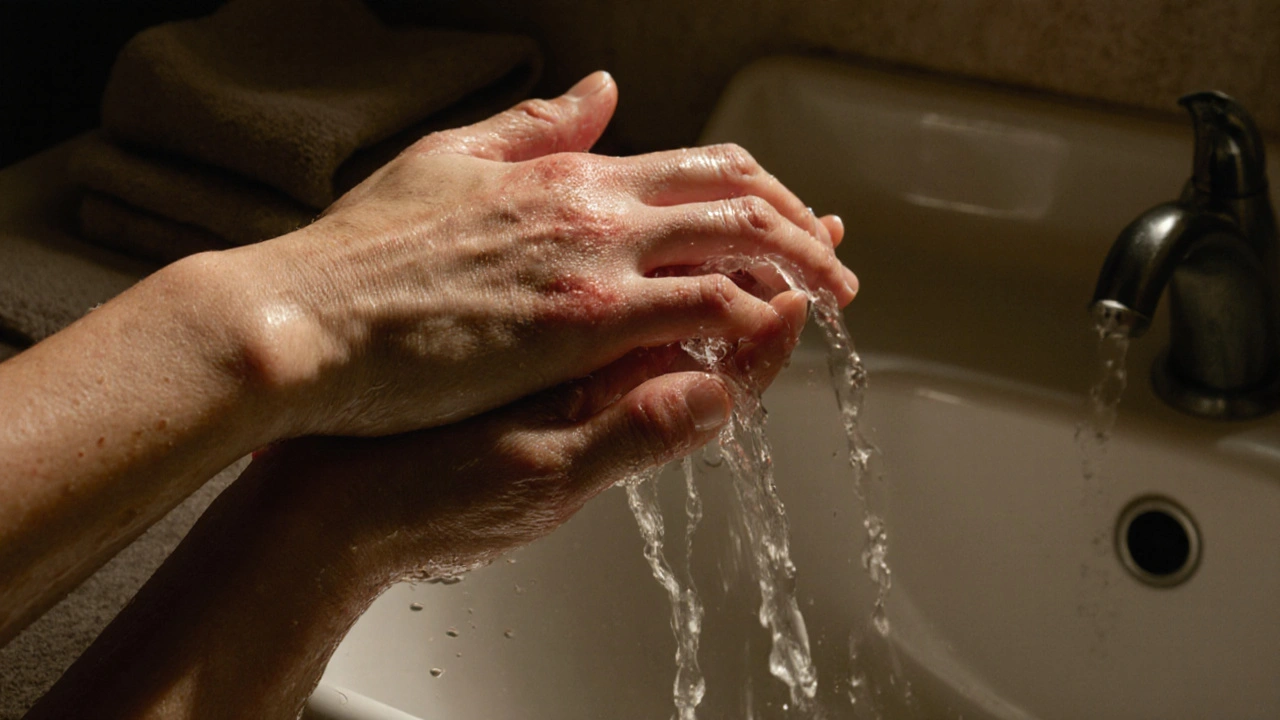
- Touching your own skin with kindness-massaging your hands after washing them, not just drying them.
- Pausing before answering your partner. Not to craft the perfect reply, but to feel what’s really inside you.
- Letting yourself cry without explaining why.
- Saying ‘no’ to something that drains you-even if it’s ‘just’ a party or a meeting.
- Standing barefoot on the floor for 30 seconds before starting your day. Feeling the coolness. Feeling grounded.
These aren’t techniques. They’re invitations. Invitations to come home to yourself.
Tantra vs. Meditation: What’s the Difference?
People often confuse tantra with meditation. They’re related, but not the same.
Meditation is often about stillness-sitting quietly, observing thoughts, letting them pass. It’s inward-focused.
Tantra is about movement-feeling energy rise, flow, shift. It uses breath, touch, sound, movement, even desire as tools. It doesn’t ask you to quiet your mind. It asks you to ride it.
Think of meditation as watching the ocean from the shore. Tantra is diving in, feeling the current, the salt, the pull of the tide-and trusting you won’t drown.
How to Start-No Experience Needed
You don’t need a class, a teacher, or special gear. Here’s how to begin today:
- Find a quiet spot. Sit or lie down. No phone. No distractions.
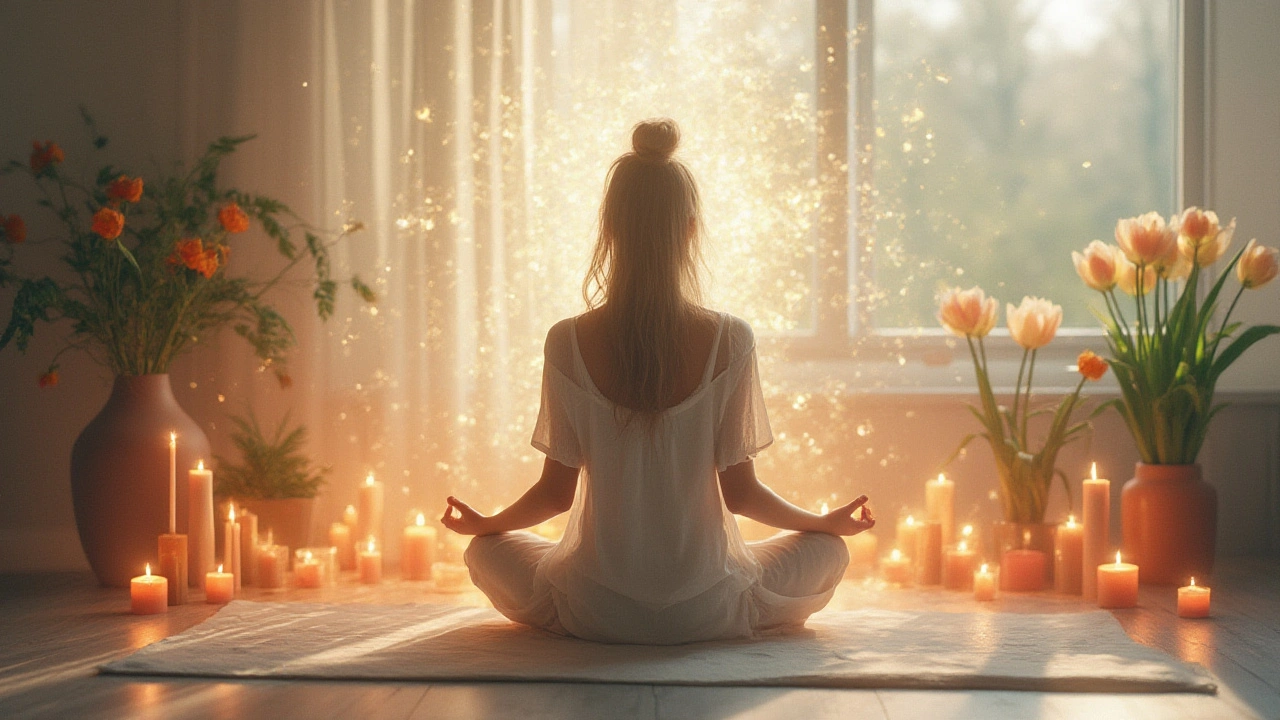
- Close your eyes. Take three slow breaths. In through your nose. Out through your mouth.
- Now, place one hand on your belly. Feel it rise as you inhale. Fall as you exhale. Don’t change it. Just notice.
- Ask yourself: ‘What am I feeling right now?’ Not ‘What should I feel?’ Just what’s here.
- Stay with it for 90 seconds. Even if it’s boredom. Even if it’s restlessness. Just sit with it.
That’s it. That’s the practice. Not perfection. Not enlightenment. Just presence.
Where to Go Deeper (If You Want To)
If you feel called to explore further, here’s what works:
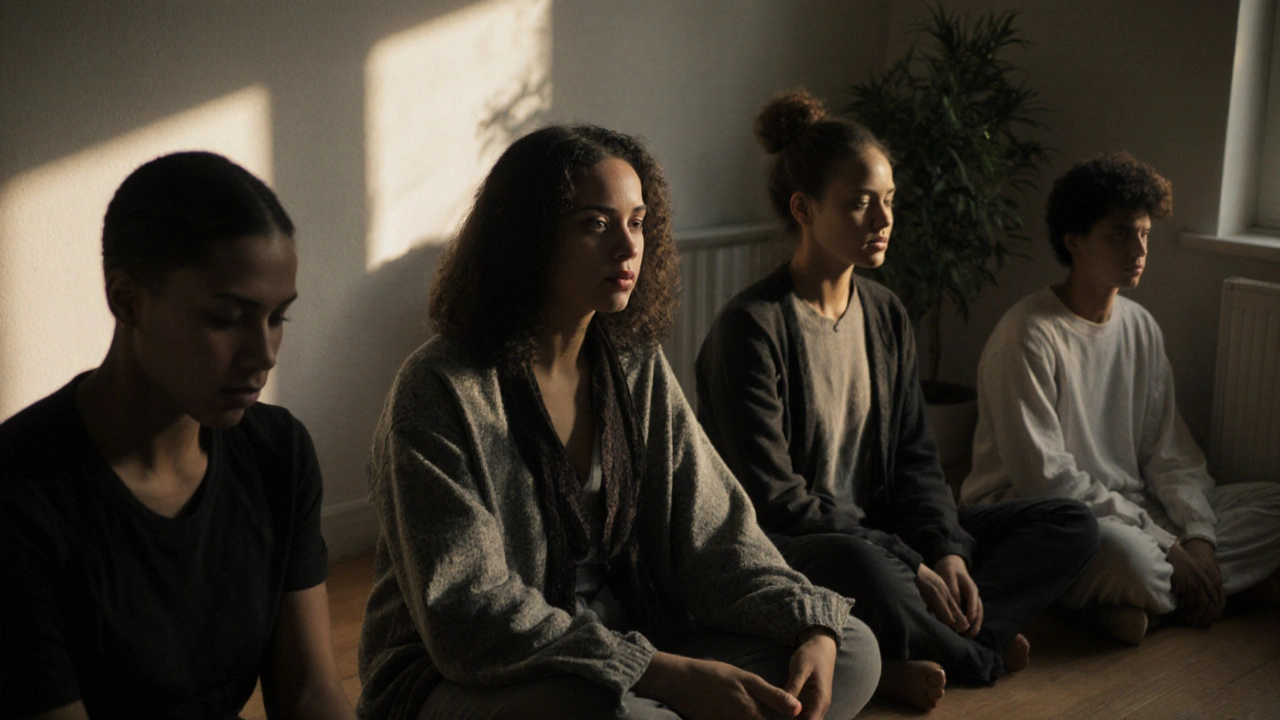
- Local groups in Amsterdam: There are small, quiet tantra circles in De Pijp and Oud-West. No costumes. No chanting. Just people sitting together, breathing, sharing space.
- Books: ‘The Heart of the Yogini’ by Gudrun Sjödén is gentle, clear, and grounded. ‘Tantra: The Path of Ecstasy’ by Georg Feuerstein is deeper, but rich.
- Online: Look for guided breathwork or body scan meditations labeled ‘tantra-inspired.’ Avoid anything that promises ‘sexual mastery’ or ‘orgasmic enlightenment.’ Those are red flags.
The best teachers don’t sell you transformation. They hold space for you to find it yourself.
What to Avoid
Tantra has been commercialized. You’ll find ads for ‘tantra sex workshops’ with glitter and candles. They’re not wrong-but they’re not the heart of it.
Avoid anything that:
- Charges hundreds for a ‘secret initiation’
- Requires you to sleep with your teacher
- Claims you’ll ‘unlock your kundalini’ in one weekend
- Uses spiritual language to manipulate or control
Tantra is freedom. Not another system to obey.
Your True Self Isn’t Out There
You don’t need to travel to India. You don’t need to buy crystals or wear white. You don’t need to become someone else.
Your true self is right here-in the quiet between your breaths. In the way you avoid eye contact when you’re tired. In the laugh you hold back because you think it’s too loud. In the anger you swallow because you don’t want to be ‘difficult.’
Tantra doesn’t give you a new identity. It helps you drop the masks you’ve worn for years.
And that’s the most radical thing you can do.
Frequently Asked Questions
Is tantra religious?
No. Tantra has roots in Hindu and Buddhist traditions, but modern practice is secular. You don’t need to believe in any deity, energy system, or afterlife. It’s about your body, your breath, and your awareness-right now.
Can I practice tantra alone?
Absolutely. Most of tantra is internal work. Breathing, noticing, feeling. Group sessions can help, but they’re not required. Many people start alone-and stay that way.
How long until I feel a difference?
Some feel it in days-a sense of calm, more presence. Others take weeks or months. It’s not about speed. It’s about consistency. Five minutes a day, for 30 days, changes more than three hours once a month.
Is tantra the same as tantric massage?
Tantric massage is one tool-often used to help people reconnect with their bodies. But tantra itself is a broader life practice. You can practice tantra without ever receiving a massage. And you can receive a massage without practicing tantra.
What if I feel uncomfortable during practice?
That’s normal. Tantra brings up old emotions-sadness, shame, fear. Don’t push through. Don’t judge yourself. Just breathe. Say to yourself: ‘This is here. It’s okay that it’s here.’ Let it move through you. It always does.
Where to Go From Here
You don’t need to change your life. Just change how you’re in it.
Try the 90-second breath practice tonight. Before bed. No goals. No expectations. Just be with yourself.
That’s the whole journey. Not becoming someone new. Remembering who you were before you learned to hide.
Nidhi Gupta
November 30, 2025 AT 05:37tantra is just hindu mysticism repackaged as self help lol. you dont need to 'feel your breath' to be alive, you just need to stop being weak. in india we have real spiritual practices like yoga and fasting, not this touchy-feely nonsense. also why is everyone so obsessed with 'not hiding'?? just be a man/woman and stop whining. also its spelled 'tantra' not 'tantric' like you some western hippie.
Stephen Park
November 30, 2025 AT 13:08While I appreciate the author's attempt to demystify tantric practice, I must formally object to the conflation of somatic awareness with spiritual enlightenment. The empirical literature on mindfulness-based interventions does not support the assertion that breathwork alone yields measurable improvements in self-worth or relational presence. Furthermore, the anecdotal testimony of a nurse in Utrecht lacks statistical validity. One must question the epistemological foundations of a practice that eschews measurable outcomes in favor of subjective phenomenology.
James Foster
December 1, 2025 AT 05:48OMG YES. I tried this for like a week and it actually worked?? I started doing that 90-second breath thing before bed and I stopped waking up at 3am worrying about everything. I didn't even know I was holding my breath all day until I started paying attention. Also the part about touching your hands after washing them?? I do that now and it feels like a tiny hug for myself. No guru, no crystals, no fancy retreat. Just me and my stupid breath. So simple it's almost embarrassing. But it works.
Amber Oravecz
December 2, 2025 AT 20:06Presence is the only revolution left.
Will Sophia
December 3, 2025 AT 11:24James, you're absolutely right. I started with just the hand-touching thing too. It sounds silly, but it’s the first time in years I’ve felt connected to my own body without trying to fix it. I used to scrub my hands raw after washing them-now I just let the water run off and press my palms together. It’s not about productivity. It’s about remembering I’m alive. That’s enough.
Alex Alcantar
December 4, 2025 AT 00:26the part about saying no to parties even if its just one person is life changing i used to say yes to everything because i was scared of being rude now i just say no and feel so much lighter like wow why did i wait this long to stop people pleasing