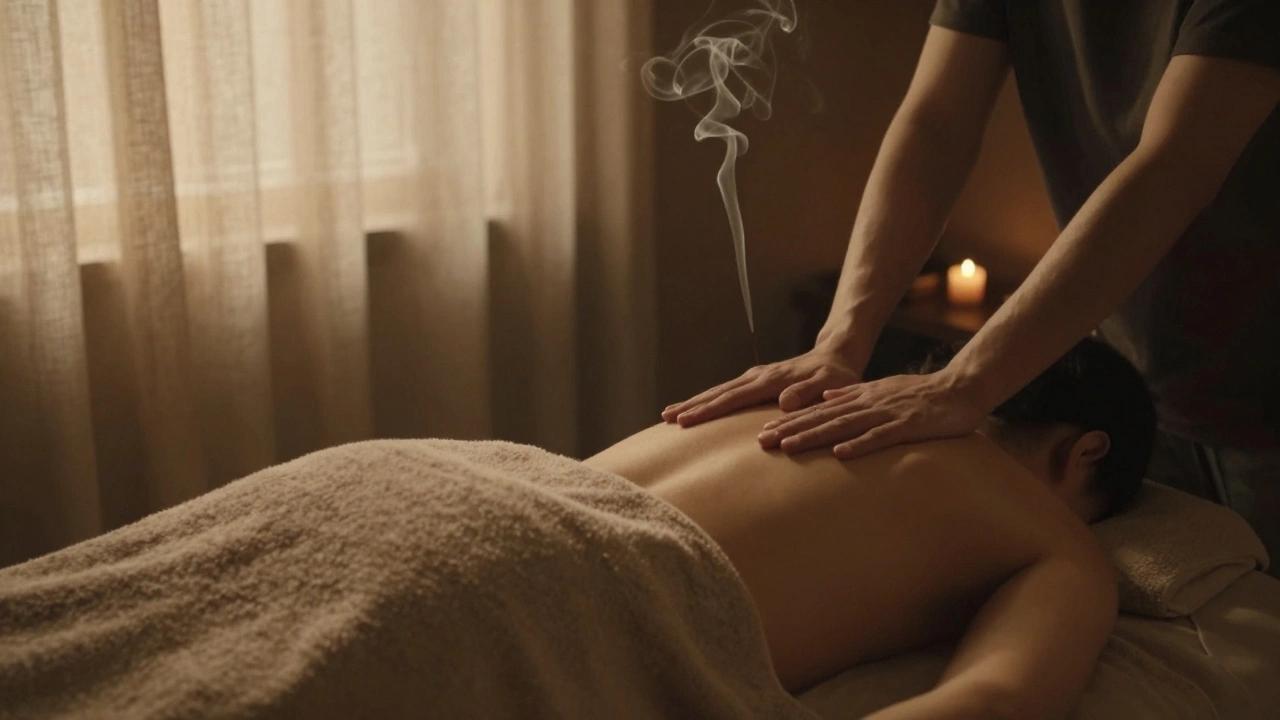
The Mind-Body Connection: How Tantric Massage Can Heal
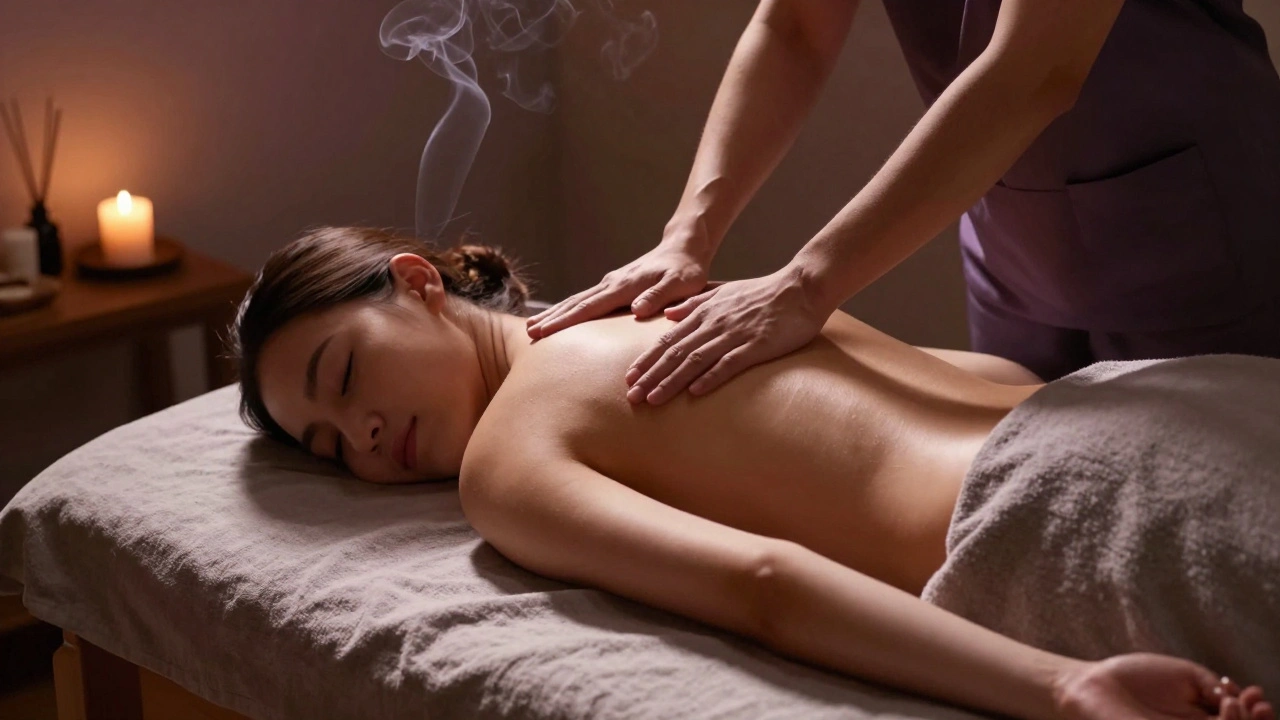
You’ve felt it before - that tightness in your chest after a bad day, the way your shoulders climb up to your ears when stress hits, or how a simple hug can make everything feel lighter. That’s not just coincidence. Your body and mind are wired together, and when one is out of balance, the other feels it too. Tantric massage doesn’t just relax your muscles - it rewires how you experience tension, emotion, and presence. It’s not about sex. It’s not about stimulation. It’s about healing through touch, breath, and awareness.
What Is Tantric Massage?
Tantric massage comes from ancient Eastern traditions, but it’s been stripped of mysticism and reimagined for modern healing. At its core, it’s a slow, intentional form of bodywork that uses touch to awaken awareness - not just in the skin, but in the nervous system, the emotions, and even the parts of you that have been buried under years of stress.
Unlike Swedish or deep tissue massage, tantric massage doesn’t aim to “fix” tight muscles. Instead, it invites you to notice them. To feel them. To breathe into them. Practitioners use long, flowing strokes, gentle pressure, and pauses that let energy move. The goal isn’t orgasm - it’s presence. It’s reconnecting with your body as a source of calm, not chaos.
Think of it like this: most massages treat your body like a machine that needs tuning. Tantric massage treats it like a garden - one that’s been neglected, overwatered, or choked by weeds. You don’t just prune the weeds. You sit with the soil. You listen to the roots. You let the plant breathe again.
Why the Mind-Body Connection Matters
Science confirms what ancient practices have known for thousands of years: stress isn’t just in your head. It lives in your muscles, your gut, your heart rate, your breathing. Chronic stress triggers cortisol spikes, which shut down digestion, weaken immunity, and keep your nervous system stuck in fight-or-flight mode.
Studies from the Journal of Alternative and Complementary Medicine show that therapeutic touch can reduce cortisol levels by up to 31% in just one session. Tantric massage works because it doesn’t just relax your body - it signals safety to your brain. When your nervous system finally feels safe, your body starts repairing itself.
People who regularly experience tantric massage often report:
- Less anxiety and racing thoughts
- Better sleep without medication
- Increased emotional resilience
- Deeper connection to their own boundaries
- Reduced chronic pain (especially in the back, neck, and jaw)
One woman in Amsterdam, who came in after years of panic attacks, told her practitioner: “I didn’t know I was holding my breath until I felt it release.” That moment - when breath returns - is where healing begins.
How Tantric Massage Heals
Healing doesn’t happen because someone rubs your back. It happens because you finally let yourself feel.
Tantric massage creates space for emotions that have been locked away. Grief. Anger. Shame. Joy. These aren’t just thoughts - they’re stored in your body. A tight jaw might hold unspoken words. A clenched stomach might carry old fears. A heavy chest? That’s often unprocessed sadness.
During a session, you’re not forced to talk. You’re not asked to explain. You’re simply invited to notice. A practitioner might pause on your hip, hold gentle pressure, and say, “Just breathe here.” That’s all. No pushing. No forcing. Just presence.
That’s when something shifts. A tear you didn’t know you were holding. A sigh you didn’t realize you’d been suppressing. A warmth spreading through your limbs you hadn’t felt in years.
This isn’t magic. It’s neurobiology. Touch stimulates the vagus nerve - the longest nerve in your body - which controls heart rate, digestion, and emotional regulation. When the vagus nerve is activated, your body shifts from stress mode to rest-and-digest mode. That’s when healing kicks in.
What to Expect During a Session
First, there’s no nudity unless you choose it - and even then, it’s never about arousal. Most sessions begin with a quiet conversation: What are you feeling? What are you hoping for? Then, you lie on a warm, soft table, covered with a towel. The room is dim, scented with calming oils like sandalwood or lavender, and soft music plays in the background.
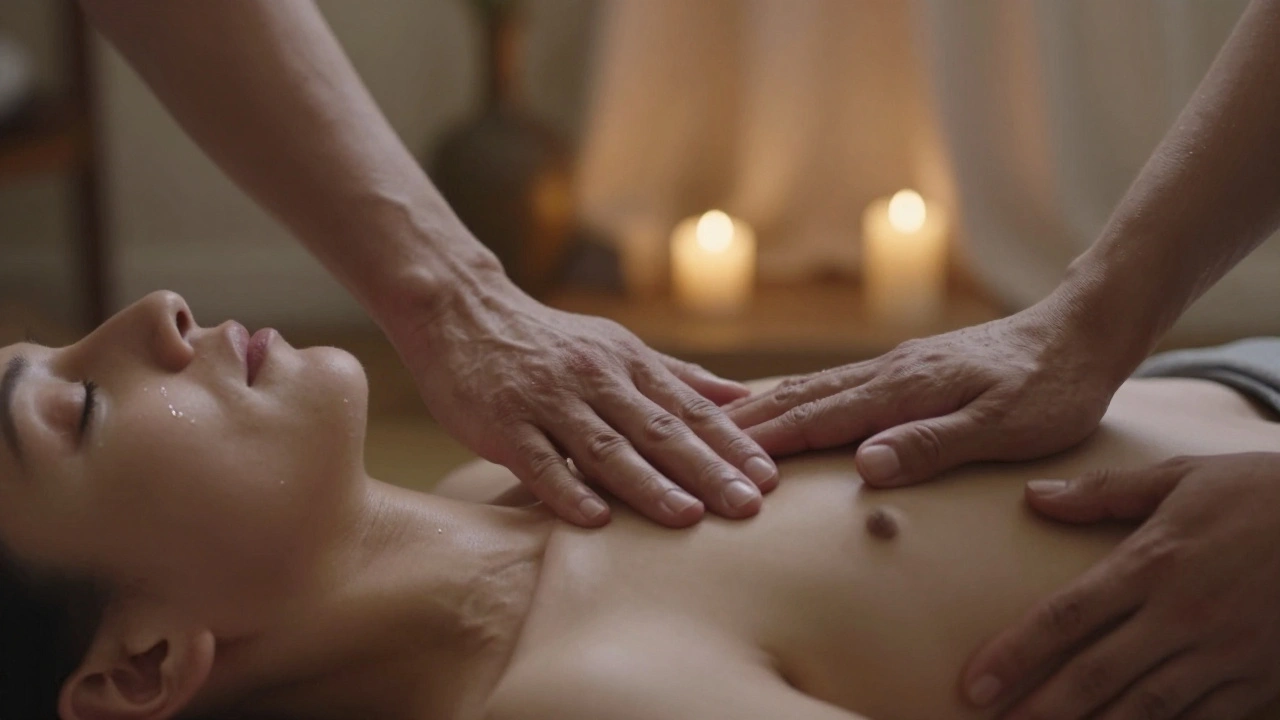
The practitioner uses warm oil and slow, gliding strokes. Hands move across your back, legs, arms, and sometimes face - always with awareness, never with urgency. There are pauses. Long ones. Sometimes, they’ll just rest a hand on your shoulder for a full minute, letting the warmth sink in.
You might feel tingling. Warmth. A rush of emotion. Or nothing at all. That’s okay. The work isn’t about what you feel in the moment - it’s about what you notice later.
Afterward, you’re given time to rest. No rush. No quick towel-off. Just quiet. Many people leave feeling lighter, quieter inside - like they’ve just woken up from a long nap they didn’t know they needed.
Who Benefits Most From Tantric Massage?
You don’t have to be “spiritual” or “into energy work” to benefit. In fact, the most powerful results often come from people who were skeptical at first.
- People with chronic stress - Overworked parents, burnt-out professionals, caregivers.
- Those recovering from trauma - Physical or emotional trauma can leave the body in constant defense mode. Tantric massage helps reestablish safety.
- People with anxiety or depression - Not as a replacement for therapy, but as a powerful complement.
- Anyone feeling disconnected - From their body, from their emotions, from their sense of calm.
It’s not a cure. But it’s a reset button.
Tantric Massage vs. Other Therapies
| Aspect | Tantric Massage | Swedish Massage | Deep Tissue Massage | Reiki |
|---|---|---|---|---|
| Primary Goal | Emotional release and nervous system regulation | Relaxation and muscle tension relief | Breaking down deep muscle knots | Energy balancing through hand placement |
| Touch Style | Slow, flowing, intentional | Light to medium pressure, rhythmic | Firm, focused pressure | No touch - hands hover over body |
| Emotional Impact | High - often triggers release | Moderate - relaxation only | Low - physical only | Moderate - subtle energy shift |
| Duration of Effect | Days to weeks - cumulative | Hours to one day | 1-3 days | Varies - often subtle |
| Best For | Stress, trauma, emotional numbness | General relaxation | Chronic pain, athletes | Energy sensitivity, spiritual seekers |
How to Find a Reputable Tantric Massage Practitioner
Not everyone calling themselves a “tantric therapist” knows what they’re doing. Here’s how to find someone safe and skilled:
- Look for certification - Ask if they’ve trained through a recognized school like The Tantric Institute, The Body Electric, or The Tantric Path. Avoid practitioners who only learned from YouTube.
- Read reviews carefully - Real reviews mention emotional shifts, not just “felt amazing.” Watch out for vague phrases like “very sensual” - that’s a red flag.
- Ask about boundaries - A professional will clearly explain what’s included, what’s not, and how consent works. If they don’t, walk away.
- Start with a consultation - Most reputable practitioners offer a free 15-minute call. Use it to ask: “What’s your approach to emotional release?”
Amsterdam, Berlin, and Portland have some of the most established tantric massage communities. But you don’t need to travel far - many trained practitioners now offer sessions in quiet studios across mid-sized cities.
What It Costs and How to Book
A typical 90-minute session ranges from €80 to €150, depending on location and practitioner experience. In Amsterdam, prices average €110-€130. Longer sessions (120 minutes) may cost €150-€180. Some practitioners offer package deals - three sessions for €300 - which is often the best way to start.
Booking is simple: most use online calendars (like Acuity or Calendly). You’ll fill out a brief intake form about your goals and any physical or emotional concerns. This isn’t just paperwork - it’s part of the healing process. It helps the practitioner tailor the session to your needs.
Payment is usually made upfront. No hidden fees. No tips expected. Just clear, respectful exchange.
Safety and Boundaries
Tantric massage is safe - when done right. But it’s not for everyone. Here’s what you need to know:
- No sexual contact - Ever. A true tantric practitioner never crosses that line. If they do, it’s abuse, not healing.
- You control everything - You can stop at any time. You can ask for more pressure, less, or to skip a body part. Always.
- Emotional release is normal - Crying, shaking, laughing - these are signs your body is letting go. Don’t judge it. Just breathe.
- Aftercare matters - Drink water. Rest. Avoid screens for an hour. Let your nervous system settle.
If you’ve experienced trauma, talk to your therapist first. Tantric massage can be powerful, and having support in place helps.
Frequently Asked Questions
Is tantric massage the same as erotic massage?
No. Erotic massage is designed to lead to sexual arousal or orgasm. Tantric massage is designed to help you reconnect with your body - emotionally, physically, and energetically. While arousal can happen, it’s not the goal. In fact, a skilled practitioner will help you move through it without attachment. If a practitioner focuses on sexual stimulation, they’re not practicing tantric massage - they’re offering something else entirely.
Do I need to be spiritual to benefit?
No. You don’t need to believe in chakras, energy fields, or reincarnation. Many people come in with zero interest in spirituality - and leave with a profound sense of peace. What matters is your willingness to be present. That’s it. The rest happens naturally.
Can I do tantric massage on myself?
You can’t fully replicate the experience alone - because the magic lies in the presence of another. But you can practice the principles: slow touch, deep breathing, and non-judgmental awareness. Try lying down, placing one hand on your heart, and breathing slowly for five minutes. Notice what comes up. That’s the first step.
How many sessions do I need?
Some people feel a shift after one session. Others need three to five to really notice lasting change. Think of it like therapy - healing isn’t linear. Most people start with three sessions spaced two weeks apart, then decide if they want to continue. There’s no pressure. No package deals that lock you in.
Is tantric massage only for couples?
Absolutely not. Most clients are solo. In fact, many people come because they’re tired of feeling disconnected - from themselves, from their partners, from life. Tantric massage helps you reconnect with your own energy first. Relationships often improve naturally after that.
Ready to Feel Again?
You don’t need to fix yourself. You just need to feel. Tantric massage doesn’t promise miracles. But it does offer something rarer: the quiet, deep return to yourself. The moment you realize you’re not broken - you’re just tired. And that’s okay. And you can rest now.
If you’ve been carrying stress in your body for years - if you’ve forgotten what it feels like to be truly calm - this might be the doorway you’ve been looking for. Not the loud one. Not the flashy one. The quiet one. The one that asks only for your presence.
Book your first session. Just one. See what happens when you stop trying to fix yourself - and start listening.