The Art of Wellness Massage: Techniques for Beginners in Amsterdam
Welcome to Your Journey into Touch
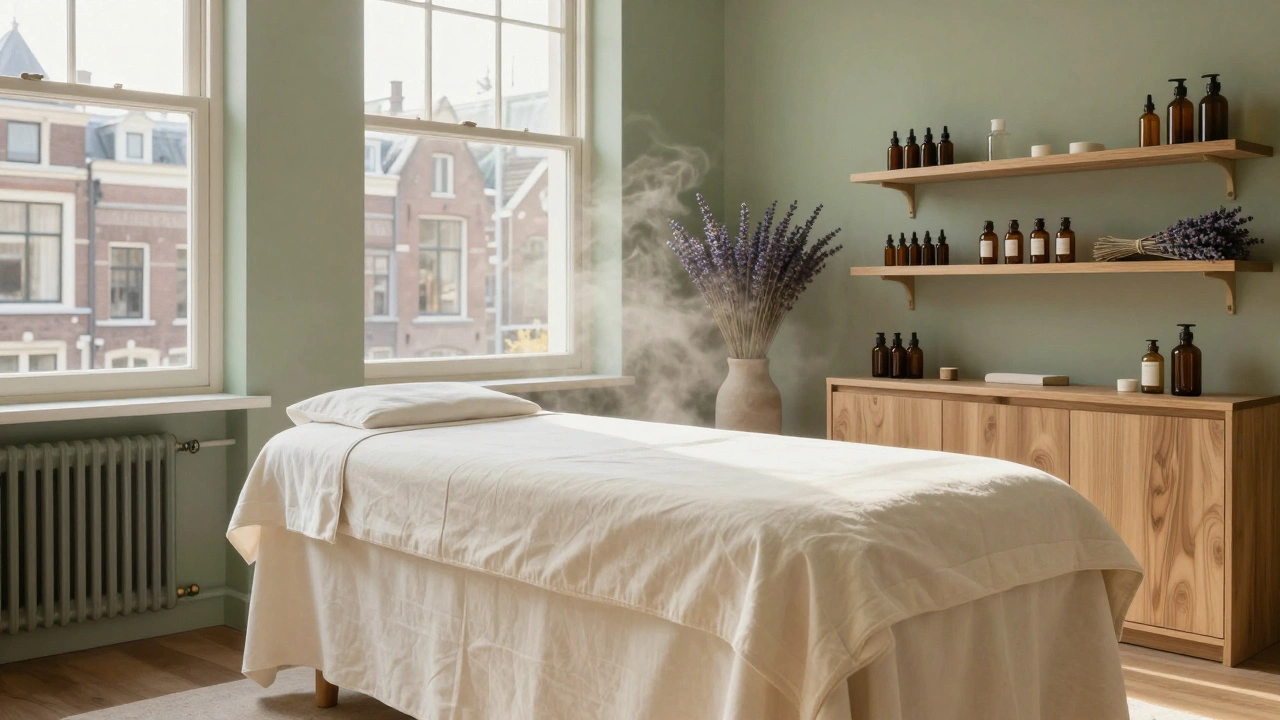
Imagine walking into a quiet space in Amsterdam, the smell of lavender oil filling the air, and feeling your shoulders drop away from your ears. That feeling is exactly what we chase when we talk about touch therapy. You might have heard people rave about massages, but if you are new to this world, the terminology can feel like a foreign language. You aren't alone in wondering how this all works.
Wellness massage is a therapeutic practice focused on improving overall health through manual manipulation of soft tissues. Unlike treatments designed solely for fixing injuries, wellness massage aims to balance your energy, reduce stress, and restore calm. Whether you want to learn how to give a massage to a loved one or simply understand what to expect when you book a session in our city, this guide covers the essentials.
Understanding the Basics of Relaxation Therapy
Many people confuse different types of bodywork. When beginners ask about massage, they often mean Swedish-style relaxation. It involves rhythmic strokes meant to soothe rather than fix deep knots. Think of it as tuning an instrument; you aren't changing the strings, just adjusting the tension so everything harmonizes.
In the Netherlands, we take a holistic approach to care. A typical session isn't just about the muscles; it includes breathing, posture, and mental state. If you decide to visit a spa in Amsterdam, look for therapists who prioritize communication. Your comfort level dictates the pressure. You shouldn't feel pain that lasts hours after the appointment. Real recovery feels gentle, not bruised.
Core Techniques for Beginners
Learning the art of massage is easier than you think. Here are the three movements you should know first.
- Effleurage: This is the long, gliding stroke. You move your hands toward the heart to encourage fluid return. It warms up the skin and calms the nervous system. Use light to medium pressure.
- Petrissage: Imagine kneading dough. You lift and squeeze the muscle tissue to release toxins. This technique is deeper than effleurage but remains safe for healthy bodies.
- Tapotement: Rhythmic tapping creates stimulation. It wakes up tired limbs. However, use this only on muscular areas, never near joints or bones.
When practicing, remember to keep your own posture aligned. You rely on gravity, not brute strength. Slouching leads to injury. Warm your hands before touching anyone else. Cold hands shock the body and ruin the experience instantly.
Why Amsterdam Locals Love These Sessions
The fast-paced life here demands downtime. Between cycling, working, and navigating the historic canals, tension builds up. Locals frequent spas in De Pijp or Oud-West not just for luxury, but for maintenance. Regular sessions lower cortisol levels significantly.
Recent studies show that consistent relaxation therapies improve sleep quality by up to thirty percent. In 2026, mental well-being is prioritized alongside physical health. Many insurance plans even cover preventative care now. Investing in these appointments pays dividends in clarity and mood stability.
Finding Quality Services Near You
You don't need to hunt blindly. Look for licensed practitioners. In Europe, certification matters more than fancy titles. Check reviews on trusted platforms. A legitimate clinic will offer consultations before you commit. Ask about hygiene standards.
| Check Point | What to Look For |
|---|---|
| Licensing | Valid registration with local health boards |
| Hygiene | Fresh linens and sanitized tools every session |
| Privacy | Single doors that lock and proper draping etiquette |
| Communication | Therapist checks pressure and comfort frequently |
| Location | Clean environment away from street noise |
Avoid places that offer suspiciously low prices. Quality work requires time and training. Budget-friendly options exist, but cheap usually means inexperienced staff. Always verify that the establishment follows Dutch safety regulations regarding personal care services.
What Happens During the Session
Arrive fifteen minutes early. Fill out a health intake form honestly. Tell the therapist if you have recent surgeries or skin conditions. They will dim the lights and play soft ambient music. You usually undress to your comfort level underneath warmed sheets.
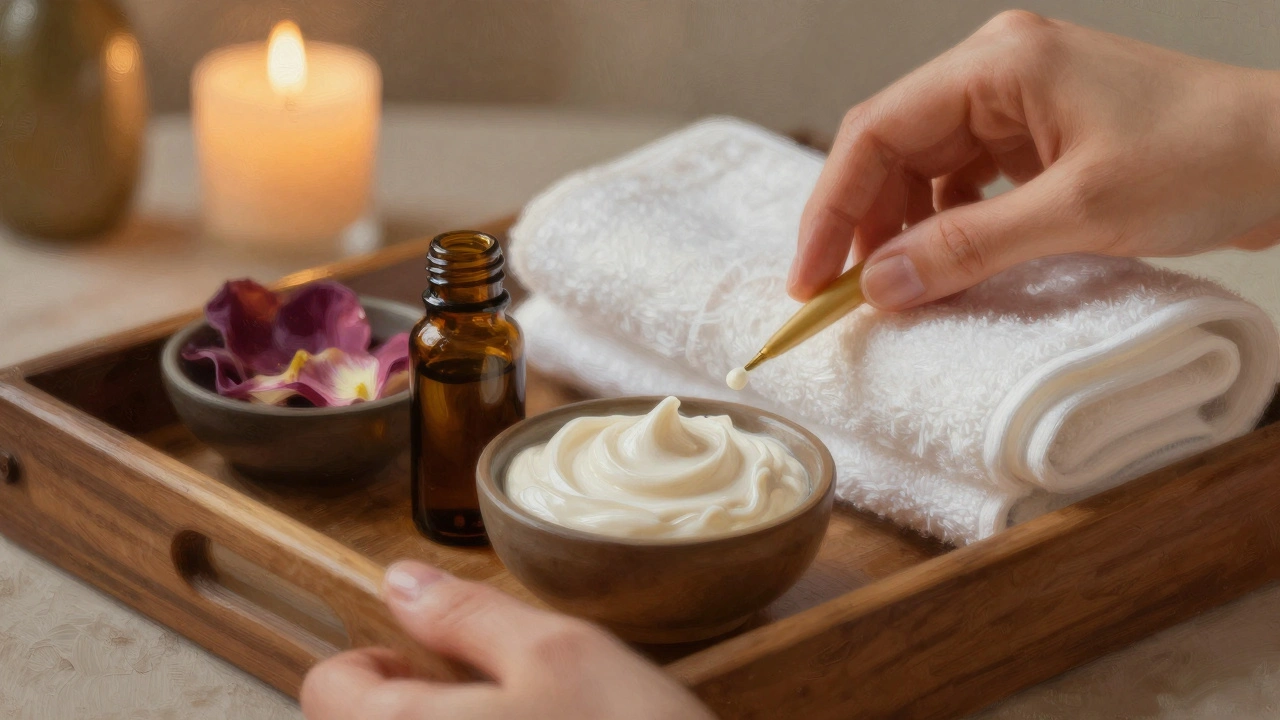
The room stays warm. The therapist applies lotion or oil. Communication is key here. Speak up immediately if the pressure is too hard or uncomfortable. Silence does not always mean satisfaction. Afterward, drink plenty of water to flush out released metabolic waste. You might feel emotional or sleepy afterwards; both are normal reactions.
Estimating Costs and Booking
Pricing varies by district and duration. Standard sixty-minute sessions typically start around eighty euros in central areas. Longer ninety-minute appointments offer deeper relaxation. Most bookings require advance planning during peak tourist seasons. Winter months see higher demand for warming treatments.
Look for packages if you plan to return regularly. Membership models often save ten to fifteen percent. Confirm cancellation policies beforehand. Life happens, but providers charge fees for last-minute changes. Being punctual respects their schedule and ensures you get your full time.
Safety and Contraindications
While generally safe, certain conditions require caution. If you have fever, open wounds, or blood clots, skip the treatment. Consult your doctor first. Pregnancy requires specialized positioning and trained hands. Never apply deep pressure near broken bones or inflamed joints.
Drape yourself properly. Professionalism implies covering areas not being worked on. If you feel unsafe at any point, stop. Trust your instincts. A true practitioner prioritizes your security above all else. Hygiene is non-negotiable in professional settings post-pandemic.
Wellness vs. Deep Tissue: What's the Difference?
People often mix these two distinct approaches. A wellness session focuses on flow and harmony. Deep tissue targets specific chronic patterns. If you want pure relaxation, go for the former. If you have a frozen shoulder, seek the latter.
| Feature | Wellness Massage | Deep Tissue Massage |
|---|---|---|
| Primary Goal | Relaxation and Stress Relief | Pain Relief and Injury Recovery |
| Pressure Level | Light to Medium | Firm to Intense |
| Pace | Rhythmic and Slow | Slow and Focused on Problem Areas |
| Ideal Candidate | Anyone seeking calm | Athletes or those with chronic pain |
Questions You Likely Have
Curiosity is natural. Here are answers to questions beginners ask most often when starting out.
Do I need to tip my massage therapist in Amsterdam?
Tips are not mandatory here, unlike in the US. Service is included in the bill. However, leaving five to ten percent for exceptional service is appreciated but entirely optional.
Should I shower before or after my session?
Shower before helps remove dirt and bacteria from your skin. It makes the oil glide smoother. Showering after can wash off oils beneficial for hydration, so some prefer to wait.
How often should I book a massage?
Monthly visits maintain low stress levels. Weekly visits are great during high-stress periods like exam times or busy work projects. Listen to your body's cues.
Can I eat a heavy meal before the treatment?
Avoid heavy meals right before. Digestion slows down under pressure, leading to discomfort. Eat a light snack instead if you are hungry.
Is it okay to talk during the massage?
Yes, talk as much or as little as you wish. Most therapists respect silence, but discussing symptoms can help them adjust their technique. Silence is just as perfect.
Taking care of your body is an investment in your future self. Whether you master these skills at home or find a pro in the city, the goal remains the same: finding peace in motion.