Thai Massage Techniques: What Makes Amsterdam's Offerings Unique?
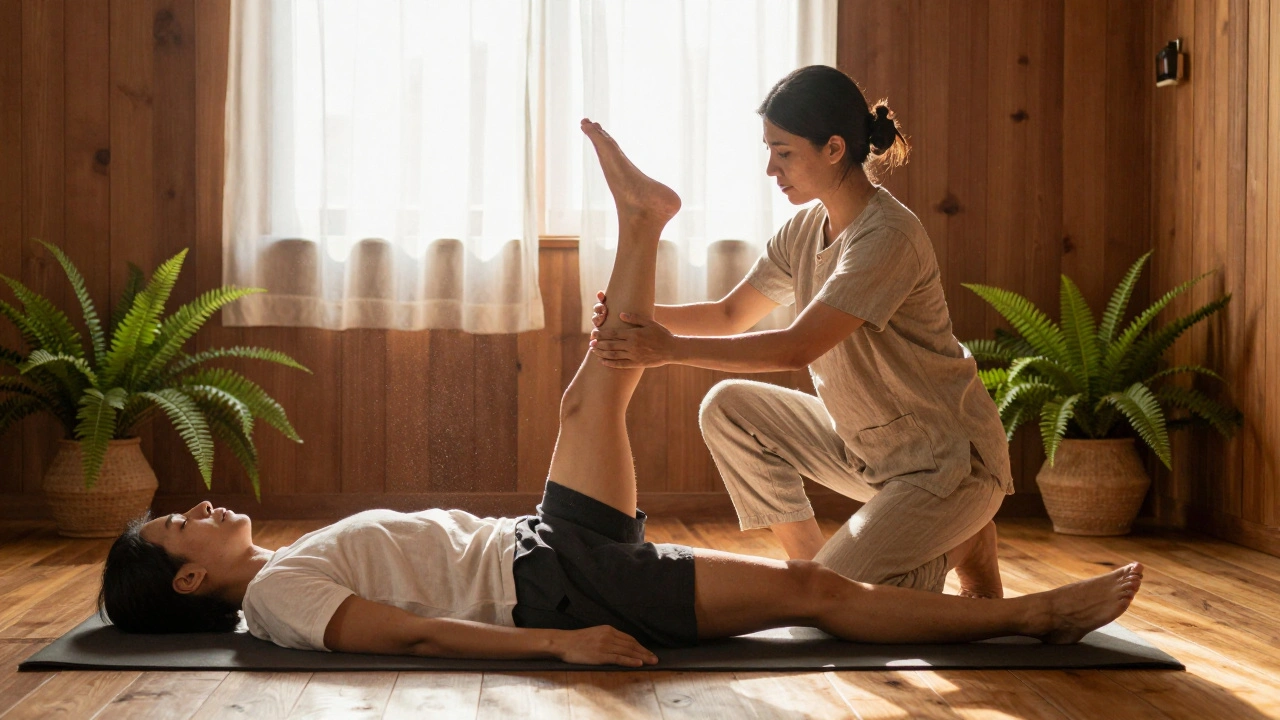
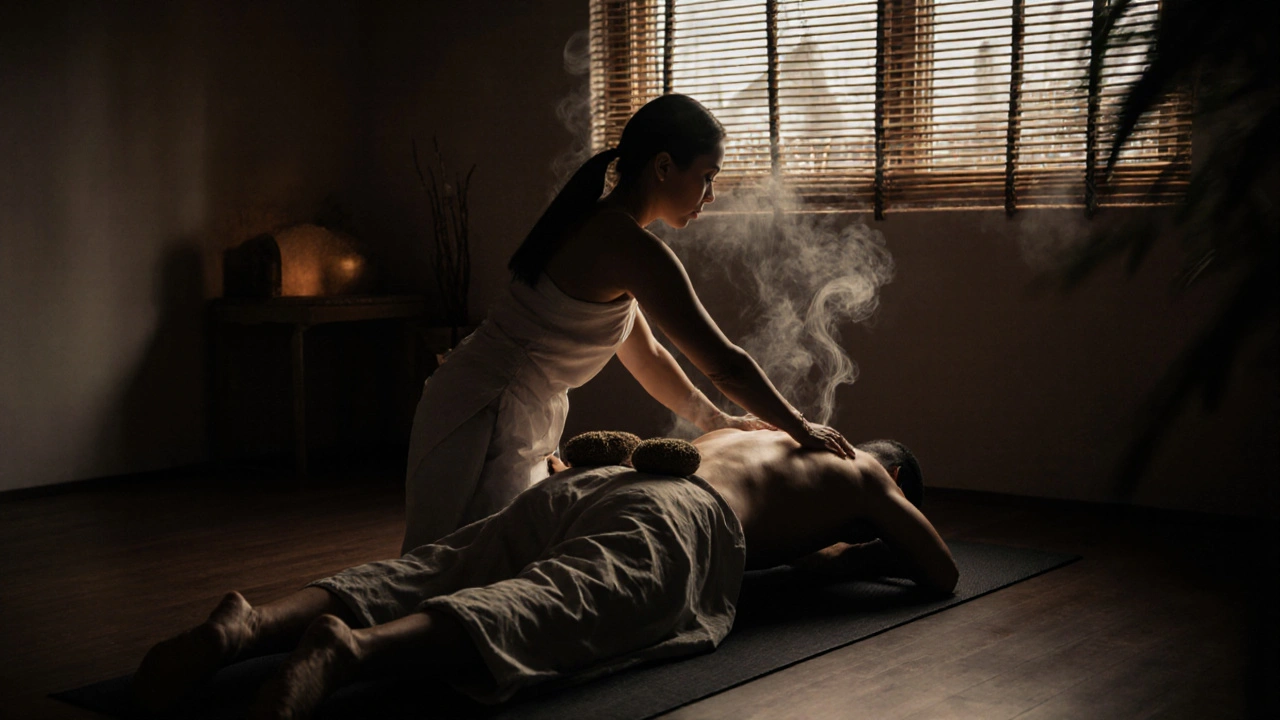
You walk into a quiet studio in the Jordaan, the scent of lemongrass and coconut oil hanging in the air. The therapist doesn’t say much-just smiles, nods, and gestures for you to lie down. Then, with calm, rhythmic pressure, they begin. Not just with their hands, but their thumbs, elbows, knees, even feet. You’re not just being massaged. You’re being guided through a movement sequence older than modern Amsterdam itself. This isn’t just a massage. It’s Thai massage-and in Amsterdam, it’s done differently than anywhere else.
What Makes Thai Massage in Amsterdam Stand Out?
Thai massage isn’t just a spa treat. It’s a healing art rooted in 2,500-year-old traditions from the temples of Ayutthaya. But when it landed in Amsterdam, it didn’t stay the same. Local practitioners didn’t just copy what they saw in Thailand-they adapted. They blended ancient techniques with Dutch precision, modern anatomy knowledge, and a deep respect for individual needs.
Most places offer Thai massage as a series of stretches and pressure points. Amsterdam? You’ll find studios where therapists study under lineage holders in Chiang Mai, then return to fine-tune their work based on Western body types. The result? A session that feels both deeply traditional and surprisingly tailored to you.
How Thai Massage Actually Works
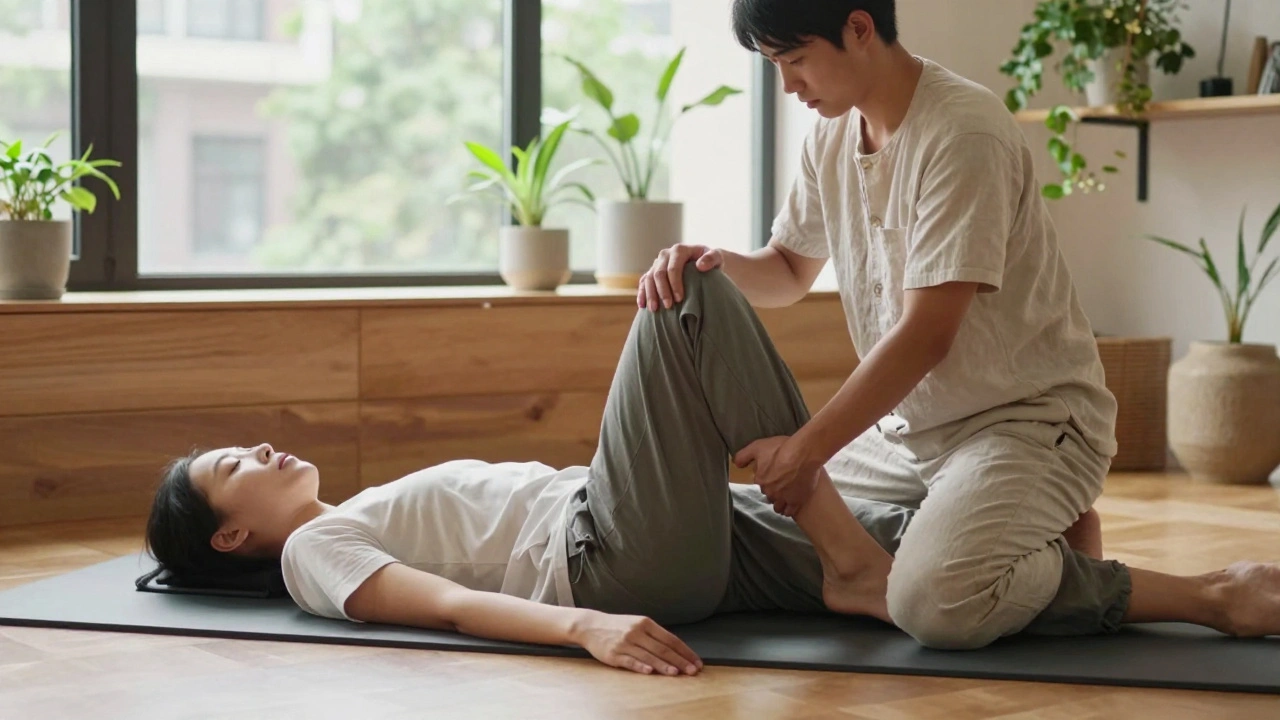
Forget the idea that massage is just about rubbing sore muscles. Thai massage is more like yoga you don’t have to do yourself. The therapist moves your body through a sequence of assisted stretches, acupressure, and rhythmic compressions-all while you lie fully clothed on a mat on the floor.
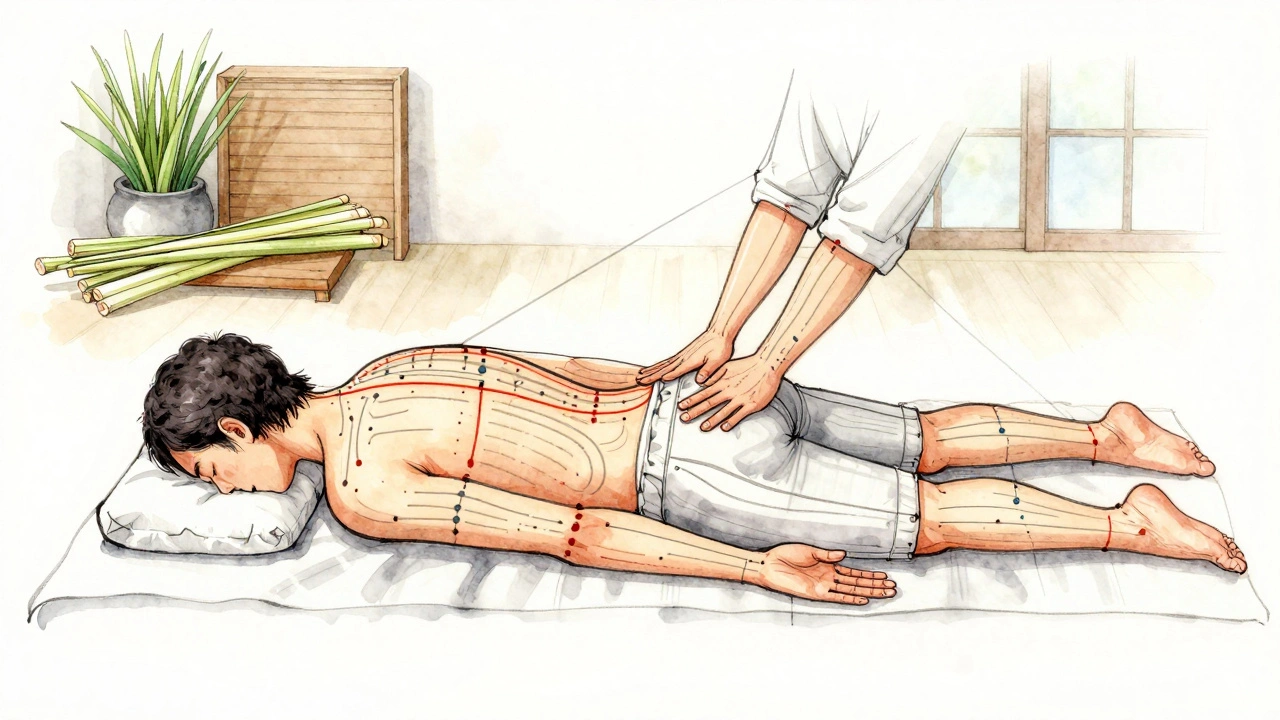
It’s not random. Every movement follows energy lines called sen lines, similar to acupuncture meridians. There are 10 main sen lines in traditional Thai medicine. A skilled therapist will sense where your energy is stuck-maybe your shoulders are tight from typing all day, or your hips are locked from sitting too long-and work those areas with deliberate pressure.
Unlike Swedish massage, which uses oil and focuses on relaxation, Thai massage is active. You’ll feel your body being gently pulled, twisted, and pressed. It’s not always soft. Sometimes it’s firm. Sometimes it’s intense. But if done right, you’ll leave feeling like your bones have been reset.
Why Amsterdam’s Approach Feels Different
Amsterdam’s Thai massage scene is shaped by its multicultural DNA. You’ll find therapists who trained in Bangkok, but also those who studied with Dutch physiotherapists, yoga instructors, and even martial arts masters. This mix creates something rare: a practice that honors tradition but doesn’t ignore science.
For example, in Thailand, sessions often follow a fixed sequence. In Amsterdam, many therapists start with a quick consultation. They ask: Do you have lower back pain? Are you recovering from an injury? Do you sit at a desk 8 hours a day? Then they adjust the routine. One client might get a deep hip opener because they cycle everywhere. Another might get a gentler version because they’re pregnant.
And then there’s the setting. You won’t find loud music or fluorescent lights. Most studios in De Pijp, Oud-West, or the Nine Streets use natural wood, soft lighting, and quiet spaces. Some even have outdoor gardens. It’s not just about the technique-it’s about creating a sanctuary.
What Types of Thai Massage Can You Find in Amsterdam?
Not all Thai massage is the same. Here’s what you’ll actually encounter in Amsterdam’s studios:
- Traditional Thai Massage - Full-body, floor-based, no oil. Uses palms, thumbs, elbows, knees, and feet. Lasts 90-120 minutes. Best for deep release.
- Thai Oil Massage - A hybrid. Same stretches, but with warm herbal oil applied. Softer, more relaxing. Great if you’re new to Thai massage.
- Thai Yoga Massage - Emphasizes fluid movement and breathwork. Therapist moves with you, almost like a dance. Popular with dancers and athletes.
- Thai Head & Shoulder Massage - Shorter sessions (30-45 mins) focused on tension zones. Perfect for office workers or anyone with neck pain.
- Thai Massage + Cupping - Some advanced studios combine traditional Thai techniques with cupping therapy for deeper fascial release.
Most places offer 60, 90, or 120-minute sessions. Don’t assume longer is better. A 60-minute session done with focus can be more effective than a rushed 120.
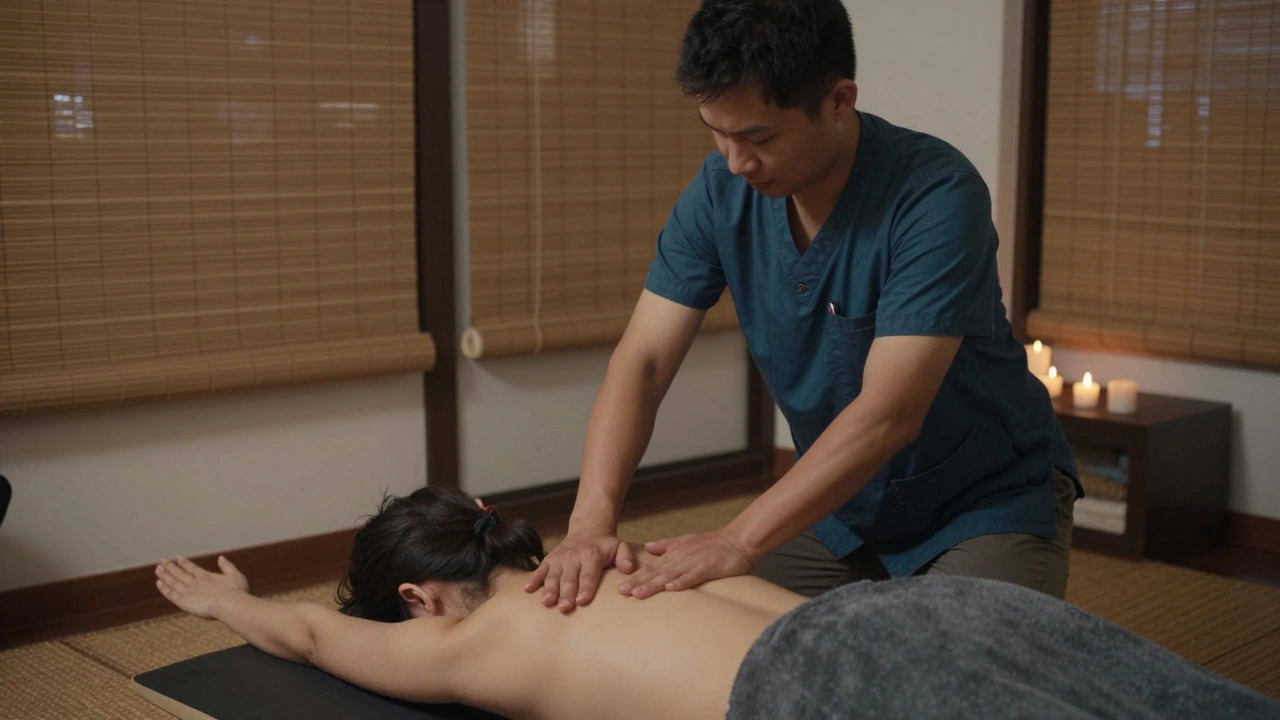
How to Find the Right Place in Amsterdam
There are over 40 places in Amsterdam offering Thai massage. But not all are equal. Here’s how to pick wisely:
- Look for certification - Ask if the therapist trained in Thailand, preferably at Wat Pho in Bangkok or a recognized school like the Traditional Thai Massage School in Chiang Mai.
- Read reviews with detail - Avoid places with only 5-star ratings that say “great vibe.” Look for reviews mentioning specific techniques: “They worked on my hip flexors,” or “I felt my spine realign.”
- Visit in person - Walk into a studio. Is it clean? Are the mats fresh? Do they offer a consultation before the session? If not, move on.
- Check the therapist’s background - Many studios list their therapists’ training on their website. Look for names like “Somsak” or “Nong” (common Thai names), but also Dutch names with Thai certifications.
Top spots to consider: Thai Wellness Amsterdam in De Pijp, Lotus House in Oud-West, and Wai Thai near the Leidseplein. All have been around for 8+ years and train their staff in Thailand annually.
What to Expect During Your First Session
You’ll arrive, remove your shoes, and be handed loose cotton pants and a top to wear. No need to undress. You’ll lie on a low, padded mat on the floor. The therapist will start by asking you to breathe deeply. Then, slowly, they’ll begin.
At first, it might feel strange-being moved like a puppet. But after 10 minutes, your body starts to relax. You’ll feel warmth spreading through your back. Your shoulders drop. Your jaw unclenches. The therapist might press into your lower back with their knee. You’ll gasp. Then, you’ll sigh. That’s the point.
They won’t talk much. That’s intentional. Silence is part of the therapy. But if you need to adjust-too much pressure, too little, something hurts-they’ll pause and ask. Communication is welcome.
At the end, you’ll sit up slowly. You might feel light-headed. That’s normal. Drink water. Don’t rush out. Sit for a few minutes. Let your body settle.
Pricing and Booking
Prices in Amsterdam are fair for what you get:
- 60 minutes: €75-€90
- 90 minutes: €100-€120
- 120 minutes: €130-€160
Thai Oil Massage costs about €10-€15 more. Head & Shoulder sessions are €45-€60. Most places require booking in advance. Walk-ins are rare. You can book online through their websites or apps like SpaBooker or Wellness.nl. Some studios offer first-time discounts-ask.
Tip: Book early morning or late evening. Those slots are quieter, and therapists have more time to focus on you.
Safety Tips: What to Watch Out For
Thai massage is safe for most people. But there are exceptions:
- Don’t get it if you have recent injuries - Fractures, sprains, or recent surgery? Wait at least 6 weeks.
- Ask before pregnancy - Some studios offer prenatal Thai massage, but only with therapists trained in it. Not all do.
- Watch for pressure - If you feel sharp pain, not just deep pressure, say so. Thai massage shouldn’t hurt.
- Avoid if you have osteoporosis - The stretches can be too risky.
- Hydrate after - Your body releases toxins. Drink water. Don’t drink alcohol right after.
Thai Massage vs. Swedish Massage in Amsterdam
| Feature | Thai Massage | Swedish Massage |
|---|---|---|
| Position | On floor, fully clothed | On table, undressed under towel |
| Technique | Stretching, acupressure, compression | Long strokes, kneading, circular movements |
| Oil Used | No | Yes |
| Intensity | Medium to deep, active | Light to medium, relaxing |
| Duration | 60-120 minutes | 60-90 minutes |
| Best For | Tension release, flexibility, energy flow | Relaxation, stress relief, circulation |
| After Effects | May feel energized, slightly sore | Deeply relaxed, sleepy |
If you want to melt into a cloud, go for Swedish. If you want to feel like your body has been reset, choose Thai.
Frequently Asked Questions
Is Thai massage painful?
It shouldn’t be. Thai massage uses deep pressure, but pain means something’s wrong. You’ll feel intensity-especially in tight areas like hips or shoulders-but it should feel like a release, not an injury. Always communicate if something feels sharp or burning.
Do I need to be flexible for Thai massage?
No. Thai massage is for people who aren’t flexible. In fact, it’s one of the best ways to improve mobility over time. The therapist works with your current range-never forcing you beyond it.
Can I get Thai massage if I’m pregnant?
Yes-but only with a therapist trained in prenatal Thai massage. Regular Thai massage can be too intense for pregnant bodies. Ask specifically for a prenatal option. Many Amsterdam studios offer this now.
How often should I get Thai massage?
For maintenance, once a month is ideal. If you have chronic tension or sit at a desk all day, once every two weeks helps. Athletes or people recovering from injury might go weekly for a few weeks, then taper off.
Is Thai massage better than other types?
It’s not better-it’s different. Thai massage is about movement and energy. Swedish is about relaxation. Deep tissue targets knots. Each has its place. If you want to feel limber, energized, and grounded, Thai is unmatched. If you just want to unwind, Swedish might be your pick.
Amsterdam’s Thai massage scene isn’t just a trend. It’s a quiet revolution-where ancient wisdom meets modern care. You don’t need to travel to Thailand to feel the real thing. You just need to know where to look. And now, you do.
Kumar Manickam
January 17, 2026 AT 15:53I got my first Thai massage in Amsterdam last year at Lotus House and honestly? It changed how I think about bodywork. I used to think massage was just about relaxation, but this felt like my body was being reintroduced to itself. The therapist used her knee on my lower back-felt like a lightning bolt of release. No oil, no music, just breath and pressure. I cried a little. Not because it hurt, but because I hadn’t realized how much tension I’d been carrying since moving from India. Now I go every six weeks. If you’re skeptical, just try it once. Your spine will thank you.
Also, the guy who runs the place? He trained under a monk in Chiang Mai. You can tell.
And yes, I’m already planning my next trip to Amsterdam just for this.
adam denature
January 18, 2026 AT 12:58you people are so dramatic its just a massage why do you need to write a novel about it
its not magic its just stretching and pushing and some guy in a room with incense
swedish is better anyway and you dont need to travel to europe for it
also why do you keep saying 'reset your bones' bones dont reset theyre bones
youre not a yoga guru youre just getting rubbed
Honey Syal
January 20, 2026 AT 05:44Adam, sweetie, you’re not wrong-but you’re also not seeing the whole picture.
It’s not about ‘magic’ or ‘resetting bones.’ It’s about intention. The fact that someone spent years learning a tradition that’s older than your country’s founding, then adapted it to your body type, your desk-job posture, your anxiety-*that’s* the art.
And yes, I’ve had both Thai and Swedish. One makes you sleepy. The other makes you feel like you’ve been un-knotted from the inside out.
Also, if you think ‘incense’ is the whole point, you’ve never been to a real studio. The silence? The way they wait for your breath to drop before they move? That’s not spa fluff. That’s therapy.
Try it with an open mind. Or don’t. But don’t call it ‘just a massage’ when you’ve never let someone press their knee into your sacrum and actually *listen* to your body’s response.
Gail Montefalco
January 21, 2026 AT 21:16Hallesha Williams
January 23, 2026 AT 16:10akarsh chauhan
January 24, 2026 AT 01:24It is with profound regret that I must observe the egregious conflation of cultural heritage with commercialized wellness tourism in the aforementioned exposition. The commodification of Thai massage in Amsterdam, while economically pragmatic, constitutes a dilution of a sacred, monastic discipline rooted in Theravāda Buddhist healing traditions. To assert that such a practice may be 'tailored' to Western body types is not merely inaccurate-it is an epistemological affront. The sen lines are not adjustable variables; they are immutable channels of prana, as codified in the Tamra Phra Atthakarn. Furthermore, the suggestion that Dutch physiotherapists or yoga instructors may 'enhance' this tradition is not only presumptuous, but culturally imperialistic. One does not 'adapt' a 2,500-year-old lineage to suit ergonomic chairs and desk-bound postures. One receives it as it is. The pricing structure, while ostensibly transparent, reflects a neoliberal extraction of spiritual capital. I implore the reader: if you seek authentic Thai massage, travel to Wat Pho. Do not substitute pilgrimage for patronage. This is not a spa service. It is a lineage. And lineage, sir, does not discount.