Tuina Therapy: Ancient Chinese Massage for Pain Relief and Balance
When you hear Tuina therapy, a traditional Chinese bodywork method that uses pressure, stretching, and rhythmic compression to move energy and release tension. Also known as Chinese therapeutic massage, it's not just about relaxation—it’s a system designed to fix imbalances before they become pain. Unlike Swedish massage, which glides over the surface, Tuina digs into the roots of stiffness, using fingers, palms, and elbows to work along energy pathways called meridians. It’s the same system behind acupuncture, but without needles—just hands, pressure, and intention.
This isn’t new-age fluff. Tuina therapy has been used in China for over 2,000 years to treat everything from back pain and headaches to digestive issues and insomnia. In Amsterdam, therapists who practice it often combine it with principles from acupressure, the application of finger pressure on specific points to stimulate the body’s natural healing response and traditional Chinese medicine, a holistic system that views health as the balanced flow of qi (energy) through the body. You won’t find loud music or scented oils here. You’ll feel deep, targeted pressure that might sting at first but leaves you feeling lighter, looser, and more grounded.
What makes Tuina different from other massages? It doesn’t just relax muscles—it reprograms how your body holds stress. If you’ve tried Swedish massage and still feel tight, or if you’ve had acupuncture but want something more tactile, Tuina fills that gap. It’s the massage for people who’ve tried everything else and still wake up with knots in their shoulders or a dull ache in their lower back. And because it’s rooted in energy flow, it often helps with things you wouldn’t expect—like poor digestion or trouble sleeping—by calming the nervous system from the inside out.
You’ll find Tuina therapy in Amsterdam studios that also offer Thai massage, body-to-body sessions, and tantric practices—but it stands apart. While tantric massage focuses on presence and breath, and Thai massage uses stretches and yoga-like movements, Tuina is precise. It’s like a surgeon’s touch meets a healer’s intuition. It doesn’t need to be long to be powerful. A 45-minute session can shift something that months of stretching couldn’t touch.
People come to Tuina after injuries, after burnout, after years of ignoring their body’s whispers. It’s not a luxury—it’s a reset. And if you’ve ever wondered why some massages leave you feeling like you’ve been hit by a truck, while others leave you feeling like you’ve been reassembled correctly, Tuina is the answer.
Below, you’ll find real experiences from people who’ve tried Tuina therapy in Amsterdam—not as a trend, but as a tool. Some came for back pain. Others came because they couldn’t sleep. All of them left with more than relief—they left with a new understanding of how their body works. What you’ll read here isn’t theory. It’s what happens when ancient hands meet modern stress.
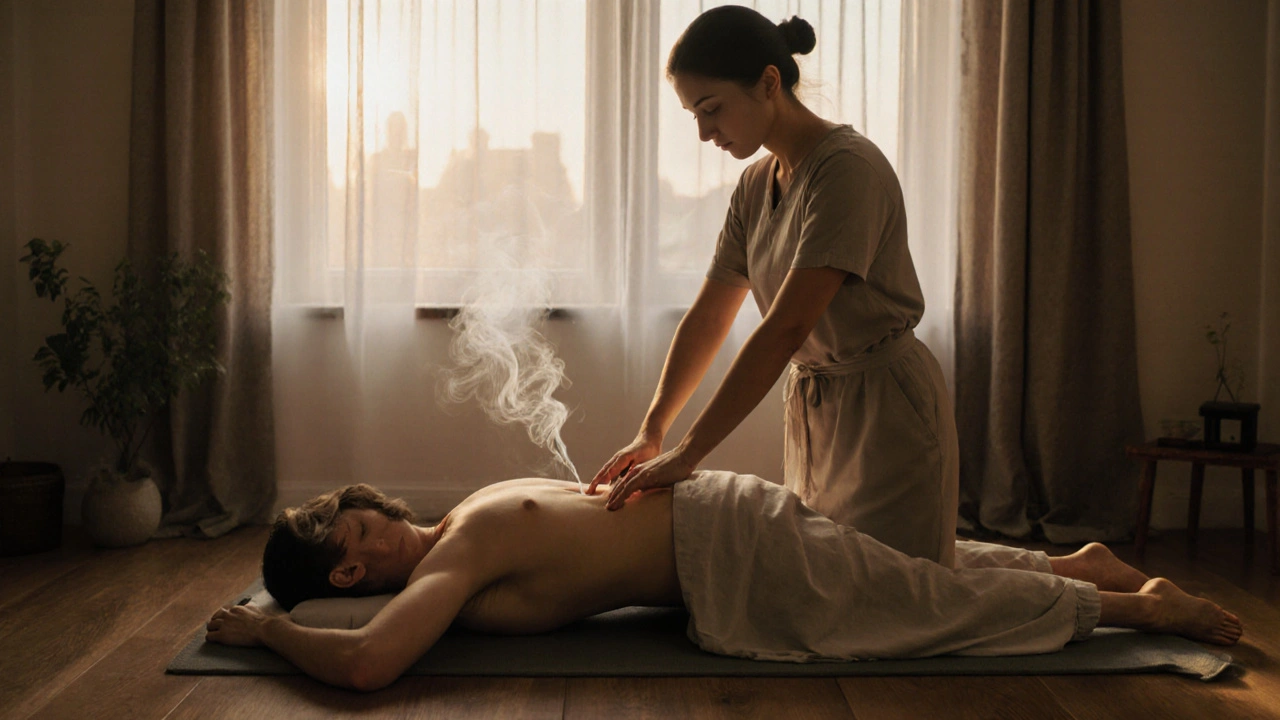
Tuina Massage: Ancient Healing for Modern Stress and Tension
Tuina massage is an ancient Chinese therapy that uses targeted pressure to relieve stress, release muscle tension, and restore energy flow. Learn how it works, who it helps, and where to find authentic sessions in Amsterdam.