Surgical Recovery Massage: How Therapeutic Touch Speeds Healing After Surgery
When your body is healing after surgery, it doesn’t just need rest—it needs the right kind of touch. surgical recovery massage, a gentle, targeted therapy designed to support healing after medical procedures. Also known as post-surgical massage, it’s not about relaxation alone—it’s about helping your body move past inflammation, reduce scar tissue, and restore circulation so you recover faster and with less discomfort. Unlike deep tissue or Swedish massage, this isn’t about working out knots. It’s about guiding your lymphatic system, calming your nervous system, and gently encouraging blood flow where it’s needed most—without putting stress on healing tissues.
This kind of massage lymphatic drainage massage, a light, rhythmic technique that stimulates fluid movement in the body is often the backbone of surgical recovery. After procedures like liposuction, mastectomy, or joint replacement, fluid builds up. That’s when swelling, stiffness, and even long-term scar tightness start to creep in. Lymphatic drainage helps your body clear that fluid naturally, reducing puffiness and preventing fibrosis. It’s not magic—it’s science. Studies show patients who get regular lymphatic massage after surgery report less pain, faster mobility, and fewer complications.
And it’s not just about fluid. pain relief massage, a focused approach to easing discomfort without drugs plays a big role too. Gentle pressure on surrounding muscles helps release tension that builds up as you compensate for sore or restricted areas. Think of it like resetting your body’s alarm system. After surgery, your nervous system stays on high alert. A skilled therapist can use slow, warm contact to tell your brain, “You’re safe now,” which lowers cortisol and lets healing take over.
What you won’t find in surgical recovery massage is deep pressure, intense stretching, or anything that could strain incisions. That’s why choosing the right therapist matters. You need someone who understands anatomy, timing, and the stages of healing—not just someone who knows how to rub your back. In Amsterdam, clinics that specialize in this work often collaborate with physiotherapists and surgeons to make sure every session supports your recovery plan.
You don’t have to wait until you’re fully healed to start. Many patients begin gentle sessions within days of surgery, as long as their doctor approves. The key is timing and technique. Too early, and you risk damage. Too late, and you miss the window to prevent stiffness and fluid buildup. That’s why this isn’t something you just Google and try at home. It’s a therapeutic tool—best used with guidance.
Whether you’re recovering from a minor outpatient procedure or a major operation, your body is working hard. Surgical recovery massage doesn’t replace medical care—it supports it. It helps you feel less like a patient and more like someone healing, moving, and returning to life. The posts below show real examples of how people in Amsterdam have used this therapy after different surgeries, what to expect in a session, and how to find a therapist who truly knows what they’re doing.
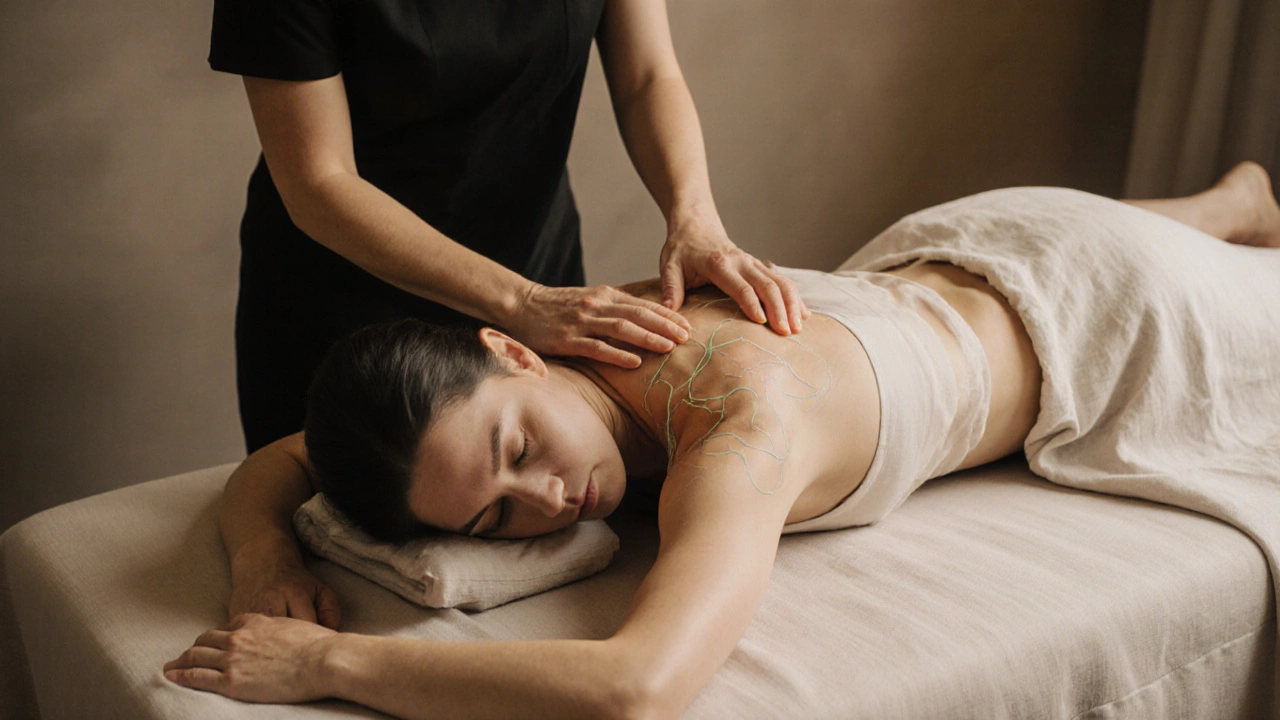
How Lymphatic Drainage Massage Helps You Recover Faster After Surgery
Lymphatic drainage massage helps reduce swelling, speed healing, and improve scar appearance after surgery. Learn how this gentle technique works, when to start, and where to find it in Amsterdam.