Massage Etiquette: What You Need to Know Before Your Session
When you book a massage etiquette, the set of respectful, practical norms that guide behavior between client and therapist during a therapeutic session. Also known as massage protocol, it’s not about being perfect—it’s about creating a safe, comfortable space where healing can happen. Too many people walk into a session nervous, unsure if they should talk, undress, or even how to lie down. The truth? Most therapists don’t expect you to know all the rules. But knowing them helps you relax faster, get more out of your time, and leave feeling truly cared for.
Think of body to body massage, a therapeutic technique where the therapist uses their own body to apply pressure and create deep, sustained contact. Also known as skin-to-skin massage, it’s not about sensuality—it’s about connection. The therapist’s warmth, rhythm, and presence help calm your nervous system. But for that to work, you need to be open. That means letting go of self-consciousness. You’re not being judged. You’re being held—in the safest way possible. If you’ve never tried this kind of therapy, know that professionalism is non-negotiable. Reputable places in Amsterdam follow strict boundaries. No pressure. No expectations. Just quiet, intentional touch. This leads to another key part of massage etiquette: communication. If the pressure is too light or too hard, say something. If you’re cold, ask for a blanket. If you don’t want to talk, don’t. Your therapist is there to serve your needs, not to fill silence. Many people worry they’ll sound rude, but honest feedback helps them do their job better.
Then there’s therapeutic touch, a broad term for any hands-on method designed to reduce pain, release tension, or restore balance in the body. This includes everything from Swedish massage to lymphatic drainage and Thai massage. Each has its own rhythm, but the etiquette stays the same: respect the space, honor your boundaries, and trust the process. You don’t need to be a massage expert to benefit from it. You just need to show up—and let go. What you wear (or don’t wear) is entirely up to you. Most therapists will leave the room while you undress and cover you with towels. Only the area being worked on is exposed. If you’re unsure, ask. No question is silly. And if you’re uncomfortable at any point, you have full permission to stop. That’s not just etiquette—it’s your right.
Arriving on time matters—not because the therapist is strict, but because your body needs those first few minutes to shift from daily stress into relaxation mode. Rushing in from traffic or a meeting means your nervous system is still on high alert. Give yourself 10 minutes to breathe, settle, and let the room work its magic.
After your session, drink water. It helps flush out what was released during the massage. And don’t rush out. Take a moment. Sit quietly. Let your body remember what calm feels like. That’s part of the process too.
Below, you’ll find real guides from people who’ve been there—whether they were nervous first-timers or longtime clients learning how to get the most from body-to-body sessions, lymphatic flows, or hot stone therapy. No fluff. No hype. Just what actually works.
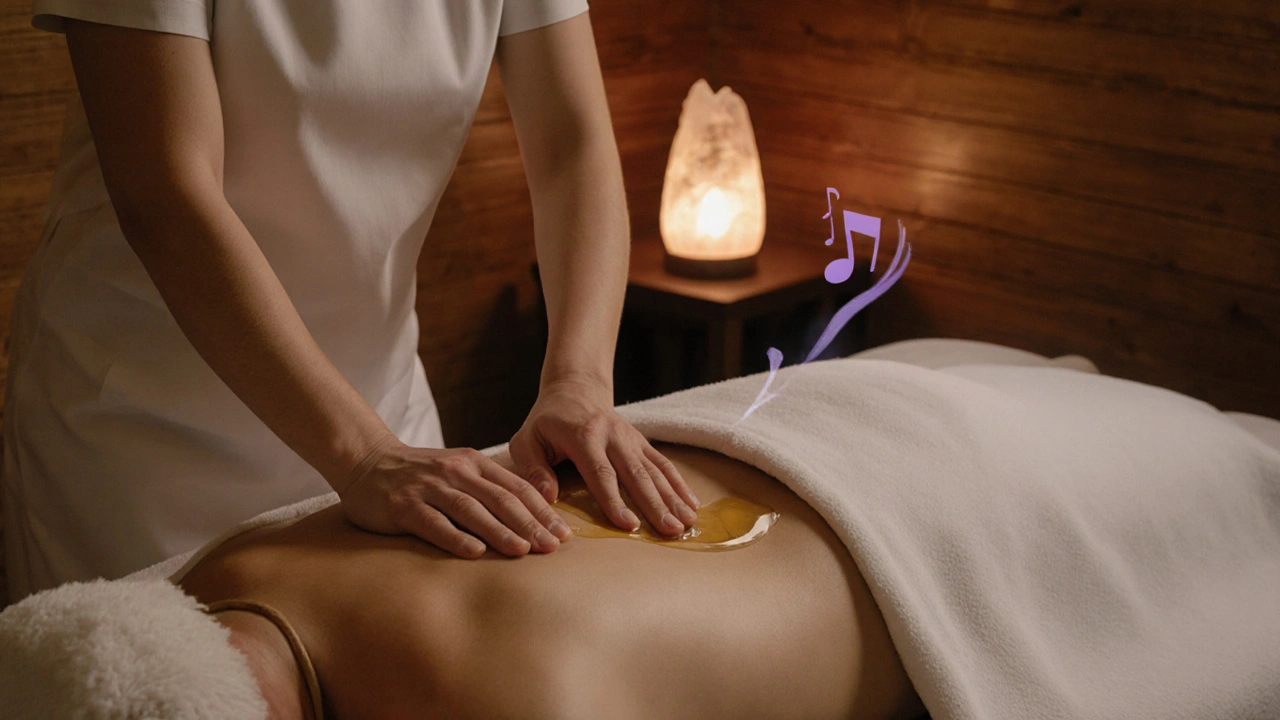
The Do's and Don'ts of a Full Body Massage
Learn the essential do's and don'ts of a full body massage to get the most relaxation and benefit. Avoid common mistakes and know what to expect during your session.