Head Massage Technique: Relief, Relaxation, and Science-Backed Benefits
When you think of massage, you probably picture your back or shoulders. But the head massage technique, a focused form of therapeutic touch that applies pressure to the scalp, temples, and neck to reduce tension and calm the nervous system. Also known as scalp massage, it’s one of the most underrated tools for daily stress relief. You don’t need a full-body session to feel the difference—just five minutes of gentle pressure on your scalp can lower cortisol, ease a pounding headache, and make your whole body feel lighter.
The tension headache, a common type of head pain caused by muscle tightness in the neck and scalp is often misdiagnosed as a migraine. But studies show that targeted head massage reduces the frequency and intensity of these headaches by relaxing the muscles that pull on sensitive nerves. It’s not magic—it’s biology. The skin on your scalp is packed with nerve endings connected directly to your brain’s pain centers. When you massage them, you send signals that override pain messages. That’s why so many people in Amsterdam who struggle with work stress or screen fatigue swear by weekly head massages.
And it’s not just about pain. The scalp relaxation, the deep calm that follows a skilled head massage, often triggers a parasympathetic response that slows heart rate and improves sleep. Think of it like hitting a reset button for your nervous system. No pills. No gadgets. Just hands, warmth, and rhythm. People who do it regularly report falling asleep faster, waking up less tense, and feeling more focused during the day. It’s especially helpful if you clench your jaw, hunch over your desk, or spend hours staring at a screen.
What makes a good head massage technique? It’s not about strength—it’s about consistency. Light circular motions on the scalp, slow strokes along the hairline, gentle pressure behind the ears, and a little work on the neck. Too much pressure hurts. Too little does nothing. The best therapists use their fingers, thumbs, and sometimes warm oils to guide the rhythm. You shouldn’t feel like you’re being punched—you should feel like you’re sinking into a quiet space.
You’ll find plenty of places in Amsterdam offering head massage as part of a full-body session. But the real benefit comes when it’s done alone—just you, a quiet room, and someone who knows how to listen with their hands. Some therapists combine it with breathwork or aromatherapy. Others keep it simple: touch, time, and presence. Either way, the result is the same: your mind stops racing, your shoulders drop, and your breathing slows down.
Whether you’re dealing with chronic headaches, burnout, or just need a quick reset between meetings, the head massage technique is one of the most accessible forms of therapy out there. You don’t need to book a luxury spa. You don’t need to spend hours. You just need to let someone—maybe even yourself—press gently into the places that hold your stress. Below, you’ll find real stories from people who made head massage part of their routine. Some found relief after years of pain. Others just wanted to sleep better. All of them discovered that sometimes, the smallest touch makes the biggest difference.
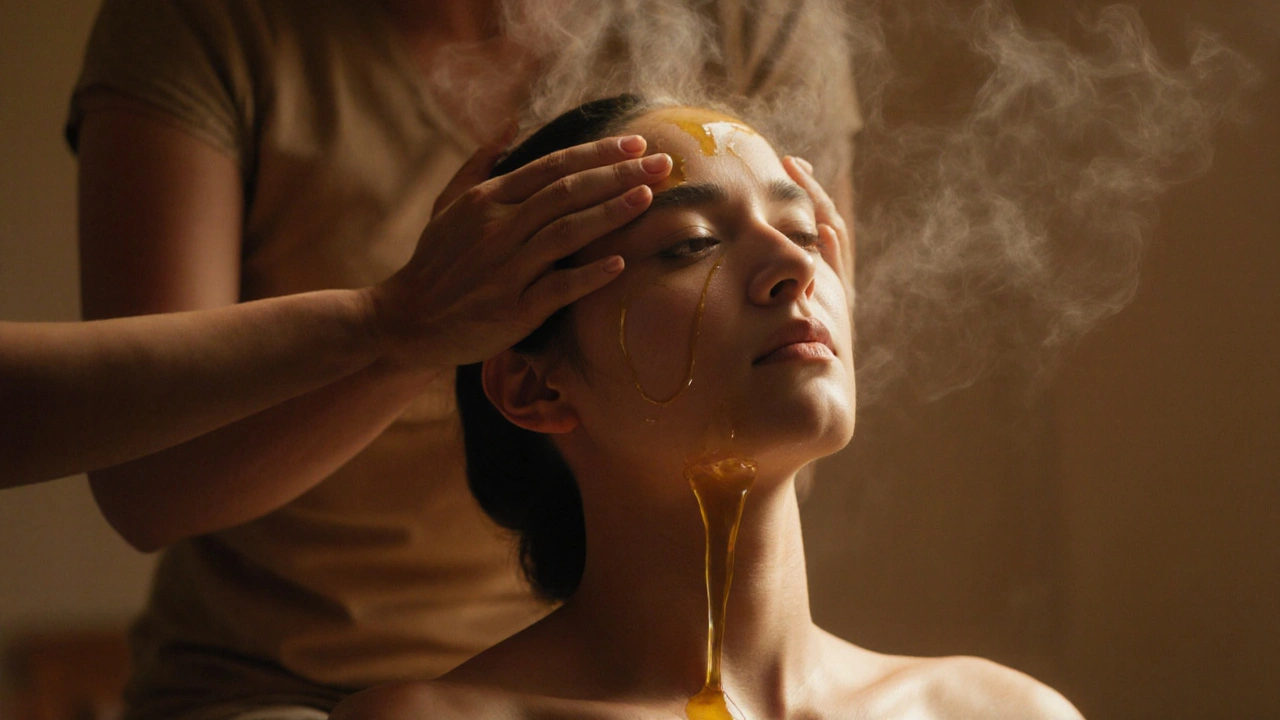
How to Choose the Right Head Massage Technique for You
Learn how to choose the right head massage technique for your needs-whether you're dealing with headaches, stress, or hair loss. Discover the top 5 methods and how to pick the best one for you.