Swedish Massage: Perfect First-Time Choice
Key Takeaways
- Swedish massage uses long, flowing strokes that ease tension without overwhelming new clients.
- It improves circulation, releases endorphins, and lowers stress levels.
- Most Amsterdam spas offer Swedish massage as a starter service, often combined with aromatherapy.
- Typical sessions last 60‑90 minutes and cost €60‑€90, with easy online booking.
- Safety tips: stay hydrated, communicate pressure preferences, and disclose any medical conditions.
Direct Answer
If you’ve never been massaged before, Swedish massage is the safest, most gentle entry point. Its soft, rhythmic motions target surface muscles, promote blood flow, and trigger the body’s natural relaxation response-all without the intensity of deep‑tissue or Thai techniques.
Comprehensive Guide to Swedish Massage for First‑Time Clients
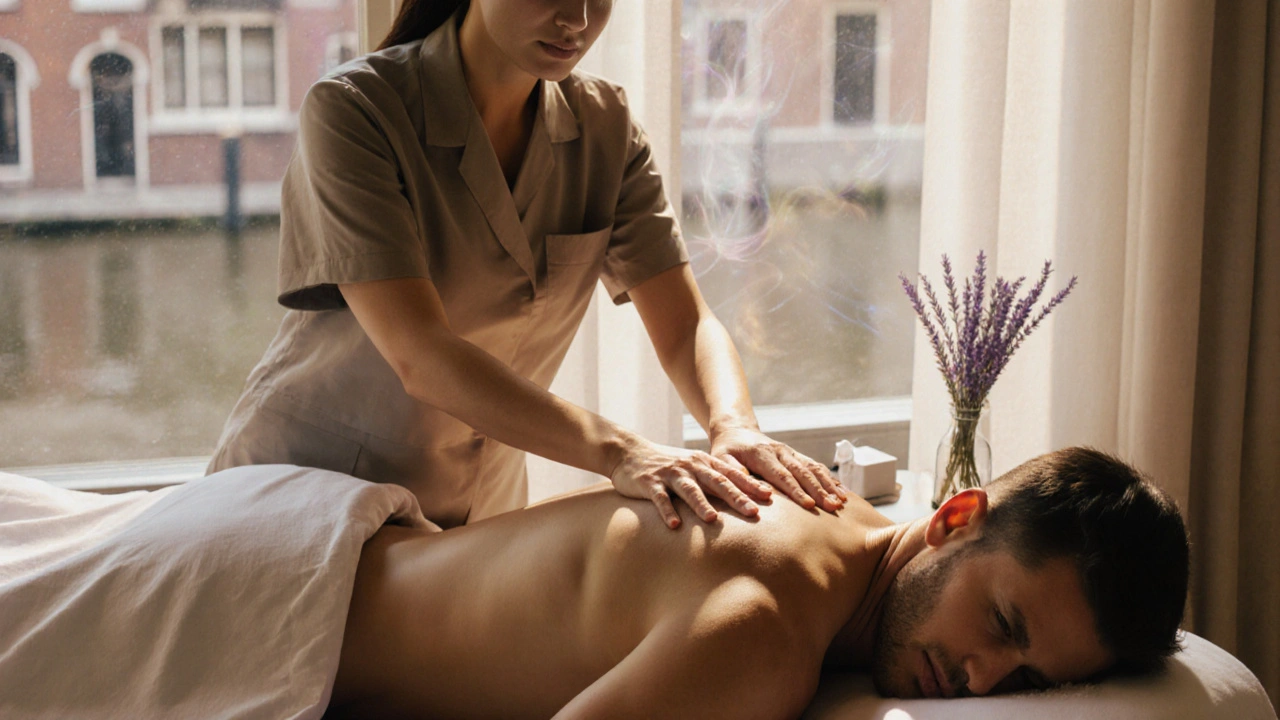
Imagine stepping into a calm room, the scent of lavender drifting in, and a therapist’s hands gliding over your shoulders like warm sunlight. That’s the essence of a Swedish massage experience designed for beginners. In this guide we’ll walk through what Swedish massage is, why it’s ideal for newcomers, and how to find a quality session in Amsterdam.
Definition and Context
When we talk about Swedish Massage is a type of massage therapy that focuses on gentle, flowing strokes, kneading, and circular movements to relax the entire body. Developed in the 19th century by Per Henrik Ling, it became the backbone of modern Western massage training. Unlike techniques that target deep layers of muscle, Swedish massage stays in the superficial fascia, making it perfect for those who are new to touch work.
Massage Therapy is a broad field covering various manual manipulation methods to improve health and wellbeing includes many styles, but Swedish is the most widely taught in schools and the most offered in commercial spas.
Benefits of Swedish Massage for First‑Timers
- Gentle pressure: The strokes are light to medium, avoiding the soreness that can follow a deep‑tissue session.
- Improved circulation: Long gliding movements encourage blood flow, delivering oxygen and nutrients to muscles.
- Endorphin release: Physical touch stimulates the brain to release natural painkillers, boosting mood.
- Stress reduction: The rhythmic rhythm activates the parasympathetic nervous system, lowering cortisol levels.
- Flexibility boost: Even shallow muscle work can loosen tight joints, making everyday movements feel easier.
One client in Amsterdam’s Amsterdam Spa offers a tranquil environment with trained therapists skilled in Swedish massage reported sleeping better after just one 60‑minute session.
Types of Swedish Massage Available in Amsterdam
Amsterdam’s wellness scene tailors Swedish massage to different preferences:
- Classic Swedish: The standard 5‑stroke sequence-effleurage, petrissage, friction, vibration, and tapotement.
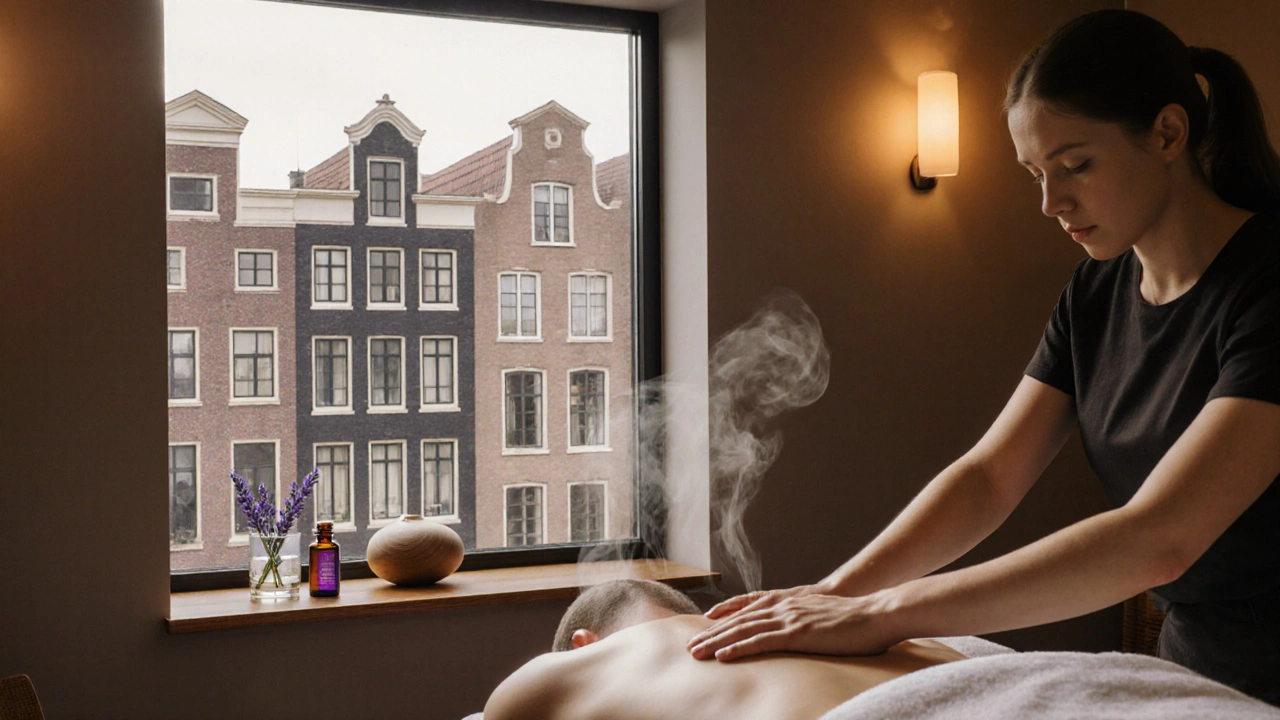
- Swedish with Aromatherapy: Essential oils (lavender, eucalyptus) are blended into the massage oil, adding a scent‑based relaxation layer.
- Swedish for Athletes: Light pressure focused on muscle groups used in sporting activities, helping with recovery without deep tissue intensity.
- Couples Swedish: Two side‑by‑side tables for partners who want to share the experience.
How to Find Swedish Massage Services in Amsterdam
Finding a reputable therapist is easier than you think. Follow these steps:
- Search “Swedish massage Amsterdam” on Google Maps. Look for spas with a minimum of 4‑star reviews and photos of treatment rooms.
- Check the therapist’s credentials. In the Netherlands, certified practitioners hold a “MBO Santé” or “HVCA” qualification.
- Read client testimonials on the spa’s website. Look for keywords like “first‑time” or “gentle pressure”.
- Call or use the online booking system to ask about session length, pressure options, and any introductory discounts.
- Confirm hygiene standards-clean linens, disposable drapes, and hand‑sanitized therapists are a must.
Neighborhoods such as De Pijp, Jordaan, and the Haarlemmerbuurt host a concentration of boutique spas that cater to beginners.
What to Expect During a Swedish Massage Session
Walking into the treatment room, you’ll likely notice soft lighting, calming music, and a faint aroma of essential oil. Here’s a typical flow:
- Consultation (5 minutes): The therapist asks about your health history, pressure preference, and any specific areas of tension.
- Undressing: You’ll be invited to lie on a padded table, covered with a sheet leaving only the area being worked on exposed.
- Effleurage (10‑15 minutes): Long, gliding strokes warm up the muscles and set a relaxed rhythm.
- Petrissage and Friction (15‑20 minutes): Gentle kneading and circular movements target surface muscle knots.
- Vibration & Tapotement (5‑10 minutes): Light shaking and rhythmic tapping energize the skin and nerve endings.
- Cool‑down (5 minutes): The therapist finishes with soft strokes, allowing your body to settle.
- Aftercare Talk (5 minutes): Recommendations on hydration, stretching, and when to schedule your next session.
Throughout, you’re encouraged to speak up if the pressure feels too light or strong. Communication is key to a comfortable first experience.
Pricing and Booking
Amsterdam spa prices for a beginner‑friendly Swedish massage typically fall into these ranges:
| Duration | Price (EUR) | Typical Location |
|---|---|---|
| 60 minutes | €60‑€75 | De Pijp boutique spa |
| 90 minutes | €80‑€95 | Jordaan wellness center |
| 120 minutes | €110‑€130 | Luxury hotel spa |
Many places offer a “first‑timer discount” of 10‑15% if you book online. Booking windows usually open a week in advance, but last‑minute slots appear on weekdays between 2‑4 pm.
Safety Tips for New Clients
- Stay hydrated before and after the session; water helps flush toxins released during massage.
- Tell the therapist about any injuries, surgeries, or chronic conditions (e.g., hypertension, arthritis).
- Start with a 60‑minute session to gauge comfort level before committing to longer appointments.
- If you feel light‑headed, ask the therapist to pause or adjust the pressure.
- After the massage, avoid hot showers for at least 30 minutes to let the body settle.
Comparison Table: Swedish Massage vs. Deep Tissue Massage in Amsterdam
| Feature | Swedish Massage | Deep Tissue Massage |
|---|---|---|
| Pressure Level | Light to medium | Medium to heavy |
| Primary Goal | Relaxation & circulation | Release chronic muscle knots |
| Typical Session Length | 60‑90 min | 60‑120 min |
| Ideal for Beginners | Yes | Often not recommended |
| Common Add‑Ons | Aromatherapy, hot stones | Trigger point therapy |
| Average Price (EUR) | €60‑€95 | €80‑€130 |
FAQ: Your Questions About Swedish Massage Answered
Is Swedish massage safe for people with chronic back pain?
Yes. Because the pressure stays on surface muscles, it eases tension without aggravating deeper spinal structures. Just tell the therapist about your condition so they can focus on supportive strokes.
Do I need to be naked for a Swedish massage?
No. You stay covered by a sheet or towel; only the area being worked on is exposed. Most spas respect modesty preferences.
How often should a first‑timer get a Swedish massage?
Starting with a monthly session lets your body adjust while you enjoy the benefits. You can increase frequency based on personal stress levels and budget.
Can Swedish massage help with poor circulation?
Absolutely. The long gliding strokes stimulate blood flow to extremities, which can reduce swelling and improve oxygen delivery.
What should I wear to my first session?
Comfortable, easy‑to‑remove clothing works best-think leggings, a loose t‑shirt, or soft underwear. You’ll change into a drape provided by the spa.
Ready to Experience Your First Swedish Massage?
Now that you know why Swedish massage is the go‑to option for newcomers, pick a reputable Amsterdam spa, book a 60‑minute slot, and let those gentle strokes do the work. Your body will thank you, and you’ll walk out feeling lighter, calmer, and ready for whatever comes next.

Darren Thornton
October 23, 2025 AT 16:53Swedish massage is often recommended for newcomers due to its low‑pressure techniques. It operates primarily on the superficial fascia, avoiding deep tissue stress. The five classic strokes-effleurage, petrissage, friction, vibration, tapotement-provide a systematic approach to muscle relaxation. Because the pressure is modifiable, therapists can calibrate each stroke to the client’s feedback. Hydration before and after a session is essential to support metabolic processes. Alcohol consumption should be avoided within 24 hours to prevent excessive vasodilation. Clients with hypertension must inform the therapist so that pressure can be kept within safe limits. The typical 60‑minute session yields measurable increases in peripheral blood flow, as documented in several peer‑reviewed studies. Moreover, endorphin release triggered by skin mechanoreceptors contributes to mood elevation. A well‑ventilated treatment room with dim lighting reduces sympathetic nervous system activity. In Amsterdam, reputable spas display therapist credentials such as MBO Santé or HVCA on their websites. Verification of these credentials can be done through the Dutch Massage Association's online registry. Booking online often provides a 10‑15 % discount for first‑time clients, which can be combined with a complimentary aromatherapy add‑on. Clients should arrive ten minutes early to complete the health questionnaire and discuss pressure preferences. Finally, post‑massage, a light stretching routine can prolong the benefits for up to 48 hours.
Deborah Moss Marris
October 23, 2025 AT 19:20For anyone stepping into a Dutch spa for the first time, I recommend confirming the therapist’s certification on the spot and asking about their experience with first‑time clients. Make sure the environment feels clean-fresh linens, disposable drapes, and a sanitized therapist are non‑negotiable. Communicate your pressure preference early; most therapists will adjust on the fly if you speak up. Remember to drink a glass of water after the session to help flush out any metabolites released during the massage.
Peter Szarvas
October 23, 2025 AT 21:50Great points! Adding to that, many spas in De Pijp and Jordaan offer a brief post‑massage tea service, which can further aid hydration and relaxation. If you’re budget‑conscious, look for the “first‑timer” promo codes on the spa’s website; they often stack with weekday discounts. Finally, a quick 5‑minute neck stretch before you leave can lock in the increased range of motion you just earned during the session.
Kimberly Bolletino
October 24, 2025 AT 00:20If you ignore the therapist’s advice, you’re only hurting yourself.
Elina Willett
October 24, 2025 AT 02:50Oh, absolutely-everyone raves about Swedish massage like it’s the holy grail of relaxation, but let’s not pretend it isn’t a glorified back rub sold to tourists. The truth is, most spas use the same generic oil and repeat the same five strokes regardless of your unique tension patterns. They market it as “personalized care,” yet the therapist often follows a script to keep the turnover high. If you’re looking for genuine therapeutic benefit, you might have to seek out a practitioner who actually tailors each session, not just recites a brochure. Otherwise, you’re just paying for ambience and a scented candle.
Joanne Chisan
October 24, 2025 AT 05:20Our own country’s wellness standards dwarf those of any Amsterdam boutique; you’ll never find a better experience back home. Plus, supporting local practitioners keeps the economy strong.