Lymphatic Drainage Massage: The Ultimate Guide for Beginners
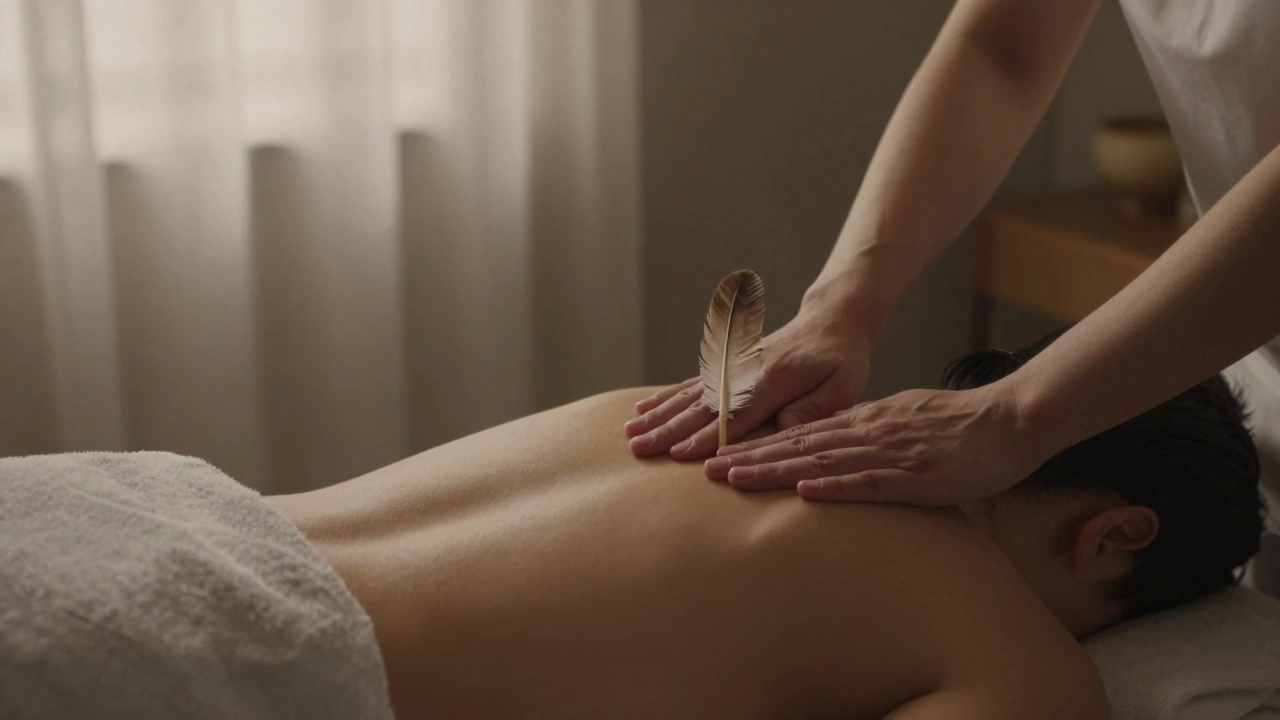
Ever feel swollen, tired, or just plain stuck-like your body is holding onto something it can’t let go of? You’re not imagining it. That heavy feeling in your legs after a long day, the puffiness under your eyes in the morning, or even that constant low-grade fatigue? It might not be laziness. It could be your lymphatic system crying out for help. And here’s the good news: there’s a gentle, non-invasive way to wake it up-lymphatic drainage massage.
Key Takeaways
- Lymphatic drainage massage is a light, rhythmic technique that helps move fluid out of tissues and back into circulation.
- It’s not a deep tissue massage-think feather-light touches, not pressure.
- Best for reducing swelling, improving skin tone, and boosting recovery after injury or surgery.
- Safe for most people, but avoid if you have active infections, heart failure, or kidney disease.
- You can learn basic moves to do at home-even 5 minutes a day makes a difference.
What Exactly Is Lymphatic Drainage Massage?
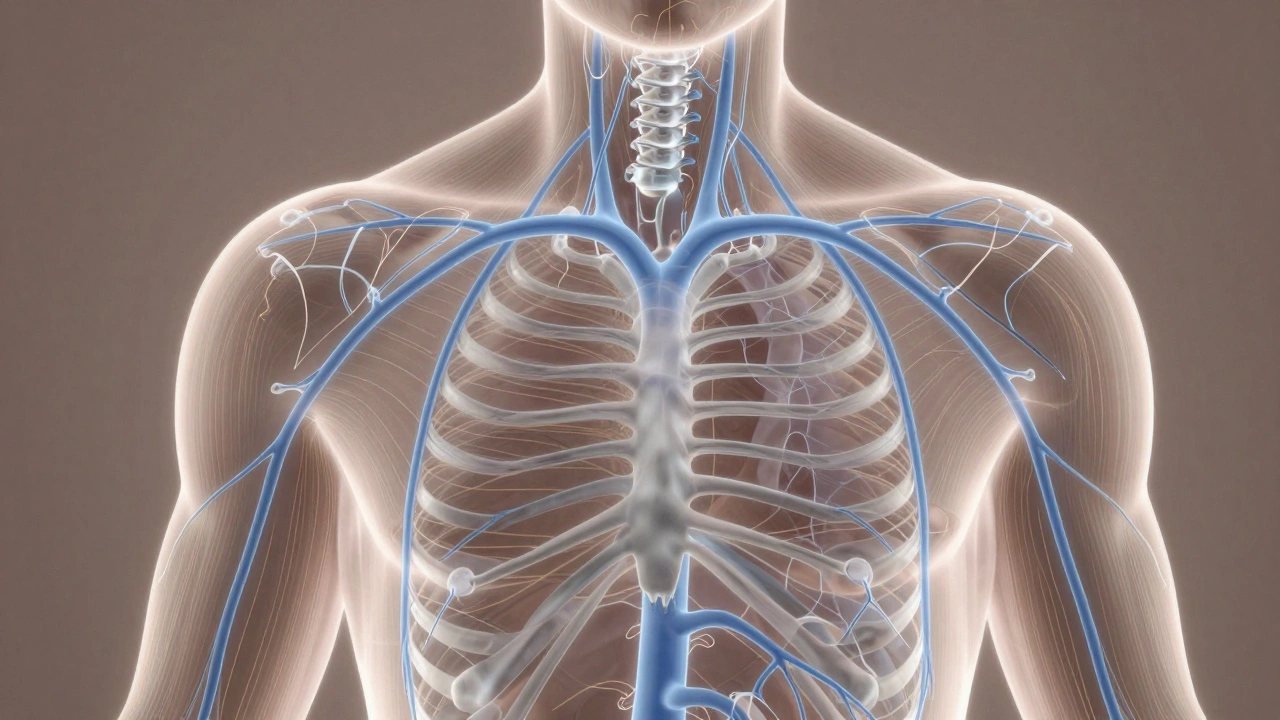
The lymphatic system is your body’s hidden cleanup crew. It’s a network of vessels, nodes, and organs that collect waste, toxins, excess fluid, and even dead cells from your tissues. Unlike your blood system, which has a pump (your heart), the lymphatic system has no engine. It relies on movement-muscle contractions, breathing, and yes-gentle massage-to keep things flowing.
Lymphatic drainage massage, also called manual lymphatic drainage (MLD), is a specialized technique developed in the 1930s by Danish therapists. It uses extremely light pressure-about the weight of a nickel-on the skin. The strokes are slow, circular, and follow the natural path of lymph flow: toward the collarbones and neck, where lymph drains into the bloodstream.
Think of it like clearing a clogged drain. If water sits too long, it pools. Same with lymph. When it gets sluggish, you get swollen ankles, puffy eyes, or even dull skin. MLD doesn’t force anything. It simply guides the fluid where it needs to go.
Why You Might Need It (Even If You’re Not Sick)
You don’t have to be recovering from surgery to benefit. Here’s what real people notice after just a few sessions:
- Reduces morning puffiness - Especially under the eyes or in the face. Many people in Amsterdam swear by it after winter or a night of too much wine.
- Improves skin clarity - By removing toxins and excess fluid, skin looks brighter, less congested. Acne and rosacea sufferers often report fewer flare-ups.
- Speeds up recovery - After workouts, injuries, or even cosmetic procedures like liposuction, MLD helps reduce bruising and swelling faster than ice or rest alone.
- Boosts immune function - Since lymph nodes filter pathogens, moving lymph around helps your body detect threats quicker.
- Calms the nervous system - The slow, rhythmic motion triggers your parasympathetic nervous system. It’s like a reset button for stress.
One client I know-a 38-year-old teacher-started doing weekly sessions after her knee surgery. Within two weeks, her swelling dropped by 70%. She kept going, not because she had to, but because she felt lighter. Like she’d shed an invisible coat.
Types of Lymphatic Drainage Massage Available in Amsterdam
In Amsterdam, you’ll find two main approaches:
- Classic MLD (Vodder Technique) - The gold standard. Developed by Dr. Emil Vodder in the 1930s. Practitioners use precise, directional strokes based on anatomy. This is what most clinics and physiotherapists offer. Ideal for post-surgical care or chronic swelling.
- Combination MLD + Relaxation Massage - Some spas blend MLD with light Swedish strokes for a more soothing experience. Good if you’re new to it and want to ease in. But make sure the therapist still follows lymphatic flow patterns-otherwise, you’re just getting a light massage.
Be wary of places that call it “detox massage” or “cellulite reduction.” Those are buzzwords. True lymphatic drainage doesn’t involve deep kneading, hot stones, or oils that clog pores. It’s clean, slow, and focused.
How to Find Lymphatic Drainage Massage Services in Amsterdam
Not every masseuse knows how to do this right. Here’s how to find a qualified provider:
- Look for certified MLD therapists - Ask if they’ve completed a 100+ hour certification in Vodder or Leduc technique. Many physiotherapists and occupational therapists in Amsterdam are trained in this.
- Check clinics linked to hospitals - Places like Amsterdam UMC or Onze Lieve Vrouwe Gasthuis (OLVG) often offer MLD through their rehabilitation departments.
- Read reviews that mention specific results - Look for comments like “reduced my post-op swelling” or “my face stopped looking puffy.” Vague praise like “so relaxing” doesn’t mean they did lymphatic work.
- Try a few neighborhoods - The Jordaan, De Pijp, and Oud-West have several reputable clinics. Try De Lymfatische Kliniek in the Jordaan or Physio & Lymph in De Pijp.
Pro tip: Book a 60-minute session. Most beginners think 30 minutes is enough-but lymphatic flow takes time. You need at least 45 minutes of actual work to make a difference.
What to Expect During a Session
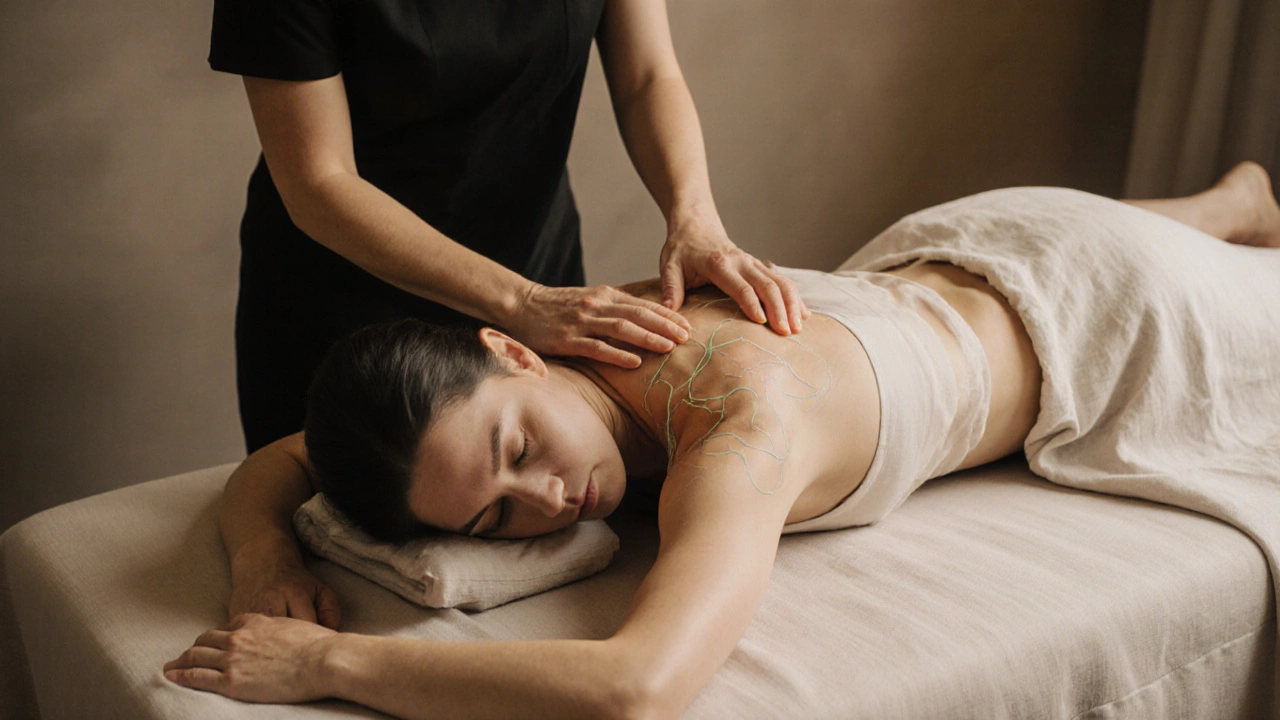
Picture this: You’re lying on a warm table, dim lights, soft music. The therapist starts by placing their hands on your collarbone-no pressure, just resting. Then, they glide their fingers in a slow, circular motion toward your armpits. It feels like a feather brushing your skin. You might not even feel much at first.
Here’s the sequence:
- They begin at the neck and collarbone-this is the main drainage zone.
- Then they work down the arms, legs, and torso-always moving toward the center.
- They’ll gently press on lymph node areas: behind the knees, groin, and under the jaw.
- There’s no oil. No deep pressure. No music blasting. Just quiet, intentional movement.
- Most sessions last 60-90 minutes. You’ll feel calm, sometimes even sleepy. That’s normal.
Afterward, you might feel thirsty. Drink water. You might feel a little tired. Rest. Some people notice increased urination or bowel movements the next day. That’s your body flushing out what was stuck.
Pricing and Booking
In Amsterdam, expect to pay between €65 and €110 per session. Here’s the breakdown:
- €65-€80 - Community clinics or trainee therapists (still supervised, often very good).
- €85-€110 - Private practitioners with 5+ years of experience and hospital affiliations.
- Package deals - Many places offer 3- or 5-session bundles at 10-15% off. Recommended if you’re tackling chronic swelling or post-surgery recovery.
Booking is easy. Most clinics take online reservations. Look for keywords like “manual lymphatic drainage,” “MLD,” or “lymphedema therapy.” Avoid places that list it under “detox” or “wellness packages” without specifics.
Safety Tips: Who Should Avoid It?
MLD is safe for most people-but not everyone. Skip it if you have:
- Active infection - Fever, flu, or cellulitis. Moving lymph can spread bacteria.
- Heart failure or severe kidney disease - Your body can’t handle the extra fluid load.
- Untreated cancer - Unless cleared by your oncologist. Lymphatic flow can theoretically move cancer cells (though evidence is weak, better safe than sorry).
- Deep vein thrombosis (DVT) - A blood clot in a deep vein. MLD could dislodge it.
If you’re pregnant, it’s generally safe after the first trimester-but always check with your OB-GYN. And if you’re on diuretics (water pills), you might need fewer sessions. Your body’s already flushing fluid.
Comparison Table: Lymphatic Drainage Massage vs. Swedish Massage
| Feature | Lymphatic Drainage Massage | Swedish Massage |
|---|---|---|
| Pressure | Feather-light (1-2 mm depression) | Medium to firm |
| Goal | Move lymph fluid, reduce swelling | Relax muscles, improve circulation |
| Technique | Slow, directional strokes following lymph pathways | Long glides, kneading, friction |
| Best for | Puffiness, post-surgery, chronic swelling, skin issues | Stress, muscle tension, general relaxation |
| Oil used | Usually none | Yes |
| Session length | 60-90 minutes | 60 minutes |
| After-effects | Thirst, fatigue, increased urination | Relaxed, slightly sore |
Can You Do It Yourself at Home?
Yes. And you should.
You don’t need to spend €100 a week. Basic daily self-massage can keep things moving. Here’s a simple routine:
- Neck and collarbone - Use two fingers. Gently press and slide from your sternum toward your ears. Do 5 slow circles on each side.
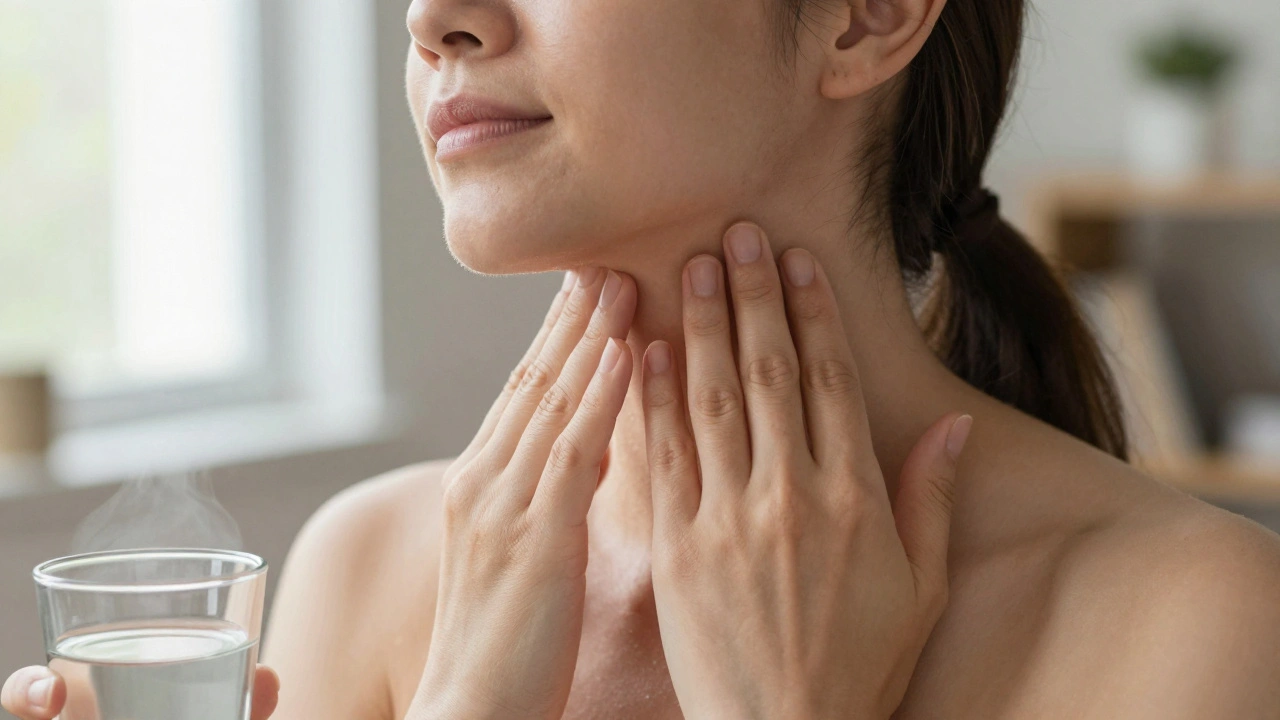
- Under the jaw - Slide from your chin toward your ears. Helps reduce facial puffiness.
- Arms - Start at your wrist. Lightly stroke upward toward your armpit. Repeat 5 times per arm.
- Legs - Start at your ankle. Stroke upward toward your groin. Do 5 strokes per leg.
Do this in the morning, after a shower, or before bed. Just 5 minutes a day. No oil needed. Just dry hands on dry skin.
One woman I know, a nurse in Haarlem, started doing this after her knee replacement. Within a month, she stopped needing compression socks. She says it’s her “quiet ritual.”
Frequently Asked Questions
How often should I get lymphatic drainage massage?
For general wellness, once a month is enough. If you’re dealing with swelling, post-surgery, or chronic puffiness, aim for 2-3 times a week for 2-4 weeks, then taper off. Many people notice changes after just one session, but lasting results take consistency.
Does lymphatic drainage massage help with weight loss?
No. It doesn’t burn fat or melt calories. But it can reduce temporary water retention, which might make you look slimmer for a few days. Think of it as reducing bloating-not losing pounds. If someone promises weight loss, they’re overselling.
Can I do it after liposuction or a facelift?
Yes-and it’s often recommended. Many plastic surgeons in Amsterdam require MLD after cosmetic surgery. It reduces bruising, prevents scar tissue buildup, and speeds up healing. Start 3-5 days after surgery, once your doctor clears you.
Why do I feel tired after a session?
Your body is working hard to process and eliminate toxins. It’s not exhaustion-it’s detox fatigue. Drink water, rest, and avoid caffeine or alcohol for the next 6-8 hours. You’ll feel refreshed by the next day.
Is lymphatic drainage massage the same as a detox cleanse?
No. Detox cleanses involve drinking potions, fasting, or taking supplements. Lymphatic drainage is purely physical. It supports your body’s natural cleanup system-you don’t need to change what you eat. It’s about movement, not magic potions.
Ready to Feel Lighter?
You don’t need to wait until you’re in pain to try this. If you’ve ever looked in the mirror and thought, “Why do I look so tired?”-this could be the answer. Start small. Try a 30-minute session. Do the 5-minute routine at home. Drink more water. Your body’s been holding onto more than you realize. Let it go.


Andy Haigh
February 26, 2026 AT 14:28Lymphatic drainage is just another way the wellness industrial complex sells you snake oil while your real problems go unaddressed
They don’t want you to know that lymph flow is driven by movement and breathing-not some $100 touchy-feely ritual
Stop outsourcing your biology to spa therapists and get off your ass
Do push-ups. Walk. Breathe deep. That’s the real MLD