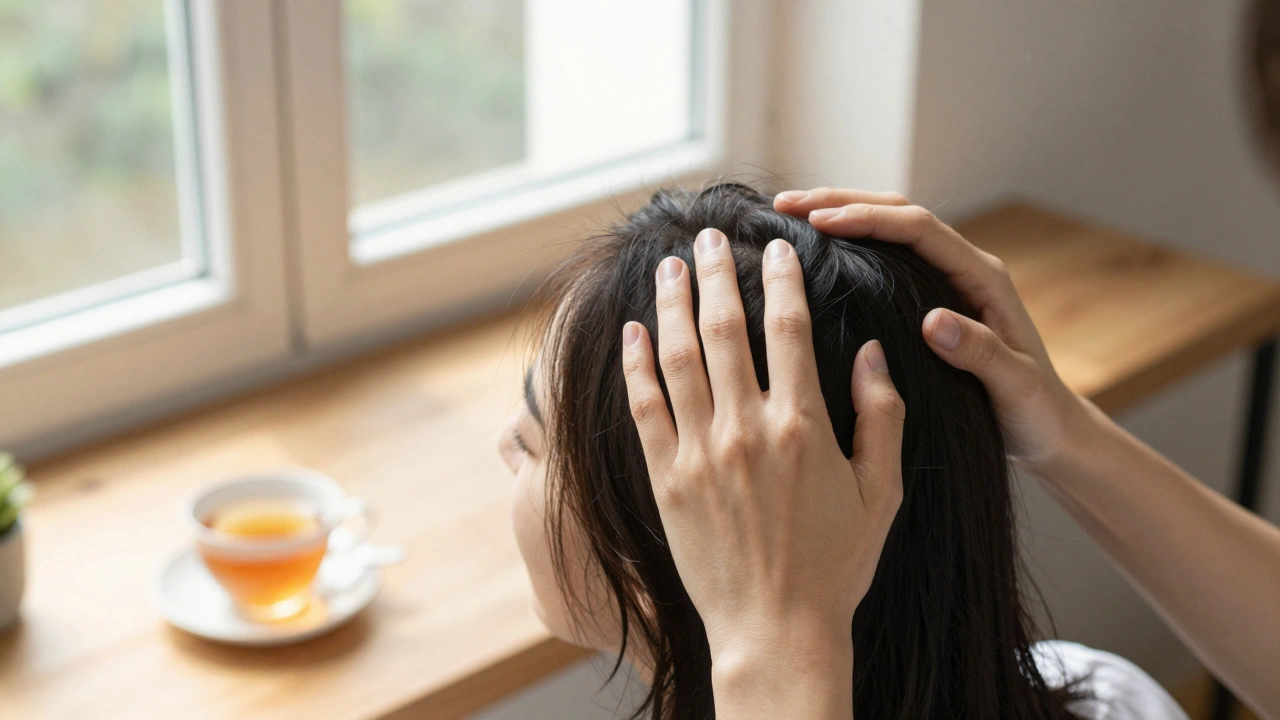
Head Massage: A Simple Solution to Everyday Stress

Quick Takeaways
If you have been carrying the weight of the world on your shoulders lately, you are not alone. Here is what matters most:
- Rapid Decompression: A focused session targets tight muscles in the neck and scalp instantly.
- Blood Flow Boost: Stimulation increases circulation, clearing mental fog.
- Nerve Regulation: Touch signals the parasympathetic nervous system to switch off "fight or flight" mode.
- No Tools Needed: You can practice basic techniques right at home.
- Local Options: Many therapists in Amsterdam specialize exclusively in cranial work.
The Reality of Modern Tension
Ever walk into a room and realize you have been holding your breath since you sat at your desk this morning? That is what chronic stress feels like. We spend hours staring at screens, shoulders hunched, jaws clenched. The result is not just mental fatigue; it is physical accumulation.
Head Massage is a therapeutic treatment focusing on applying pressure and movement to the scalp, face, and neck to relieve tension. Unlike full-body sessions, this modality zeroes in on the area where we hold the most emotional baggage. In Amsterdam, where the pace of city life accelerates year-round, finding a moment of stillness becomes a necessity rather than a luxury.
You might think skipping lunch or grabbing coffee fixes the slump, but neither addresses the root cause. Your body needs tactile input to understand that the coast is clear. This is where dedicated cranial therapy steps in to reset your baseline.
Why the Head is Your Stress Command Center
The skull acts as a protective cage for your brain, but the muscles wrapping around it tell a different story. When anxiety hits, the epicranial muscles tighten like armor plating. Over weeks, these knots become permanent fixtures if left unchecked.
Symptoms often manifest before you even realize you are stressed. Do you wake up with dull pain behind your eyes? Or perhaps that familiar ache radiating from the base of your skull down to the shoulders? These are classic signs of referred pain caused by fascial adhesions in the scalp.
By manipulating these tissues, you trigger a physiological response. The release of endorphins provides immediate chemical relief. More importantly, the pressure applied to specific points sends calming signals directly through the trigeminal nerve. It is biology working in your favor, provided you give it the stimulus it needs.
Types of Techniques Available
Not every session looks the same. Depending on the therapist's training, you might encounter distinct approaches:
- Standard Scalp Massage: Uses circular motion to loosen hair follicles and underlying skin. Often used in conjunction with aromatherapy.
- Reflexology: Treats the head like a map of your internal organs. Pressing certain nodes claims to influence energy flow elsewhere in the body.
- Craniosacral Therapy: A more subtle touch that follows the rhythmic pulse of cerebrospinal fluid. Ideal for deep nervous system regulation.
- Acupressure: Targets precise points (like the "third eye" or temple) based on Traditional Chinese Medicine principles to unblock stagnation.
In local wellness centers in the Netherlands, you will frequently see practitioners blend these methods. For example, starting with a firm kneading technique to warm up the muscle before moving to gentle acupressure for sustained calm. Always ask what approach the practitioner uses so you know what suits your preference.
Finding Professional Services in Amsterdam
Locating quality care requires looking beyond generic Google Maps listings. Amsterdam has a dense network of wellness providers, particularly in areas known for alternative health practices. Neighborhoods like De Pijp and Oud-West tend to host independent clinics rather than large chains.
When searching for a provider, check their credentials. Does the practitioner belong to an organization like NVM (Nederlands Verbond voor Masseurs en Manuele Therapeuten)? Certification ensures they understand anatomy deeply enough to avoid causing harm to delicate cervical structures.
Read reviews specifically mentioning "tension" or "migraine." General praise about "ambience" does not tell you if they effectively treat physical pain. If a therapist mentions experience with burnout or psychosomatic symptoms, that is a strong indicator they understand the psychological aspect of the stress cycle.
What Happens During a Session
Walking in, you might worry about awkward undressing requirements. Relax-most head massages require staying fully clothed, perhaps with just your shoes off. The focus remains entirely above the neck, though some practitioners may work down to the upper trapezius.
- Consultation: Briefly discuss where you feel the most tension. Mention any recent injuries or history of migraines.
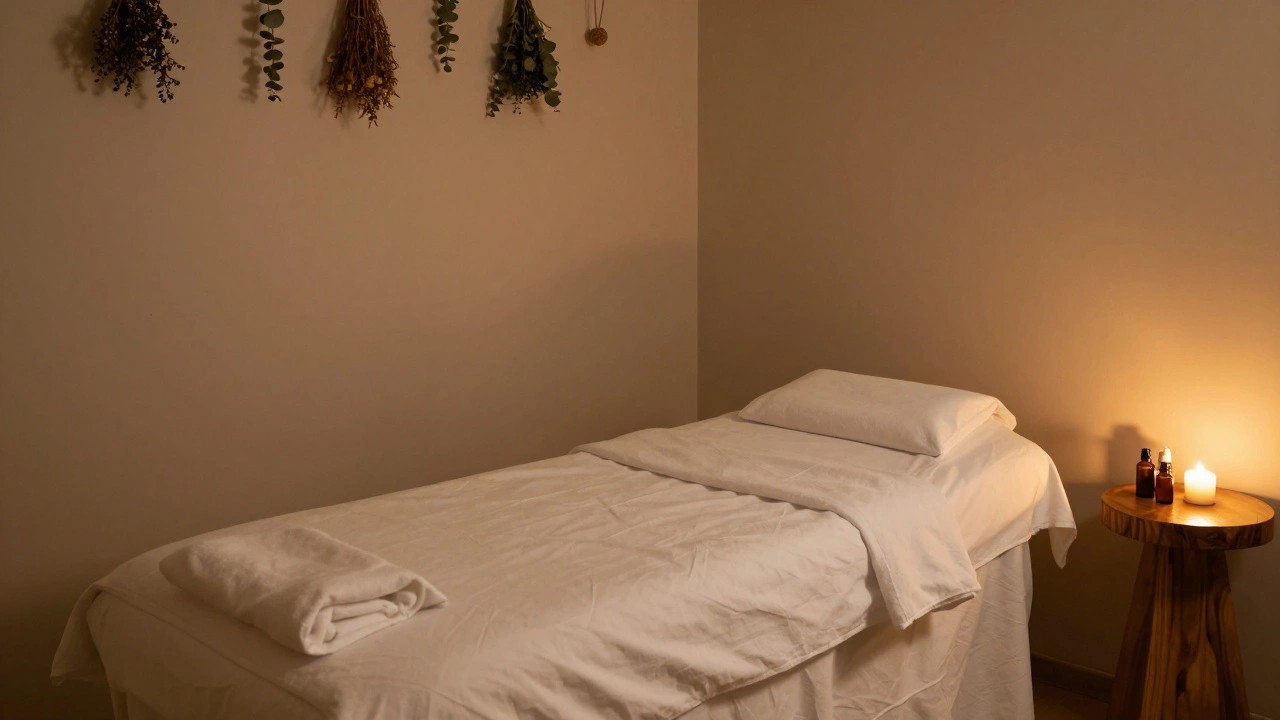
- Preparation: You lie down on a massage chair or couch. Warm oil or lotion might be applied to reduce friction on the scalp.
- Work Phase: Expect rhythmic rubbing, tapping, or pressing. You might feel heat building up or a heavy sensation as blood rushes to the surface.
- Cool Down: The session ends gently. Drink plenty of water immediately after to flush metabolic waste products released during the manipulation.
A single appointment usually lasts between forty-five minutes and an hour. This window allows enough time for the fascia to respond without overwhelming your energy levels.
Pricing and Booking Logistics
Costs vary significantly based on the setting. A hotel spa will charge a premium for privacy, whereas a community clinic might offer lower rates while maintaining high skill standards. Prices typically range from €65 to €95 per session depending on the duration.
Booking availability in popular spots can be tight, especially during winter months when people crave indoor relaxation. Set up alerts on clinic websites or book via WhatsApp if offered, as many independent therapists manage their own calendars directly.
| Type of Service | Typical Price Range | Duration | Ideal For |
|---|---|---|---|
| Therapist Clinic | €50 - €75 | 45 mins | Targeted pain relief |
| Luxury Spa Treatment | €80 - €120 | 60 mins | Full relaxation experience |
| Community Workshop | €30 - €45 | 30 mins | Learning self-care skills |
| Home Visit | €70 - €100 | 60 mins | Mobility issues or privacy |
Safety and Precautions
While generally safe, there are situations requiring caution. If you suffer from chronic migraines, aggressive pressure can sometimes trigger an episode. Communicate this clearly so the therapist adjusts intensity. Similarly, avoid intense scrubbing motions if you are dealing with psoriasis or open wounds on the scalp.
Never attempt to "crack" your own neck forcefully. Manipulating vertebrae without training carries injury risks. Focus instead on the soft tissue surrounding the bones. Listen to your body-if a spot feels sharp rather than pleasantly sore, ease off immediately.
Simple Self-Care Routine
You do not need to wait for a booking slot to start helping yourself tonight. Try this quick five-minute routine while seated:
- Forehead Glides: Place palms on your forehead and slide them upward toward the hairline repeatedly.
- Temple Circles: Using index fingers, draw small circles on both temples simultaneously in a clockwise direction.
- Nape Knead: Grab the muscles at the base of your skull with both hands and squeeze gently while breathing deeply.
Doing this consistently for three days can noticeably reduce the frequency of tension headaches over time.
Frequently Asked Questions
Is head massage better than full body massage?
It depends on your goal. If you want deep relaxation throughout the whole frame, choose full body. However, if your stress presents as headaches or jaw clenching, head massage is far more targeted and efficient.
How long do results last after a session?
Immediate relief often lasts for several days. Consistent treatments once a week tend to produce cumulative benefits, reducing overall baseline tension levels over time.
Can I wash my hair after getting a head massage?
Yes, washing hair immediately after is fine. Some professionals recommend waiting 30 minutes to let the essential oils absorb fully into the skin if they were used.
Does it help with insomnia?
Yes, because it activates the parasympathetic nervous system. Doing a gentle version right before bed mimics a safety signal to your brain, promoting deeper sleep onset.
Are there specific oils recommended for sensitive scalps?
Jojoba and almond oil are standard choices due to low allergy risk. If you have sensitive skin, always perform a patch test with your therapist before committing to regular treatments with heavy botanicals.