Exploring the Sensual Art of Tantric Massage for Beginners
You’ve heard whispers about tantric massage-soft music, slow touch, a feeling of deep calm that lingers long after the session ends. But if you’re new to it, you might be wondering: Is this just another spa treatment? Or is there something more? The truth is, tantric massage isn’t about sex. It’s not about orgasm. It’s not even really about massage in the way you think of it. It’s about presence. About connection. About rediscovering how your body feels when it’s not being rushed, judged, or fixed.
For beginners, this can feel overwhelming. What do you wear? What happens if you get aroused? Is this spiritual? Do I need to believe in chakras? Let’s cut through the noise. This isn’t magic. It’s a practice. And like any practice, it gets easier when you know what to expect.
What Exactly Is Tantric Massage?
Tantric massage comes from ancient Indian spiritual traditions, but today’s version is more about mindfulness than mysticism. It blends slow, intentional touch with breath awareness to help you drop into your body. Unlike a Swedish or deep tissue massage, where the goal is muscle relief, tantric massage aims to awaken your nervous system-not to excite it, but to calm it deeply.
The word "tantra" means "to expand" or "to weave." In this context, it’s about weaving together sensation, breath, and awareness. The therapist doesn’t just move their hands over your skin-they move with you. Their touch is slow, deliberate, and often starts with non-sexual areas: your back, shoulders, feet, or scalp. The idea is to build trust, not tension.
Many people assume tantric massage is erotic. It’s not. It’s sensual. There’s a difference. Sensual means inviting pleasure through touch, sound, scent, and presence. Erotic means sexual intent. Tantric massage invites you to feel pleasure without pressure to perform, climax, or even respond.
Why Try It? The Real Benefits
Let’s be honest: life is loud. Stress, screens, deadlines-they all pile up. Tantric massage doesn’t just relax your muscles. It rewires your nervous system. Studies from the Journal of Bodywork and Movement Therapies show that slow, rhythmic touch lowers cortisol levels by up to 30% in just one session. That’s not placebo. That’s biology.
Here’s what most beginners notice after their first session:
- You breathe deeper-naturally, without trying.
- Your body feels lighter, like you’re floating after a nap.
- You notice sensations you usually ignore: the warmth of your hands, the tingle in your fingertips, the rhythm of your heartbeat.
- You feel less anxious. Not because something was "fixed," but because you were truly seen and held.
One woman in Amsterdam, 42, told me after her first session: "I hadn’t felt this calm since before my divorce. I didn’t cry. I didn’t even think. I just… existed. And for once, that was enough."
What Happens During a Session? A Step-by-Step Walkthrough
Most sessions last 60 to 90 minutes. Here’s what you can expect:
- Pre-session chat: You’ll talk briefly with the therapist-no pressure to share personal history. Just what you’re hoping to feel: relaxation? release? curiosity?
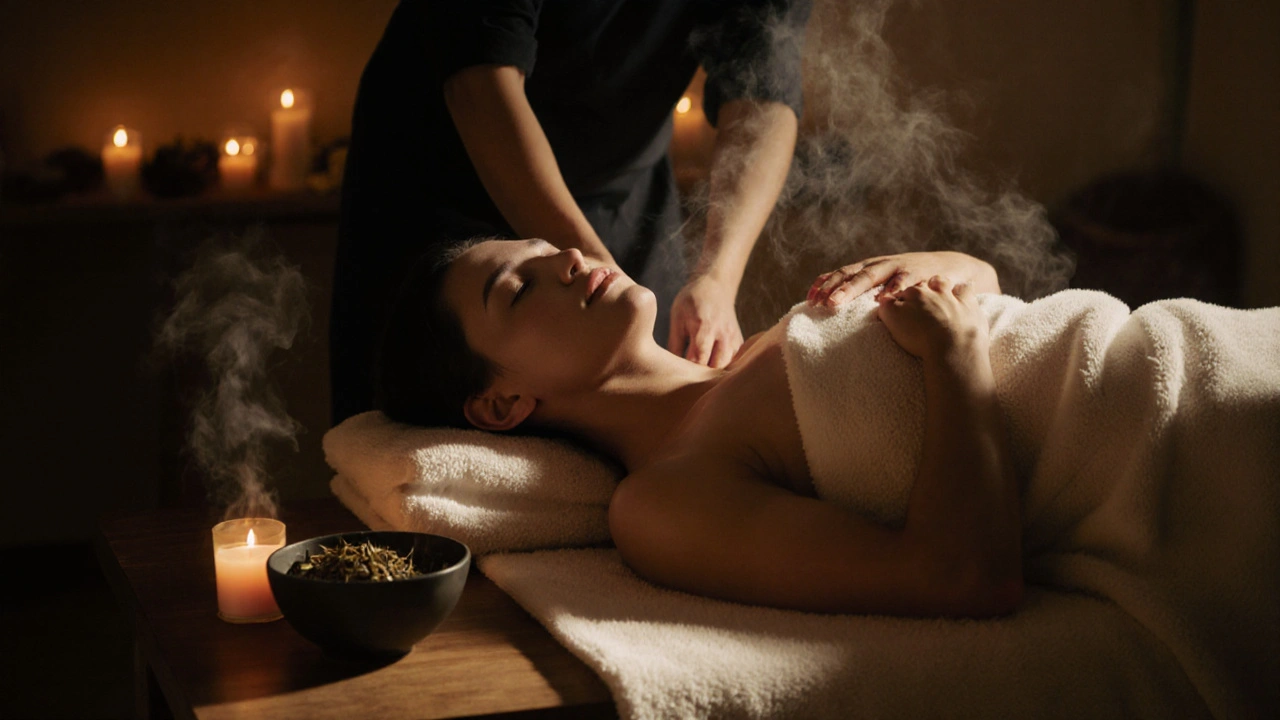
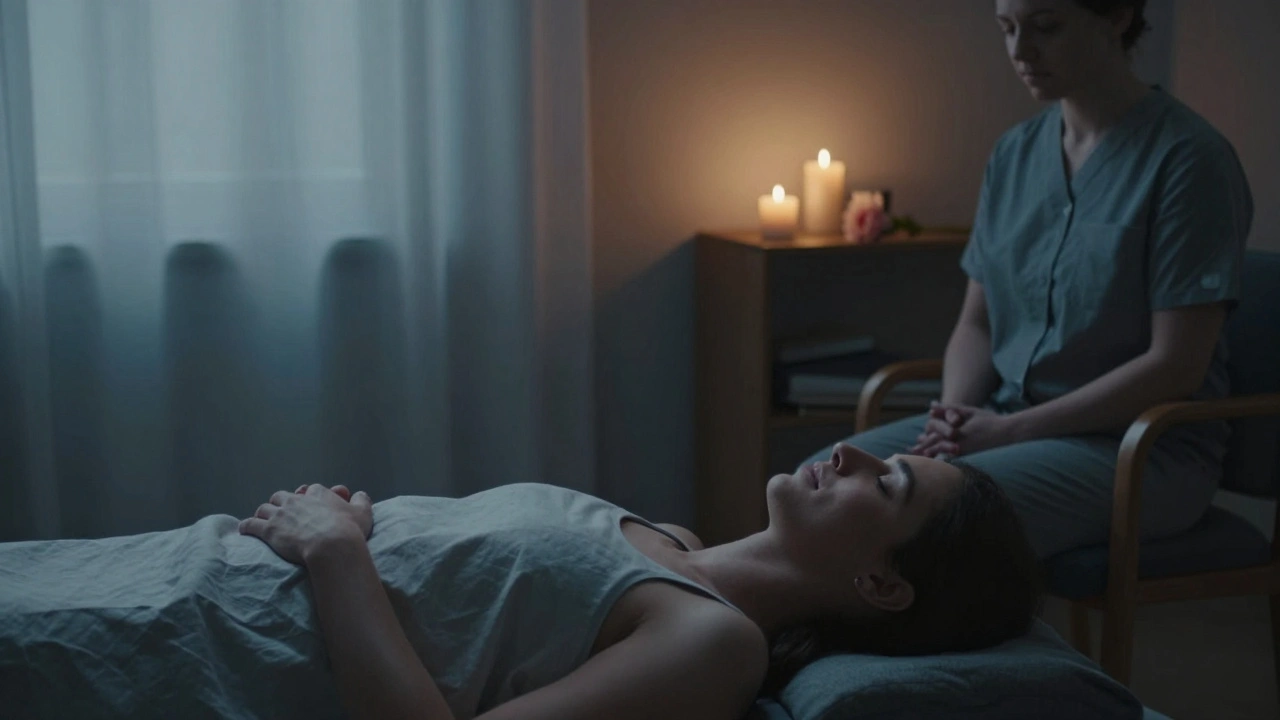
- Setting the space: Soft lighting, candles, calming music. No loud sounds. No phones. You’ll be offered a warm herbal tea.
- Undressing: You’ll undress privately. Most people stay in underwear or go nude. It’s your choice. The therapist will leave the room while you change.
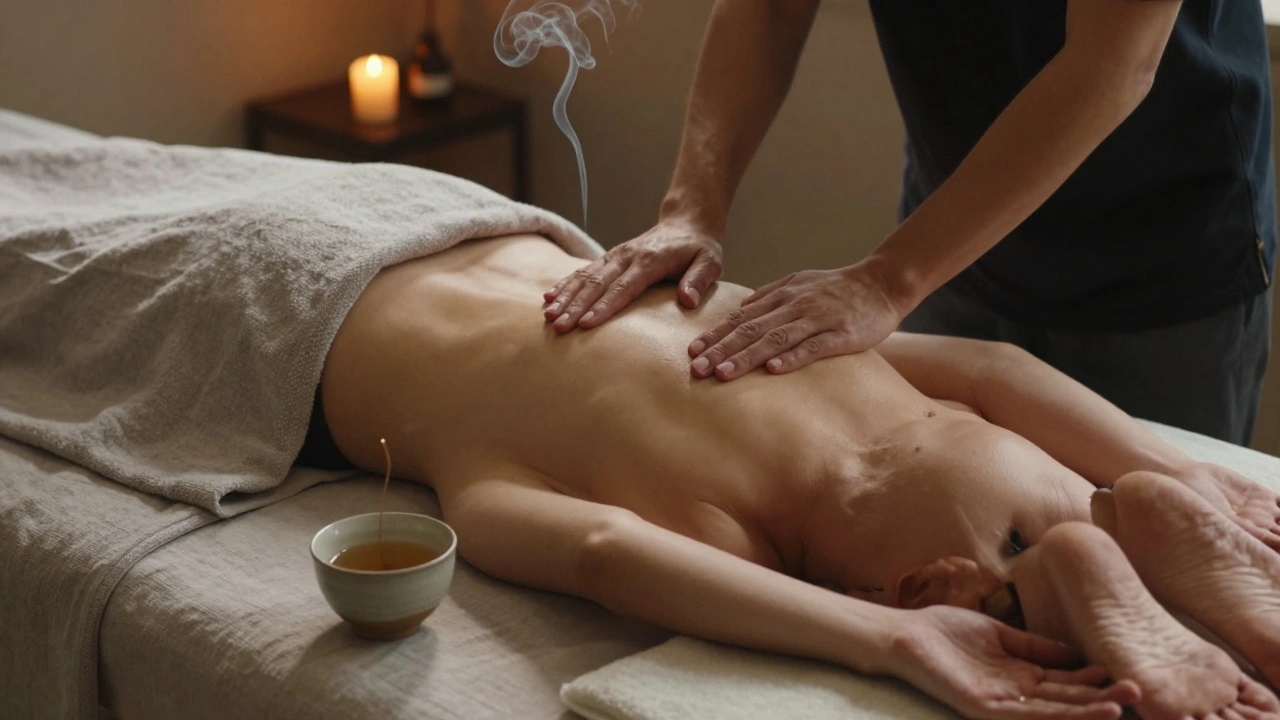
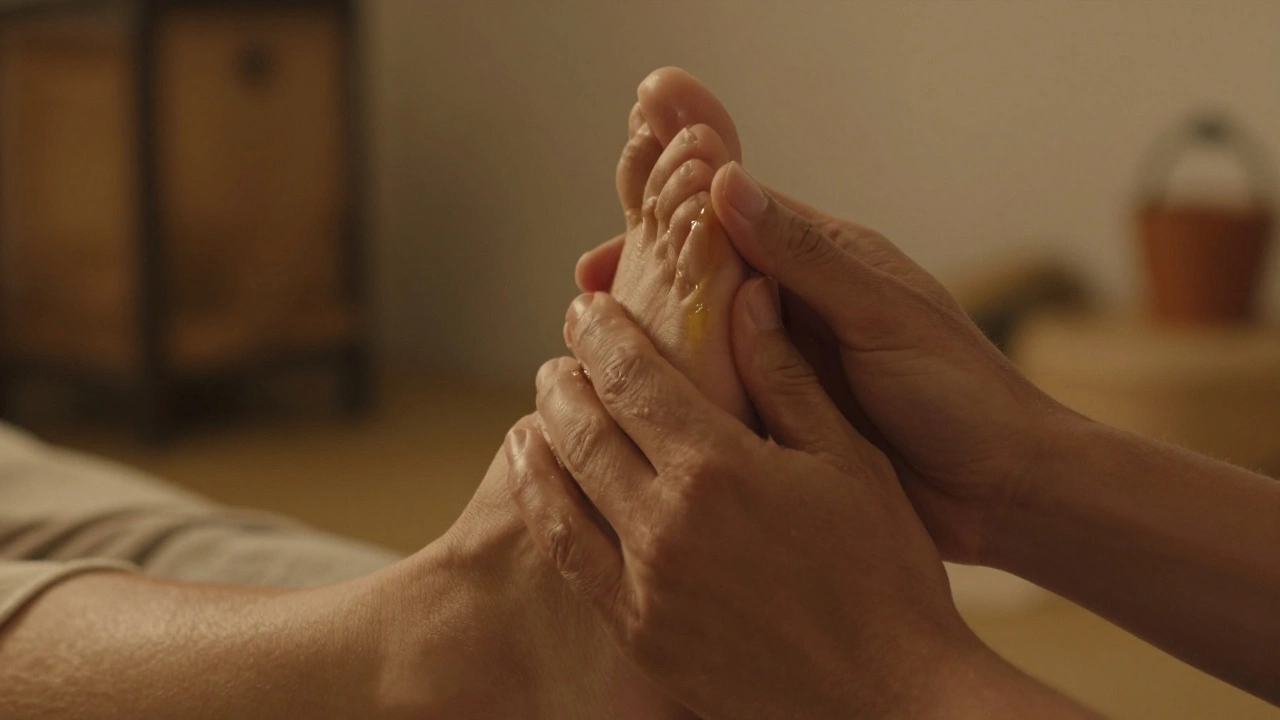
- The touch begins: The session starts with gentle strokes on your back or feet. No oil at first-just skin-to-skin contact. This builds trust. Then, warm organic oil is applied slowly.
- Full-body flow: The therapist moves slowly, covering your entire body. Shoulders, arms, legs, belly, back. Genitals are only touched if you’ve given clear consent beforehand-and even then, it’s not about stimulation. It’s about awareness.
- Breath and silence: You’ll be gently guided to breathe with the touch. No talking. Just presence.
- Final stillness: The session ends with a few minutes of quiet lying down. No rush. No towels thrown at you. Just space to come back to yourself.
There’s no "right" way to react. You might laugh. You might cry. You might feel nothing at all. All of it is okay.
What to Wear (and What Not to)
Wear whatever makes you feel safe. Most people choose to go nude-it allows the therapist to work without barriers. But if that feels too much, wearing soft underwear is totally fine. The therapist will never ask you to remove more than you’re comfortable with.
Don’t wear perfume. Don’t wear tight clothes to the session. Don’t arrive in a rush. This isn’t a haircut. This is a reset.
Where to Find Tantric Massage in Amsterdam
Amsterdam has a long history of open, body-positive spaces. You’ll find tantric massage studios in De Pijp, Jordaan, and near the Vondelpark. Look for places that emphasize consent, privacy, and training-not "exotic" vibes or photos of half-dressed models.
Here’s what to look for:
- Therapists with certified training (look for names like Tantric Bodywork Institute or International Tantric Association).
- Clear policies on consent and boundaries.
- No pressure to book a package. Single sessions are common.
- Online reviews that mention safety, not "hot encounters."
Two reputable studios in Amsterdam are Stillness Space in De Pijp and Heartfelt Touch near the Amstel River. Both offer introductory sessions for beginners.
How Much Does It Cost?
A first-time session typically costs between €80 and €140. That’s not cheap, but think of it this way: it’s not a massage. It’s an experience. You’re paying for time, space, and a trained professional who knows how to hold space for vulnerability.
Some places offer packages: 3 sessions for €200. But don’t feel pressured. One session can be life-changing. Many people come back after months-or never again. Both are valid.
What to Avoid
Not every "tantric" service is real. Watch out for these red flags:
- Photos of therapists in lingerie or suggestive poses.
- Guarantees of "sexual awakening" or "orgasmic release."
- Pressure to book multiple sessions upfront.
- Therapists who don’t explain boundaries clearly.
Real tantric massage is quiet. It’s respectful. It’s not a fantasy. It’s a healing.
Tantric Massage vs. Body-to-Body Massage
People often confuse tantric massage with body-to-body massage. Here’s the difference:
| Aspect | Tantric Massage | Body-to-Body Massage |
|---|---|---|
| Primary Goal | Awaken awareness, calm nervous system | Physical pleasure, sensual stimulation |
| Touch Style | Slow, deliberate, non-sexual | Fluid, skin-to-skin, often erotic |
| Therapist Training | Psychological, energetic, boundary-focused | Often no formal training |
| Consent Process | Explicit, verbal, ongoing | Vague or implied |
| After-Effect | Deep calm, mental clarity | Physical arousal, short-term euphoria |
Tantric massage is for healing. Body-to-body is for pleasure. One invites you inward. The other invites you outward. Know which one you’re looking for.
Frequently Asked Questions
Is tantric massage sexual?
No. While it’s sensual, it’s not sexual. The focus is on awareness, not stimulation. Any sexual energy that arises is acknowledged without judgment-and then gently returned to breath and touch. You’re not expected to do anything with it.
Do I have to be spiritual to try it?
Not at all. Some therapists use chakra language. Others don’t mention it. You can show up with zero beliefs and still benefit. It’s about your body, not your philosophy.
What if I get aroused during the session?
It’s completely normal. Your body reacts to touch. A good therapist won’t react, won’t comment, and won’t make you feel awkward. They’ll simply continue with the rhythm. You’re not being "bad"-you’re being human.
Can I do this if I’ve experienced trauma?
Yes-but choose your therapist carefully. Look for someone who mentions trauma-informed practice. They’ll move slower, check in more often, and let you guide the pace. Many trauma survivors find tantric massage deeply healing because it teaches them: "Your body is safe here."
How many sessions do I need?
One can be enough. Many people feel a shift after a single session. Others return monthly for maintenance. There’s no rule. Listen to your body, not a package deal.
Ready to Begin?
You don’t need to be enlightened. You don’t need to believe in energy. You just need to be willing to lie still for an hour and let someone else hold space for you. That’s all.
If you’re in Amsterdam, try a 60-minute session at Stillness Space or Heartfelt Touch. Book online. Show up in loose clothes. Leave your phone in your bag. Breathe. Let go. See what happens.
This isn’t about fixing yourself. It’s about remembering you’re already whole.