Exploring the Sensory Delights of Body to Body Massage
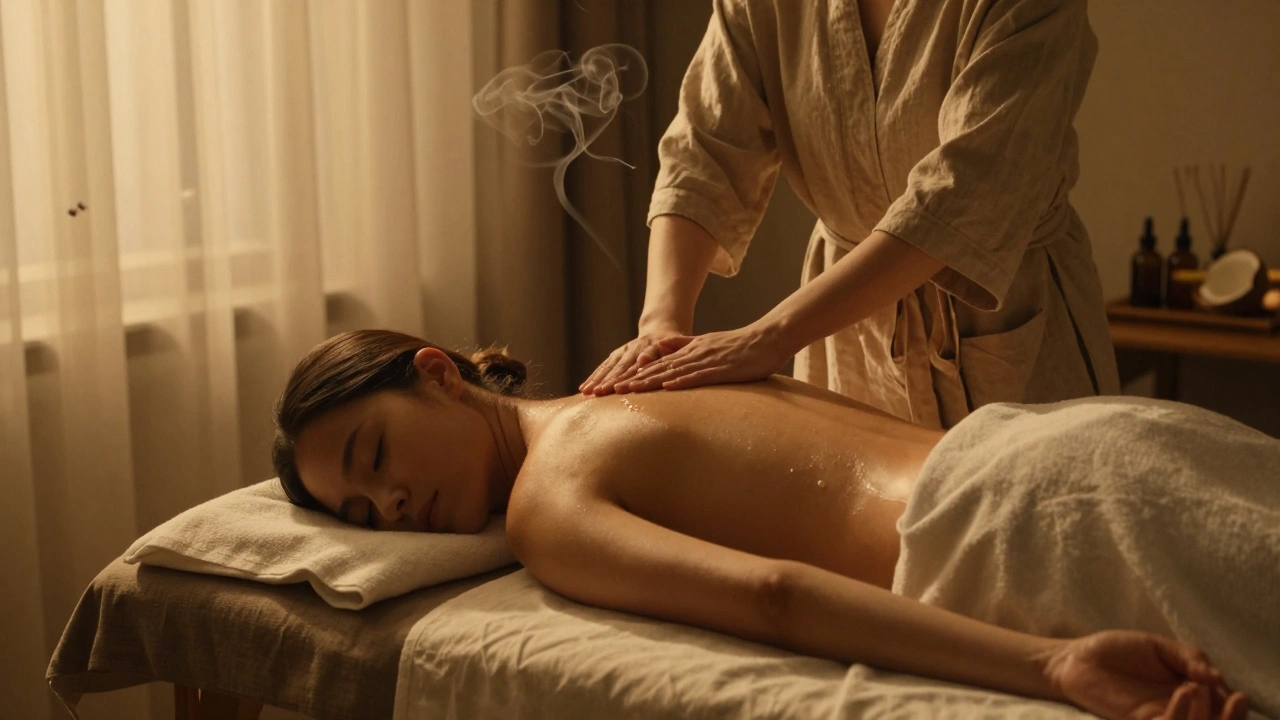
You’ve felt it before-that moment when skin meets skin, not in a rush, not in a hurry, but slowly, deliberately, like the tide coming in. That’s the heart of body to body massage. It’s not just about pressure or technique. It’s about presence. About warmth. About letting go in a way that feels rare these days.
What Exactly Is Body to Body Massage?
Body to body massage is exactly what it sounds like: the therapist uses their own body-forearms, elbows, hips, even feet-to glide over yours. No gloves. No barriers. Just skin, oil, and rhythm. It’s not sexual. It’s sensual. Big difference.
Think of it like a dance where you’re the partner who doesn’t have to lead. The therapist moves with you, around you, over you. The pressure is deep but never invasive. The touch is continuous, like a warm wave rolling across your back, down your legs, along your arms. It’s not about pinpointing knots. It’s about dissolving tension across whole regions of your body.
Unlike Swedish or deep tissue massage, where tools like hands or thumbs do most of the work, body to body uses the full surface area of the therapist’s body. This creates a broader, more enveloping pressure. It feels less like a treatment and more like being held.
Why People Seek It Out
Most people come to body to body massage because they’re tired of being touched in ways that feel mechanical. They’ve had enough of quick 30-minute sessions that leave them relaxed but not transformed. They want to feel seen-not just their muscles, but their stress, their silence, their need to simply be touched without expectation.
In Amsterdam, where the pace of life can feel relentless, this kind of massage offers something unusual: a pause. A space where time slows. Where the only rule is to breathe. One client told me, “I cried the first time. Not because it hurt. Because no one had touched me like that in years.”
It’s not just for stress relief. People use it to reconnect with their own bodies after trauma, illness, or emotional burnout. The sensation of warm skin gliding over yours can trigger a deep sense of safety. It’s a physical reminder: you are not alone.
How It Feels: A Sensory Breakdown
Let’s walk through what actually happens during a session.
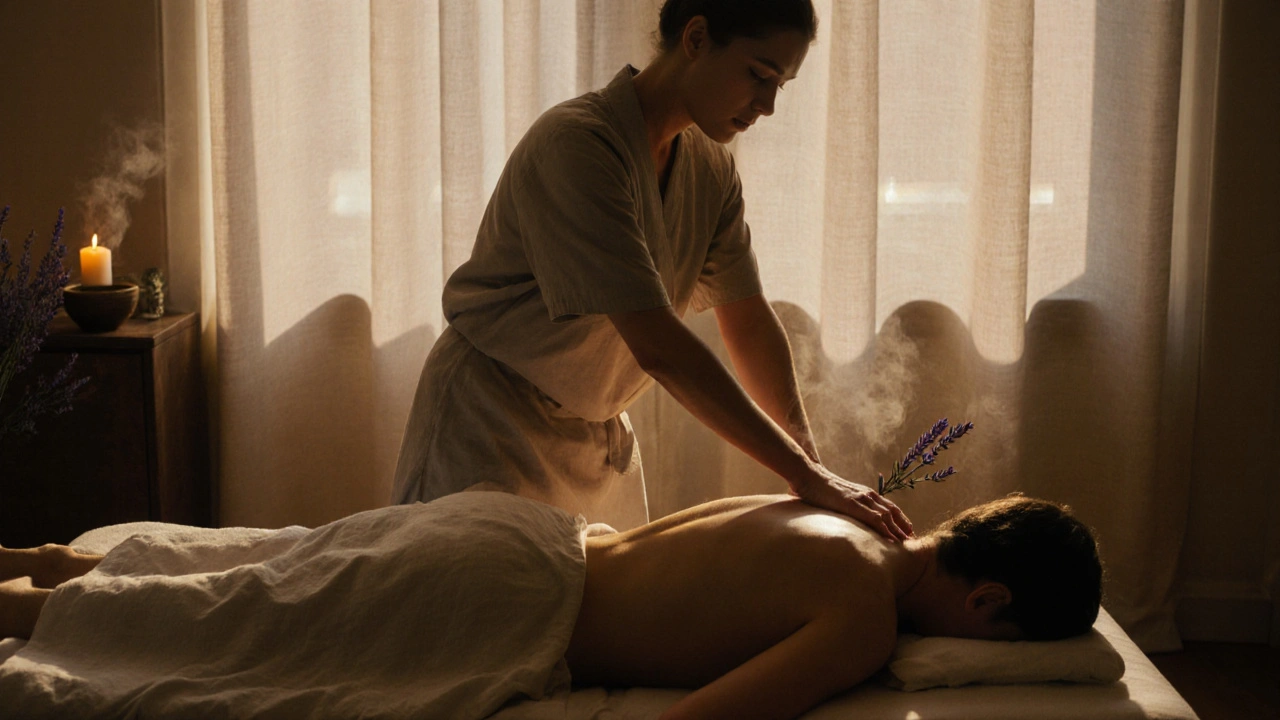
You lie on a heated table, wrapped in a soft towel. The room smells like lavender and sandalwood. The lights are low. The therapist enters quietly, wearing a long robe. They warm coconut or almond oil between their palms, then begin.
First, they use their forearms to stroke your back-long, slow sweeps from shoulders to tailbone. It’s not fast. It’s not frantic. It’s like the ocean pulling back from the shore. Then they shift. Their hip gently presses into your glutes. Their leg drapes over yours, not to restrain, but to anchor. You feel the heat of their body, the weight of their presence. It’s grounding.
As they move down your legs, their calf brushes your hamstring. Their foot glides along the sole of yours. You don’t tense up. You don’t wonder if this is weird. You just feel. And that’s the point.
The oil doesn’t just reduce friction. It amplifies sensation. Each movement becomes a ripple. You start noticing things you never did before: the curve of your spine, the weight of your breath, the way your shoulders finally drop.
Body to Body vs. Traditional Massage
| Feature | Body to Body Massage | Traditional Massage (Swedish/Deep Tissue) |
|---|---|---|
| Primary Tool | Therapist’s entire body | Hands, thumbs, elbows |
| Pressure Type | Broad, flowing, enveloping | Focused, targeted, localized |
| Touch Sensation | Skin-to-skin, warm, continuous | Hand-to-skin, rhythmic, intermittent |
| Best For | Emotional release, deep relaxation, sensory reconnection | Muscle tension, injury recovery, pain relief |
| Duration | 60-90 minutes (minimum) | 30-90 minutes |
| After-Effect | Feeling held, emotionally lighter, deeply calm | Physically looser, maybe sore, mentally refreshed |
Where to Find It in Amsterdam
Amsterdam has more than 20 studios offering body to body massage, but not all are equal. The best ones are quiet, tucked away in canal-side houses or behind unmarked doors in the Jordaan or De Pijp. They don’t advertise on Instagram with suggestive photos. They don’t need to.
Look for places that emphasize consent, boundaries, and professionalism. Ask: Do they offer a pre-session consultation? Do they explain the process clearly? Do they let you keep your underwear on if you want to? These are the signs of a serious practitioner.
Some trusted names in the city include The Still Point in the Jordaan, Soma Sanctuary near the Amstel River, and Luna Touch in De Pijp. All have been operating for over five years. All require booking in advance. None rush you.
What to Expect During Your First Session
Arrive 15 minutes early. You’ll be asked to fill out a simple intake form-nothing invasive. Just health questions, preferences, and boundaries.
You’ll undress privately. The therapist will leave the room. You’ll be covered with a sheet and blanket. When you’re ready, you’ll ring a bell or say so. They’ll come back in, quiet and calm.
They’ll explain what they’ll do. Not in clinical terms. Just: “I’ll use my arms and legs to move over your body. You can speak anytime. You can stop anytime.”
Then, the session begins. You’ll feel warmth. You’ll feel pressure. You might feel tears. You might feel nothing at first. That’s okay. The body doesn’t always respond on command.
At the end, they’ll leave the room again. You’ll have time to get dressed. They’ll offer tea. No pressure to talk. Just silence, if you want it.
Pricing and Booking
Expect to pay between €120 and €180 for a 75-minute session. Why the range? It depends on the therapist’s experience, the studio’s location, and whether they include extras like aromatherapy or a post-massage herbal tea ritual.
Most places require a deposit to book. Cancellations within 24 hours usually aren’t refunded. That’s normal. This isn’t a haircut. It’s a reserved, intimate space.
Book online. Most studios have simple websites. No apps. No chatbots. Just a form and a phone number. Call if you’re unsure. A good therapist will answer personally. If you get a voicemail, walk away.

Safety and Boundaries
Body to body massage is safe when done right. But it’s not for everyone. If you’ve had trauma, if you’re uncomfortable with skin contact, if you’re not sure about your boundaries-this isn’t the right choice. And that’s okay.
Always ask: Is the therapist certified? Do they have training in somatic therapy or trauma-informed touch? Do they have clear consent protocols? A good therapist will show you their credentials. They won’t make you guess.
You own your body. Always. You can say no to any movement. You can ask for more pressure, less oil, a different position. You can stop mid-session. No questions asked. No guilt.
And here’s the truth: if someone makes you feel awkward, pressured, or objectified-you’re not being sensual. You’re being violated. Walk out. No apology needed.
Who Benefits Most?
Body to body massage isn’t a cure-all. But it’s powerful for specific people:
- Those who feel disconnected from their bodies after illness or surgery
- People recovering from emotional neglect or loneliness
- High-achievers who’ve forgotten how to rest
- Couples who want to reconnect with physical intimacy-yes, some come together, but not to be touched together. They come to remember what touch feels like before they bring it home
- Anyone who’s ever whispered, “I just need to be held.”
It’s not about sex. It’s about safety. About feeling human in a world that often treats you like a machine.
Frequently Asked Questions
Is body to body massage the same as erotic massage?
No. Erotic massage is designed to stimulate sexual arousal. Body to body massage is designed to stimulate relaxation, emotional release, and sensory awareness. Professional practitioners maintain clear boundaries. There is no sexual contact, no nudity beyond what’s necessary for the massage, and no expectation of sexual response. If a therapist crosses that line, report them immediately.
Do I have to be naked?
You can wear underwear if you prefer. Most people choose to be fully draped, with only the area being worked on exposed. The therapist adjusts the draping as they move. Your comfort comes first. No one will pressure you.
Can I bring my partner?
You can come together, but you won’t receive the massage together. Most studios offer private rooms for each person. This isn’t a couples’ experience-it’s a deeply personal one. Bringing someone along can be helpful for emotional support, but the session itself is one-on-one.
How often should I get it?
Once a month is ideal for most people. If you’re going through a tough time-grief, burnout, recovery-you might benefit from every two weeks. But this isn’t something you do weekly. It’s a ritual, not a routine. Let it sink in. Let your body integrate the experience.
What if I get physically aroused during the massage?
It happens. More often than you think. The body doesn’t always distinguish between touch and desire. A good therapist will ignore it. They won’t comment, won’t make you feel ashamed. They’ll just keep going. You don’t need to explain it. Just breathe. It’s normal.
Ready to Feel Again?
If you’ve been carrying stress in your shoulders, silence in your chest, or numbness in your skin-you deserve to be touched differently. Not because you need fixing. But because you’re human. And sometimes, healing doesn’t come from words. It comes from warmth. From rhythm. From the quiet certainty that someone else is there, holding space, not trying to fix you, just being with you.
Book your session. Not because you think you should. But because you’re ready to feel what it’s like to be held.
Piotr Williams
December 10, 2025 AT 22:43Okay, but why does it cost more than my rent? And why do I need to book two weeks in advance just to be touched? I mean, I’ve got a dog that’ll nuzzle me for free-no oil, no robes, no ‘rituals.’ Just wet nose and existential judgment.
Matt H
December 12, 2025 AT 00:39Let’s reframe this through a somatic neuroscience lens: body-to-body massage activates the C-tactile afferents at a systemic level, inducing parasympathetic dominance via interoceptive entrainment. The skin-to-skin interface isn’t just tactile-it’s neurobiological regulation. You’re not getting a massage; you’re recalibrating your autonomic nervous system through rhythmic, non-goal-oriented proprioceptive feedback loops. That’s why people cry. Not because it’s ‘emotional’-because their vagus nerve finally got a signal it’s been begging for since 2019.
Also, the oil? It’s not lubrication-it’s a conductive medium for thermal transference. Coconut oil has lauric acid, which lowers skin impedance. You’re literally being grounded with a botanical capacitor.
Ashok Sahu
December 13, 2025 AT 06:04I come from a place where touch is sacred, not commercial. In my village, elders used to massage children with warm mustard oil after baths-not because it was ‘healing,’ but because it was love made physical. This post reminds me of that. Not the price, not the studio, not the ‘ritual’-but the quiet intention behind it. No one’s trying to sell you anything here. Just presence.
And yes, if you’re a high-achiever who’s forgotten how to rest? You’re not broken. You’re just tired of being a machine. This isn’t luxury. It’s a return to humanity.
Vincent Jackson
December 14, 2025 AT 06:53bro i tried this once and i was like… is this weird? then i realized i was crying and the therapist just kept going like it was normal. and it was. no one said a word. no awkward small talk. just warmth. and then i felt like i’d been holding my breath for 5 years.
also the oil? yeah it’s messy. but it’s the kind of mess that feels like home.
Jason Hancock
December 15, 2025 AT 21:07Wait, so you’re telling me this is ‘not sexual’ but the entire description is dripping with sensual language? That’s just code for ‘I’m selling erotic touch under the guise of wellness.’ And don’t give me that ‘boundary’ crap-every one of these places has a ‘private room’ and a ‘pre-session consultation.’ Sounds like a velvet rope to me.
Also, ‘you can stop anytime’? Yeah, right. What if you freeze up? What if you’re too scared to speak? You think they’re trained in trauma? Nah. They’re trained in selling $180 experiences to people who feel lonely. This isn’t healing. It’s performance art for the emotionally bankrupt.
And why does everyone act like this is some mystical experience? My cat rubs against me every morning. No oil. No robe. Just warmth. And she doesn’t charge me.
Abagail Lofgren
December 16, 2025 AT 10:27Jason, your skepticism is valid-but you’re conflating intent with execution. The difference between erotic and therapeutic touch lies in consent architecture, not language. A trained somatic practitioner doesn’t rely on poetic descriptions to justify boundaries; they enforce them through protocol, training, and institutional accountability. The fact that these studios require certifications, pre-session disclosures, and opt-in draping protocols isn’t marketing-it’s ethics.
And yes, the language is poetic because touch without narrative is invisible. We don’t have a clinical vocabulary for the quiet grief of being unheld. So we borrow metaphor. That doesn’t make it performative. It makes it human.
As for your cat? She doesn’t have a license. She doesn’t have liability insurance. She doesn’t have a 5-year track record of client testimonials from people who’ve survived abuse, burnout, and isolation. That’s not a flaw-it’s a feature.