Deep Tissue Massage: Elevate Your Wellness Routine
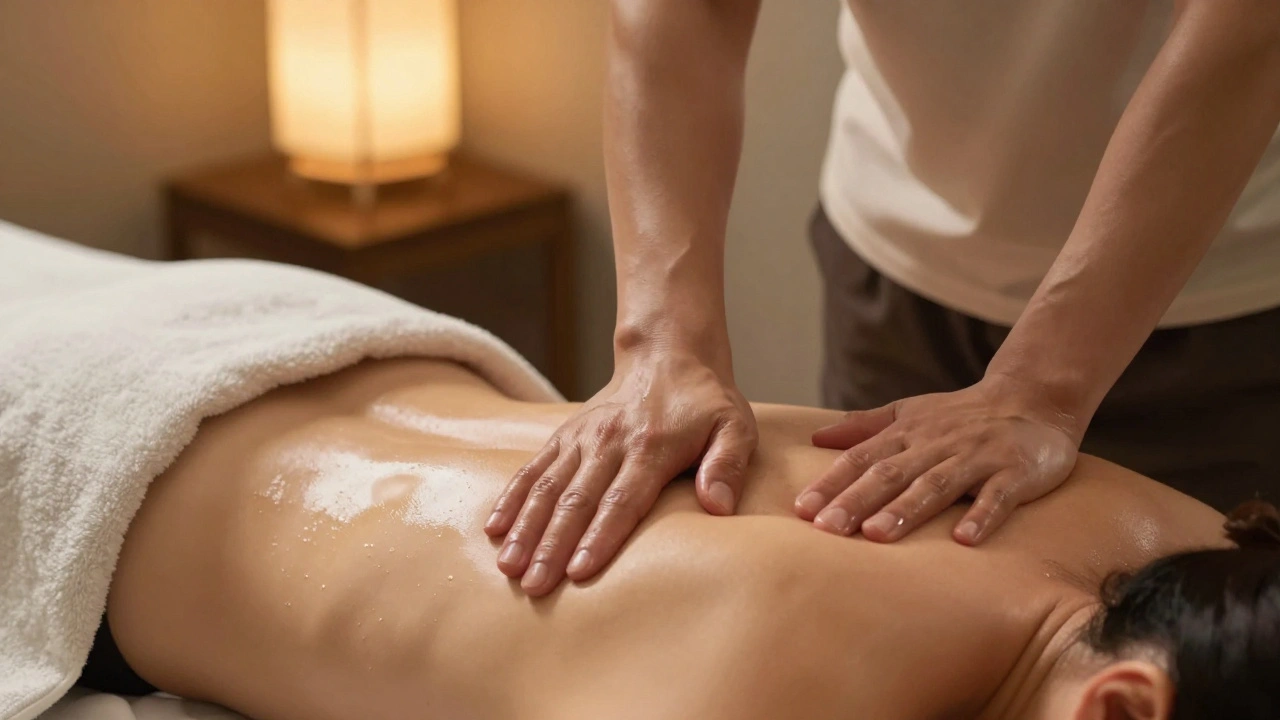
You know that knot in your shoulder that won’t go away? The one that makes you wince when you reach for your coffee mug or turn your head in the car? Or maybe your lower back feels like it’s been welded shut after sitting at a desk for eight hours straight? If you’ve tried stretching, foam rolling, or even a regular Swedish massage and still feel stuck - deep tissue massage might be the missing piece in your wellness routine.
It’s not the kind of massage that leaves you floating on a cloud. It’s deeper, grittier, and sometimes even a little uncomfortable - but that’s exactly why it works. This isn’t about relaxation alone. It’s about repair. Recovery. Resetting your body after years of stress, poor posture, or overuse.
What Exactly Is Deep Tissue Massage?
Deep tissue massage is a targeted form of manual therapy that focuses on the deeper layers of muscle and connective tissue. Unlike Swedish massage, which uses long, flowing strokes to promote relaxation, deep tissue massage uses slower, firmer pressure to get into the tight spots - the adhesions, scar tissue, and chronic tension that regular massage often can’t reach.
Think of it like cleaning out a clogged drain. Surface-level cleaning won’t fix the buildup underneath. Deep tissue massage digs into those layers - the fascia, the tendons, the muscle fibers - to break up the gunk that’s been building up over time. It’s not just pressure. It’s precision.
Techniques include using elbows, forearms, knuckles, and even specialized tools to apply sustained pressure. The therapist will often ask you to breathe deeply during intense moments - not to distract you, but to help your muscles release. You might feel some discomfort, but it should never feel like pain that makes you want to jump off the table. If it does, speak up. Good therapists adjust on the spot.
Why It Works: The Science Behind the Pressure
Studies from the Journal of Clinical Nursing and the Journal of Bodywork and Movement Therapies show that deep tissue massage can reduce chronic pain, improve range of motion, and even lower cortisol levels - the body’s main stress hormone.
Here’s how it helps in real life:
- Breaks down scar tissue from old injuries (like that sprained ankle from 2020 you never properly rehabbed)
- Reduces muscle stiffness from sitting all day - especially for desk workers and drivers
- Improves circulation, helping oxygen and nutrients reach tired muscles faster
- Triggers the release of endorphins, which naturally ease pain and lift mood
- Can reduce symptoms of conditions like fibromyalgia, osteoarthritis, and plantar fasciitis
One client I worked with in Amsterdam - a 42-year-old graphic designer - had been dealing with chronic upper back pain for five years. She tried chiropractors, acupuncture, even yoga. Nothing stuck. After four deep tissue sessions over six weeks, she said, “I forgot what it felt like to sleep without a pillow between my shoulder blades.” That’s the kind of change this works for.
Who Benefits Most?
Deep tissue massage isn’t for everyone - and that’s okay. But if you fit any of these profiles, you’re likely to see real results:
- You sit at a desk or drive for long hours daily
- You’re an athlete or fitness enthusiast with recurring muscle tightness
- You’ve had surgery or an injury that left behind scar tissue
- You have chronic tension in your neck, shoulders, or lower back
- You’ve tried lighter massages and didn’t feel lasting relief
It’s also surprisingly helpful for people with high-stress jobs. The physical tension builds up silently - tight jaw, clenched fists, hunched shoulders - and over time, it starts to affect your sleep, your mood, even your breathing. Deep tissue massage doesn’t just relax your muscles. It resets your nervous system.
What to Expect During Your First Session
Most sessions last 60 to 90 minutes. You’ll start with a quick chat - your therapist will ask about your pain points, medical history, and what you’re hoping to achieve. No judgment. No pressure. Just clarity.
You’ll undress to your comfort level (usually underwear or a towel). The therapist will leave the room while you get settled. Then, they’ll begin with lighter strokes to warm up the tissue before moving into deeper work.
Expect to feel:
- Pressure - firm, sometimes intense, but never unbearable
- Warmth in the area being worked - that’s blood flow returning
- Occasional soreness the next day - like after a tough workout
- A sense of release - as if a weight you didn’t know you were carrying has been lifted
Afterward, drink plenty of water. Your body is flushing out metabolic waste that’s been trapped in the tissues. Skip the alcohol or heavy meals. Rest if you can. Some people feel a bit lightheaded or emotional - that’s normal. Your body is releasing more than just tension.

Deep Tissue vs. Swedish Massage: What’s the Difference?
| Aspect | Deep Tissue Massage | Swedish Massage |
|---|---|---|
| Pressure | Firm to intense | Light to moderate |
| Goal | Release chronic tension, break down adhesions | Relaxation, improve circulation |
| Techniques | Elbows, knuckles, slow strokes, friction | Long gliding strokes, kneading, tapping |
| Best For | Chronic pain, athletes, desk workers | Stress relief, beginners, general relaxation |
| Post-session Feel | Sore, then deeply released | Light, calm, sleepy |
Swedish is your Sunday wind-down. Deep tissue is your midweek reset. You can even combine them - start with Swedish to warm up, then go deeper. Many therapists in Amsterdam offer hybrid sessions.
Where to Find Quality Deep Tissue Massage in Amsterdam
Amsterdam has no shortage of massage studios, but not all are trained in deep tissue techniques. Look for therapists who:
- Have certification in myofascial release or sports massage
- Ask detailed questions about your pain patterns
- Don’t rush - a 30-minute deep tissue session is usually ineffective
- Use oil or lotion designed for deeper work (not just light glide)
Some trusted areas to check out: De Pijp, Jordaan, and Oud-West. Studios like Body & Soul Therapy and The Massage Room specialize in therapeutic work. Don’t be afraid to ask for a consultation before booking - good therapists offer free 10-minute chats.
What It Costs and How to Book
In Amsterdam, a 60-minute deep tissue session typically costs between €75 and €110. Longer sessions (90 minutes) run €110-€150. Some clinics offer package deals - three sessions for €200 is common. Insurance doesn’t usually cover it unless you have a referral for medical massage (ask your GP).
Book online. Most studios let you choose your therapist and preferred pressure level. If you’re new, pick someone with experience in chronic pain or sports recovery. Don’t go for the cheapest option - this isn’t a haircut. You’re investing in your movement, your sleep, your daily comfort.
Safety Tips: When Not to Get Deep Tissue
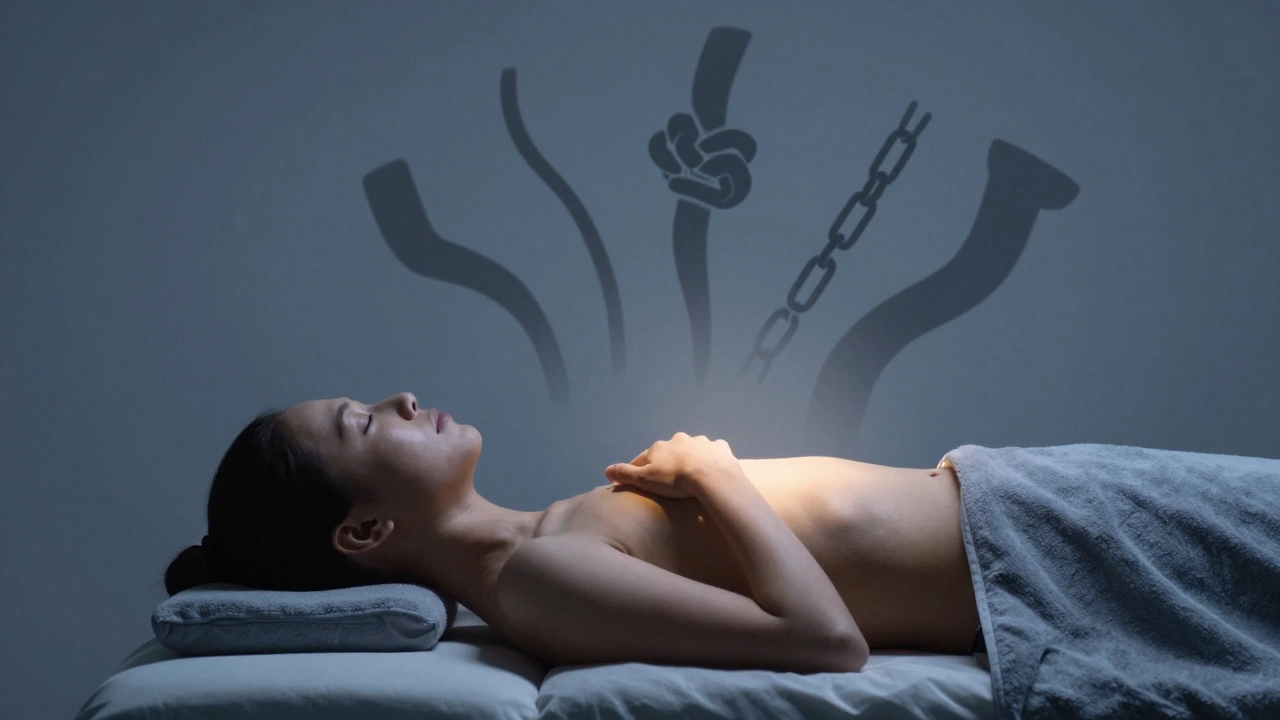
It’s powerful - but not always safe. Avoid deep tissue massage if you have:
- An active injury (like a recent strain or sprain)
- Blood clots or are on blood thinners
- Severe osteoporosis
- Open wounds or skin infections
- Are pregnant (unless you see a certified prenatal therapist who knows how to modify techniques)
Always tell your therapist about any medical conditions. Even something like recent surgery or a herniated disc matters. A skilled therapist can adapt - but they need to know.
How Often Should You Do It?
There’s no one-size-fits-all answer. If you’re recovering from an injury or have chronic pain, once a week for 3-4 weeks can make a huge difference. Then, switch to maintenance: every 3-6 weeks.
For athletes? Try it after big events - marathons, heavy lifting cycles, intense training blocks.
For desk workers? Every 4-6 weeks keeps tension from building into pain.
And if you’re just curious? Try one session. See how your body responds. You might be surprised.
FAQ: Your Questions About Deep Tissue Massage Answered
Does deep tissue massage hurt?
It should feel intense, not painful. Think of it as "good pain" - the kind that makes you breathe out and say, "Oh, that’s where it’s stuck." If it’s sharp, burning, or makes you want to cry, tell your therapist. They can adjust. Pain means you’re not releasing - you’re tensing up more.
Can deep tissue massage help with sciatica?
Yes - but not always directly. Sciatica often comes from tight piriformis muscles or pelvic imbalance. A skilled therapist can release those muscles and improve alignment. It won’t fix a herniated disc, but it can take pressure off the nerve. Many clients report reduced leg tingling after just a few sessions.
Is deep tissue massage the same as sports massage?
They overlap, but aren’t the same. Sports massage is tailored to athletes and often includes stretching and movement prep. Deep tissue focuses on breaking down deep adhesions. Many sports therapists use deep tissue techniques - but not all deep tissue therapists specialize in sports.
How long do the effects last?
The immediate relief - less stiffness, better movement - can last 3-7 days. But the real changes - reduced scar tissue, improved posture, better muscle function - build over time. Think of it like going to the gym. One session helps. Consistency transforms.
Can I do deep tissue massage at home?
You can use foam rollers or massage guns, but they can’t replicate the precision of a trained therapist. Tools are great for maintenance, but if you have chronic tension, knots, or pain, nothing replaces hands-on work. A therapist can feel what’s going on under the skin - and adjust pressure, angle, and depth in real time.
Ready to Feel Like Yourself Again?
If your body’s been screaming for relief and you’ve been ignoring it - now’s the time to listen. Deep tissue massage isn’t a luxury. It’s a reset button for your physical well-being. Whether you’re a runner, a parent, a coder, or just someone tired of waking up stiff - this is one of the most effective tools you’re not using.
Book your first session. Don’t overthink it. Just go. Your future self will thank you.