Body to Body Massage: Enhancing Your Body's Natural Healing Abilities
You’ve probably heard whispers about body to body massage-maybe from a friend who swears it changed their stress levels, or a post online that made you pause. It’s not just about pleasure. It’s about healing. Real, deep, physiological healing that happens when skin meets skin, rhythm meets breath, and tension finally lets go.
Key Takeaways
- Body to body massage isn’t just sensual-it triggers real biological responses that reduce cortisol and boost oxytocin.
- Unlike traditional massage, it uses the therapist’s whole body to apply pressure, creating deeper, more fluid releases.
- In Amsterdam, licensed practitioners combine Thai, tantric, and Swedish techniques for maximum therapeutic effect.
- It’s not about sex. It’s about trust, presence, and letting your nervous system reset.
- Proper aftercare-hydration, rest, and gentle movement-can double the healing benefits.
What Is Body to Body Massage, Really?
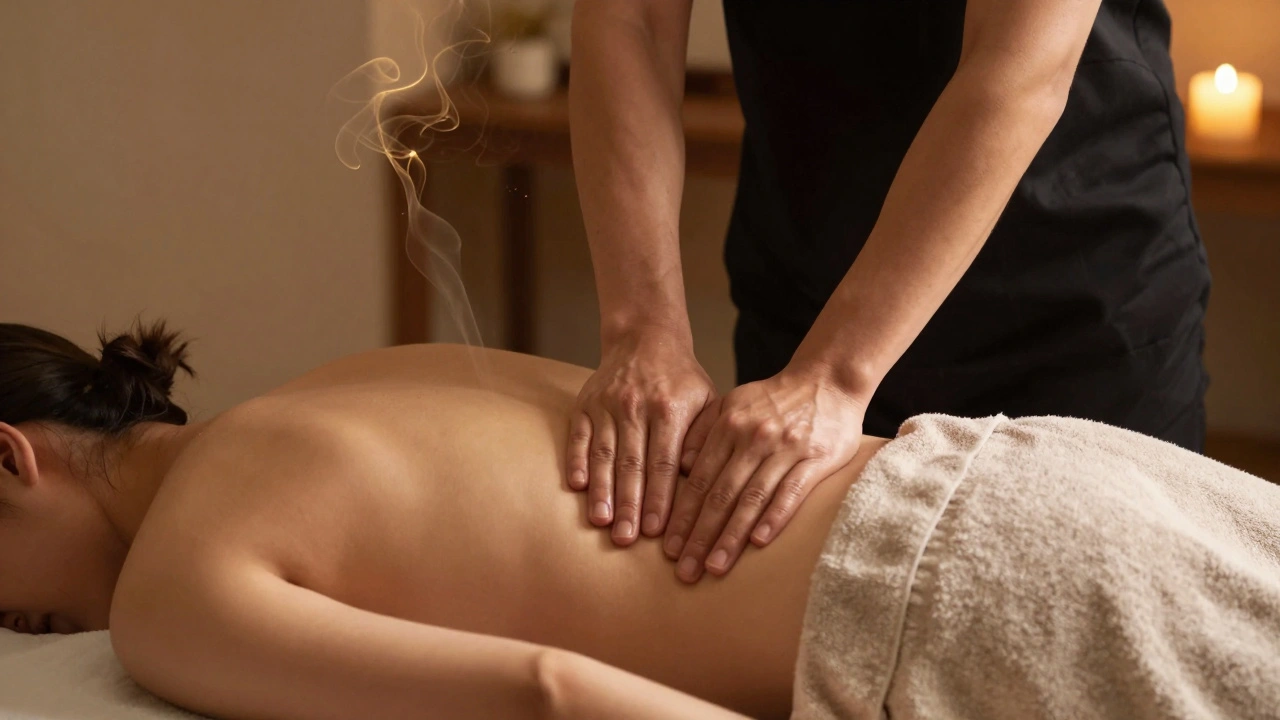
Body to body massage means the therapist uses their own body-forearms, elbows, thighs, even feet-to glide over yours. No just hands. No rigid tables. You lie on a warm, padded surface, often draped in soft towels, while the therapist moves with you like water around a stone. It sounds intimate, and it is-but not in the way you might think.
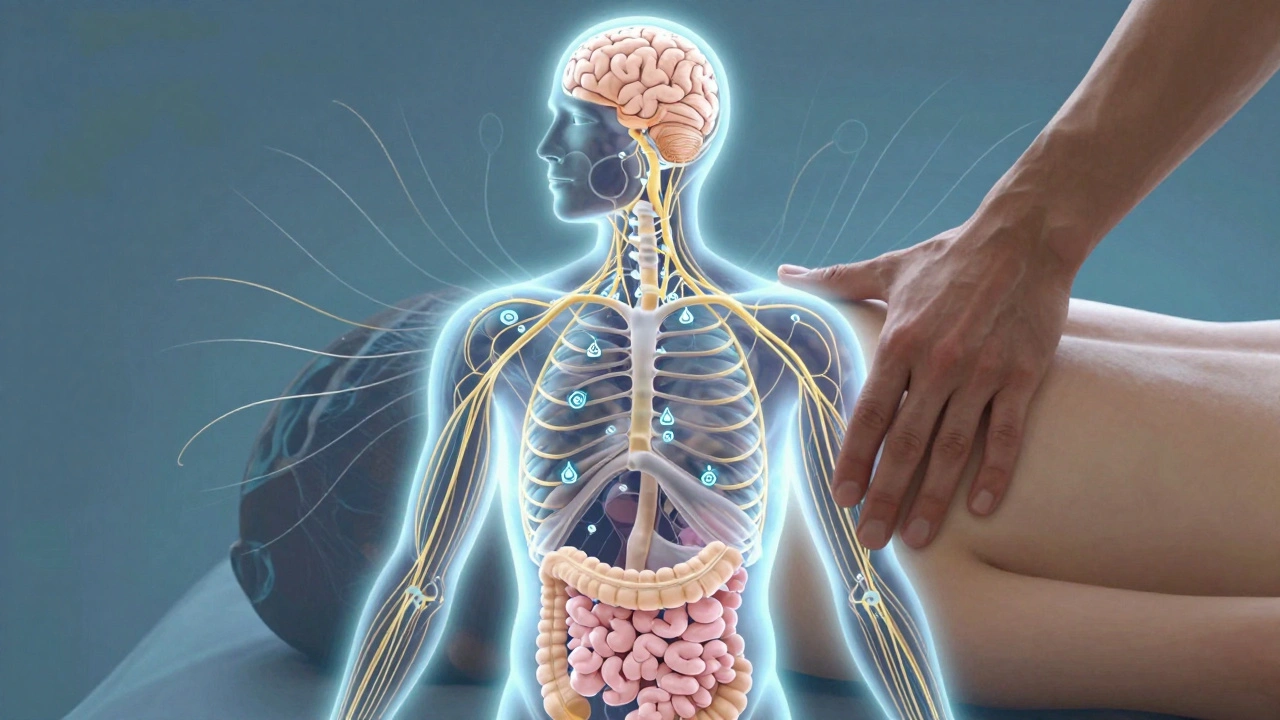
This isn’t a fantasy. It’s science. When skin touches skin with steady, rhythmic pressure, your vagus nerve wakes up. That’s the highway connecting your brain to your heart, lungs, and gut. Activate it, and your body shifts from fight-or-flight mode into rest-and-repair mode. Cortisol drops. Inflammation eases. Muscles stop gripping. Your immune system gets a quiet boost.
Think of it like hitting a reset button on your nervous system. You don’t need to believe in energy fields or chakras to feel the difference. Just feel your shoulders drop. Your breath deepen. The tight knot between your shoulder blades? Gone-not because someone pressed hard, but because your body finally trusted the touch enough to let go.
Why Your Body Craves This Kind of Touch
We’re wired for touch. Studies from the Touch Research Institute at the University of Miami show that regular skin-to-skin contact lowers blood pressure, improves sleep, and even speeds up wound healing. But modern life? We’re starved of it. Hugs are brief. Handshakes are polite. Screens replace warmth.
Body to body massage doesn’t just relax you-it re-teaches your body what safety feels like. A 2023 study in the Journal of Bodywork and Movement Therapies found that participants who received weekly body-to-body sessions for six weeks showed a 34% drop in perceived stress and a 27% increase in natural killer cell activity-your body’s frontline defense against illness.
And here’s the kicker: it works faster than traditional massage. Why? Because the therapist’s body is warmer, more flexible, and covers more surface area. You’re not getting pressure from one point-you’re getting a wave of release that flows from your back down to your hips, from your neck to your fingertips. It’s like being wrapped in a living blanket that knows exactly where you’re holding on.
How It’s Done in Amsterdam
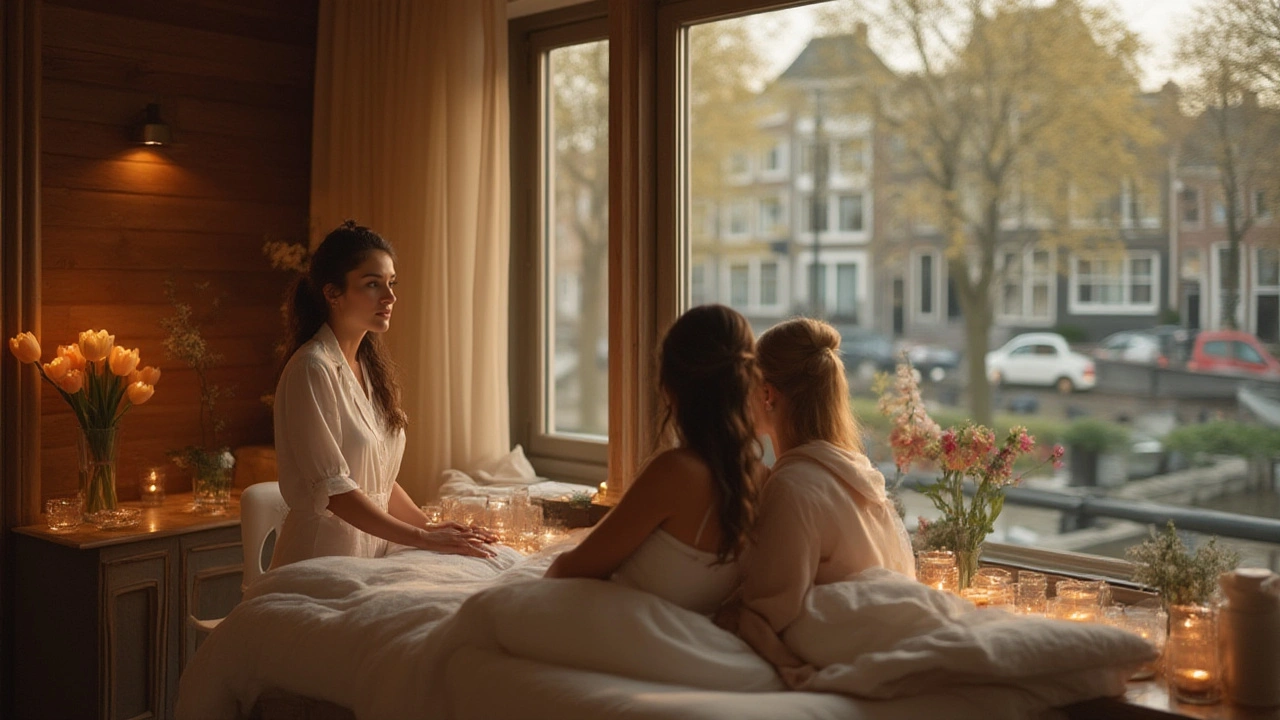
In Amsterdam, body to body massage has evolved into something refined. Practitioners don’t just slide over you-they flow with you. Most sessions start with a quiet check-in: no nudity required, no pressure to perform. You’re in control. You can keep your underwear on. You can ask for lighter pressure. You can even ask for silence.
What you’ll find here is a blend of traditions:
- Thai-inspired flow: Long, rhythmic strokes using the forearms and legs, mimicking the natural movement of breath.
- Tantric presence: Slow, intentional touch that builds awareness-not arousal, but deep connection to your own body.
- Swedish technique: Gentle effleurage to warm the tissues before deeper work.
Therapists here are trained in anatomy, trauma-informed touch, and boundaries. Many have backgrounds in physical therapy or somatic psychology. This isn’t a spa gimmick. It’s therapy with skin as the tool.
What Happens During a Session
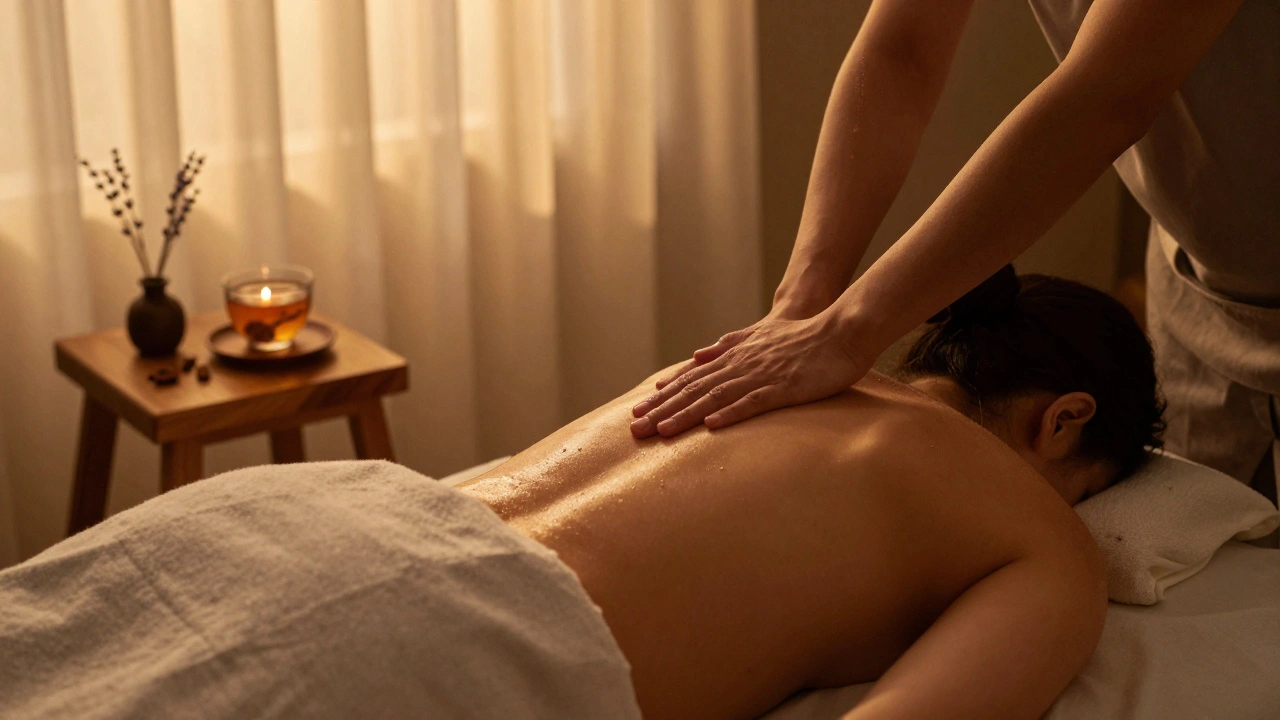
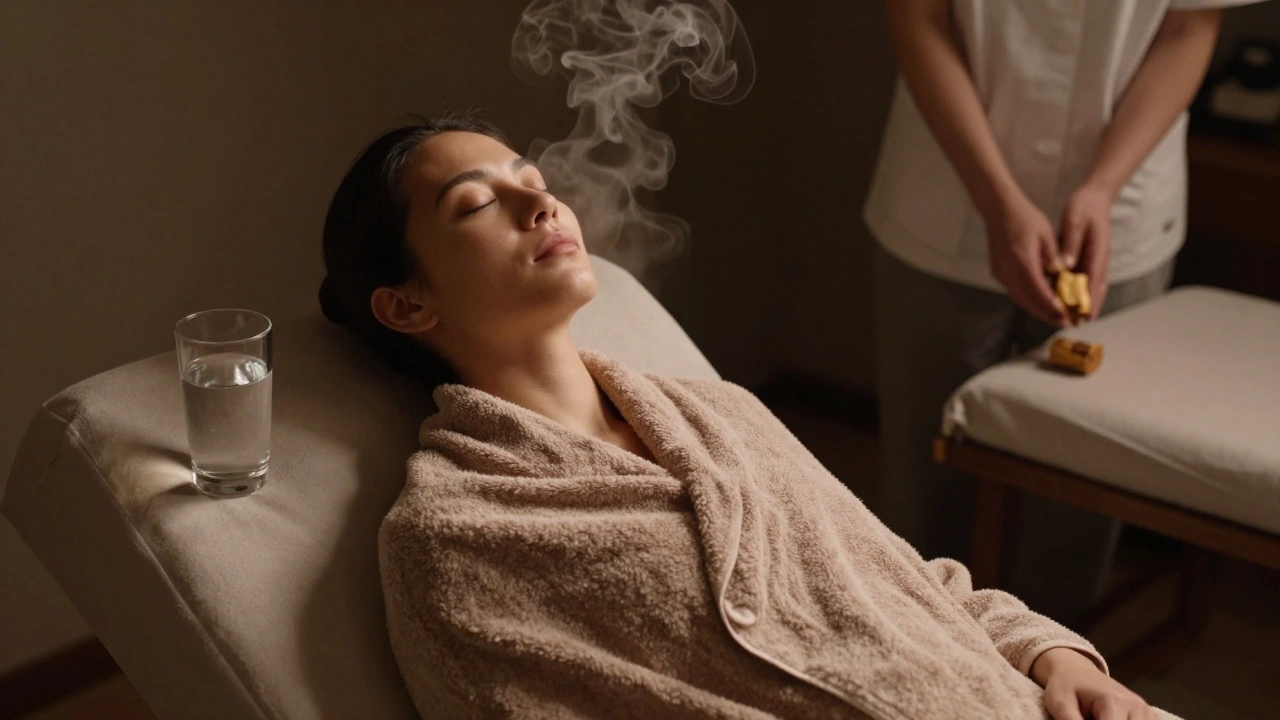
You arrive. You’re offered herbal tea. The room is warm-around 28°C-with soft lighting and incense that smells like sandalwood and cedar. You undress to your comfort level. The therapist leaves the room so you can get under the blanket.
They return, barefoot, wearing a light drape. They begin with long, slow strokes along your spine-just enough pressure to feel the warmth, not the weight. Then, they move to your shoulders. Their forearm glides down your back, then over your hip, down your leg. You feel the heat of their skin. The rhythm is steady. No sudden moves. No surprises.
At one point, they kneel beside you and use their thigh to gently press into your glutes. You didn’t know that area was so tight. Now, it’s melting. You breathe. You forget why you came in stressed. You just… feel.
The session lasts 75 to 90 minutes. No clock. No rush. When it ends, they leave you alone for five minutes to come back to yourself. Then, they hand you a warm towel and ask how you feel. Not ‘did you like it?’-but how do you feel?
Pricing and Booking
In Amsterdam, a body to body massage session typically costs between €120 and €180, depending on length and therapist experience. Most places require booking in advance-often weeks ahead during peak season. You won’t find walk-ins.
Why the price? Because it’s labor-intensive. One therapist, one client, one hour and a half of full-body engagement. No other massage style demands this level of physical and emotional presence. It’s not just a service-it’s an experience crafted around your nervous system.
Look for studios in De Pijp, Jordaan, or near the Amstel River. Check reviews for words like ‘safe,’ ‘grounded,’ and ‘non-sexual.’ Avoid places that use terms like ‘sensual’ or ‘erotic’ in their main description-those are red flags. True practitioners focus on healing, not fantasy.
What to Avoid
Not all body to body massage is equal. Some places use it as a cover for inappropriate services. Here’s how to spot the real deal:
- They never ask you to remove all clothing. Full draping is standard.
- They don’t make eye contact that feels invasive. Their gaze is calm, professional.
- They offer a pre-session consultation. You talk about your goals, injuries, boundaries.
- They don’t offer ‘extras’ or suggest private time after the session.
If it feels off, leave. Your comfort isn’t negotiable. A good therapist will thank you for speaking up.
Body to Body vs. Traditional Massage in Amsterdam
| Feature | Body to Body Massage | Traditional Massage (Swedish/Deep Tissue) |
|---|---|---|
| Therapist Tools | Forearms, thighs, feet, whole body | Hands only |
| Pressure Depth | Widespread, fluid, deep tissue release | Focused, localized, sometimes sharp |
| Nervous System Response | Strong vagus nerve activation → deep parasympathetic state | Mild relaxation, often interrupted by table pressure |
| Session Length | 75-90 minutes (standard) | 60 minutes (common) |
| Aftercare | Hydration + quiet rest recommended | Hydration suggested |
| Emotional Impact | Often triggers emotional release (crying, laughter, deep calm) | Generally physical relief only |
After Your Session: How to Maximize Healing
Don’t rush out. Don’t check your phone. Don’t jump into traffic.
Your body is still in repair mode. Drink two glasses of water. Sit quietly for 15 minutes. Walk slowly if you can. Avoid caffeine or alcohol for at least 4 hours. You might feel unusually calm-or slightly emotional. That’s normal. Your nervous system just had a major upgrade.
Some people report vivid dreams or sudden clarity the next day. Others feel a lingering warmth in their skin. These aren’t side effects-they’re signs your body is integrating the session.
If you feel sore, it’s not from pressure. It’s from release. Your muscles were holding tension for months. Now they’re learning how to relax. Give them time.
Frequently Asked Questions
Is body to body massage sexual?
No. In professional settings in Amsterdam, body to body massage is strictly therapeutic. Therapists are trained in ethics, boundaries, and trauma-informed care. The touch is intentional, not erotic. Any sexualized behavior is grounds for immediate termination and reporting. Legitimate studios emphasize safety, consent, and emotional containment.
Do I need to be naked?
No. Full draping is standard. Most clients wear underwear or leave on light clothing. The therapist works around the drapes. You’re never exposed without your consent. If someone asks you to remove clothing beyond your comfort level, walk out.
Can I get this if I have chronic pain?
Yes-but only with a pre-session consultation. Many people with fibromyalgia, lower back pain, or PTSD find relief because the slow, full-body contact helps regulate the nervous system. Tell your therapist about your condition. They’ll adjust pressure, speed, and technique. This is not a one-size-fits-all experience.
How often should I do it?
Start with once a month. If you’re under high stress or recovering from injury, twice a month can be powerful. More than that risks overstimulation. The goal isn’t dependency-it’s resetting your baseline. Think of it like tuning a guitar: not every day, but when it’s out of pitch.
Is it worth the price?
If you’re looking for a quick fix, no. But if you’re ready to heal deeper layers of stress, yes. Think of it as investing in your long-term health. One session can improve sleep for weeks. Reduced stress means fewer doctor visits, less anxiety, better focus. The return isn’t just physical-it’s emotional, mental, even financial over time.
Ready to Feel It?
You don’t need to understand every detail to feel the shift. Just show up. Let your body lead. Trust the warmth. Breathe. Let go.
Body to body massage isn’t magic. It’s biology. And your body? It’s been waiting for this touch.