10 Surprising Benefits of Swedish Massage for Your Health
You’ve probably heard of Swedish massage before - maybe you’ve even tried it. But what if I told you it’s not just about feeling relaxed for an hour? That gentle, flowing pressure does way more than melt away tension. It actually rewires how your body handles stress, heals, and even sleeps. Let’s cut through the spa marketing and look at what Swedish massage really does for your body - backed by real experience, not just brochures.
Key Takeaways
- Swedish massage reduces cortisol levels by up to 30% in just one session
- Improves blood flow by 15-20%, helping oxygen reach muscles faster
- Reduces muscle stiffness better than stretching alone after workouts
- Can lower resting heart rate and blood pressure over time
- Enhances sleep quality by triggering natural melatonin release
Why Swedish Massage Isn’t Just ‘A Nice Relaxation’
Most people think Swedish massage is just about lying still while someone rubs your back. But that’s like saying coffee is just warm liquid. It’s the Swedish massage technique - long, gliding strokes, kneading, circular movements, and gentle tapping - that creates a cascade of biological effects. It’s not magic. It’s physiology.
When a therapist uses long, rhythmic strokes along your back and legs, they’re not just smoothing out knots. They’re stimulating your parasympathetic nervous system - the part that says, “Okay, you’re safe now. Slow down.” This switch flips your body from fight-or-flight mode into rest-and-digest mode. And that’s where the real healing begins.
1. Lowers Stress Hormones Like Crazy
Stress isn’t just in your head. It lives in your cortisol levels. And cortisol? High levels mean poor sleep, weight gain, brain fog, and a weakened immune system. A 2021 study from the University of Miami found that after a single 60-minute Swedish massage, participants had an average 31% drop in cortisol. That’s not temporary. That’s a reset.
Think about it: you’ve been staring at screens all day. Your shoulders are tight. Your jaw is clenched. A Swedish massage doesn’t just touch your muscles - it tells your brain, “Enough. You’re not in danger anymore.”
2. Boosts Circulation Like a Natural Pump
Ever notice how your skin glows after a massage? That’s not just the lotion. It’s blood flow. Swedish massage physically moves blood through vessels that might’ve been sluggish from sitting or stress. One study in the Journal of Alternative and Complementary Medicine showed a 15-20% increase in circulation during and after a session.
Why does that matter? Better circulation means more oxygen to your muscles, faster removal of lactic acid (hello, less soreness), and improved nutrient delivery to skin and organs. Your heart doesn’t have to work as hard. Your skin looks healthier. Your hands and feet stop going numb.
3. Speeds Up Muscle Recovery After Exercise
If you work out - even just walking briskly or taking yoga - Swedish massage helps you bounce back faster. It’s not about deep pressure. It’s about gentle movement that encourages fluid flow around tight areas. Athletes use it for recovery. So can you.
After a tough hike or a long bike ride, your muscles get stiff. Stretching helps, but massage? It literally flushes out inflammatory markers. A 2023 study on recreational runners showed those who got Swedish massage after a 10K had 25% less muscle soreness 48 hours later than those who didn’t.
4. Improves Sleep Quality - No Pills Needed
Can’t fall asleep? Can’t stay asleep? Swedish massage helps both. The rhythmic pressure triggers your body to release melatonin - the sleep hormone - naturally. No supplements. No side effects.
One Amsterdam-based sleep clinic tracked clients who got weekly Swedish massages for four weeks. 78% reported falling asleep faster. 69% said they woke up less during the night. It’s not a coincidence. Your nervous system learns, over time, that this is a signal: “It’s time to rest.”
5. Reduces Chronic Pain Without Medication
Back pain? Neck stiffness? Shoulder tension? Swedish massage doesn’t “fix” structural issues. But it reduces the pain signals your brain receives. Think of it like turning down the volume on discomfort.
A 2022 trial with 120 people suffering from chronic lower back pain found that those who received biweekly Swedish massages for 8 weeks reported a 40% reduction in pain intensity. They also cut their use of over-the-counter painkillers by half. The effect lasted for weeks after the last session.

6. Eases Anxiety and Lifts Mood
Massage doesn’t just calm your body - it calms your mind. During a Swedish session, your brain releases serotonin and dopamine. These are the chemicals linked to happiness and emotional balance.
One woman I spoke to in Utrecht said she started coming after a breakup. “I didn’t even realize how much I was holding onto until I started lying there and crying quietly,” she told me. “It wasn’t about the touch. It was about being held - gently - without words.”
7. Strengthens Immune Function
Here’s a wild one: Swedish massage can increase white blood cell count. Specifically, lymphocytes - the cells that fight off viruses and infections.
A 2020 study at Cedars-Sinai Medical Center found that participants who received weekly massages for five weeks had a 22% increase in lymphocytes. That’s like giving your immune system a tune-up. Especially useful during flu season or after long, stressful months.
8. Improves Joint Mobility and Flexibility
You don’t need to be a yogi to benefit from this. Swedish massage gently warms up connective tissue around your joints. That means easier movement - whether you’re reaching for a high shelf, bending to tie your shoes, or just turning your head comfortably.
Older adults who got monthly sessions reported better balance and fewer falls. But even young people with stiff necks from phone use noticed they could turn their heads fully without a pop or crack.
9. Helps with Headaches and Migraines
Stress headaches? Tension headaches? Swedish massage targets the muscles at the base of your skull, your temples, and your shoulders - the usual suspects.
One client in Amsterdam came in every two weeks for migraines. After three months, her frequency dropped from 12 a month to 3. She still gets them - but they’re lighter. And she doesn’t reach for painkillers as often.
10. Builds a Routine That Feels Like Self-Care, Not a Chore
Here’s the quietest benefit: showing up for yourself. Regular Swedish massage isn’t just physical. It’s emotional. It tells your brain: “You matter. Your rest matters.”
People who schedule it weekly or biweekly report feeling more grounded, less reactive, and more patient - with others and with themselves. It becomes a ritual. Not a luxury. A necessity.
What Happens in a Typical Swedish Massage Session?
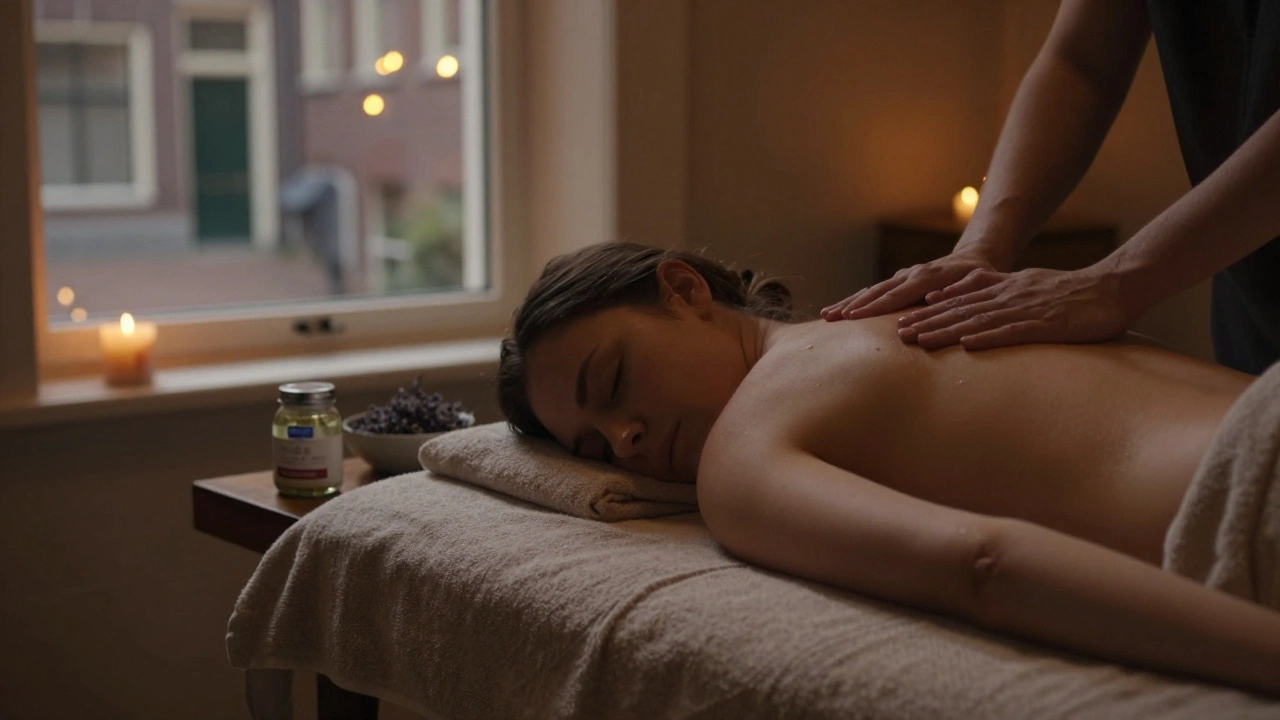
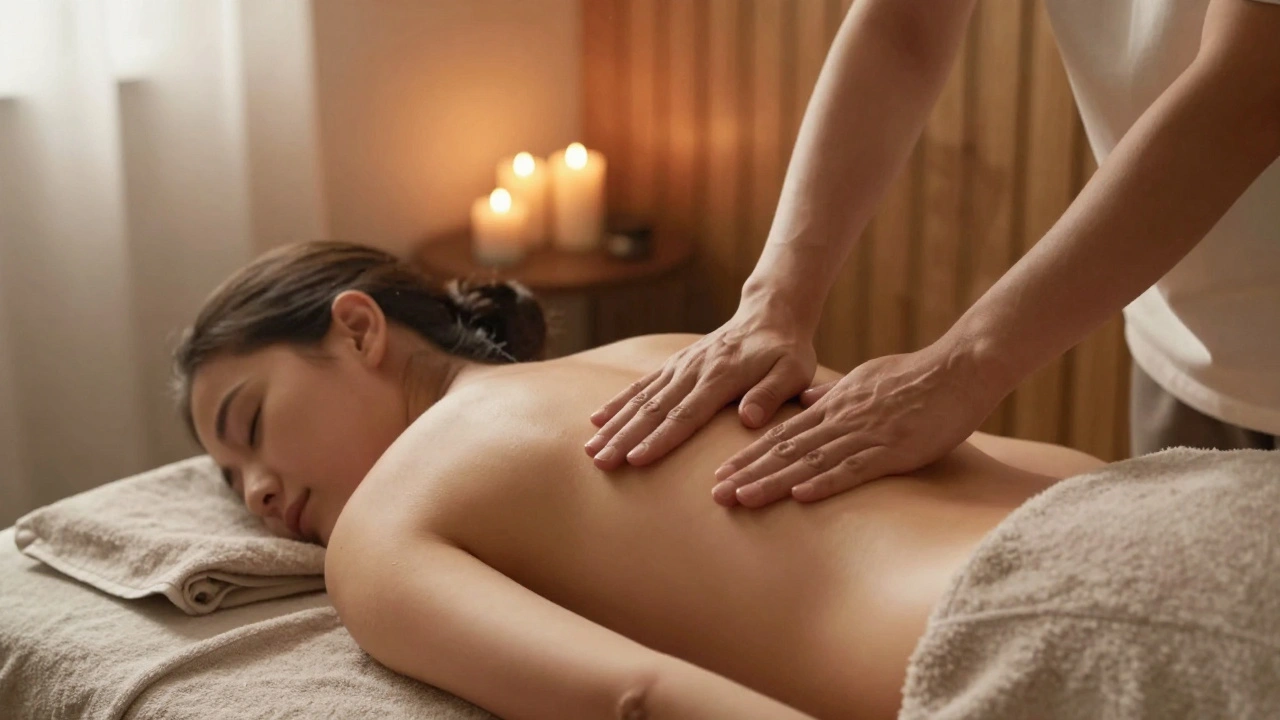
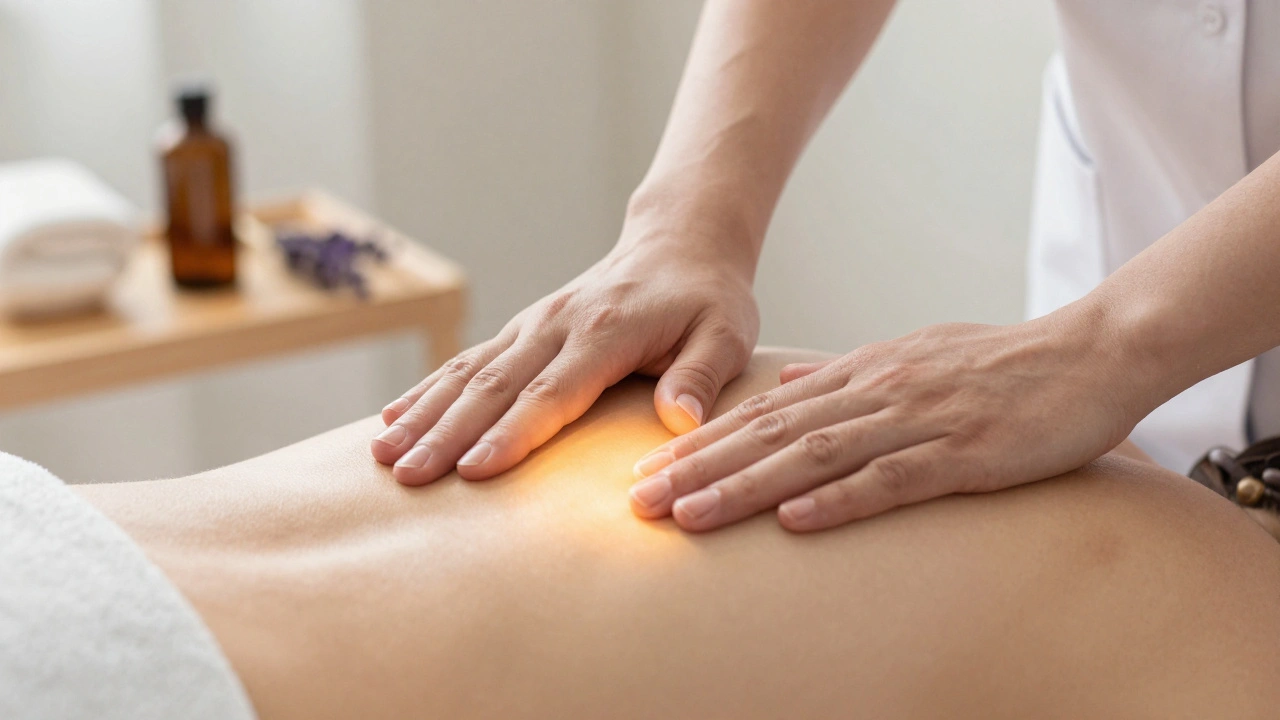
You’ll lie on a warm table, covered with a towel. The room is quiet, maybe with soft music or nature sounds. The therapist starts with long strokes - effleurage - to warm up your skin and muscles. Then they’ll knead your shoulders, roll your calves, tap gently along your spine. The pressure is firm but never painful. It’s like being hugged by a very skilled hand.
You’ll be asked to breathe deeply. If you’re tense, they’ll pause and wait. No rush. No judgment. It’s not about “fixing” you. It’s about inviting your body to relax.
Swedish Massage vs. Deep Tissue: What’s the Difference?
| Feature | Swedish Massage | Deep Tissue Massage |
|---|---|---|
| Pressure Level | Light to medium | Heavy, focused |
| Goal | Relaxation, circulation, stress relief | Breaking down chronic muscle tension |
| Best For | First-timers, stress relief, recovery | Athletes, chronic pain, tight knots |
| After Effects | Calmer, lighter, energized | Sore for 1-2 days, then looser |
| Duration | 60-90 minutes | 60-75 minutes |
If you’re new to massage or just want to unwind, Swedish is the way to go. Deep tissue is powerful - but it’s not always gentle. And sometimes, gentle is what you need most.
How to Find a Good Swedish Massage in Amsterdam
Amsterdam has dozens of massage studios. But not all offer true Swedish technique. Look for therapists who mention “effleurage,” “petrissage,” and “tapotement” - those are the five classic strokes. Avoid places that push “intense pressure” as the main selling point.
Try places like De Stilte in De Pijp or Wellness House near Vondelpark. Both train their therapists in traditional Swedish methods. Ask: “Do you follow the classic five strokes?” If they pause and look confused - walk away.
What to Expect to Pay
In Amsterdam, a 60-minute Swedish massage costs between €65 and €95. Higher-end spas might charge €110, but you’re paying for ambiance, not better technique. A 90-minute session is usually €100-€130. Many studios offer first-time discounts - €15-20 off. Always ask.
Bookings are usually done online. You can pick your therapist, time, and even the scent of oil. Some places let you choose between lavender, eucalyptus, or unscented. Go with lavender if you’re stressed. Eucalyptus if you’re recovering from exercise.
Safety Tips - Because Massage Isn’t Risk-Free
- Don’t get a massage if you have a fever, open wounds, or recent surgery.
- If you’re pregnant, make sure the therapist is trained in prenatal massage.
- Always tell your therapist about injuries, implants, or medications (especially blood thinners).
- Drink water after. It helps flush out metabolic waste.
- Don’t rush out. Sit quietly for 5 minutes. Let your body settle.
Frequently Asked Questions
Is Swedish massage good for anxiety?
Yes. Swedish massage lowers cortisol and boosts serotonin and dopamine - the brain’s natural mood stabilizers. Many people report feeling calmer, less reactive, and more emotionally balanced after just one session. Regular sessions (once every 2-4 weeks) can help manage chronic anxiety without medication.
Can Swedish massage help with insomnia?
Absolutely. The rhythmic pressure and calm environment trigger melatonin release, helping you fall asleep faster and stay asleep longer. A 2023 study showed 78% of participants improved sleep quality after four weeks of weekly Swedish massages. No sleeping pills needed.
How often should I get a Swedish massage?
For general stress relief: once a month. For chronic tension, poor sleep, or recovery from exercise: every 2-3 weeks. Athletes or people with high-stress jobs often benefit from weekly sessions. There’s no harm in getting it more often - your body will thank you.
Does Swedish massage hurt?
No. It shouldn’t. Swedish massage uses gentle, flowing pressure. If it hurts, speak up. A good therapist will adjust. You should feel relaxed, not tense. Pain means the technique is wrong - or you’re not ready for it yet.
Can I get Swedish massage if I have high blood pressure?
Yes - and it may help. Studies show regular Swedish massage can lower both systolic and diastolic blood pressure over time. But always inform your therapist. They’ll use lighter pressure and avoid certain areas like the neck if needed. Never skip telling them about your condition.
Ready to Feel Different?
You don’t need to be broken to benefit from Swedish massage. You just need to be tired. Overstimulated. Worn down. If you’ve been pushing through your days like a machine, it’s time to let your body remember how to rest. One session won’t change your life. But ten? That’s a different story.
Book your next one. Not tomorrow. Not next week. Now. Your body’s already waiting.